McDonald’s Ice Cream Cone: Dietitian’s Nutrition Facts & Health Analysis
McDonald’s ice cream cone stands as one of the fast-food chain’s most popular frozen desserts, offering a convenient treat that millions consume annually. Understanding the complete nutritional profile of this iconic dessert is essential for making informed dietary choices, whether you’re a casual fast-food consumer or someone tracking macronutrients for health goals. This comprehensive guide breaks down every nutritional component, from calories to additives, providing the analysis you need to fit this treat into a balanced lifestyle.
As a registered dietitian perspective, the McDonald’s ice cream cone represents a common intersection between convenience and nutrition awareness. While indulgences have their place in a healthy nutrition plan, understanding exactly what you’re consuming empowers better decision-making. This article dissects the vanilla soft-serve cone, examining sugar content, fat profiles, artificial ingredients, and practical strategies for enjoying frozen treats responsibly.

Complete Nutritional Breakdown
The McDonald’s vanilla soft-serve ice cream cone contains precisely measured nutritional components that vary slightly by region and preparation method. A standard vanilla cone delivered through McDonald’s dispensing machines provides approximately 150 calories per serving, making it one of the lighter frozen dessert options available in the fast-food industry. The nutritional facts label reveals a composition of carbohydrates, fats, and minimal protein, with trace amounts of essential micronutrients.
Breaking down the macronutrient distribution: the cone contributes roughly 22 grams of carbohydrates, 4.5 grams of total fat, and 4 grams of protein. This macronutrient ratio reflects the dessert’s primary ingredient composition—soft-serve dairy base with added sugars and the edible cone structure. The saturated fat content reaches approximately 3 grams, representing about 15% of the daily recommended value based on a 2,000-calorie diet. Understanding these proportions helps contextualize where this treat fits within daily nutritional targets.
Sodium content in the McDonald’s ice cream cone measures approximately 60-70 milligrams, a relatively modest amount compared to savory fast-food items. This low sodium profile makes the cone less problematic for individuals monitoring salt intake, though the overall nutritional value remains limited. The cone itself contributes structural carbohydrates and minimal nutritional benefit beyond caloric density, serving primarily as a convenient delivery mechanism for the frozen dairy product.
Caloric Content & Energy Balance
At 150 calories, the McDonald’s vanilla ice cream cone represents a modest caloric commitment within daily energy intake. For context, this equates to approximately 7.5% of a typical 2,000-calorie daily diet, positioning it as a reasonable indulgence for most individuals following standard dietary guidelines. However, caloric density matters significantly—these calories provide relatively little satiety compared to nutrient-dense alternatives, meaning hunger may return quickly after consumption.
The energy balance equation becomes more complex when examining portion control and frequency of consumption. A single cone consumed occasionally poses minimal dietary concern for most people; however, regular consumption—several times weekly—accumulates to meaningful caloric intake. Over one month, consuming three cones weekly totals approximately 1,800 calories, equivalent to nearly one full day’s energy needs. This mathematical reality underscores the importance of strategic meal planning when incorporating frozen treats regularly.
Metabolic considerations extend beyond simple calorie counting. The soft-serve ice cream’s composition of simple sugars and saturated fats triggers rapid blood glucose elevation and insulin response, potentially contributing to energy crashes and renewed hunger signals within 1-2 hours post-consumption. This physiological pattern differs from calorie-equivalent amounts of complex carbohydrates paired with fiber and protein, explaining why 150 calories of ice cream feels less satisfying than 150 calories of whole grains with legumes.
Sugar Analysis & Health Implications
The McDonald’s ice cream cone contains approximately 17 grams of sugar per serving, representing the most significant nutritional concern from a health perspective. This quantity equals roughly 4.25 teaspoons of added sugar, exceeding 30% of the American Heart Association’s recommended daily maximum for women (25 grams) and approaching 35% of recommendations for men (36 grams). For children, a single cone often represents 50-70% of daily recommended sugar intake, making it a particularly concentrated source of simple carbohydrates for younger consumers.
The sugar source in McDonald’s ice cream derives primarily from the soft-serve dairy base formulation, which includes both lactose (natural milk sugar) and added sugars. While the product label may not distinguish between these sources, the total impact on blood glucose remains consistent—rapid elevation followed by potential crashes. Regular consumption patterns contribute to chronic disease risk factors including type 2 diabetes development, dental health deterioration, and metabolic syndrome progression.
Research from institutions studying dietary patterns consistently demonstrates that added sugar consumption exceeding recommended guidelines correlates with increased cardiovascular disease risk, obesity prevalence, and inflammatory marker elevation. The American Heart Association emphasizes limiting added sugars as a primary dietary modification strategy, making the McDonald’s cone’s 17-gram sugar content a significant consideration for individuals with existing metabolic conditions or genetic predisposition to glucose regulation challenges. For those managing nutrition and mental health connections, blood sugar stability directly impacts mood regulation and cognitive function.
Fat Profile & Cholesterol Concerns
The 4.5 grams of total fat in a McDonald’s ice cream cone breaks down into approximately 3 grams of saturated fat, 1 gram of unsaturated fat, and trace amounts of trans fats. The saturated fat content represents the primary concern from a cardiovascular health standpoint, as dietary saturated fat consumption elevates LDL cholesterol levels in many individuals, increasing atherosclerosis risk. However, the absolute amount remains moderate—a single cone contributes only 15% of the daily recommended saturated fat limit (20 grams for a 2,000-calorie diet).
The ice cream’s fat composition originates from dairy cream and milk solids, which provide the smooth texture and mouthfeel consumers expect. McDonald’s formulation includes vegetable oil derivatives and emulsifiers that optimize texture consistency across varying ambient temperatures and storage conditions. These processing ingredients, while generally recognized as safe by regulatory agencies, contribute to the overall fat profile without providing nutritional benefits comparable to whole-food fat sources containing omega-3 fatty acids or fat-soluble vitamins.
Cholesterol content measures approximately 10-15 milligrams per cone, representing roughly 3-5% of the daily recommended maximum (300 milligrams). For individuals with existing hypercholesterolemia or cardiovascular disease history, dietary cholesterol accumulation warrants monitoring, though recent research suggests dietary cholesterol impacts blood cholesterol levels less dramatically than previously believed. The greater concern involves the saturated fat’s cholesterol-raising potential rather than the dietary cholesterol content itself.
Protein & Micronutrients
At 4 grams of protein per cone, the McDonald’s ice cream provides modest protein contribution insufficient for meaningful satiety or muscle protein synthesis support. This protein quantity represents approximately 8% of daily recommended intake (50 grams for a 2,000-calorie diet), derived primarily from the dairy milk solids and whey components. For post-workout recovery or protein supplementation purposes, the ice cream cone provides negligible benefit compared to protein-rich alternatives like Greek yogurt or protein shakes.
Micronutrient analysis reveals limited vitamin and mineral contribution. The cone provides approximately 10% of daily recommended calcium due to dairy content, supporting bone health and muscle function. Phosphorus content parallels calcium, maintaining appropriate mineral ratios for skeletal metabolism. However, most other essential micronutrients—iron, zinc, magnesium, vitamin B12, vitamin D—appear in trace amounts insufficient for meaningful nutritional contribution. This micronutrient scarcity reinforces the ice cream cone’s classification as a low-nutrient-density food.
The vanilla flavoring derives from either natural vanilla extract or vanillin (synthetic vanilla), neither contributing significant nutritional value. Enrichment strategies sometimes include vitamin A palmitate and vitamin D3 additions, though McDonald’s vanilla cone formulation varies by region and may not include these fortifications. For individuals relying on fast-food options for primary nutrition, the limited micronutrient profile becomes concerning—consistent consumption cannot substitute for whole-food sources of vitamins, minerals, and phytonutrients essential for optimal health.
Additives & Ingredient Analysis
McDonald’s ice cream cone ingredients extend beyond simple cream, milk, and sugar, including various additives serving functional purposes in frozen dairy products. Guar gum and cellulose gum function as stabilizers and thickeners, providing consistent texture and preventing ice crystal formation during storage. These ingredients, derived from plant sources, are generally recognized as safe by the FDA but contribute no nutritional value and may cause digestive distress in sensitive individuals.
Monoglycerides and diglycerides serve as emulsifiers, creating stable suspension of fat and water components that would naturally separate. These additives improve mouthfeel and texture consistency but represent processed ingredients absent from whole-food dessert options. Sodium phosphate functions as a buffer, maintaining pH stability and extending shelf life. While individual additive safety profiles meet regulatory standards, the cumulative effect of multiple processing ingredients contributes to the overall processed nature of the product.
Artificial vanilla flavoring (vanillin) often replaces natural vanilla extract due to cost efficiency and flavor consistency. Vanillin provides identical flavor compounds to natural vanilla but without the complex flavor profile and antioxidant compounds present in whole vanilla beans. For consumers prioritizing minimal processing and natural ingredients, the McDonald’s cone represents a significantly processed option compared to premium ice cream brands using simple ingredient lists.
Nutritional concerns extend to the cone structure itself, which contains enriched wheat flour, sugar, corn syrup, vegetable oils, and leavening agents. This processing transforms simple grain components into a refined carbohydrate delivery system with minimal fiber or nutrient density. The cone contributes approximately 50 calories and 10 grams of carbohydrates, adding to the overall sugar load without providing sustained energy or satiety benefits.
Comparison With Other Desserts
Contextualizing the McDonald’s ice cream cone within the broader dessert landscape clarifies its nutritional positioning. Compared to a McDonald’s apple pie (250 calories, 13g sugar), the cone provides lower caloric and sugar content, making it the superior choice for sugar-conscious consumers. Against a McDonald’s chocolate chip cookie (150 calories, 10g sugar), the cone contains more sugar despite equivalent calories, reflecting different macronutrient distributions.
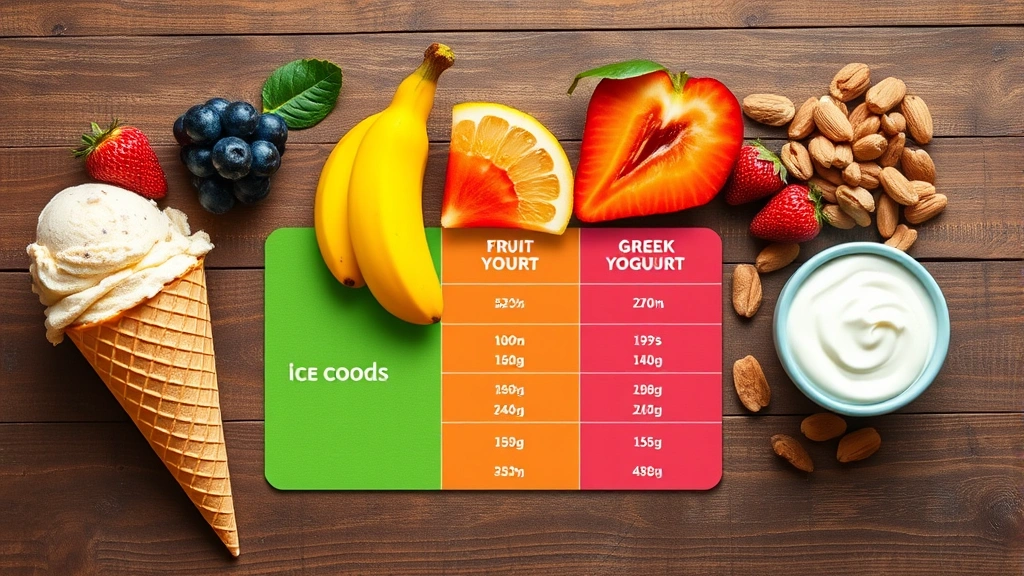
Premium ice cream brands typically offer 150-200 calories per serving with 12-18 grams of sugar, positioning McDonald’s cone competitively from a caloric standpoint. However, premium options often provide superior ingredient quality and potentially better satiety due to higher fat content and richer texture. Frozen yogurt alternatives from McDonald’s or competitors provide 100-150 calories with similar sugar content, offering minimal nutritional advantage despite marketing positioning as healthier alternatives.
Comparison with non-fast-food dessert options reveals significant nutritional differences. A homemade ice cream serving prepared with whole milk, cream, eggs, and minimal added sugar might contain 150 calories with 8-10 grams of sugar, providing superior nutrient density and ingredient quality. A sorbet or fruit-based frozen dessert offers 80-120 calories with 15-20 grams of naturally occurring fruit sugars, providing fiber and antioxidant compounds absent from dairy-based soft-serve. These comparisons emphasize that calorie-for-calorie, ingredient quality and nutrient density vary substantially across frozen dessert options.
Practical Consumption Guidelines
For individuals seeking to enjoy McDonald’s ice cream cones within a health-conscious framework, strategic approaches optimize satisfaction while minimizing negative health impacts. Frequency moderation represents the primary strategy—occasional consumption (once monthly or less frequently) poses minimal health risk for most individuals, while regular weekly consumption accumulates problematic caloric and sugar intake. This moderation principle aligns with dietary guidelines emphasizing occasional indulgences within otherwise balanced nutrition patterns.
Timing considerations enhance overall dietary impact. Consuming the ice cream cone following a balanced meal containing protein, healthy fats, and fiber reduces glycemic response and extends satiety. The protein and fiber slow sugar absorption, preventing dramatic blood glucose elevation and subsequent energy crashes. Conversely, consuming the cone as a standalone snack on an empty stomach maximizes blood sugar disruption and hunger stimulation within 1-2 hours.
Portion strategies provide additional optimization approaches. Sharing a cone or consuming half the portion reduces caloric and sugar intake by 50% while maintaining the sensory satisfaction of the treat. Pairing the cone with water or unsweetened beverage rather than sugary drinks prevents additional simple carbohydrate accumulation. For individuals tracking macronutrients, the cone’s carbohydrate content requires accounting within daily targets, particularly for those following low-carbohydrate or ketogenic dietary approaches.
Individual health status considerations should inform consumption decisions. Individuals with type 2 diabetes, prediabetes, or metabolic syndrome should minimize or eliminate regular ice cream consumption, substituting with lower-sugar alternatives like sugar-free popsicles or gelato options containing reduced sugar. Those with lactose intolerance may experience digestive distress despite soft-serve’s reduced lactose content compared to regular ice cream. Individuals with food allergies or sensitivities should verify ingredient lists, as trace nut contamination or specific additive reactions remain possible.
The broader dietary context matters significantly for health outcomes. A single McDonald’s ice cream cone consumed by someone maintaining regular exercise, adequate vegetable intake, and controlled overall caloric consumption poses minimal health concern. The same cone consumed by a sedentary individual already exceeding daily caloric needs and consuming excess added sugars from multiple sources contributes meaningfully to metabolic dysfunction risk. Dietitians emphasize assessing individual dietary patterns holistically rather than isolating single food items as inherently good or bad.
Strategic alternatives merit consideration for those seeking frozen treat satisfaction with improved nutritional profiles. Nutrition facts about avocados demonstrate that whole-food ingredients provide superior nutrient density, and frozen avocado-based desserts offer creamy texture with healthy fats and fiber. Frozen fruit blended with Greek yogurt provides 100-150 calories with 10-15 grams protein and substantial fiber, improving satiety and micronutrient contribution. These alternatives require minimal additional effort while providing substantially better nutritional outcomes.
FAQ
How many calories are in a McDonald’s ice cream cone?
A standard McDonald’s vanilla soft-serve ice cream cone contains approximately 150 calories, representing roughly 7.5% of a typical 2,000-calorie daily diet. This caloric content derives from approximately 22 grams of carbohydrates and 4.5 grams of fat, with minimal protein contribution.
Is McDonald’s ice cream cone suitable for diabetics?
Individuals with diabetes should generally limit or avoid regular McDonald’s ice cream cone consumption due to the 17-gram sugar content, which represents significant blood glucose elevation risk. Those with well-controlled diabetes might accommodate occasional consumption by adjusting other carbohydrate sources and monitoring blood glucose response, but consulting with a registered dietitian is advisable.
What are the main ingredients in McDonald’s ice cream cone?
The primary ingredients include milk, cream, corn syrup, sugar, enriched wheat flour (in the cone), vegetable oils, stabilizers (guar gum, cellulose gum), emulsifiers (monoglycerides and diglycerides), and vanilla flavoring. The complete ingredient list varies slightly by region and includes various additives for texture and shelf-life optimization.
How does McDonald’s ice cream compare to premium ice cream brands?
McDonald’s soft-serve contains fewer calories (150 vs. 180-220) than many premium brands but typically includes more additives and fewer whole-food ingredients. Premium ice creams often provide richer flavor and superior ingredient quality, though both contain comparable sugar content. The choice depends on individual priorities regarding calories, ingredients, and flavor preferences.
Can I include McDonald’s ice cream in a weight loss plan?
The 150-calorie ice cream cone can fit within a weight loss plan if incorporated strategically. Occasional consumption (monthly or less frequently) poses minimal weight impact for most individuals. For regular enjoyment, the cone’s calories must be accounted for within daily caloric targets, potentially requiring reduction in other food sources to maintain overall caloric deficit necessary for weight loss.
What’s the sugar content in McDonald’s ice cream cone?
The McDonald’s vanilla soft-serve ice cream cone contains approximately 17 grams of sugar, representing roughly 4.25 teaspoons. This quantity exceeds 30% of recommended daily sugar limits for women and approaches 35% for men, making it a concentrated sugar source relative to portion size.
Are there healthier frozen dessert alternatives at McDonald’s?
McDonald’s offers limited healthier alternatives, though frozen yogurt parfaits with granola provide similar caloric content with additional protein from yogurt. However, the granola addition often increases sugar content. External options like fruit-based sorbets or sugar-free popsicles provide more substantial nutritional improvements, though they require visiting alternative retailers.
How often is it safe to eat McDonald’s ice cream cone?
For most individuals without metabolic conditions, occasional consumption (once monthly or less frequently) poses minimal health risk. Those with diabetes, prediabetes, or metabolic syndrome should limit or eliminate regular consumption. Individuals maintaining balanced overall nutrition with regular exercise can accommodate occasional indulgence without health detriment, provided overall dietary patterns remain sound.