Is Imitation Crab Healthy? Nutritionist Insight
Imitation crab has become a staple in supermarkets, sushi restaurants, and home kitchens across North America. This affordable seafood alternative offers convenience and accessibility that real crab often cannot match. However, the question of whether imitation crab meat is actually healthy remains contested among nutritionists and health-conscious consumers. Understanding what goes into this processed product, how it compares nutritionally to genuine crab, and whether it fits into a balanced diet requires a detailed examination of its composition, benefits, and potential drawbacks.
The rise of imitation crab reflects broader trends in food manufacturing and consumer preferences for budget-friendly options. Yet popularity does not necessarily equate to nutritional value. This comprehensive guide explores the science behind imitation crab, its nutritional profile, and expert recommendations for incorporating it responsibly into your eating habits.

What Is Imitation Crab Made Of?
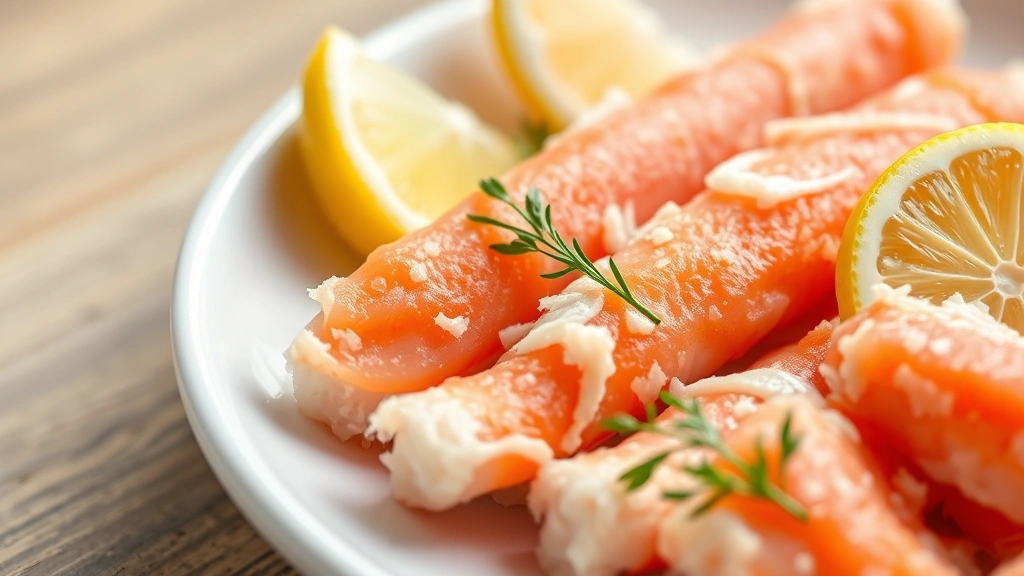
Imitation crab, commonly called surimi or crab stick, is a processed seafood product manufactured from white fish—typically pollock, cod, or other mild-flavored species. The production process involves mincing fish meat, mixing it with binders like starch and egg white, adding flavoring agents and colorants, and then forming it into shapes that mimic real crab legs or chunks. This manufacturing approach transforms affordable fish into a product that visually and texturally resembles premium crab meat.
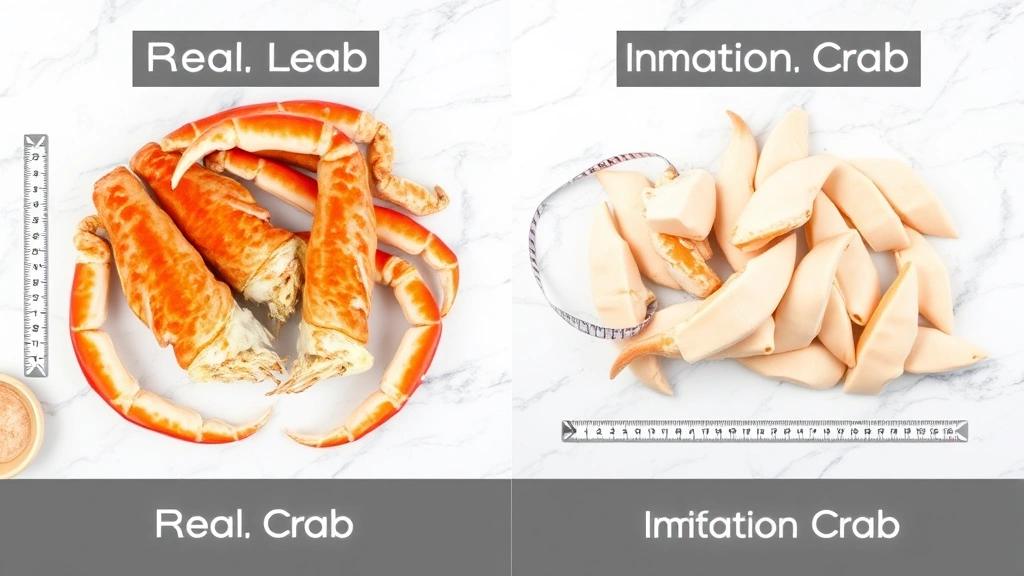
The primary ingredient is surimi, a paste made from white fish that has been deboned, washed, and mixed with cryoprotectants to maintain its texture during freezing. Manufacturers then add various additives to achieve the desired appearance, taste, and shelf stability. The distinctive reddish color comes from food dyes, most commonly carmine or red #40, which gives imitation crab its characteristic appearance. This is fundamentally different from real crab, where the color develops naturally from astaxanthin, a carotenoid pigment.
Understanding this composition is essential because it directly impacts the nutritional profile. Since imitation crab is primarily white fish with added binders and colorants, its nutritional value differs significantly from authentic crab, which contains more minerals, vitamins, and naturally occurring compounds.
Nutritional Breakdown and Comparison
When examining whether imitation crab is healthy, comparing its nutritional content to real crab provides valuable context. A 3-ounce serving of imitation crab typically contains approximately 80-90 calories, 17 grams of protein, and less than 1 gram of fat. Real crab of the same serving size offers roughly 82 calories, 17 grams of protein, and 1 gram of fat—making them remarkably similar in basic macronutrient composition.
However, the micronutrient differences become more pronounced. Real crab is significantly richer in selenium, copper, and zinc, minerals crucial for immune function, thyroid health, and wound healing. Imitation crab provides minimal amounts of these essential minerals because they are not naturally present in white fish at the same concentrations. Additionally, real crab contains omega-3 fatty acids, particularly EPA and DHA, which support cardiovascular and cognitive health. Imitation crab contains far lower levels of these beneficial compounds.
The protein quality also differs subtly. Both products provide complete proteins containing all nine essential amino acids, but real crab’s amino acid profile is slightly more balanced for human nutrition. Imitation crab’s protein comes from both fish and added binders, which may slightly reduce its bioavailability compared to whole seafood protein.
When following a healthy nutrition plan, understanding these distinctions helps you make choices aligned with your dietary goals. For those seeking to optimize mineral intake and omega-3 consumption, real crab offers superior nutritional density.
Sodium Content and Health Concerns
The most significant health concern regarding imitation crab is its exceptionally high sodium content. A single 3-ounce serving contains 600-900 milligrams of sodium—representing 26-39% of the recommended daily intake for adults. This makes imitation crab one of the saltier processed seafood options available, far exceeding the sodium content of real crab, which contains only 200-300 milligrams per serving.
For individuals managing hypertension, heart disease, or kidney conditions, this sodium concentration poses a genuine health risk. The American Heart Association recommends limiting daily sodium to 2,300 milligrams, with an ideal limit of 1,500 milligrams for optimal cardiovascular health. Consuming multiple servings of imitation crab can quickly exceed these thresholds.
This high sodium content serves multiple purposes in manufacturing: it enhances flavor, improves texture, and extends shelf life. However, these manufacturing benefits come at the expense of consumer health. The sodium is not merely surface salt but is incorporated throughout the product during processing, making it impossible to remove by rinsing or preparation methods.
Research from the American Heart Association consistently demonstrates that excessive sodium consumption increases blood pressure and cardiovascular disease risk. For this reason, nutritionists often recommend limiting imitation crab consumption, particularly for individuals with existing health conditions.
Additives and Processing Ingredients
Beyond sodium, imitation crab contains numerous additives that warrant examination. Common ingredients include:
- Modified food starch: Used as a binder and thickener, this ingredient is typically derived from corn or potato and helps maintain texture during storage and cooking
- Egg white or egg albumin: Serves as a binding agent, helping ingredients cohere into the final product form
- Food colorants: Primarily red #40 or carmine, these dyes create the visual appearance of real crab meat
- Preservatives: Sodium benzoate and potassium sorbate prevent microbial growth and extend shelf life
- Flavor enhancers: Monosodium glutamate (MSG) is frequently used to enhance seafood flavor, though some brands now offer MSG-free versions
- Cryoprotectants: Sorbitol and other sugar alcohols protect the product during freezing cycles
While these additives are generally recognized as safe (GRAS) by the FDA, their cumulative effect on health remains debated. Some individuals experience sensitivity to MSG or artificial colorants, experiencing headaches, digestive discomfort, or allergic reactions. Those with specific sensitivities should carefully review ingredient lists before purchasing.
The processing itself, while enabling product affordability and convenience, removes some nutritional benefits present in whole fish. Washing steps designed to remove fish odors and improve texture can also remove water-soluble vitamins and minerals.
Benefits of Imitation Crab
Despite legitimate health concerns, imitation crab offers genuine benefits that explain its widespread popularity. For consumers seeking ideal nutrition within budget constraints, imitation crab provides several advantages:
Affordability and accessibility: Real crab is expensive, often costing $15-30 per pound, making it inaccessible for many households. Imitation crab costs $3-8 per pound, democratizing access to a seafood-like product. This affordability enables lower-income families to include protein-rich foods in their diets.
Consistent availability: Unlike fresh crab, which is seasonal and regionally dependent, imitation crab is available year-round in virtually every supermarket. This consistency supports meal planning and dietary adherence.
Allergen considerations: Individuals with shellfish allergies can often tolerate imitation crab since it is fish-based rather than crustacean-based. However, cross-contamination risks exist, and some people react to both fish and shellfish proteins.
Convenient preparation: Imitation crab requires no cooking—it comes ready-to-eat, making it ideal for sushi rolls, salads, and quick meals. This convenience factor encourages seafood consumption among busy individuals.
Lower mercury content: Since imitation crab is made from smaller white fish species, it contains significantly less mercury than certain seafood options like shark or swordfish, making it safer for pregnant women and young children in this respect.
Shelf stability: The processing extends shelf life considerably, reducing food waste and making it practical for households without frequent shopping access.
When to Limit Consumption
Certain populations should exercise particular caution with imitation crab consumption. Individuals managing hypertension should strictly limit intake given the sodium concentration. Those with heart disease, kidney disease, or diabetes similarly benefit from reducing consumption, as excessive sodium can complicate disease management.
Pregnant women should consider that while imitation crab’s mercury levels are low, the high sodium content may contribute to gestational hypertension. Children eating imitation crab regularly may exceed age-appropriate sodium recommendations, potentially establishing unhealthy taste preferences for salty foods.
Individuals following nutrition for athletes seeking to optimize performance through diet may find imitation crab suboptimal. The high sodium-to-nutrient ratio, combined with limited mineral content, makes it inferior to whole protein sources for athletic recovery and performance.
Those with sensitivity to food additives, MSG, or artificial colorants should avoid imitation crab or select specialty brands formulated without these ingredients.
Making Informed Choices
If you enjoy imitation crab and wish to incorporate it healthfully, several strategies minimize potential downsides:
- Moderation is essential: Limit consumption to once weekly or less, rather than multiple times per week. This reduces cumulative sodium and additive intake while still allowing occasional enjoyment
- Pair thoughtfully: Combine imitation crab with vegetables and whole grains rather than refined carbohydrates. In sushi rolls, include cucumber, avocado, and leafy greens to increase micronutrient density
- Choose quality brands: Some manufacturers produce imitation crab with reduced sodium (400-500mg per serving) or without MSG and artificial colorants. Reading labels enables informed selection
- Rinse before use: While not eliminating sodium, rinsing imitation crab under cool water can reduce surface sodium slightly
- Balance overall diet: If consuming imitation crab, reduce sodium from other sources that day. Check the nutrition facts label generator to track daily intake accurately
- Supplement minerals: Consider including other foods rich in selenium, copper, and zinc to offset imitation crab’s mineral deficit. Nuts, seeds, and whole grains provide these nutrients
The key to healthy eating involves balance and awareness. Imitation crab is not inherently “unhealthy,” but it is a processed product best consumed occasionally rather than regularly. Its affordability and convenience make it valuable for specific situations, but it should not replace whole seafood options when health optimization is the priority.
Research from CDC nutrition studies emphasizes that processed foods account for approximately 70% of dietary sodium intake for Americans. Reducing reliance on heavily processed seafood products like imitation crab contributes meaningfully to overall sodium reduction and cardiovascular health.
For those seeking nutritional guidance tailored to individual needs, visiting the Nutrients Pathway Blog provides evidence-based information on food choices and dietary strategies. Professional nutritionists can also assess your specific health status and recommend personalized approaches to seafood consumption.
FAQ
Is imitation crab safe to eat?
Yes, imitation crab is safe for most people when consumed in moderation. It undergoes rigorous processing and quality control. However, individuals with fish allergies, shellfish allergies (though less common with fish-based products), or sensitivities to food additives should exercise caution and consult healthcare providers.
Does imitation crab contain real crab?
No, authentic imitation crab contains no actual crab. It is manufactured from white fish (typically pollock), binders, and additives. Some specialty products may include small amounts of real crab extract for flavoring, so checking labels is important if this distinction matters to you.
Can imitation crab be part of a weight loss diet?
Imitation crab’s low calorie and fat content make it suitable for weight loss diets. A 3-ounce serving contains only 80-90 calories and virtually no fat. However, its high sodium content may cause water retention, potentially masking weight loss progress. Pairing it with vegetables and whole grains maximizes satiety.
How often is it safe to eat imitation crab?
For most healthy adults, consuming imitation crab once weekly poses minimal health risk. Those with hypertension, heart disease, or kidney conditions should limit consumption to once monthly or less. Consulting a healthcare provider about appropriate frequency for your specific health status is wise.
What is a healthier alternative to imitation crab?
Real crab is the most nutritious alternative, offering superior mineral content and omega-3 fatty acids. For budget-conscious consumers, other affordable seafood options include canned salmon (rich in omega-3s), frozen white fish fillets, or canned tuna. Plant-based alternatives like hearts of palm or mushroom-based products offer lower sodium options.
Does imitation crab have omega-3 fatty acids?
Imitation crab contains minimal omega-3 fatty acids compared to fatty fish like salmon or real crab. If omega-3 intake is a dietary priority, imitation crab should not be your primary seafood choice.
Is imitation crab good for people with high blood pressure?
No, imitation crab is poorly suited for hypertension management due to its high sodium content. A single serving provides 26-39% of recommended daily sodium intake, potentially elevating blood pressure further. Individuals with hypertension should choose fresh or frozen white fish, real crab in small portions, or other low-sodium protein options.


