
In-N-Out Burger has built a legendary reputation for quality and simplicity, but what does the nutritional reality look like? As one of America’s most popular fast-casual chains, In-N-Out attracts millions of customers seeking affordable, fresh burgers and fries. However, understanding In-N-Out nutrition facts is crucial for anyone making informed dietary choices, whether you’re a fitness enthusiast, health-conscious consumer, or simply curious about what you’re eating.
Dietitians and nutrition experts have increasingly scrutinized fast-casual chains, and In-N-Out presents an interesting case study. Unlike many competitors laden with artificial ingredients and ultra-processed components, In-N-Out maintains a relatively transparent approach to sourcing and preparation. Yet transparency doesn’t automatically equal nutritional optimization. This comprehensive analysis examines what registered dietitians say about In-N-Out’s menu, breaking down caloric content, macronutrient profiles, sodium levels, and practical strategies for making healthier choices at this beloved burger establishment.
What Dietitians Know About In-N-Out’s Menu Philosophy
In-N-Out’s operational philosophy differs markedly from most fast-food competitors. The chain operates with a deliberately limited menu—primarily burgers, fries, and beverages—which actually simplifies nutritional analysis. Registered dietitian nutritionists appreciate this transparency compared to chains offering 100+ menu items with obscured sourcing practices.
The company’s commitment to fresh beef without freezing, potatoes cut fresh daily, and hand-leafed lettuce represents a baseline quality standard that many nutrition professionals acknowledge. However, as the Academy of Nutrition and Dietetics emphasizes, fresh ingredients don’t automatically create nutritionally balanced meals. The preparation method, portion sizes, and overall macronutrient composition matter equally.
According to Pew Research Center studies on American dining habits, fast-casual establishments like In-N-Out capture significant market share specifically because consumers perceive them as healthier alternatives to traditional fast food. This perception gap—between perceived and actual nutritional value—represents a critical area where dietitians focus their guidance.
In-N-Out’s beef sourcing practices merit examination. The chain uses California-raised beef without antibiotics or added hormones, a distinction that resonates with health-conscious consumers. Yet this quality marker addresses different health concerns than caloric density or sodium content. Dietitians recognize that hormone-free beef remains beef, with the same nutritional profile regarding saturated fat and cholesterol as conventionally raised alternatives.
Breaking Down In-N-Out Nutrition Facts by Item
Understanding specific menu items provides practical guidance for nutritional decision-making. The Double-Double—In-N-Out’s signature item—contains approximately 670 calories, 39 grams of fat, 40 grams of protein, and 41 grams of carbohydrates. For context, this represents roughly one-third of a typical 2,000-calorie daily diet in a single sandwich.
The Single burger offers a more conservative option at 390 calories with 19 grams of fat and 16 grams of protein. Dietitians frequently recommend the Single as a more appropriately portioned choice, though many customers underestimate how portion sizes impact overall daily intake.
French fries present a particular nutritional challenge. A regular order contains 365 calories and 17 grams of fat, primarily from the cooking oil. Notably, In-N-Out fries contain no trans fats, a positive distinction, though saturated fat content remains substantial. The sodium content reaches 246 milligrams per regular serving—and most customers consume larger portions than officially listed.
Protein shakes offer an interesting alternative. The Vanilla Shake contains 314 calories with 8 grams of protein, while Chocolate and Strawberry varieties contain similar profiles. These represent lower-calorie options compared to burgers, though they lack the satiety factor that protein-rich burgers provide. For individuals focusing on protein intake for muscle building, shakes alone prove insufficient.
Beverages deserve attention too. A standard soda contributes 220 calories from added sugars with zero nutritional benefit. Water, unsweetened tea, and coffee represent superior choices from a dietitian perspective, though they’re less popular among the customer base.
The Protein Style burger—lettuce-wrapped instead of bread-based—reduces carbohydrate intake significantly while maintaining protein content. A Protein Style Double-Double contains approximately 520 calories with 39 grams of protein, representing a strategic modification for low-carb diet followers.
Protein Content and Muscle-Building Potential
For athletes and fitness enthusiasts, In-N-Out’s protein offerings warrant specific analysis. The Double-Double provides 40 grams of protein, meeting substantial portions of daily requirements. According to current nutrition for building muscle mass guidelines, consuming adequate protein distributed across multiple meals supports muscle protein synthesis.
However, protein quality involves more than mere quantity. In-N-Out’s beef contains complete amino acid profiles including all nine essential amino acids, making it nutritionally complete for muscle development purposes. Dietitian recommendations typically suggest 0.7-1.0 grams of protein per pound of body weight for individuals engaged in resistance training.
The timing of protein consumption matters significantly. Post-workout nutrition research suggests consuming protein within two hours following exercise optimizes muscle recovery. In-N-Out could theoretically serve this purpose, though specialized post-workout recovery foods often provide superior carbohydrate-to-protein ratios for glycogen replenishment.
One consideration involves total caloric intake relative to training goals. A Double-Double provides substantial calories alongside protein, potentially problematic for individuals in caloric deficits. Conversely, athletes requiring high caloric intake for performance gains find In-N-Out’s energy density advantageous.
Registered dietitian nutritionists specializing in sports nutrition typically recommend In-N-Out as an occasional option rather than a dietary staple, primarily due to micronutrient deficiencies and excessive sodium content discussed subsequently.
Sodium, Fat, and Cardiovascular Considerations
Sodium content represents perhaps the most significant nutritional concern dietitians identify with In-N-Out menu items. A Double-Double contains 1,000 milligrams of sodium—nearly half the American Heart Association’s recommended daily limit of 2,300 milligrams. Adding fries increases sodium intake by an additional 246 milligrams, easily exceeding recommended levels in a single meal.
Excess sodium consumption correlates with hypertension, cardiovascular disease, and fluid retention. Individuals with existing blood pressure concerns face particular risk from regular In-N-Out consumption. Dietitians emphasize that sodium reduction represents one of the most impactful dietary modifications for cardiovascular health.
Fat composition deserves nuanced analysis. The Double-Double contains 39 grams of total fat, with approximately 16 grams as saturated fat. The American Heart Association recommends limiting saturated fat to 5-6 percent of total daily calories, approximately 11-13 grams for a 2,000-calorie diet. A single Double-Double approaches or exceeds this threshold.
However, research increasingly recognizes that not all saturated fats affect cardiovascular health identically. Beef-derived saturated fats present a different metabolic profile than trans fats or refined carbohydrates. Contemporary nutrition science, as documented in American Heart Association journals, suggests moderate saturated fat intake from whole food sources poses less risk than previously believed, particularly when balanced with physical activity and overall dietary patterns.
Trans fat content remains negligible at In-N-Out, a genuine advantage compared to many competitors. The chain’s commitment to fresh preparation and quality oil selection minimizes trans fat production during cooking.
Cholesterol content reaches approximately 100 milligrams per Double-Double, roughly one-third of the recommended daily limit. For individuals managing cholesterol levels, this represents a manageable component of overall dietary cholesterol intake, though cumulative consumption requires monitoring.
Making Smarter Choices at In-N-Out
Dietitians recognize that complete avoidance of enjoyed foods often proves unsustainable for long-term dietary adherence. Instead, they emphasize strategic menu modifications and portion management at In-N-Out.
Protein Style modification represents the most impactful change, reducing refined carbohydrate intake while maintaining protein content. This appeals particularly to individuals following low-carb or ketogenic dietary patterns.
Single burger selection instead of Double options cuts calories, fat, and sodium approximately in half while still providing substantial protein and satiety. Pairing with water and skipping fries creates a more balanced meal.
Customization options allow removing or reducing components. Requesting extra lettuce, tomato, and onion increases micronutrient density and fiber content without significant caloric addition. Asking for light spread or no spread reduces fat intake.
Beverage choices dramatically impact overall meal nutrition. Substituting soda or shakes with water, unsweetened iced tea, or black coffee eliminates 200-300 empty calories. This single change produces meaningful nutritional improvement without sacrificing the burger experience.
Portion awareness matters considerably. Many customers consume larger fry portions than officially listed. Dietitians recommend ordering regular fries and sharing or consuming half portions, reducing caloric and sodium intake substantially.
For individuals pursuing nutrition for athletes goals, timing In-N-Out visits around training sessions and balancing with nutrient-dense meals throughout the day maintains overall dietary quality.
How In-N-Out Compares to Competitors
Comparative analysis reveals In-N-Out’s nutritional positioning within the fast-casual landscape. McDonald’s Double Quarter Pounder contains 750 calories with 1,040 milligrams of sodium, slightly higher than In-N-Out’s Double-Double. Wendy’s Double Stack burger contains 680 calories with 1,130 milligrams of sodium.
Burger King’s Whopper contains 660 calories with 1,080 milligrams of sodium. Across major competitors, In-N-Out performs comparably, neither significantly superior nor inferior nutritionally.
However, In-N-Out distinguishes itself through ingredient quality and preparation transparency. The absence of artificial preservatives, documented sourcing practices, and fresh preparation create advantages beyond basic macronutrient profiles. Dietitians recognize these distinctions matter for overall diet quality, even if caloric and sodium content remains similar.
Regional competitors like Five Guys offer customization advantages but typically contain higher fat and calorie content. Shake Shack burgers present similar nutritional profiles with comparable concerns regarding sodium and saturated fat.
Specialty chains emphasizing grilled proteins and vegetable options (Chipotle, Panera) provide alternatives for customers prioritizing micronutrient density and sodium reduction, though they often cost more and require longer service times.
Special Dietary Needs and Customization Options
In-N-Out’s limited menu paradoxically creates both advantages and limitations for specialized diets. Gluten-free consumers can request Protein Style burgers, eliminating bread-based gluten exposure, though cross-contamination risks exist in shared preparation spaces.
Vegetarian and vegan customers face significant limitations. The menu lacks dedicated plant-based protein options, though customization allows ordering grilled cheese or requesting vegetable-only Protein Style options, though these provide minimal nutritional value.
Keto diet followers appreciate Protein Style burgers without bun and fries, focusing instead on lettuce-wrapped burgers with multiple patties. This modification creates a viable keto-compliant option, though micronutrient supplementation becomes important given the restricted vegetable intake.
Low-sodium diet adherence proves challenging at In-N-Out. Requesting no salt on fries and minimal spread reduces sodium somewhat, but the beef patties themselves contain inherent sodium from processing and seasoning. Dietitians working with sodium-restricted clients typically recommend limiting In-N-Out visits to occasional indulgences rather than regular consumption.
Individuals managing diabetes benefit from Protein Style burgers and avoiding sugary beverages and shakes. The protein and fat content slows blood sugar absorption compared to carbohydrate-focused meals, though overall caloric density remains a consideration for weight management.
For those pursuing how to maintain muscle mass during aging, In-N-Out’s protein content supports muscle preservation, though the meal requires strategic integration within a broader healthy nutrition plan.
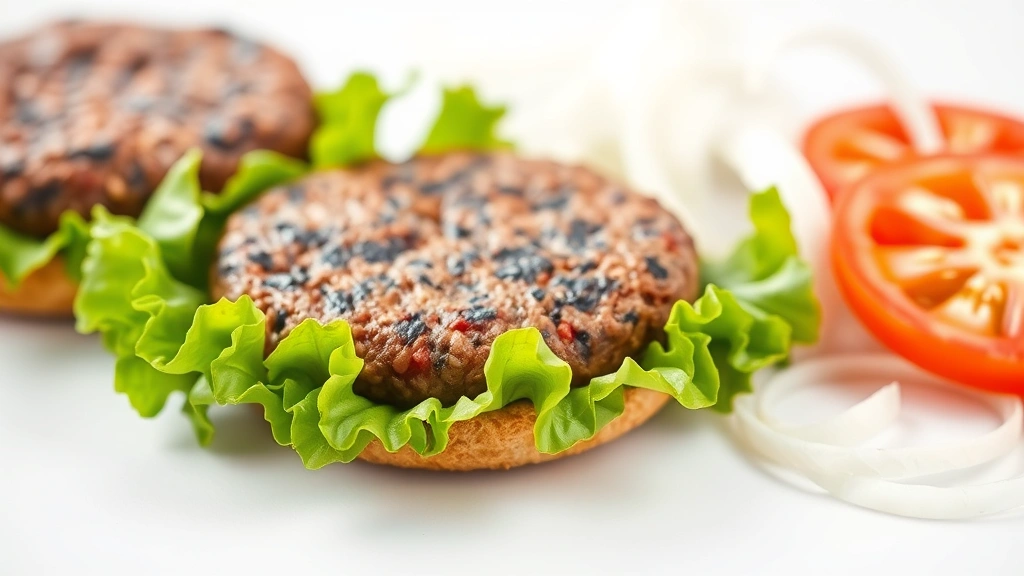
Lactose-intolerant individuals should avoid shakes and request no cheese on burgers, though In-N-Out’s standard burgers include cheese. This simple modification creates lactose-free options suitable for individuals with dairy sensitivities.
The Role of Frequency and Overall Dietary Context
Dietitian guidance on In-N-Out consumption emphasizes frequency rather than complete elimination. Occasional visits—monthly or quarterly—pose minimal health risks for most individuals and support dietary adherence through flexibility and enjoyment.
Conversely, weekly or more frequent consumption creates cumulative nutritional concerns. Regular sodium overload increases hypertension risk, excess caloric intake contributes to weight gain, and micronutrient deficiencies develop from limited vegetable and whole grain consumption.
The broader dietary context matters tremendously. An individual consuming In-N-Out occasionally while maintaining adequate fruits, vegetables, whole grains, and lean proteins throughout remaining meals faces different health implications than someone relying heavily on fast-casual meals.
Research from the National Center for Biotechnology Information demonstrates that dietary patterns matter more than individual food items. Occasional indulgences within otherwise nutritious dietary patterns produce negligible health impact, while habitual fast-casual consumption correlates with increased disease risk.
Lifestyle factors including physical activity, sleep quality, stress management, and hydration status interact with dietary choices in determining overall health outcomes. A fitness enthusiast consuming In-N-Out occasionally experiences different metabolic consequences than a sedentary individual with similar consumption patterns.
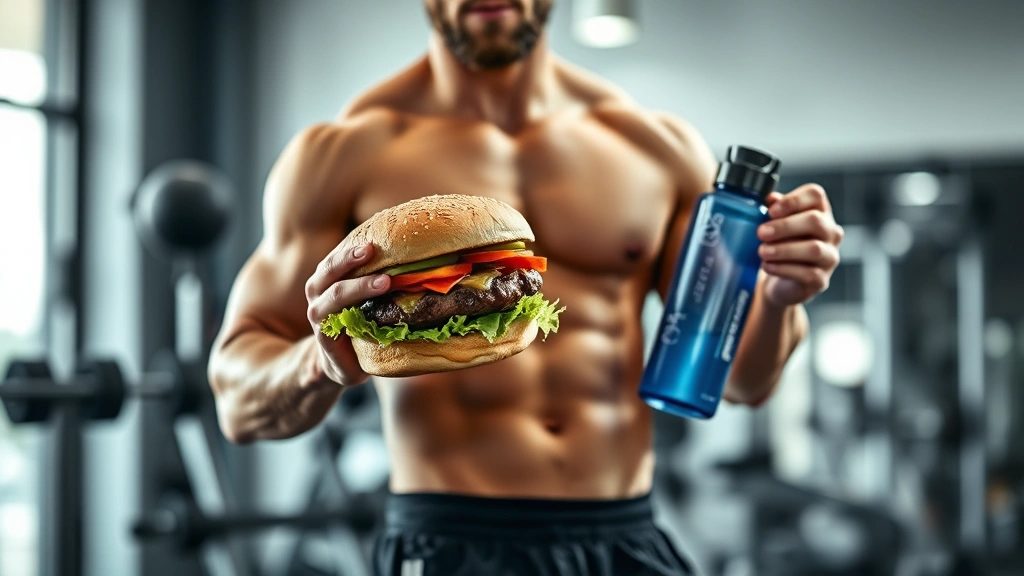
Dietitians increasingly recognize that rigid dietary restrictions often backfire, creating unsustainable patterns and psychological stress. Strategic flexibility allowing occasional preferred foods within an otherwise balanced dietary framework supports long-term adherence and psychological wellbeing.
What Recent Research Reveals About Fast-Casual Chains
Contemporary nutrition research increasingly examines fast-casual dining’s role in dietary patterns. Studies published in NIH-supported journals reveal that menu transparency and customization options significantly influence consumer choices. Chains offering detailed nutrition information and modification flexibility support healthier decision-making compared to those obscuring such details.
In-N-Out’s decision to provide complete nutrition information on-site and online demonstrates consumer-friendly transparency that dietitians appreciate. This accessibility enables informed decision-making and supports accountability in dietary tracking.
Emerging research on ultra-processed foods suggests that preparation method and ingredient quality matter beyond macronutrient composition. In-N-Out’s fresh preparation and minimally processed ingredients position it favorably compared to competitors relying heavily on frozen pre-made components, though this distinction requires contextualization within overall dietary patterns.
Behavioral economics research demonstrates that environmental cues, social factors, and established habits significantly influence food choices. Recognizing In-N-Out’s role as an occasional social experience rather than dietary staple supports psychologically sustainable approaches to fast-casual dining.
Practical Implementation: Dietitian Recommendations Summary
Based on comprehensive analysis, registered dietitian nutritionists typically recommend the following approach to In-N-Out consumption:
For general health maintenance: Occasional visits (monthly or less frequent) pose minimal health concerns. When visiting, order Single burgers in Protein Style with water, limiting fries or skipping entirely.
For weight management: Strategic caloric awareness becomes crucial. Calculate In-N-Out meals within daily caloric targets, potentially reducing other meals to accommodate higher-calorie fast-casual options. Protein Style burgers and water selections minimize caloric impact.
For cardiovascular health: Sodium reduction becomes paramount. Request minimal spread, skip fries, and avoid multiple burgers. Consider limiting visits to quarterly or semi-annual occasions for individuals managing hypertension or elevated cholesterol.
For athletic performance: Post-workout timing and overall macronutrient distribution matter more than In-N-Out’s specific contribution. Occasional use for convenience is acceptable; however, specialized post-workout nutrition typically provides superior carbohydrate-to-protein ratios.
For diabetes management: Protein Style burgers without sugary beverages represent reasonable choices. Monitor portion sizes and blood glucose responses individually, as metabolic responses vary considerably.
FAQ
Is In-N-Out considered healthy fast food?
In-N-Out represents a relatively higher-quality fast-casual option compared to traditional fast food, featuring fresh ingredients and transparent sourcing. However, “healthy” depends on context. Nutritionally, individual items contain substantial calories, sodium, and saturated fat. Occasional consumption within balanced dietary patterns poses minimal concerns, but regular consumption creates health risks for most individuals.
How much protein does In-N-Out provide?
A Double-Double contains 40 grams of protein, while a Single provides 16 grams. These amounts represent substantial protein contributions for individual meals. However, protein quality and overall meal composition matter alongside quantity.
Can I eat In-N-Out on a diet?
Yes, with strategic modifications. Protein Style burgers reduce carbohydrates significantly. Choosing Singles instead of Doubles cuts calories approximately in half. Skipping fries and selecting water instead of beverages dramatically reduces caloric and sodium intake. Occasional In-N-Out meals fit within most dietary approaches when balanced with overall daily intake.
What’s the sodium content in In-N-Out meals?
A Double-Double contains approximately 1,000 milligrams of sodium. Adding regular fries increases this to approximately 1,246 milligrams total. This represents over half the American Heart Association’s recommended daily limit in a single meal.
Are In-N-Out fries unhealthy?
In-N-Out fries contain 365 calories and 17 grams of fat per regular serving, primarily from cooking oil. While not containing trans fats, they represent a high-calorie, high-sodium addition. Limiting portions or skipping fries significantly improves meal nutritional profiles.
Does In-N-Out have vegetarian options?
In-N-Out lacks dedicated vegetarian protein sources. Grilled cheese represents the primary vegetarian option, though it provides limited nutritional value. Customizing burgers to remove meat and add vegetables creates technically vegetarian options, though these offer minimal protein and satiety.
How often can I eat In-N-Out?
Dietitians typically recommend occasional consumption—monthly or less frequently—for most individuals. Regular weekly consumption creates cumulative sodium overload, caloric excess, and micronutrient deficiencies. Individual factors including current health status, activity levels, and overall dietary patterns influence specific recommendations.


