In-N-Out Nutrition Facts: Dietitian Insights
In-N-Out Burger has built its reputation on simplicity, quality ingredients, and affordable fast food since 1948. However, when it comes to nutritional value, the chain presents a complex picture that deserves careful analysis. As a dietitian resource, understanding the In-N-Out nutritional information helps consumers make informed choices that align with their health goals. This guide breaks down the nutritional profile of their most popular menu items, examines the science behind their ingredients, and provides evidence-based recommendations for incorporating In-N-Out into a balanced diet.
The fast-food industry has evolved significantly, with major chains now required to disclose complete nutritional data. In-N-Out’s transparency about their menu allows us to evaluate not just calories, but sodium content, saturated fats, protein, and other key nutrients. Whether you’re a regular customer or occasional visitor, understanding these facts empowers you to make choices that support your wellness objectives.
Caloric Content and Energy Balance
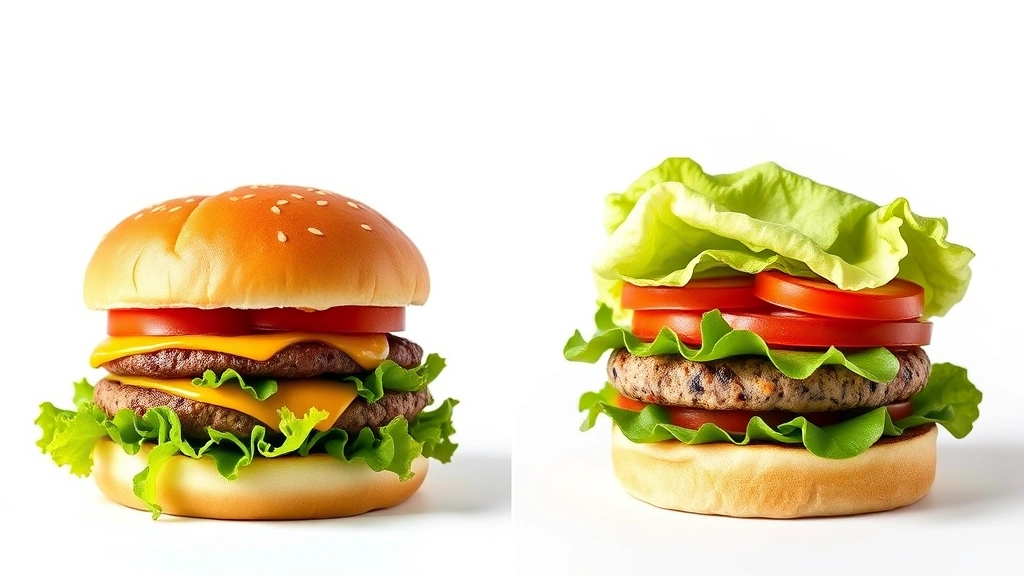
A classic In-N-Out Double-Double hamburger contains approximately 670 calories, making it a substantial portion of most people’s daily caloric intake. For context, the standard 2,000-calorie diet means a Double-Double represents roughly one-third of total daily energy needs. When combined with fries (395 calories for a regular order) and a beverage, a typical In-N-Out meal can exceed 1,100-1,300 calories in a single sitting.
The single burger option provides a more moderate 390 calories, offering flexibility for those monitoring intake. Protein-centric items like the Protein Style burger (lettuce-wrapped instead of bun) reduce carbohydrate load while maintaining satiety. According to American Heart Association dietary guidelines, understanding portion sizes and caloric density helps prevent unintended overconsumption.
Interestingly, In-N-Out’s menu simplicity means fewer variables than competitors offering 100+ items. This limitation can actually support better decision-making. When you visit our healthy nutrition plan guide, you’ll find that consistency in food choices facilitates tracking and accountability.
For athletes and individuals with higher caloric needs, In-N-Out burgers provide efficient energy delivery. The combination of carbohydrates (bun), protein (beef patty), and fat (cheese, sauce) creates a complete macronutrient profile suitable for post-workout recovery when consumed in appropriate quantities.
Sodium and Heart Health Considerations
Sodium content represents one of the most significant nutritional concerns with In-N-Out menu items. A Double-Double contains 1,000 milligrams of sodium—nearly 44% of the FDA’s recommended daily maximum of 2,300 mg. Add a regular order of fries (245 mg sodium) and total sodium climbs to 1,245 mg in a single meal, consuming more than half the daily allowance.
This elevated sodium content reflects industry-wide fast-food patterns. CDC nutritional data consistently shows that Americans consume approximately 3,400 mg sodium daily—nearly 50% above recommendations. Chronic excess sodium intake correlates with hypertension, cardiovascular disease, and kidney complications.
Individuals with specific health conditions—including hypertension, heart disease, or kidney disease—should exercise particular caution with In-N-Out’s standard menu. However, strategic ordering modifications can significantly reduce sodium impact. Requesting items prepared without salt, choosing protein style options, and limiting condiments can reduce sodium by 20-30% per meal.
Understanding how restaurant meals contribute to daily sodium totals matters for long-term health. Our article on nutrition and mental health discusses how dietary patterns influence overall wellness beyond simple caloric metrics.
Protein Quality and Muscle Support
In-N-Out’s beef patties deliver substantial protein content: a Double-Double provides 41 grams of protein, making it a legitimate muscle-building option. The protein comes from 100% beef patties with no fillers—a quality distinction that matters for muscle synthesis and satiety.
Protein quality depends on amino acid composition and digestibility. Beef provides all nine essential amino acids in optimal ratios for human nutrition. A single In-N-Out burger delivers approximately 15-20 grams of complete protein per patty, supporting muscle recovery and maintenance. For strength athletes requiring 1.6-2.2 grams protein per kilogram body weight, strategic In-N-Out consumption can contribute meaningfully to daily targets.
The protein-to-calorie ratio in In-N-Out items ranges from favorable (protein style burger at 15g protein per 240 calories) to moderate (Double-Double at 41g protein per 670 calories). Comparing this to other fast-food chains reveals competitive protein delivery, though portion sizes and preparation methods vary considerably.
Vegetarian customers face limitations, as In-N-Out offers no plant-based protein options on standard menus. However, the hidden menu includes grilled cheese and veggie burgers, though nutritional data for these items requires special calculation based on component substitution.
Fat Profile: Saturated vs. Unsaturated
Fat content in In-N-Out items warrants nuanced discussion. A Double-Double contains 41 grams total fat, with 20 grams from saturated sources. While saturated fat has received intense scrutiny in nutrition science, recent research from Harvard School of Public Health suggests the saturated fat narrative requires complexity beyond simple restriction.
The type of saturated fat matters significantly. Beef contains primarily stearic acid and palmitic acid—with stearic acid showing minimal cholesterol-raising effects in clinical studies. The context of overall diet, individual genetics, and lifestyle factors (exercise, sleep, stress) influence how saturated fat affects cardiovascular health.
In-N-Out’s preparation methods use high-quality beef without trans fats or hydrogenated oils. The fat profile includes naturally occurring cholesterol (approximately 100 mg per Double-Double) and fat-soluble vitamins including vitamin D and conjugated linoleic acid (CLA)—compounds with potential anti-inflammatory properties.
Balancing In-N-Out meals within a broader dietary pattern matters more than isolated item analysis. A person consuming a Double-Double plus vegetables, whole grains, and omega-3 rich foods throughout the day faces different health implications than someone consuming multiple In-N-Out meals daily. Visit our avocado nutrition guide to understand how nutrient-dense foods complement occasional fast-food consumption.
Hidden Menu Items and Nutritional Alternatives
In-N-Out’s “hidden menu” includes items not printed on standard menus, offering nutritional flexibility for informed customers. The Protein Style burger (lettuce-wrapped) eliminates the bun’s 150 calories and 25 grams carbohydrates while maintaining all protein and nutrient benefits. This modification appeals to low-carbohydrate dieters and those managing blood sugar.
The Flying Dutchman (two patties with two slices cheese, no bun) provides an extreme low-carbohydrate option: approximately 340 calories with 22g protein and only 1g carbohydrate. While useful for specific dietary approaches (ketogenic diets), this item’s 25g saturated fat warrants consideration within daily nutritional totals.
Animal Style modifications add grilled onions, extra sauce, and pickles, increasing flavor and micronutrient content (onions provide quercetin and other polyphenols). However, this customization adds approximately 100 calories and 200 mg additional sodium—factors to track when monitoring intake.
The Grilled Cheese option serves vegetarian customers with 480 calories and 19g protein. While less protein-dense than beef options, it provides a viable alternative for non-meat consumers. Ordering modifications like extra lettuce, tomato, and onion increase fiber and phytonutrient content without significant caloric addition.
Comparison with Competitors
Evaluating In-N-Out against competitors like McDonald’s, Burger King, and Wendy’s reveals interesting nutritional distinctions. In-N-Out’s Double-Double (670 calories, 41g protein) compares favorably to McDonald’s Double Quarter Pounder (750 calories, 49g protein) in caloric efficiency while delivering similar protein. However, sodium content exceeds McDonald’s equivalent by approximately 200mg.
Wendy’s Dave’s Single (570 calories, 30g protein, 1,100mg sodium) offers slightly lower caloric and sodium profiles with comparable protein. Burger King’s Whopper (660 calories, 28g protein, 1,000mg sodium) matches In-N-Out’s calories while delivering less protein—a significant nutritional disadvantage.
The critical distinction involves ingredient transparency and preparation quality. In-N-Out’s commitment to fresh, never-frozen beef and simple ingredients (no preservatives, fillers, or artificial additives) differentiates it nutritionally beyond macronutrient metrics. This quality factor influences bioavailability of nutrients and potential inflammatory responses.
For comprehensive dietary guidance, explore our nutrition blog comparing fast-food chains across multiple nutritional dimensions including micronutrients, additives, and preparation methods.
Strategies for Healthier Ordering
Strategic ordering transforms In-N-Out from indulgence into reasonable dietary component. First, choose single burgers instead of doubles: a single hamburger (390 calories, 16g protein, 580mg sodium) provides substantial nutrition with significantly reduced sodium and caloric load compared to Double-Double options.
Second, modify standard preparations. Request “Protein Style” (lettuce wrap) to eliminate refined carbohydrates while maintaining all other nutrients. Ask for “extra vegetables” (lettuce, tomato, onion, pickles) to increase fiber, vitamins, and satiety without caloric penalty. Request sauce on the side to control sodium and fat intake.
Third, reconsider beverage choices. In-N-Out’s regular soda provides 220 calories and 58 grams sugar per serving—equivalent to 14 teaspoons added sugar. Switching to unsweetened iced tea, water, or diet beverages eliminates these empty calories. This single modification reduces meal totals by 10-15% calorically while dramatically improving nutritional quality.
Fourth, incorporate side vegetables if dining with companions. While In-N-Out doesn’t offer salads or vegetable sides, purchasing from nearby retailers or consuming vegetables before/after meals increases micronutrient intake and fiber, supporting digestion and satiety. Learn more about digestive health in our article on improving digestion.
Fifth, establish frequency guidelines based on personal health goals. For weight management, limiting In-N-Out to 1-2 times monthly maintains flexibility while preventing regular sodium and caloric excess. For athletes, 1-2 weekly visits support performance nutrition when incorporated into broader training nutrition strategies.
Sixth, pay attention to meal timing. Consuming In-N-Out as post-workout nutrition (within 1-2 hours exercise completion) leverages high glycemic carbohydrates and protein for muscle recovery. Consuming same meal as late-night snack or in sedentary context provides less physiological benefit.
FAQ
How much sodium is in an In-N-Out burger?
A Double-Double contains 1,000mg sodium (44% daily value), while a single hamburger provides 580mg (25% daily value). These figures represent significant sodium loads given FDA recommendations of 2,300mg daily maximum.
Is In-N-Out protein good quality?
Yes. In-N-Out uses 100% beef with complete amino acid profiles. A Double-Double delivers 41g high-quality protein supporting muscle synthesis and recovery. Quality exceeds many competitors due to fresh, never-frozen preparation.
Can I eat In-N-Out on a diet?
Absolutely, with strategic modifications. Protein Style burgers, single patties, eliminated sugary beverages, and limited frequency integrate into caloric restriction. Focus on portion control and surrounding meals rather than complete elimination.
What’s the healthiest In-N-Out order?
Protein Style single hamburger (240 calories, 16g protein, 390mg sodium) with water represents optimal nutritional efficiency. Add vegetables if available to increase fiber and micronutrients without significant caloric increase.
Does In-N-Out use fresh or frozen beef?
In-N-Out uses fresh, never-frozen beef patties—a significant quality distinction. Fresh beef contains superior nutrient bioavailability compared to frozen alternatives, supporting better nutritional absorption.
How often can I eat In-N-Out?
Frequency depends on overall dietary patterns and health status. Generally, 1-2 visits monthly supports flexibility within balanced nutrition. Athletes or those with higher caloric needs may accommodate 1-2 weekly visits when properly integrated into training nutrition.
What about carbohydrates in In-N-Out items?
A Double-Double contains 40g carbohydrates (13% daily value), primarily from refined flour bun. Protein Style options reduce carbohydrate content to approximately 9g, benefiting low-carbohydrate dieters. Regular fries add 41g additional carbohydrates.


