Table of Contents
Introduction
Plant-based eating is everywhere these days—and for good reason. People are making the switch for their health, the planet, and ethical reasons that just feel right. But here’s something that might surprise you: one of the biggest concerns I hear from people diving into plant-based living isn’t about taste or satisfaction. It’s about iron. Specifically, “Am I getting enough?” Whether you’re already committed to a vegan lifestyle, dabbling in vegetarian meals, or just trying to eat more plants, understanding iron can be the difference between thriving and just getting by.
Here’s the thing about iron—your body absolutely needs it. We’re talking about the mineral that helps your blood carry oxygen to every single cell. Without enough iron, you feel tired, foggy, and just… off. Now, here’s where it gets tricky for plant eaters: the iron in plants (called non-heme iron) doesn’t get absorbed as easily as the iron in meat. This reality has left many people worried about iron deficiency, and honestly? Those concerns aren’t completely unfounded. But before you panic, know this: with the right knowledge and approach, you can absolutely meet your iron needs on a plant-based diet.
Take leafy greens and legumes, for example. These powerhouses pack serious amounts of iron. Kale deserves special mention here—this leafy green is practically a nutritional superhero with its iron content and bonus vitamins. If you want to really understand what you’re getting, check out these detailed nutrition facts about kale to see why it’s worth adding to your rotation. And when you’re building out your eating plan, having a solid healthy nutrition plan that includes various plant foods ensures you’re covering all your nutritional bases, not just iron.
Plant-based eating does require some attention to detail—I won’t sugarcoat that. Iron absorption is just one piece of the puzzle. You’ve also got to think about vitamin B12, which can be tricky to get enough of without animal products. Your blood health and brain function depend on it, so learning about vegan sources of vitamin B12 isn’t optional—it’s essential. When you get these fundamentals right, you’re not just avoiding problems like anemia and fatigue. You’re setting yourself up to actually feel amazing on plants.
But let’s zoom out for a second. Iron doesn’t exist in a vacuum in your body. How well you absorb and use iron depends on your overall nutritional picture—the vitamins and minerals you’re getting, how you combine foods, even when you eat certain things. Understanding how to maintain a balanced diet gives you the foundation for not just healthy iron levels, but better energy, clearer thinking, and stronger immunity. It’s all connected, and when you approach it holistically, plant-based living becomes so much easier.
What You’ll Learn in This Guide
This guide breaks down everything you need to know about getting plenty of iron from plants. We’ll cover why your body needs iron, which plant foods deliver the most, how to help your body actually absorb it, and what warning signs to watch for.
- Iron’s Importance and Functions: Understand iron’s role in oxygen transport, energy production, and immune system support. Learn why maintaining adequate iron levels is crucial for overall health.
- Top Iron-Rich Plant Foods: Discover the best plant-based sources of iron, including legumes, leafy greens, seeds, and nuts. Know how to select and incorporate these foods into your diet effectively.
- Maximizing Iron Absorption: Get practical tips to improve the bioavailability of plant-based iron. Learn about beneficial food pairings like vitamin C-rich foods and ways to avoid absorption inhibitors.
- Recognizing and Preventing Iron Deficiency: Identify early symptoms of iron deficiency, why it matters, and lifestyle strategies to maintain healthy iron levels and prevent anemia.
In the sections ahead, you’ll discover practical strategies that actually work for real people living real lives. We’re talking about creating meals that taste incredible while packing serious nutritional punch. No boring lectures about nutrients—just straightforward guidance on making plant-based iron work for your body and your taste buds.
I’ll walk you through the best iron sources and show you simple tricks to boost absorption that you can start using today. We’ll also cover the symptoms that might signal you need to pay more attention to your iron intake, plus preventive strategies to keep you feeling strong and energized. This isn’t just about avoiding deficiency—it’s about optimizing how you feel every single day.
Whether you’re brand new to plant-based eating or you’ve been at it for years but want to fine-tune your nutrition, you’re in the right place. Let’s dive into the world of iron-rich plants and discover how to fuel your body naturally, effectively, and deliciously.
So you’ve learned about iron-rich plant foods—but let’s talk about why this stuff actually matters. Iron isn’t just another nutrient to check off your list. It’s the difference between feeling energized and dragging yourself through the day. Whether you’re plant-based by choice or just looking for natural ways to boost your health, understanding iron’s role in your body changes everything. Think of it this way: iron is like the delivery truck for your bloodstream, and without enough drivers, nothing gets where it needs to go.
Why Iron is Critical for Your Body’s Function
Here’s what’s fascinating about iron—it’s basically your body’s oxygen delivery service. Every single red blood cell contains hemoglobin, and iron is what makes that hemoglobin work. Without enough iron? Your cells start gasping for oxygen like you’re running a marathon while breathing through a straw. The result is pretty predictable: you feel tired, your brain gets foggy, and even simple tasks feel harder than they should.
But here’s where it gets interesting. When your iron levels are solid, everything clicks. Your energy stays steady throughout the day. Your mind stays sharp. Your immune system stands ready to fight off whatever comes your way. It’s like having a well-oiled machine instead of one that’s constantly sputtering. Understanding the importance of balanced nutrition and its components alongside iron creates this foundation that supports everything else your body does.
Now, what happens when things go wrong? Iron deficiency doesn’t mess around. First comes the fatigue—that bone-deep tiredness that sleep doesn’t fix. Then your body starts making fewer red blood cells, leading to anemia. Suddenly, climbing stairs leaves you winded. Your immune system becomes sluggish, infections linger longer, and cuts take forever to heal. It’s your body’s way of saying “we need more fuel for the delivery trucks.” This is why getting iron from varied, strategic food choices matters so much. And when you combine this knowledge with insights about how nutrition influences mental health, you start seeing the bigger picture of how everything connects.
Key Functions of Iron in the Body
Let’s break down exactly what iron does for you—because once you see these connections, you’ll never take this mineral for granted again:
- Oxygen Transport: This is iron’s star role. It’s literally what allows your red blood cells to grab oxygen in your lungs and deliver it everywhere else. No iron means no efficient oxygen delivery, which explains why iron-deficient people feel exhausted.
- Energy Production and Cognitive Function: Iron helps create ATP—think of it as your cellular currency. With enough iron, your brain fires on all cylinders. You think clearly, remember better, and stay focused. Without it? Mental fog city.
- Immune Support: Your immune cells need iron to function properly. It’s like giving your body’s security team the tools they need to do their job. Low iron means slower healing and more frequent illnesses.
- Cellular Growth and Differentiation: Beyond just moving oxygen around, iron helps build and repair your body at the cellular level. It’s involved in DNA synthesis and keeping your tissues healthy and strong.
Once you understand how iron impacts every aspect of your health, the importance of maintaining good levels becomes crystal clear. This foundation sets us up perfectly for exploring how plant foods can meet these needs naturally and deliciously.
Knowing why iron matters is one thing. Recognizing when you’re not getting enough is another. The early warning signs—persistent fatigue, feeling cold all the time, unusual cravings for ice or starch—these are your body’s way of asking for help. Catching these signs early means you can make dietary changes before things get complicated. Ready to discover which plant foods can turn this around?
Top Iron-Rich Plant Foods to Include in Your Diet
Here’s where things get exciting—the plant kingdom is packed with iron-rich options that don’t require you to compromise your values or taste preferences. Whether you’re fully plant-based, flexitarian, or just want to eat more plants, there are incredible options waiting for you. The variety might surprise you: from hearty legumes to vibrant greens, crunchy seeds to ancient grains. Each brings its own nutritional benefits beyond just iron. Speaking of plant nutrition, diving into plant-based protein sources alongside iron-rich foods gives you a complete nutritional strategy.
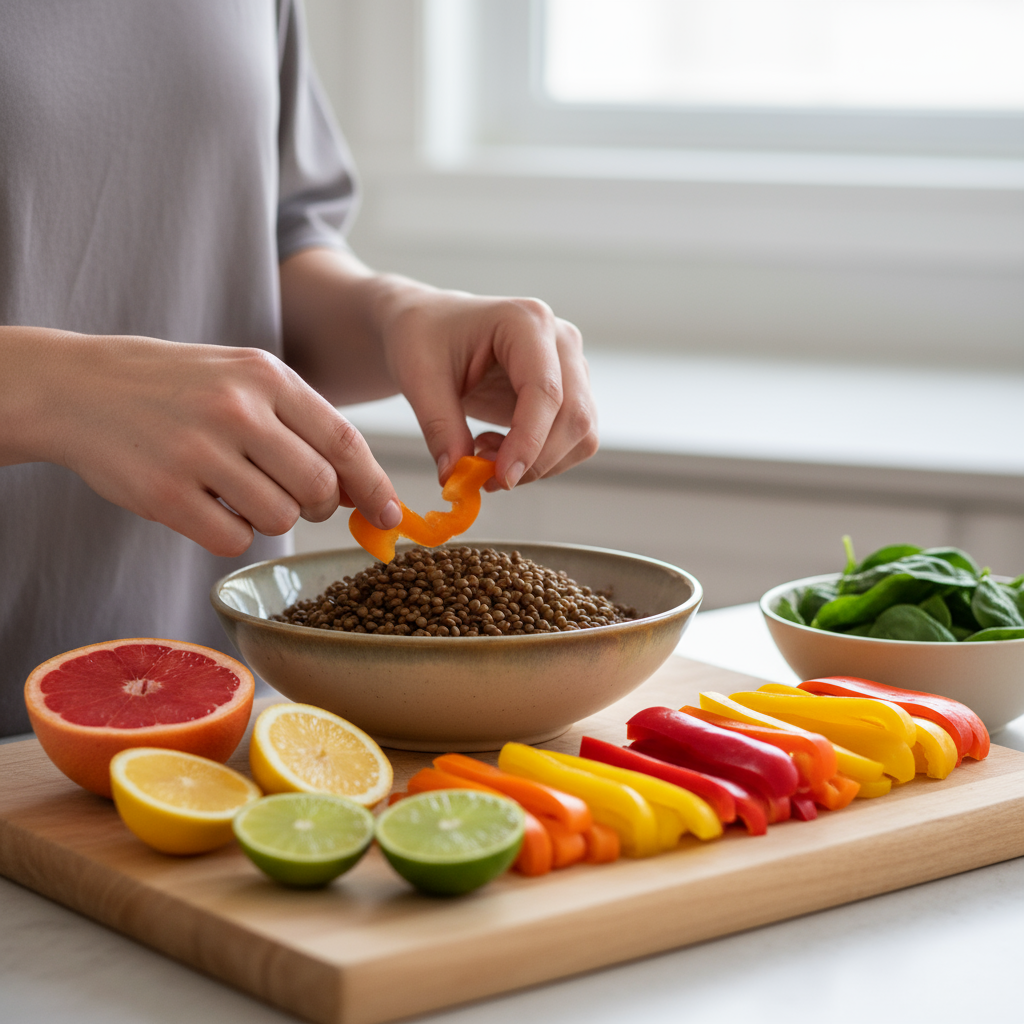
But here’s a pro tip that changes everything: it’s not just about eating iron-rich foods, it’s about eating them smart. Pair your iron-rich lentils with vitamin C from bell peppers or tomatoes, and suddenly your body absorbs way more iron. It’s like upgrading from dial-up to high-speed internet for your digestive system. This kind of strategic eating turns every meal into an opportunity to optimize your nutrition while enjoying seriously delicious food.
Key Categories of Iron-Rich Plant Foods
Ready to stock your kitchen with iron powerhouses? Here’s your shopping guide, organized to make meal planning a breeze:
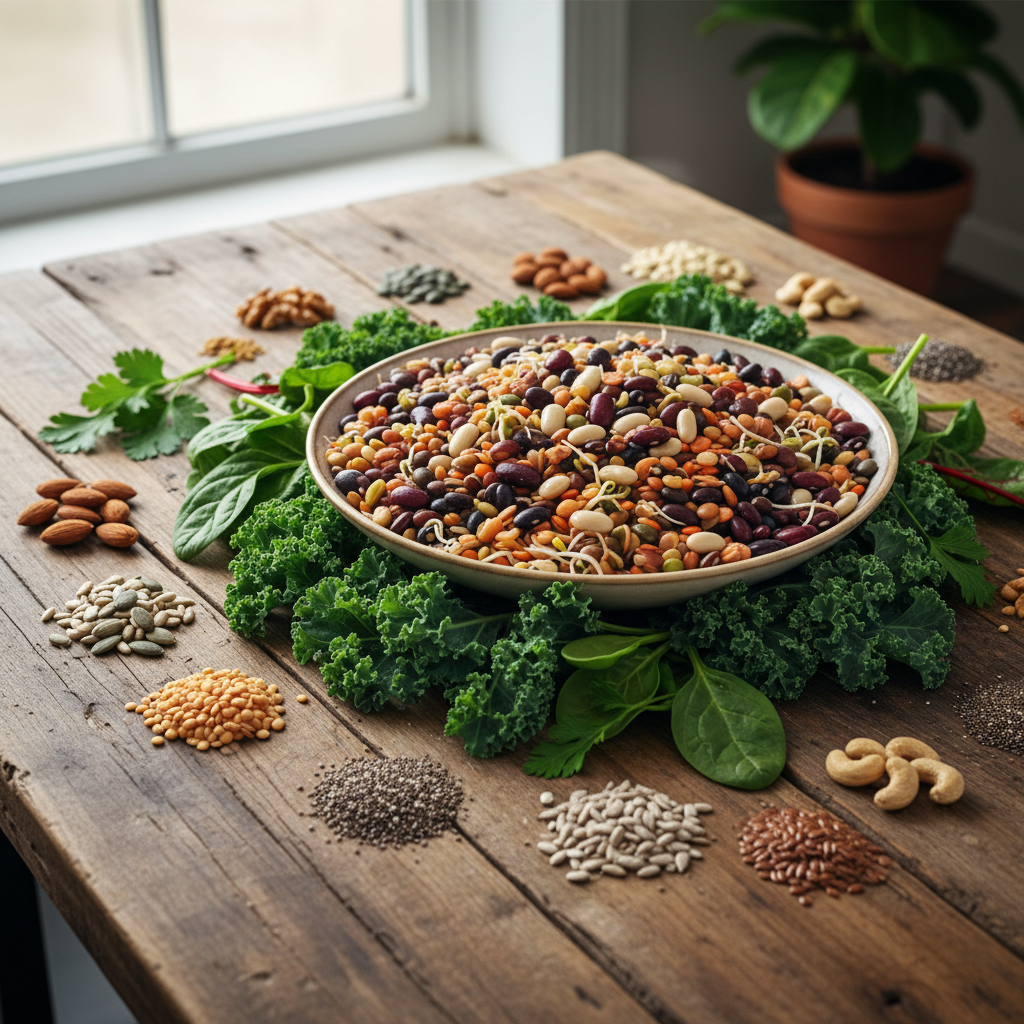
- Legumes: Lentils are your best friend here—red, green, black, they’re all iron champions. Chickpeas, kidney beans, black beans, navy beans—these aren’t just protein sources, they’re iron goldmines. Toss them in salads, blend them into soups, or make them the star of your dinner plate.
- Leafy Greens: Spinach might be the poster child, but don’t sleep on kale and Swiss chard. These greens pack iron alongside antioxidants and vitamins that work together like a nutritional dream team. Raw in salads, sautéed with garlic, or blended into smoothies—they’re incredibly versatile.
- Seeds and Nuts: Pumpkin seeds are iron superstars (plus they make great snacks). Sesame seeds, cashews, almonds—sprinkle them on everything. They bring healthy fats and minerals to the party while boosting your iron intake almost effortlessly.
- Whole Grains and Fortified Foods: Quinoa isn’t just trendy—it’s legitimately iron-rich. Same with amaranth and many fortified cereals. These add variety and substance to your meals while contributing meaningful amounts of iron to your daily total.
The beauty of these categories is how they work together. You’re not just getting iron—you’re building a diet rich in fiber, vitamins, and minerals that support your health from multiple angles. And when you understand principles like the benefits of antioxidant-rich foods, you start seeing how these choices create a foundation for long-term wellness that goes way beyond just avoiding deficiency.
Now that you know which plant foods pack the most iron punch, let’s talk strategy. Because knowing what to eat is only half the battle—the real magic happens when you learn how to maximize absorption and make these nutrients work for you.
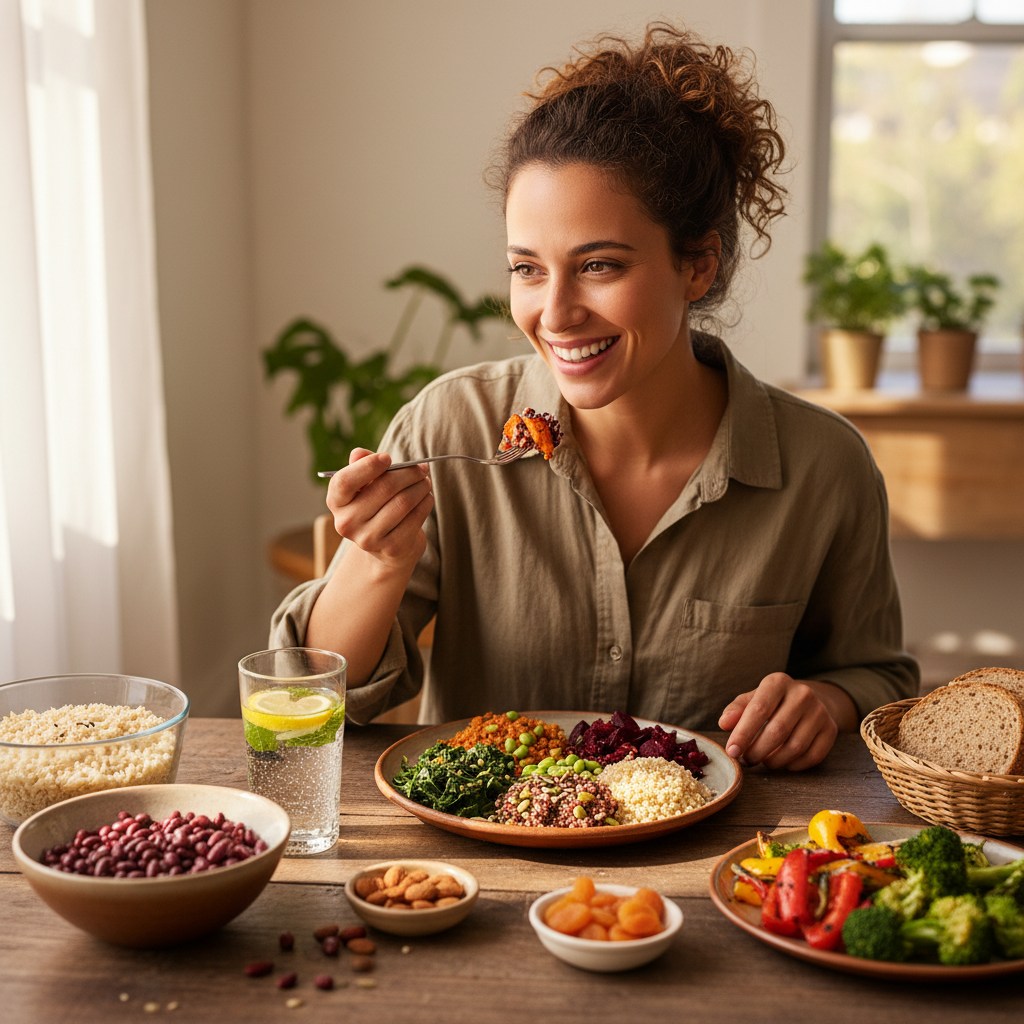
Here’s the thing about iron—your body absolutely needs it. We’re talking oxygen transport, energy production, brain function, and keeping your immune system strong. And yes, you can get plenty of it from plants! Despite what some people might tell you, a well-planned plant-based diet can deliver all the iron you need. Think lentils, chickpeas, spinach, kale, pumpkin seeds, and nuts. The catch? Plant iron (called non-heme iron) doesn’t get absorbed as easily as the iron from meat. But don’t worry—we’ve got strategies for that.
The secret is all about timing and pairing. Want to boost your iron absorption? Eat those iron-rich foods with vitamin C powerhouses like bell peppers, oranges, or strawberries. On the flip side, save your coffee and tea for between meals, not with them. Same goes for calcium supplements—they can interfere with iron uptake. Little tricks like soaking your beans overnight, sprouting seeds, or cooking in a cast iron pan can make a real difference too. And here’s something important: if you’re feeling constantly tired or getting sick more often than usual, your body might be telling you something about your iron levels.
Ready to take your nutrition game to the next level? Our healthy nutrition plan breaks down everything you need to know about eating well for life. Curious about how what you eat affects your mood and mental clarity? Check out our guide on nutrition and mental health—the connections might surprise you. And since you’re focusing on plants, don’t miss our complete guide to plant-based protein sources. Plus, if you want to supercharge your health even more, our resource on foods rich in antioxidants will show you how to fight inflammation naturally.
For the bigger picture, this external guide on how to maintain a balanced diet puts everything into perspective. Because at the end of the day, iron is just one piece of the puzzle. When you nail the balance, that’s when you really start feeling the difference—more energy, sharper thinking, better immunity.
You’ve got all the tools now. No more wondering if plant-based eating can give you enough iron—it absolutely can. Start paying attention to those food combinations, watch your timing with coffee and tea, and listen to your body. The energy boost, mental clarity, and stronger immune system that come with getting your iron right? They’re worth every bit of effort. Your future self will thank you for starting today.
Frequently Asked Questions
-
Can plant-based iron sources meet daily requirements?
- Yes, with careful dietary planning and absorption strategies, plant-based sources can provide sufficient iron to meet daily needs effectively.
-
Which plant foods have the highest iron content?
- Legumes like lentils, leafy greens such as spinach and kale, and seeds including pumpkin and sesame seeds are among the highest in plant-derived iron.
-
How can I increase iron absorption from plant foods?
- Pair iron-rich foods with vitamin C sources and avoid consuming inhibitors like coffee and tea during meals to maximize iron uptake.
-
What are the signs of iron deficiency?
- Common signs include persistent fatigue, weakness, pale skin, shortness of breath, and frequent infections.
-
When should I see a doctor for iron deficiency?
- If symptoms continue despite dietary changes, or if you experience severe fatigue and other related health issues, consult a healthcare professional for proper diagnosis and treatment.