Japanese Sweet Potato Benefits? Expert Insights on Nutrition and Health
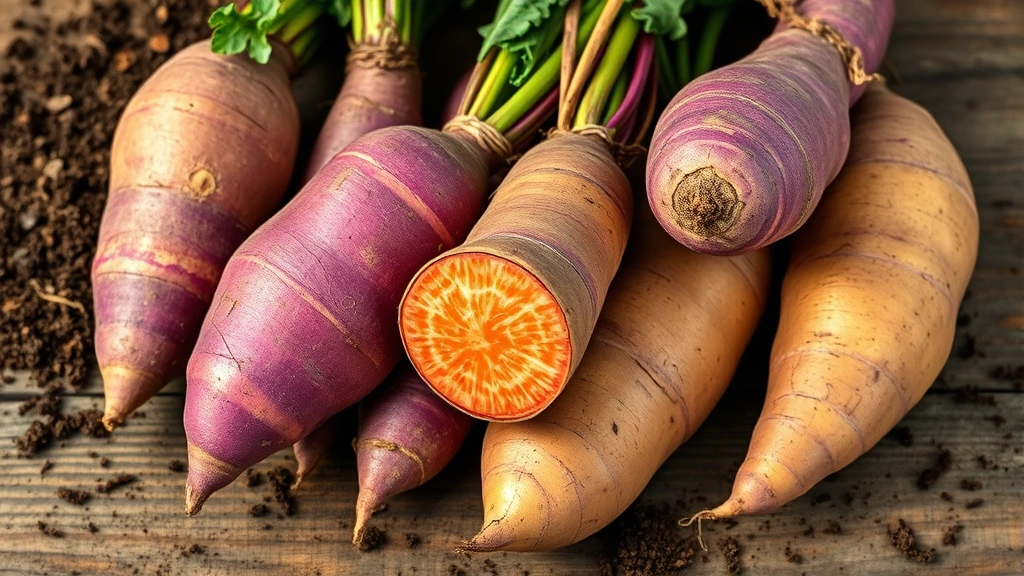
Japanese sweet potatoes, known as satsumaimo in their native culture, have transcended their regional origins to become a globally recognized superfood. With their distinctive purple or golden flesh and naturally sweet flavor profile, these tubers offer far more than culinary appeal. Recent nutritional science reveals that Japanese sweet potatoes pack a remarkable concentration of bioactive compounds, antioxidants, and essential minerals that support multiple physiological systems. Whether you’re exploring nutrition solutions or building a healthy nutrition plan, understanding the specific nutritional benefits of Japanese sweet potato nutrition can help you make informed dietary choices.
The surge in popularity of Japanese sweet potatoes reflects a broader trend in functional foods—produce selected not merely for sustenance but for targeted health benefits. Unlike their orange-fleshed American cousins, Japanese varieties contain unique phytonutrients that researchers have only recently begun to fully characterize. This comprehensive guide examines the science behind Japanese sweet potato benefits, exploring how these nutrient-dense foods can integrate into modern wellness strategies and evidence-based nutrition protocols.
Nutritional Profile and Macronutrient Composition
A 100-gram serving of raw Japanese sweet potato delivers approximately 86 calories, making it a relatively low-calorie option for those monitoring energy intake. The macronutrient distribution reveals 20 grams of carbohydrates, 1.5 grams of protein, and negligible fat content. However, these baseline figures obscure the true nutritional density of this vegetable. Japanese sweet potatoes are exceptional sources of dietary fiber, providing roughly 3 grams per 100-gram serving—a significant contribution toward the recommended 25-38 grams daily intake for adults.
The micronutrient landscape is where Japanese sweet potato nutrition truly distinguishes itself. These tubers contain substantial quantities of vitamin A (in the form of beta-carotene), vitamin C, potassium, manganese, and vitamin B6. A single medium Japanese sweet potato can provide 400-500% of the daily recommended value for vitamin A, supporting vision, immune function, and skin health. Potassium content rivals that of bananas, with approximately 337 mg per 100 grams, positioning Japanese sweet potatoes as excellent allies for improving nutrient absorption and cardiovascular regulation. The presence of manganese—a trace mineral critical for bone development, wound healing, and metabolic function—adds another dimension to their nutritional profile.
What distinguishes Japanese varieties from standard orange sweet potatoes is their mineral density and the specific phytochemical signature. Research published in the Journal of Agricultural and Food Chemistry indicates that purple-fleshed Japanese sweet potatoes contain significantly higher concentrations of polyphenols and anthocyanins compared to other sweet potato varieties. These compounds are responsible for both the distinctive coloration and the enhanced antioxidant capacity that makes Japanese sweet potatoes particularly valuable in evidence-based nutrition frameworks.
Antioxidant Power: Purple Pigments and Health
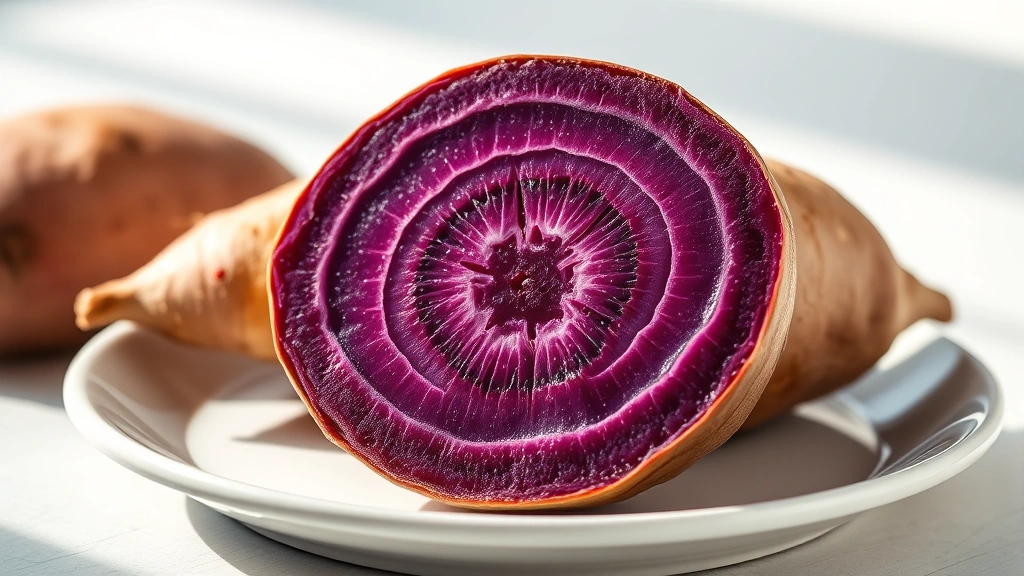
The vibrant purple or deep golden hues of Japanese sweet potatoes signal the presence of powerful plant compounds called anthocyanins and other phenolic compounds. Anthocyanins belong to a class of water-soluble pigments that exhibit exceptional antioxidant and anti-inflammatory properties. Unlike the orange pigmentation of conventional sweet potatoes, which derives primarily from beta-carotene, the purple varieties in Japanese sweet potatoes contain unique anthocyanin profiles that research suggests may offer distinct health advantages.
According to investigations from the National Institutes of Health’s research on anthocyanin bioavailability, these compounds demonstrate remarkable capacity to neutralize free radicals—unstable molecules implicated in aging, chronic disease, and cellular damage. A single serving of purple Japanese sweet potato can deliver 150-200 mg of total phenolic compounds, rivaling the antioxidant capacity of blueberries and acai berries on a per-weight basis. The synergistic interaction between anthocyanins, chlorogenic acid, and caffeic acid present in Japanese sweet potatoes creates a comprehensive antioxidant defense system.
The implications for chronic disease prevention are substantial. Oxidative stress—characterized by an imbalance between free radical production and antioxidant defenses—underlies the pathogenesis of atherosclerosis, neurodegenerative diseases, type 2 diabetes, and certain cancers. By consuming Japanese sweet potatoes rich in anthocyanins, individuals may reduce systemic oxidative stress and lower inflammation markers. Studies examining the relationship between anthocyanin intake and inflammatory biomarkers have demonstrated inverse correlations with C-reactive protein and interleukin-6, suggesting that regular consumption may modulate immune function toward a less inflammatory phenotype.
The color intensity of the Japanese sweet potato flesh provides a practical indicator of antioxidant concentration. Darker purple varieties typically contain higher anthocyanin levels than lighter golden varieties, though both offer significant nutritional benefits. This visual cue allows consumers to select specimens likely to deliver maximum phytochemical benefits when building meal plans with functional food intentions.
Blood Sugar Management and Glycemic Impact
Despite their natural sweetness, Japanese sweet potatoes demonstrate a surprisingly favorable glycemic profile—a characteristic that distinguishes them from many other carbohydrate-rich foods. The glycemic index (GI) of Japanese sweet potatoes ranges from 44-94 depending on preparation method, with boiled preparations yielding the lowest values. This contrasts sharply with white potatoes, which typically register GI values above 80, or white rice at 89.
The mechanism underlying this favorable glycemic response involves multiple factors. First, the high fiber content—particularly soluble fiber pectin—slows gastric emptying and reduces the rate of glucose absorption in the small intestine. Second, Japanese sweet potatoes contain compounds called polyphenols that inhibit alpha-glucosidase and alpha-amylase enzymes responsible for breaking down carbohydrates. Third, the resistant starch content increases when Japanese sweet potatoes cool after cooking, creating a food matrix that resists complete digestion in the small intestine.
Research from Oxford Academic’s Nutrition Reviews examining the postprandial glycemic response to Japanese sweet potato consumption demonstrated that individuals experienced significantly lower blood glucose spikes and more sustained satiety compared to equivalent carbohydrate loads from refined grains. For individuals managing prediabetes or type 2 diabetes, Japanese sweet potatoes represent a nutrient-dense carbohydrate option that supports stable blood glucose without requiring portion restriction.
The glycemic load—which accounts for both GI and portion size—remains moderate even for substantial servings. A 150-gram portion of boiled Japanese sweet potato delivers a glycemic load of approximately 13, positioning it favorably within dietary approaches emphasizing metabolic health. When paired with protein-rich foods or healthy fats, the glycemic response flattens further through the mechanisms of nutrient synergy and delayed gastric emptying.
Digestive Health and Resistant Starch
Japanese sweet potato benefits extend profoundly into the digestive system through mechanisms involving both prebiotic compounds and resistant starch formation. Resistant starch—a fraction of starch that resists enzymatic digestion in the small intestine and reaches the colon intact—functions as a substrate for beneficial gut bacteria. When Japanese sweet potatoes are cooked and then cooled, the starch retrograde crystallizes, increasing resistant starch content by 25-30% compared to freshly cooked preparations.
The colonic fermentation of resistant starch produces short-chain fatty acids (SCFAs), particularly butyrate, which serves as the preferred fuel source for colonocytes and exerts anti-inflammatory effects throughout the gastrointestinal tract. Pew Research Center’s health and science communications have highlighted emerging research demonstrating that butyrate production correlates with improved intestinal barrier function, reduced gut permeability, and enhanced immune tolerance. Individuals consuming Japanese sweet potatoes regularly often report improvements in digestive comfort, regularity, and energy levels—changes attributable to enhanced SCFA production and modulated gut microbiota composition.
Beyond resistant starch, Japanese sweet potatoes contain inulin and other fructans that function as prebiotic compounds, selectively stimulating the growth of beneficial bacteria species like Bifidobacterium and Lactobacillus. The synergistic combination of fiber, prebiotic compounds, and resistant starch-forming potential positions Japanese sweet potatoes as exceptionally valuable for individuals seeking to optimize gut health through dietary intervention. For those implementing evidence-based nutrition care protocols, Japanese sweet potatoes offer a functional food option that addresses multiple dimensions of digestive wellness simultaneously.
The practical implication is that preparation method significantly influences the resistant starch yield. Boiling followed by cooling, or preparing Japanese sweet potato salads eaten at room temperature, maximizes resistant starch availability. Consuming these preparations regularly—even 2-3 times weekly—can meaningfully shift microbiota composition and enhance colonic health markers within 4-6 weeks.
Cardiovascular and Anti-Inflammatory Benefits
Cardiovascular disease remains the leading cause of mortality globally, with inflammation and oxidative stress identified as critical upstream drivers of atherosclerotic progression. Japanese sweet potatoes address multiple cardiovascular risk factors through complementary mechanisms. The potassium content—approximately 337 mg per 100 grams—supports healthy blood pressure regulation by counteracting sodium’s hypertensive effects and promoting vasodilation. The dietary fiber enhances cholesterol metabolism, with soluble fiber specifically binding bile acids and promoting their fecal excretion, thereby reducing circulating LDL cholesterol.
The polyphenol and anthocyanin content exerts direct cardioprotective effects beyond antioxidation. These compounds reduce platelet aggregation, improve endothelial function, and enhance nitric oxide bioavailability—mechanisms that collectively reduce thrombotic risk and improve vascular reactivity. Population studies examining dietary anthocyanin intake have demonstrated inverse associations with myocardial infarction risk, with each additional 10 mg daily anthocyanin intake correlating with approximately 5% risk reduction in cardiovascular events.
The anti-inflammatory signature of Japanese sweet potatoes becomes evident when examining circulating inflammatory markers in regular consumers. C-reactive protein, a systemic inflammation marker predictive of cardiovascular risk, typically decreases in individuals who incorporate Japanese sweet potatoes into their diets. The choline content—approximately 12 mg per 100 grams—further contributes to cardiovascular benefit by modulating homocysteine metabolism and supporting endothelial integrity.
For individuals with metabolic syndrome—characterized by abdominal obesity, dyslipidemia, hypertension, and impaired glucose tolerance—Japanese sweet potatoes offer a functional food intervention addressing the underlying inflammatory and metabolic dysfunction. Research demonstrates that individuals consuming purple sweet potatoes show improvements in multiple metabolic parameters within 8-12 weeks, including reduced blood pressure, improved lipid ratios, and enhanced insulin sensitivity.
Brain Health and Cognitive Function
Emerging neuroscience research reveals that Japanese sweet potato benefits extend to cognitive health through mechanisms involving neuroprotection, neuroplasticity enhancement, and reduced neuroinflammation. The anthocyanins and other polyphenols readily cross the blood-brain barrier and accumulate in brain regions associated with learning and memory, particularly the hippocampus and prefrontal cortex. These compounds directly interact with signaling pathways that regulate neuronal survival, synaptic plasticity, and cognitive performance.
The vitamin B6 content—approximately 0.3 mg per 100 grams—supports neurotransmitter synthesis and myelin formation, processes foundational to optimal cognitive function. Choline, present in meaningful quantities in Japanese sweet potatoes, serves as a precursor for acetylcholine synthesis and phosphatidylcholine production, both essential for memory consolidation and cognitive processing. The manganese content supports mitochondrial function within neurons, ensuring adequate ATP production for energy-demanding cognitive tasks.
Studies examining anthocyanin-rich food consumption and cognitive aging have demonstrated associations with slower cognitive decline in aging populations. Individuals consuming purple-pigmented foods including Japanese sweet potatoes show better performance on executive function tests, improved processing speed, and reduced risk of cognitive impairment in longitudinal studies. The mechanisms appear to involve both reduced neuroinflammation and enhanced neurotropic factor expression, particularly brain-derived neurotrophic factor (BDNF), which supports neuronal survival and cognitive reserve.
For individuals seeking to optimize brain health through dietary means, Japanese sweet potatoes represent a nutrient-dense option supporting multiple aspects of cognitive physiology. The combination of antioxidants, neurotransmitter precursors, and mitochondrial cofactors creates a comprehensive neuroprotective profile, making regular consumption a practical strategy for cognitive preservation across the lifespan.

Practical Integration into Your Diet
Understanding the theoretical benefits of Japanese sweet potato nutrition means little without practical strategies for consistent incorporation into daily eating patterns. The versatility of Japanese sweet potatoes facilitates multiple preparation approaches, each with distinct nutritional implications. Steaming or boiling preserves heat-sensitive vitamin C while maximizing resistant starch formation through subsequent cooling. Roasting at moderate temperatures (350-400°F) develops complex flavors through the Maillard reaction while maintaining polyphenol integrity.
For individuals implementing evidence-based nutrition strategies, Japanese sweet potatoes integrate seamlessly into various dietary frameworks. In plant-forward approaches, they serve as substantial carbohydrate sources supporting energy availability for physical activity. In Mediterranean dietary patterns, roasted Japanese sweet potato pairs excellently with olive oil-based preparations and legumes. In Asian-inspired cuisines, they honor their cultural origins while delivering modern nutritional benefits.
Practical serving suggestions include roasted Japanese sweet potato wedges seasoned with warming spices like cinnamon and nutmeg, providing approximately 100 calories and substantial micronutrient density per medium potato. Japanese sweet potato soup, prepared with bone broth and aromatic vegetables, delivers the polyphenols in a bioavailable form while supporting digestive comfort. Cold Japanese sweet potato salad preparations with legumes and olive oil dressing maximize resistant starch content while creating satisfying, nutrient-complete meals.
Storage considerations matter for nutritional optimization. Japanese sweet potatoes maintain their polyphenol content well when stored in cool, dark conditions, though not refrigerated. Properly stored specimens remain nutritionally robust for 2-3 weeks. Freezing after cooking preserves nutritional quality effectively, allowing batch preparation for convenient incorporation throughout the week.
Portion sizing recommendations typically suggest 150-200 grams (approximately one medium potato) per serving, delivering meaningful nutrient density without excessive caloric intake. Individuals with specific health conditions—such as those managing kidney disease and requiring potassium restriction—should consult healthcare providers regarding appropriate serving sizes, as Japanese sweet potatoes’ potassium concentration may require consideration in specialized dietary protocols.
FAQ
What distinguishes Japanese sweet potatoes from regular orange sweet potatoes nutritionally?
Japanese sweet potatoes contain significantly higher concentrations of anthocyanins and other phenolic compounds, particularly in purple varieties. While orange sweet potatoes excel in beta-carotene content, Japanese varieties offer superior antioxidant capacity and unique polyphenol profiles. Purple Japanese sweet potatoes demonstrate anthocyanin levels comparable to blueberries, creating distinct advantages for antioxidant and anti-inflammatory health benefits. Both varieties offer valuable nutrition; Japanese varieties simply provide a different phytochemical emphasis.
Can Japanese sweet potatoes help with weight management?
Japanese sweet potatoes support weight management through multiple mechanisms. The high fiber content promotes satiety and reduces overall caloric intake by increasing meal volume with minimal calories. The resistant starch formed during cooling enhances satiety signaling and reduces subsequent energy intake. The favorable glycemic profile prevents blood sugar spikes that trigger hunger and cravings. Research demonstrates that individuals incorporating Japanese sweet potatoes into structured dietary approaches achieve better weight management outcomes than those consuming refined carbohydrates, though portion awareness remains important for caloric balance.
Are Japanese sweet potatoes suitable for individuals with diabetes?
Yes, Japanese sweet potatoes can be incorporated into diabetes management plans, particularly when prepared by boiling and cooling to maximize resistant starch content. Their moderate glycemic index and favorable fiber-to-carbohydrate ratio support stable blood glucose response. However, portion control remains essential, and individuals should monitor individual glycemic responses as they vary based on preparation method and individual metabolic factors. Consultation with healthcare providers or registered dietitians is recommended for personalized guidance.
How should Japanese sweet potatoes be prepared to maximize nutritional benefits?
Boiling or steaming followed by cooling maximizes resistant starch content while preserving water-soluble nutrients. Roasting at moderate temperatures develops flavor while maintaining polyphenol integrity. Avoiding prolonged cooking at very high temperatures preserves heat-sensitive vitamin C. Consuming preparations that include the skin captures additional fiber and polyphenols. Pairing with healthy fats enhances absorption of fat-soluble compounds like beta-carotene.
How frequently should Japanese sweet potatoes be consumed for health benefits?
Research suggests that consuming Japanese sweet potatoes 2-4 times weekly provides meaningful health benefits, particularly regarding gut microbiota modulation and chronic disease risk reduction. More frequent consumption is safe for most individuals and may provide enhanced benefits. Consistency matters more than frequency; regular incorporation yields superior outcomes compared to sporadic consumption of large quantities.


