KFC Nutrition Facts: Dietitian Insight
KFC remains one of the most popular fast-food chains globally, serving millions of customers daily with its signature fried chicken and sides. However, understanding KFC nutritional information is essential for making informed dietary choices, especially if you’re a regular patron. This comprehensive guide breaks down the nutritional profile of KFC menu items, helping you navigate calorie counts, sodium levels, protein content, and other key macronutrients from a registered dietitian’s perspective.
Whether you’re managing specific health conditions, following a particular diet plan, or simply curious about what you’re consuming, knowing the facts about KFC’s offerings empowers you to make choices aligned with your wellness goals. We’ll examine everything from their famous Original Recipe chicken to healthier alternatives, providing you with evidence-based insights to optimize your fast-food selections.

Understanding KFC’s Nutritional Landscape
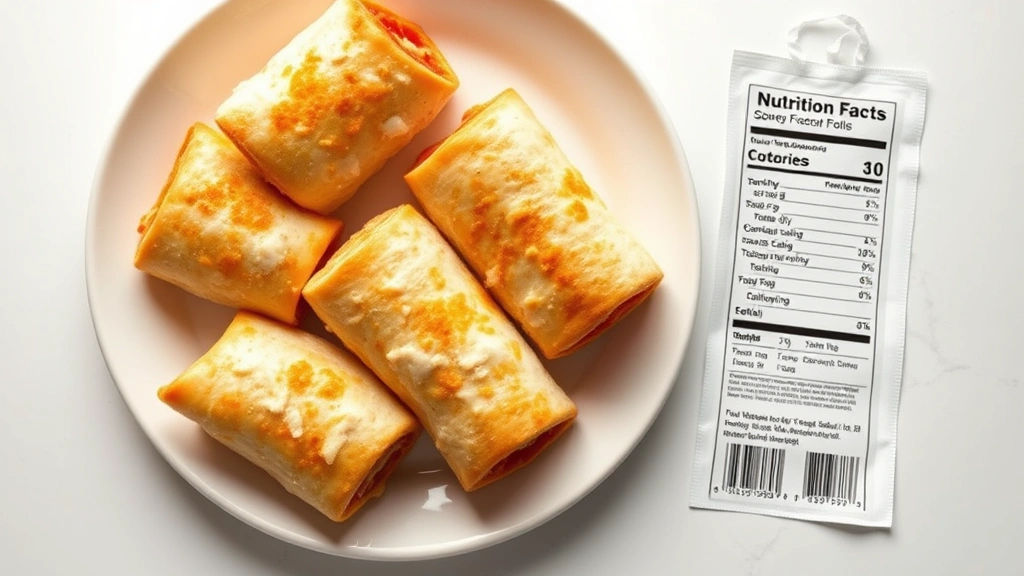
KFC’s menu has evolved significantly over the past decade, with the chain responding to growing consumer demand for nutritional transparency. The company now provides detailed nutritional information for all menu items, accessible through their official website and mobile application. This transparency allows customers to make data-driven decisions rather than guessing about caloric and nutritional content.
From a dietitian’s perspective, KFC presents both challenges and opportunities. The primary challenge involves the cooking method—deep frying adds substantial calories and fat to menu items. However, KFC also offers grilled options, salads, and lighter sides that can fit into balanced eating patterns. Understanding these options requires knowledge of portion sizes, preparation methods, and how individual items contribute to daily nutritional goals.
The key to navigating any fast-food establishment, including KFC, is adopting what nutrition professionals call “mindful ordering.” This involves checking nutritional data beforehand, understanding your personal dietary needs, and making strategic selections that align with your healthy nutrition plan. KFC’s transparency makes this approach entirely feasible.

Calorie Content Across Menu Categories
Calories represent the fundamental energy unit in nutrition, and understanding KFC’s caloric offerings is the foundation for dietary awareness. A single piece of KFC’s Original Recipe chicken breast contains approximately 320 calories, while a thigh piece contains around 290 calories. These numbers seem reasonable in isolation but require context within daily caloric intake.
The challenge emerges when considering complete meals. A typical KFC bucket meal—combining fried chicken pieces, a side (often fries or mashed potatoes), and a beverage—can easily exceed 1,500 calories, representing 75% of a 2,000-calorie daily diet for some individuals. This concentration of calories in a single meal leaves minimal room for other nutritional needs throughout the day.
KFC’s grilled chicken options present a significantly different caloric profile. A grilled chicken breast contains approximately 180 calories, roughly 44% fewer than its fried counterpart. This substantial difference demonstrates how cooking method directly impacts nutritional value. When paired with vegetable-based sides and water instead of sugary beverages, grilled chicken meals can align with moderate caloric intake goals.
Sides present another critical consideration. KFC’s famous mashed potatoes with gravy contain roughly 120 calories per serving, while their mac and cheese reaches approximately 370 calories per serving. Corn on the cob offers a lighter alternative at around 150 calories, providing fiber alongside carbohydrates. Understanding these variations allows for strategic meal composition.
According to CDC nutrition data, fast-food consumption contributes significantly to excess caloric intake in American diets. Being aware of specific calorie counts helps mitigate this trend when occasional fast-food consumption becomes necessary.
Sodium and Heart Health Considerations
Sodium represents one of KFC’s most significant nutritional concerns from a public health perspective. A single piece of Original Recipe chicken contains approximately 320-380 milligrams of sodium, depending on the specific cut. When considering that the American Heart Association recommends a maximum of 2,300 milligrams daily—with an ideal limit of 1,500 milligrams for heart health—even a modest KFC meal can consume a substantial portion of daily sodium allowance.
A complete KFC meal combining chicken, sides, and a beverage can easily contain 1,500-2,000 milligrams of sodium. For individuals managing hypertension, heart disease, or kidney conditions, this single meal represents problematic sodium consumption. Heart health research consistently links excessive sodium to elevated blood pressure and increased cardiovascular disease risk.
Dietitians working with clients who have hypertension typically advise limiting fast-food consumption or selecting the lowest-sodium options available. KFC’s grilled chicken pieces contain slightly less sodium than fried varieties, though the difference remains modest. Sides like corn on the cob and house salads (without dressing) provide lower-sodium alternatives to traditional offerings.
For individuals requiring sodium restriction, preparation becomes critical. Choosing grilled proteins, requesting dressing on the side for salads, and avoiding processed sides can reduce sodium content significantly. Some locations may prepare items with reduced salt upon request, though consistency across franchises varies.
Protein Quality and Muscle Support
Protein represents one of KFC’s nutritional strengths, particularly for individuals focused on muscle maintenance and recovery. A single piece of Original Recipe chicken breast provides approximately 32 grams of protein, meeting substantial daily requirements for this essential macronutrient. This protein content positions KFC chicken as a legitimate source of amino acids necessary for muscle synthesis and tissue repair.
The quality of protein matters significantly in nutrition science. KFC’s chicken provides complete protein, containing all nine essential amino acids necessary for human health. This complete amino acid profile distinguishes poultry from plant-based proteins, which often require combining multiple sources to achieve completeness. For individuals following nutrition for athletes and performance optimization, KFC chicken offers practical convenience.
However, protein quality extends beyond amino acid composition to digestibility and nutrient density. Fried preparation methods don’t significantly impact protein quality but do add calories and fat that may complicate nutritional goals. Grilled chicken maintains identical protein content while reducing overall caloric and fat burden, making it the superior choice for protein-focused nutrition.
A complete KFC meal typically provides 40-60 grams of protein depending on portion size and selections, which exceeds the recommended dietary allowance (RDA) of 0.8 grams per kilogram of body weight for most adults. This excessive protein isn’t inherently problematic for healthy individuals but becomes concerning for those with kidney disease or specific medical conditions.
Fat Profiles and Dietary Impact
Fat content represents the most complex nutritional aspect of KFC menu items, requiring understanding of fat types and their physiological effects. KFC’s Original Recipe chicken breast contains approximately 17 grams of total fat, with roughly 4.5 grams representing saturated fat. Saturated fat consumption remains a central concern in cardiovascular health discussions.
Research published by the American Heart Association indicates that saturated fat intake should remain below 5-6% of total daily calories, translating to approximately 11-13 grams for a 2,000-calorie diet. A single KFC meal can easily consume 30-40% of this daily saturated fat allowance, leaving minimal room for other dietary sources.
Trans fats represent another critical consideration. While KFC has reformulated many products to eliminate artificial trans fats, fried foods inherently contain small amounts of naturally occurring trans fats produced during high-temperature cooking. These fats remain particularly concerning for cardiovascular health, with research suggesting they should comprise less than 1% of daily calories.
The distinction between saturated and unsaturated fats matters significantly. KFC’s grilled chicken options reduce overall fat content while maintaining similar saturated fat levels per unit protein. Choosing grilled preparations paired with vegetable-based sides creates a more balanced fat profile within meals.
Cholesterol content also warrants attention. Chicken skin—present in KFC’s Original Recipe—contains concentrated cholesterol. A single piece can contain 75-85 milligrams of cholesterol, representing 25-28% of the recommended daily limit. Individuals managing cholesterol levels should prioritize skinless options or grilled preparations when available.
Making Healthier Choices at KFC
Strategic menu selection at KFC requires understanding preparation methods, portion sizes, and nutritional trade-offs. From a dietitian perspective, several evidence-based approaches optimize KFC dining experiences within health-conscious frameworks.
Prioritize Grilled Over Fried: This represents the most impactful single decision. Grilled chicken reduces calories by 40-50% compared to fried preparations while maintaining protein content. The taste difference remains minimal for many consumers, making this substitution highly practical.
Select Vegetable-Based Sides: Corn on the cob provides approximately 150 calories with beneficial fiber content. House salads (with dressing on the side) offer nutrient density with minimal caloric burden. These choices contrast sharply with mac and cheese (370 calories) or biscuits (180 calories per item).
Control Portion Sizes: Individual pieces rather than buckets prevent overconsumption. A single grilled chicken breast with corn and water represents a balanced 400-calorie meal—substantially different from a bucket meal exceeding 1,500 calories.
Beverage Selection Matters: Sugary soft drinks add 140-180 calories per serving with zero nutritional value. Water, unsweetened tea, or diet beverages eliminate this unnecessary caloric contribution. This single change can reduce total meal calories by 15-20%.
Plan Ahead Using Nutrition Data: KFC’s nutrition care manual approach involves reviewing nutritional information before visiting. This preparation prevents impulse selections and ensures meal choices align with daily nutritional targets.
Balance Macronutrients Thoughtfully: A balanced meal includes protein (KFC chicken), carbohydrates (sides like corn), and minimal fat. Avoiding additional fat sources like biscuits, dips, or creamy sides creates more balanced macronutrient ratios.
Consider Frequency and Context: Occasional KFC consumption within an otherwise balanced diet presents minimal health risk. The concern emerges with regular consumption, particularly when daily meals consistently exceed recommended sodium, saturated fat, and caloric targets. Contextualizing KFC within overall dietary patterns remains essential.
Comparing KFC to Competitors
Understanding KFC’s nutritional profile requires comparative analysis with similar fast-food chains. This context helps consumers make informed choices between establishments when fast-food consumption becomes necessary.
Chick-fil-A Comparison: Chick-fil-A’s grilled chicken sandwich contains approximately 320 calories with 28 grams of protein and 1,000 milligrams of sodium. KFC’s grilled chicken breast provides similar protein (around 35 grams) in 180 calories with comparable sodium. KFC’s individual piece offers greater flexibility for portion control compared to Chick-fil-A’s sandwich format.
Popeyes Comparison: Popeyes’ fried chicken contains similar caloric and fat profiles to KFC’s Original Recipe, with comparable sodium concerns. Neither establishment holds particular advantage for fried chicken nutritional profiles, making preparation method (grilled versus fried) more significant than brand selection.
Chipotle Comparison: While primarily a burrito establishment, Chipotle offers greater customization for macronutrient control. Building meals with controlled portions of rice, beans, and protein allows more precise nutritional management than preset KFC combinations. However, KFC’s transparency regarding nutritional information provides similar decision-making capacity.
From a dietitian’s perspective, no single fast-food establishment emerges as universally superior. Rather, strategic selection within any establishment—prioritizing grilled preparations, controlling portions, and managing sodium—creates nutritionally acceptable outcomes. KFC’s transparency regarding meal planning considerations actually positions it favorably compared to less forthcoming competitors.
Research from nutrition science literature suggests that fast-food consumption frequency matters more than specific brand selection. Limiting fast-food visits to occasional occurrences while maintaining balanced home-prepared meals represents the most effective dietary strategy regardless of establishment choice.
FAQ
What is the healthiest option at KFC?
From a nutritional standpoint, KFC’s grilled chicken breast with corn on the cob and water represents the healthiest standard meal option. This combination provides approximately 330 calories, 35 grams of protein, and moderate sodium content. Adding a house salad (without dressing) increases nutrient density further while maintaining reasonable caloric intake.
How much sodium is in KFC chicken?
A single piece of KFC Original Recipe chicken contains approximately 320-380 milligrams of sodium depending on the specific cut. Grilled chicken contains slightly less sodium (around 300-350 milligrams per piece). A complete meal easily exceeds 1,500 milligrams, representing 65% of the American Heart Association’s recommended daily limit.
Can I eat KFC on a diet?
Yes, occasional KFC consumption can fit within most weight management plans when portions are controlled and preparation methods are selected strategically. Choosing grilled chicken, avoiding high-calorie sides, and limiting beverage calories allows KFC meals to align with moderate caloric intake goals. Frequency matters—occasional visits create minimal dietary impact compared to regular consumption.
Is KFC chicken high in protein?
Yes, KFC chicken provides substantial protein content. A single piece contains 30-35 grams of protein depending on the cut, representing 60-70% of the RDA for many adults. This high protein content makes KFC chicken useful for muscle maintenance and recovery, particularly when prepared via grilling rather than frying.
What are KFC’s lowest-calorie options?
KFC’s lowest-calorie options include grilled chicken breast (180 calories), corn on the cob (150 calories), and house salads without dressing (50-100 calories). These selections allow construction of complete meals under 400 calories. Avoiding high-calorie sides like mac and cheese (370 calories), biscuits (180 calories), and sugary beverages significantly reduces total meal caloric content.
How does KFC compare nutritionally to home-cooked chicken?
Home-cooked chicken generally provides superior nutritional profiles compared to KFC’s fried options due to reduced sodium and fat content. However, KFC’s grilled chicken approaches home-cooked nutritional quality reasonably closely. The primary differences involve sodium content (home-cooked provides control over added salt) and fat composition (home-cooked allows fat reduction through cooking methods). For convenience-dependent consumers, KFC’s grilled options represent a practical compromise.
Does KFC provide nutritional information?
Yes, KFC provides comprehensive nutritional information for all menu items through their official website and mobile application. This transparency allows consumers to review calories, macronutrients, sodium, and allergen information before ordering. Using this data represents best practice for making informed choices at any fast-food establishment.