Krispy Kreme Donuts: Calorie Count Revealed
Krispy Kreme has been an American indulgence staple since 1937, with their signature glazed donuts becoming synonymous with sweet temptation and guilty pleasures. But what exactly are consumers putting into their bodies when they bite into one of these iconic treats? Understanding the Krispy Kreme donut nutrition profile has become increasingly important as Americans become more conscious about their dietary choices and caloric intake. This comprehensive guide breaks down the calorie counts, macronutrients, and nutritional information across Krispy Kreme’s most popular donut varieties.
Whether you’re a regular Krispy Kreme enthusiast or someone who enjoys an occasional treat, knowing what you’re consuming empowers you to make informed decisions about your diet. The chain offers dozens of donut varieties throughout the year, from their classic glazed originals to limited-edition seasonal offerings, and each comes with its own nutritional profile. We’ll explore the data, compare options, and discuss how these treats fit into a balanced approach to nutrition and wellness.
Krispy Kreme Original Glazed Nutrition Facts
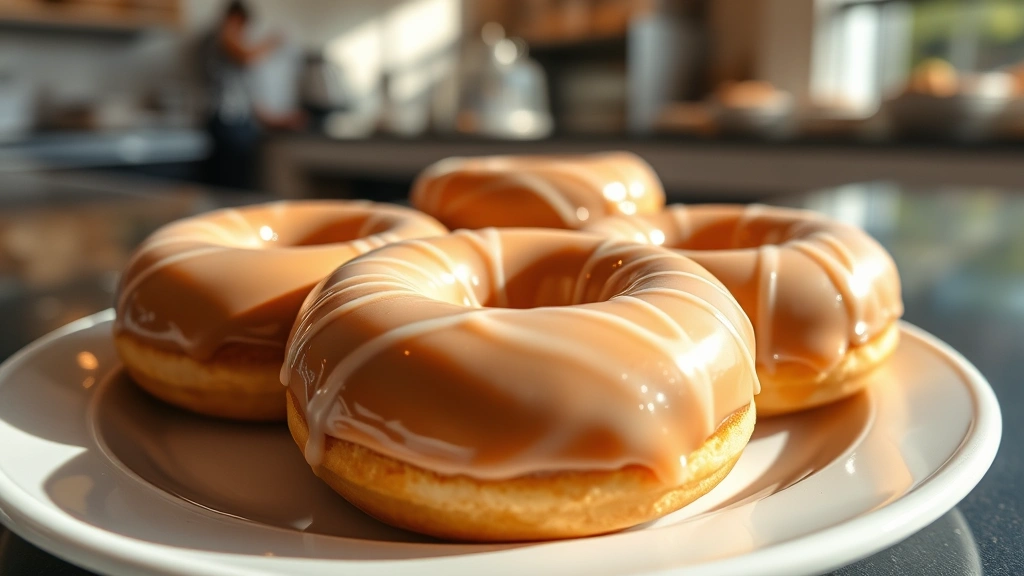
The Original Glazed donut is Krispy Kreme’s flagship product and the benchmark against which all other donuts are measured. A single Original Glazed donut contains approximately 190 calories, making it one of the lighter options in the Krispy Kreme lineup. This relatively modest calorie count is why many people consider it a “reasonable” indulgence, though the nutritional composition warrants deeper examination.
Each Original Glazed donut contains about 10 grams of total fat, with 4.5 grams being saturated fat. The donut provides 22 grams of carbohydrates, including 12 grams of sugar, which represents about 24% of the daily recommended sugar intake for an average adult based on American Heart Association guidelines. Protein content is minimal at just 3 grams per donut. The donut also contains 0 grams of dietary fiber, which is typical for refined grain-based treats.
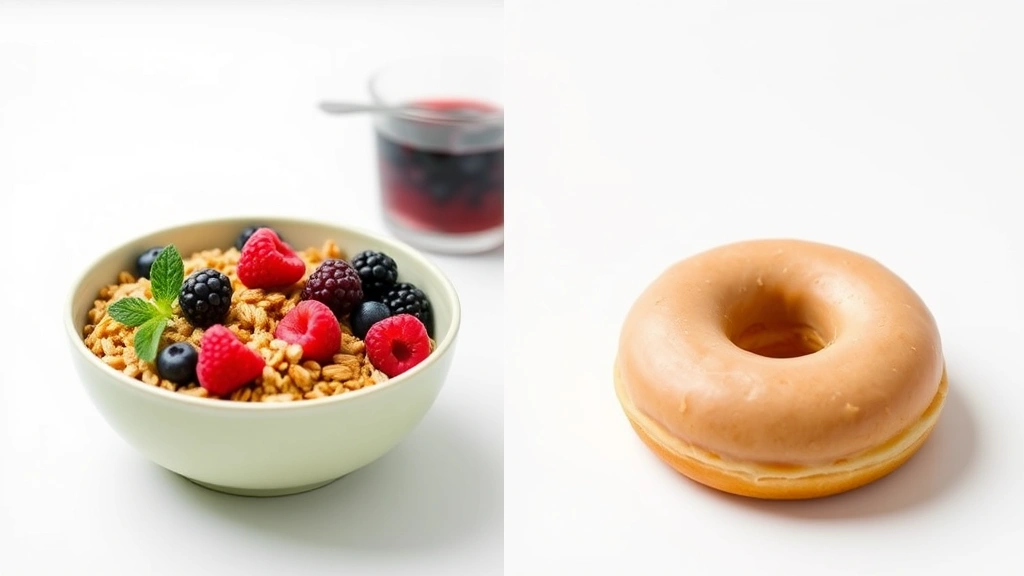
When examining the nutritional profile, it’s important to consider these donuts within the context of a broader healthy nutrition plan. The Original Glazed’s appeal lies partly in its simplicity—it contains no artificial flavors or colors in its basic formulation, though it does contain palm oil and other preservatives. For context, understanding how these treats compare to other breakfast options helps consumers make better choices.
Filled Donuts and Calorie Comparisons
Krispy Kreme’s filled donut varieties significantly increase calorie and sugar content compared to their glazed counterparts. The Bavarian Cream Filled donut, one of their most popular varieties, contains approximately 290 calories—100 calories more than the Original Glazed. This filled donut contains 17 grams of fat, 36 grams of carbohydrates, and a concerning 21 grams of sugar per single donut.
The Boston Cream Filled variant sits at around 270 calories with 15 grams of fat and 20 grams of sugar. Jelly-filled donuts typically range from 280-310 calories depending on the specific variety and filling thickness. These higher calorie counts make filled donuts less suitable for those monitoring their intake, particularly when consumed regularly or in multiples—a common occurrence given Krispy Kreme’s “half dozen” and “dozen” sales model.
Filled donuts also tend to have higher sodium content due to the additional ingredients in fillings and toppings. Many people underestimate how these seemingly small treats accumulate nutritionally when purchased in bulk quantities. A half dozen filled donuts could easily represent 1,500-1,800 calories, which approaches or exceeds the entire daily caloric recommendation for many individuals.
The nutritional considerations of filled donuts become more significant when examining their place in daily dietary patterns. Unlike nutrient-dense foods, filled donuts provide minimal vitamins, minerals, or other beneficial compounds relative to their caloric content.
Cake Donuts vs Yeast Donuts
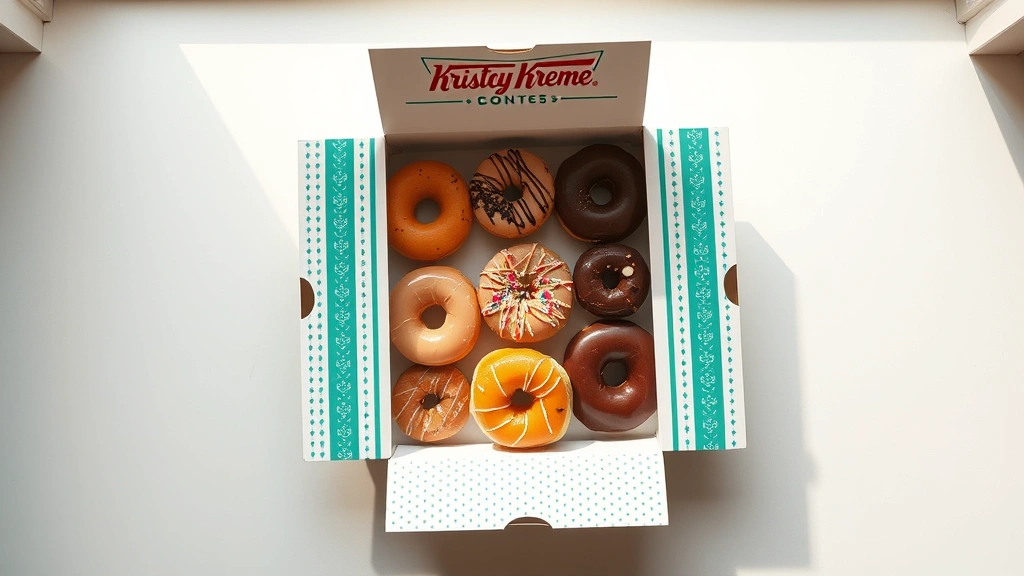
Krispy Kreme’s cake donut offerings present a different nutritional profile than their yeast-based varieties. Cake donuts are denser and often contain more flour, resulting in slightly different macronutrient distributions. A typical cake donut from Krispy Kreme contains between 200-240 calories, depending on toppings and fillings, with higher carbohydrate content and often more fat than their yeast counterparts.
The fundamental difference lies in production method: yeast donuts use fermentation, which can create a lighter crumb structure and different flavor profile, while cake donuts are mixed and fried similarly to traditional cake batters. This difference affects not just taste and texture, but also digestibility and how the body processes these foods. Yeast donuts may be slightly easier to digest for some individuals due to the fermentation process breaking down some gluten and improving nutrient bioavailability.
Cake donuts often have more dramatic toppings—chocolate frosting, sprinkles, glazes—which add additional sugar and calories. A chocolate cake donut with sprinkles might contain 240 calories and 15 grams of sugar, while a plain cake donut might be 200 calories with 10 grams of sugar. This 40-calorie and 5-gram sugar difference demonstrates how toppings significantly impact the final nutritional profile.
Understanding these distinctions helps consumers navigate Krispy Kreme’s menu more strategically. Those seeking to minimize caloric intake while still enjoying a donut might opt for a plain cake donut or original glazed over heavily decorated or filled varieties. This approach aligns with broader principles discussed in our guide to dietary fiber and nutrition, where whole-food choices and mindful selection matter greatly.
Seasonal and Limited Edition Offerings
Krispy Kreme strategically releases seasonal and limited-edition donuts throughout the year, and these specialty items often push nutritional boundaries considerably further than their standard menu offerings. Holiday-themed donuts, Valentine’s Day specials, and summer flavors frequently feature premium fillings, multiple glazes, and decorative toppings that can elevate calorie counts to surprising levels.
During the Halloween season, for example, Krispy Kreme has offered donuts with candy-coated toppings and special fillings that reach 300+ calories per donut. Christmas offerings often feature red velvet, peppermint bark, and gingerbread varieties with similarly elevated nutritional profiles. These limited editions are marketed with urgency and exclusivity, encouraging consumers to purchase them before they disappear from the menu.
The psychology of limited-time offerings plays a significant role in consumer behavior around these products. People who might normally restrict their donut consumption feel compelled to try these exclusive items while available, potentially increasing their overall sugar and caloric intake during promotional periods. Being aware of this marketing strategy can help consumers make more intentional choices rather than impulse purchases.
The connection between diet and mental wellbeing extends to understanding food marketing and how emotional responses to limited-time offerings can influence eating patterns. Mindful consumption involves recognizing these psychological triggers and making deliberate choices aligned with personal health goals.
Nutritional Concerns and Health Impact
From a nutritional standpoint, Krispy Kreme donuts present several concerns that health professionals regularly highlight. The primary issue is the sugar content: a single Original Glazed donut contains 12 grams of sugar, and filled varieties contain 20+ grams. The American Heart Association recommends that women consume no more than 25 grams of added sugar daily and men no more than 36 grams. A single Krispy Kreme donut represents a substantial portion of these limits.
Excessive sugar consumption is linked to numerous health conditions including type 2 diabetes, cardiovascular disease, obesity, and dental problems. The refined carbohydrates in donuts are rapidly absorbed, causing blood sugar spikes that can leave consumers feeling fatigued shortly after consumption. This metabolic pattern contributes to energy crashes and cravings for additional sugary foods, creating a problematic cycle.
Additionally, Krispy Kreme donuts contain minimal nutritional value beyond calories. They provide virtually no vitamins, minerals, antioxidants, or phytonutrients that support bodily functions. The protein content is negligible, making them unsuitable as a breakfast food that would sustain energy and satiety throughout the morning. Someone consuming a donut for breakfast would likely experience hunger again within an hour or two.
The saturated fat content also warrants consideration. While not as demonized as previously, dietary guidelines still recommend limiting saturated fat intake to about 10% of daily calories. A single donut provides 4.5-7 grams of saturated fat depending on variety, which represents 6-9% of a 2,000-calorie diet’s saturated fat allowance from just one food item.
Making Smarter Donut Choices
If you enjoy Krispy Kreme donuts and want to incorporate them into your diet more mindfully, several strategies can help minimize negative health impacts. First, establish clear frequency boundaries—perhaps limiting donut consumption to once monthly or quarterly rather than weekly or daily habits. This approach allows enjoyment without significant cumulative health effects.
Second, choose the lowest-calorie, lowest-sugar options when selecting donuts. The Original Glazed remains the best choice at 190 calories and 12 grams of sugar. Avoiding filled donuts and heavily decorated varieties can reduce calorie intake by 100+ calories per donut. If purchasing multiple donuts, selecting variety rather than identical types can psychologically satisfy the desire for different flavors without consuming as many calories.
Third, pair donut consumption with protein and healthy fats to moderate blood sugar impact. Eating a donut alongside Greek yogurt, nuts, or cheese slows sugar absorption and provides greater satiety. This combination approach, discussed in our comprehensive guide on optimizing nutrition through strategic food pairing, applies equally to everyday eating as to athletic performance.
Fourth, practice portion control by purchasing single donuts rather than dozens. The bulk purchase model encourages overconsumption, and having multiple donuts readily available increases the likelihood of eating more than intended. Buying just one or two donuts requires deliberate repeat visits and provides natural friction against excessive consumption.
Consider also the timing of donut consumption. Eating a donut as part of a balanced meal with other foods is preferable to consuming it alone as a snack. The additional fiber, protein, and healthy fats from other foods moderate the metabolic impact of the donut’s refined carbohydrates and sugar.
Finally, explore alternatives that might satisfy similar cravings with better nutritional profiles. Homemade donuts made with whole grain flours, reduced sugar, and healthier oils can provide the taste and texture satisfaction with significantly improved nutrition. Many recipes online offer donut options with 30-50% fewer calories and substantially less sugar than commercial varieties.
The Nutrients Pathway Blog provides extensive resources for understanding food choices and their health implications, offering evidence-based guidance for navigating common dietary decisions.
FAQ
How many calories are in a Krispy Kreme Original Glazed donut?
A single Original Glazed donut contains approximately 190 calories, making it one of the lower-calorie options in Krispy Kreme’s lineup. This relatively modest count is why many consider it a reasonable occasional treat, though the sugar content (12 grams) should still be considered within daily dietary limits.
What is the sugar content in Krispy Kreme donuts?
Sugar content varies by donut type. Original Glazed contains 12 grams, while filled varieties typically contain 18-22 grams of sugar per donut. This represents substantial portions of recommended daily sugar intake, particularly for women and children who have lower limits.
Are Krispy Kreme donuts worse than other donut brands?
Krispy Kreme donuts are comparable to other commercial donut brands nutritionally. Their Original Glazed (190 calories) is actually slightly lower than some competitors’ basic glazed donuts. However, all commercial donuts are calorie-dense, sugar-rich, and nutritionally sparse compared to whole foods.
Can I eat Krispy Kreme donuts on a diet?
Occasional Krispy Kreme consumption can fit into most dietary approaches when practiced mindfully. Choosing the Original Glazed, limiting frequency, pairing with protein, and accounting for the calories and sugar in daily totals allows people to enjoy these treats without derailing health goals.
What Krispy Kreme donut has the least calories?
The Original Glazed at 190 calories is typically the lowest-calorie option. Plain cake donuts may be comparable at around 200 calories depending on specific variety. Avoiding filled donuts and heavily decorated varieties minimizes caloric intake.
How does Krispy Kreme nutrition compare to Dunkin donuts?
Both brands offer similar nutritional profiles. Dunkin’s glazed donuts typically range from 250-300 calories, while Krispy Kreme’s Original Glazed is 190 calories. Both contain significant sugar content and minimal nutritional value beyond calories. The specific comparison depends on which varieties are being compared.


