Krispy Kreme Donut Calories? Dietitian Explains
When it comes to indulgent treats, Krispy Kreme donuts rank among America’s most beloved guilty pleasures. But what exactly are you consuming when you bite into that glazed donut? Understanding the caloric and nutritional breakdown of Krispy Kreme donuts is essential for anyone trying to maintain a balanced diet while still enjoying occasional treats. This comprehensive guide breaks down the nutrition facts, calorie counts, and dietary considerations you need to know before your next Krispy Kreme visit.
The iconic Krispy Kreme glazed donut has become a cultural phenomenon since the company’s founding in 1937. Today, with hundreds of locations across the globe, millions of people consume these donuts regularly. However, the nutritional reality of these treats often surprises consumers. Whether you’re a casual donut enjoyer or someone monitoring their dietary intake closely, understanding what’s in a Krispy Kreme glazed donut helps you make informed choices about your nutrition and overall health.
Krispy Kreme Glazed Donut Calories Breakdown
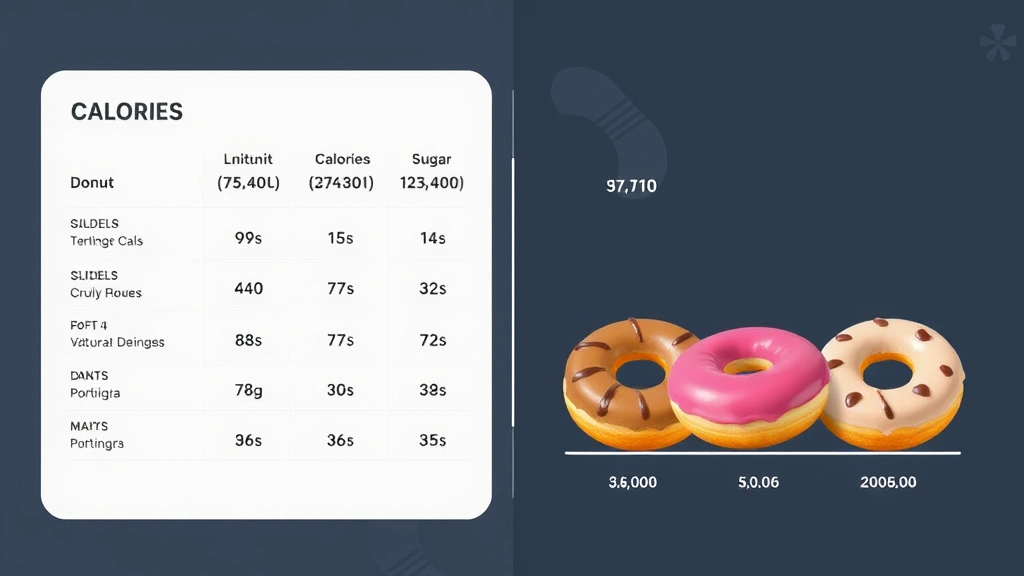
The original Krispy Kreme glazed donut contains approximately 190 calories per serving. This relatively modest calorie count compared to other desserts might make these donuts seem like a reasonable indulgence. However, the devil is truly in the details when examining the nutritional composition of these calories. Understanding where these calories come from—whether from sugar, fat, or carbohydrates—provides crucial context for dietary decisions.
For context on caloric intake, the average adult requires between 2,000 to 2,500 calories daily, depending on age, sex, activity level, and metabolism. A single Krispy Kreme glazed donut represents less than 10% of a typical 2,000-calorie daily diet. However, most people don’t consume just one donut. A half-dozen box contains 1,140 calories, which represents more than half of a typical daily caloric allowance. This makes portion control a critical consideration when enjoying Krispy Kreme donuts.
Different Krispy Kreme varieties contain significantly different calorie amounts. Cake donuts typically range from 190 to 280 calories, while filled donuts can exceed 300 calories each. The Boston cream donut, for example, contains 340 calories, while the powdered sugar donut comes in at 200 calories. Understanding these variations helps you make choices aligned with your dietary goals.

Complete Nutrition Facts
Beyond calories, Krispy Kreme glazed donuts contain specific macronutrient and micronutrient profiles worth examining. A single original glazed donut provides the following nutritional information:
- Total Fat: 11 grams (17% of daily value)
- Saturated Fat: 5 grams (25% of daily value)
- Trans Fat: 0 grams
- Cholesterol: 5 milligrams
- Sodium: 150 milligrams (6% of daily value)
- Total Carbohydrates: 22 grams (8% of daily value)
- Dietary Fiber: 0 grams
- Total Sugars: 12 grams
- Protein: 3 grams
When developing a healthy nutrition plan, understanding macronutrient distribution matters significantly. Krispy Kreme donuts are predominantly carbohydrate-based, deriving most calories from simple sugars and refined flour. The minimal protein and complete absence of dietary fiber means these donuts provide little satiety or nutritional substance beyond calories.
The sodium content of 150 milligrams per donut is relatively moderate, though consuming multiple donuts can quickly accumulate sodium intake. For individuals monitoring sodium for blood pressure management or heart health, this consideration becomes important. The cholesterol content remains minimal, which is positive for cardiovascular health.
Sugar Content Analysis
Perhaps the most significant nutritional concern with Krispy Kreme glazed donuts is their sugar content. At 12 grams of sugar per donut, a single treat represents approximately 25% of the American Heart Association’s recommended daily sugar limit for adult women (25 grams) and 20% for adult men (36 grams). This concentration of sugar in a single food item raises important health considerations.
The sugar in Krispy Kreme donuts comes from two primary sources: the dough itself and the glaze coating. The dough contains added sugars to enhance sweetness and texture, while the signature glaze contributes additional sugar. This dual-source sugar approach creates an intensely sweet product that triggers rapid blood sugar spikes and subsequent crashes.
Research from the American Heart Association demonstrates that excessive sugar consumption correlates with increased risk of obesity, type 2 diabetes, heart disease, and dental problems. For individuals managing blood sugar levels or at risk for metabolic disorders, consuming Krispy Kreme donuts requires careful consideration and portion control.
The glycemic index of refined sugar donuts is high, meaning they cause rapid blood glucose elevation. This rapid spike triggers insulin release, which can eventually lead to energy crashes and increased hunger shortly after consumption. Understanding the importance of dietary fiber becomes crucial when evaluating foods high in simple sugars but lacking fiber content.
Fat Profile and Heart Health
The fat content in Krispy Kreme glazed donuts warrants careful examination, particularly regarding saturated fat. Each donut contains 11 grams of total fat, with 5 grams coming from saturated fat. Saturated fat represents 25% of the daily recommended limit based on a 2,000-calorie diet.
The primary concern with saturated fat involves its potential impact on cholesterol levels and cardiovascular health. Excessive saturated fat consumption has been linked to increased LDL (bad) cholesterol levels, which can contribute to plaque buildup in arteries. However, modern nutritional science recognizes that the relationship between saturated fat and heart disease is more nuanced than previously understood, with factors like overall dietary pattern, exercise, and other lifestyle choices playing significant roles.
Krispy Kreme donuts contain zero trans fats, which is positive. Trans fats, largely phased out of the American food supply, represent a more concerning fat type with stronger associations to cardiovascular disease. The absence of trans fats in modern Krispy Kreme products reflects improved food manufacturing practices.
For individuals with specific cardiovascular concerns or those following heart-healthy dietary guidelines, the saturated fat content of Krispy Kreme donuts should factor into overall daily fat intake calculations. Balancing occasional donut consumption with other dietary choices that emphasize unsaturated fats becomes important for heart health.
Protein and Fiber Content
One significant nutritional shortcoming of Krispy Kreme glazed donuts is their minimal protein and complete lack of dietary fiber. The 3 grams of protein per donut provides minimal satiety or muscle-supporting benefit. For comparison, a single egg contains 6 grams of protein, while Greek yogurt provides 15-20 grams per serving.
The complete absence of dietary fiber (0 grams) represents another nutritional deficit. Dietary fiber plays crucial roles in digestive health, blood sugar regulation, cholesterol management, and satiety. The absence of fiber in Krispy Kreme donuts means they provide no digestive benefits and contribute to rapid blood sugar spikes.
When examining nutrition facts about avocados or other whole foods, the contrast becomes apparent. Whole foods typically offer multiple nutritional benefits simultaneously—fiber, protein, vitamins, minerals, and healthy fats. Krispy Kreme donuts, conversely, deliver primarily empty calories from refined carbohydrates and sugar.
The lack of protein and fiber also affects how quickly you feel hungry after eating a donut. Without these satiating nutrients, many people experience hunger returning within 30-60 minutes of donut consumption, potentially leading to additional calorie intake throughout the day.
How Krispy Kreme Compares to Other Brands
Understanding how Krispy Kreme donuts compare to competitors provides useful perspective. Dunkin’ donuts offer similar calorie counts (ranging from 170-350 calories depending on variety), while local bakery donuts often contain 250-400 calories. Krispy Kreme’s original glazed donut actually sits on the lower end of the donut calorie spectrum.
However, calorie count alone doesn’t determine nutritional quality. Many competitors offer whole wheat or higher-fiber options that provide better nutritional profiles. Dunkin’ offers multigrain donuts with 4-5 grams of fiber, substantially more than Krispy Kreme’s offerings. Some specialty donut shops now offer protein-enhanced or lower-sugar versions.
The sugar content comparison also reveals interesting differences. While Krispy Kreme’s original glazed contains 12 grams of sugar, some competitors’ cake donuts contain 15-18 grams. Conversely, specialty donut shops increasingly offer keto or lower-sugar options with 3-5 grams of sugar per donut. This market evolution reflects growing consumer interest in healthier indulgence options.
Krispy Kreme’s primary advantage lies in consistency and taste. The brand’s standardized recipe produces reliably delicious donuts across all locations. However, from a purely nutritional standpoint, competitors increasingly offer options with better macronutrient profiles and lower sugar content.
Making Healthier Choices at Krispy Kreme
If you enjoy Krispy Kreme but want to minimize nutritional impact, several strategies can help:
- Choose the original glazed: At 190 calories, it’s among the lowest-calorie options and avoids excessive fillings or toppings
- Practice portion control: Enjoy one donut rather than multiple donuts in a single sitting
- Pair with protein: Consume a donut alongside eggs, Greek yogurt, or nuts to increase satiety and stabilize blood sugar
- Hydrate properly: Drink water before and after eating a donut to promote satiety and aid digestion
- Space consumption: Rather than daily consumption, limit Krispy Kreme to occasional treats (once weekly or less)
- Choose cake donuts: Some cake varieties contain fewer calories and less sugar than filled donuts
- Avoid specialty drinks: Krispy Kreme beverages often contain 300-500 additional calories and 40+ grams of sugar
When planning meals, consider how donut consumption fits into your overall nutritional strategy. If you plan to enjoy a Krispy Kreme donut, you might reduce calorie intake elsewhere that day or increase physical activity to balance the additional calories.
Fitting Donuts Into a Balanced Diet
The key question for many people isn’t whether to eat Krispy Kreme donuts, but how to incorporate them into a balanced dietary approach. Nutritional science increasingly emphasizes that no single food determines overall health—rather, the complete dietary pattern over weeks and months matters most.
Enjoying occasional Krispy Kreme donuts within the context of a predominantly whole-food diet emphasizing vegetables, fruits, lean proteins, and whole grains is entirely compatible with good health. The problems arise when donut consumption becomes regular or excessive, or when it displaces more nutritious food choices.
Research published in the American Journal of Clinical Nutrition demonstrates that dietary flexibility and occasional indulgences actually support long-term dietary adherence better than rigid restriction. People following flexible dietary approaches that allow treats report better psychological wellbeing and sustained healthy eating patterns compared to those following overly restrictive diets.
The relationship between nutrition and mental health also matters significantly. Food enjoyment contributes to psychological wellbeing and quality of life. Complete elimination of enjoyable foods often backfires, leading to binge eating and negative psychological relationships with food.
For tips for meal planning that incorporate occasional treats, consider allocating approximately 10-15% of your daily calorie intake to discretionary foods—foods eaten primarily for enjoyment rather than nutrition. For a 2,000-calorie diet, this represents 200-300 calories, which could accommodate a single Krispy Kreme donut plus another small treat.
The most sustainable approach involves viewing Krispy Kreme donuts as occasional indulgences rather than regular dietary staples. When consumed infrequently—perhaps once or twice monthly—the nutritional impact becomes negligible within the context of overall dietary patterns. The problems emerge with frequent consumption (multiple times weekly) or excessive quantities (multiple donuts per occasion).
FAQ
How many calories are in a Krispy Kreme glazed donut?
The original Krispy Kreme glazed donut contains 190 calories. Different varieties range from 170 calories (powdered sugar) to 340+ calories (filled varieties like Boston cream).
Is the sugar content in Krispy Kreme donuts concerning?
Yes, at 12 grams of sugar per donut, a single donut represents 20-25% of the American Heart Association’s recommended daily sugar limit. Regular consumption significantly increases daily sugar intake, which correlates with obesity, diabetes, and heart disease risk.
Can I eat Krispy Kreme donuts while dieting?
Yes, occasional Krispy Kreme consumption can fit within calorie-controlled diets if portion-controlled. One donut represents less than 10% of typical daily calorie allowance. The key involves balancing donut consumption with other nutritious foods and limiting frequency.
What’s the healthiest donut option at Krispy Kreme?
The original glazed donut offers the lowest calorie count (190) and moderate sugar content (12g). Powdered sugar donuts are slightly lower at 170 calories. Avoiding filled donuts and specialty beverages minimizes calorie and sugar intake.
Do Krispy Kreme donuts contain trans fats?
No, modern Krispy Kreme donuts contain zero grams of trans fats. The company eliminated trans fats from their recipes in compliance with FDA regulations and modern food manufacturing standards.
How much protein is in a Krispy Kreme donut?
A single Krispy Kreme glazed donut contains only 3 grams of protein. This minimal amount provides little satiety benefit and doesn’t significantly contribute to daily protein requirements.
Is dietary fiber present in Krispy Kreme donuts?
No, Krispy Kreme glazed donuts contain zero grams of dietary fiber. The absence of fiber means they provide no digestive benefits and contribute to rapid blood sugar spikes and subsequent crashes.
How often can I safely eat Krispy Kreme donuts?
Occasional consumption (once or twice monthly) fits easily within balanced, healthy diets. Weekly consumption requires careful calorie and sugar monitoring. Daily consumption substantially increases disease risk, particularly for metabolic and cardiovascular conditions.