
Krispy Kreme Calories? Dietician’s Breakdown of Nutrition Facts
Krispy Kreme has been an American indulgence staple since 1937, but understanding what you’re actually consuming when you bite into one of their glazed donuts is crucial for informed dietary choices. Whether you’re a casual enjoyer or a devoted fan, the caloric and nutritional content of these treats deserves serious examination. This comprehensive nutrition guide breaks down everything you need to know about Krispy Kreme’s menu offerings from a dietician’s perspective.
The conversation around Krispy Kreme nutrition isn’t about demonizing indulgence—it’s about transparency and understanding how these foods fit into a balanced lifestyle. With options ranging from 170-calorie cake donuts to 400+ calorie filled varieties, the nutritional landscape is more diverse than many realize. This breakdown examines the caloric content, macronutrient profiles, and ingredient considerations that should inform your consumption patterns.
Krispy Kreme Calorie Range by Donut Type
Understanding the caloric landscape at Krispy Kreme is the foundation of making informed choices. The brand offers approximately 15-20 different donut varieties at any given time, with caloric content varying significantly based on size, glaze type, and fillings. A standard glazed donut—Krispy Kreme’s flagship product—contains approximately 190 calories, making it one of the lighter options on their menu.
The Original Glazed remains the baseline for comparison. Cake donuts, which are denser and less airy than yeast-based varieties, typically range from 170-220 calories depending on whether they’re plain or filled. These include varieties like the Cake Batter Donut and Old Fashioned varieties. The significant difference comes when you move toward filled and topped donuts.
Filled donuts represent a substantial jump in caloric content. The Boston Kreme, filled with custard and topped with chocolate, contains approximately 340 calories. The Bavarian Kreme, featuring bavarian cream filling, sits around 320 calories. These filled varieties also contain significantly more sugar—often 12-17 grams per donut—compared to the original glazed’s 10 grams.
Specialty and limited-edition offerings often push the caloric envelope further. Cake donuts with cream cheese frosting or elaborate toppings can exceed 300 calories, while donut holes—marketed as a “lighter” option—actually contain similar calorie density per ounce as full donuts, making them easy to overconsume. A box of 12 donut holes contains roughly 900-1000 calories total.
Beverages significantly impact the total caloric intake when visiting Krispy Kreme. Their Original Glazed Coffee contains only 5 calories, but their specialty beverages—such as the Iced Signature Latte or flavored coffee drinks—can add 200-350 additional calories to your order, depending on size and customization.
Macronutrient Breakdown and Dietary Impact
Beyond simple calorie counting, the macronutrient composition of Krispy Kreme donuts reveals important dietary considerations. A standard glazed donut contains approximately 11 grams of total fat, with roughly 5 grams coming from saturated fat. This represents about 8% of the daily recommended saturated fat intake based on a 2,000-calorie diet.
Carbohydrate content is substantial across all varieties. The original glazed contains approximately 22 grams of carbohydrates, with minimal dietary fiber (less than 1 gram). This means nearly all carbohydrates are simple sugars or refined starches that cause rapid blood glucose spikes. Filled varieties push carbohydrate content to 35-40 grams per donut, creating even more pronounced glycemic impact.
Protein content is disappointingly minimal across the Krispy Kreme menu. A standard donut provides only 3-4 grams of protein, insufficient to create satiety or blood sugar stabilization. This protein-to-carbohydrate ratio means these foods provide rapid energy without sustained fullness, contributing to overconsumption patterns.
Trans fat content deserves mention, though modern formulations have largely eliminated this ingredient. However, checking specific nutritional labels remains important, as some filled varieties may still contain trace amounts. The saturated fat content, combined with refined carbohydrates and minimal fiber, creates a macronutrient profile that can negatively impact cholesterol levels and cardiovascular health when consumed regularly.
Micronutrient density is virtually absent in Krispy Kreme donuts. They contain negligible amounts of vitamins and minerals essential for bodily function. Unlike whole foods or even enriched grain products, donuts provide empty calories—energy without nutritional value. This matters significantly when considering how Krispy Kreme fits into a healthy nutrition plan.
Sugar Content Analysis
Sugar represents the most concerning macronutrient in Krispy Kreme donuts from a public health perspective. The original glazed donut contains 10 grams of added sugar, representing 20% of the WHO’s recommended daily sugar intake for adults. The American Heart Association recommends no more than 25 grams daily for women and 36 grams for men—meaning two glazed donuts alone exceed these recommendations.
Filled varieties dramatically increase sugar burden. A Boston Kreme contains approximately 17 grams of added sugar, while specialty varieties can reach 20+ grams. Consuming two filled donuts—a common scenario for many customers—results in 40+ grams of sugar, exceeding daily recommendations by 60-100%.
The glycemic impact of this sugar load extends beyond immediate blood glucose spikes. Regular consumption of high-sugar foods like donuts contributes to insulin resistance, increased diabetes risk, weight gain, and inflammatory responses throughout the body. For individuals managing diabetes or pre-diabetes, even a single Krispy Kreme donut represents a significant dietary challenge.
Sugar cravings intensify after consuming high-glycemic foods, creating a cycle of continued consumption. The rapid blood sugar spike followed by a crash triggers hunger signals and cravings for additional sugary foods. This metabolic pattern explains why people often consume multiple donuts at once rather than stopping after one.
Interestingly, Krispy Kreme offers some lower-sugar alternatives through their cake donut varieties, though calling them “lower-sugar” is relative—they typically contain 7-9 grams rather than 10-20 grams. For those seeking to moderate sugar intake, these options present a marginally better choice, though they shouldn’t be considered health-conscious selections.

Healthier Menu Alternatives
While Krispy Kreme’s core offerings are uniformly indulgent, the menu does include options that represent slightly better nutritional profiles. Understanding these choices allows consumers to make the least-damaging selections if visiting the chain.
The Cake Donut varieties, particularly the plain cake donut, offer the lowest caloric option at approximately 170 calories with 8 grams of sugar. This represents a meaningful reduction compared to filled varieties. The Old Fashioned varieties, similarly, clock in around 200 calories and provide slightly more satisfying texture that may reduce overconsumption.
Krispy Kreme’s donut holes, despite common misconception, don’t represent a “healthier” option. A single hole contains roughly 70-80 calories, meaning that consuming what feels like a modest serving (6-8 holes) equals an entire donut in calories. However, if portion control is achievable, selecting 2-3 holes rather than a full donut can reduce intake.
Beverage choices dramatically impact overall nutritional impact. Selecting their black coffee or original glazed coffee (5 calories) rather than specialty lattes eliminates 200-350 calories. This single choice can mean the difference between a 200-calorie indulgence and a 550-calorie meal replacement.
For those seeking to visit Krispy Kreme while maintaining dietary goals, the optimal strategy involves selecting a single cake donut paired with black coffee, limiting total intake to approximately 175 calories and 8 grams of sugar. This approach allows for the psychological satisfaction of the visit while minimizing metabolic disruption.
How Krispy Kreme Fits Into Daily Nutrition
The critical question isn’t whether Krispy Kreme is “healthy”—it clearly isn’t—but rather how frequently and in what quantities it can fit into a balanced diet. Understanding this requires context about individual dietary patterns and health goals.
For individuals maintaining a consistent caloric intake for weight management, incorporating an occasional Krispy Kreme donut is feasible if other meals are nutrient-dense and calorically appropriate. A single glazed donut (190 calories, 10g sugar) consumed once weekly, paired with a day of otherwise balanced nutrition, presents minimal metabolic concern for most individuals.
The problematic pattern emerges with frequency escalation. Consuming Krispy Kreme 2-3 times weekly, or consuming multiple donuts per visit, creates substantial cumulative sugar and caloric excess. Over a year, this pattern contributes 10,000-15,000 excess calories and 500+ grams of added sugar—translating to potential weight gain of 3-4 pounds annually beyond baseline requirements.
Individual metabolic factors matter significantly. Those with insulin sensitivity issues, family history of diabetes, or existing weight management challenges should treat Krispy Kreme as an occasional indulgence at most, consumed perhaps once monthly rather than weekly. Conversely, very active individuals with high caloric expenditure can accommodate these foods more frequently without metabolic consequence.
Strategic consumption timing can minimize metabolic impact. Consuming a Krispy Kreme donut immediately after intense exercise, when muscles are primed to absorb glucose for glycogen replenishment, creates less dramatic blood sugar disruption than consuming it alone mid-morning. Pairing the donut with protein or fat—eating it after a substantial meal rather than as a standalone snack—also moderates glycemic response.
The psychological dimension deserves acknowledgment. For many people, rigid dietary restriction creates unsustainable patterns and eventual binge eating. Including planned, moderate indulgences like an occasional Krispy Kreme donut supports long-term dietary adherence better than complete elimination. The key involves intentionality—consciously choosing to consume one donut rather than mindlessly consuming multiple.
Ingredient Transparency and Allergens
Krispy Kreme’s ingredient list reveals the ultra-processed nature of their products. The original glazed donut contains enriched wheat flour, vegetable shortening, sugar, eggs, nonfat milk, yeast, and various additives including dextrose, salt, and sodium bicarbonate. None of these ingredients individually is problematic, but the formulation creates a product optimized for shelf stability and taste rather than nutritional value.
Allergen considerations are critical for many consumers. All Krispy Kreme donuts contain wheat and eggs, and many varieties contain milk, soy, and tree nuts. Their facilities process all these allergens, creating cross-contamination risk even for varieties that don’t explicitly contain them. Individuals with celiac disease, egg allergies, or severe peanut allergies should avoid Krispy Kreme entirely.
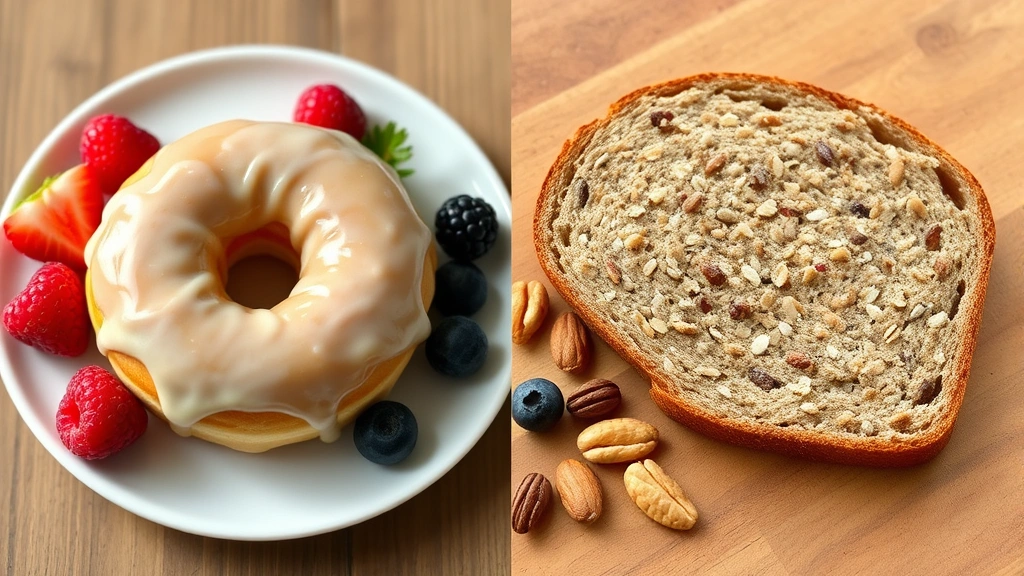
The use of enriched flour means some B vitamins (thiamine, riboflavin, niacin, folic acid) are added back after processing removes them. While technically meeting FDA enrichment standards, these synthetic additions don’t provide the same nutritional benefit as whole grain alternatives. Choosing whole grain options from other bakeries provides superior nutritional value.
Artificial flavoring and coloring appears in specialty varieties. While FDA-approved, some individuals report sensitivity to these additives. Those seeking to minimize artificial ingredient consumption should stick to the plain glazed or cake donut varieties, which contain fewer additive ingredients.
Understanding how to improve nutrient absorption becomes irrelevant with Krispy Kreme products—there are minimal nutrients to absorb. This reinforces that these foods are best viewed as occasional treats rather than dietary staples.
FAQ
How many calories are in a Krispy Kreme original glazed donut?
A single original glazed donut contains approximately 190 calories, making it one of the lower-calorie options on their menu. This represents about 9-10% of a typical 2,000-calorie daily diet.
What is the sugar content in Krispy Kreme donuts?
Original glazed donuts contain approximately 10 grams of added sugar. Filled varieties contain significantly more, ranging from 12-20 grams depending on the specific product. This represents 20-50% of daily recommended sugar intake in a single donut.
Are Krispy Kreme donuts suitable for diabetics?
No. Krispy Kreme donuts are not appropriate for individuals with diabetes due to their high sugar and refined carbohydrate content. Even varieties marketed as “lower-sugar” contain substantial amounts relative to diabetic dietary guidelines. Individuals managing diabetes should avoid these products entirely.
Which Krispy Kreme donut has the least calories?
The plain cake donut contains the fewest calories at approximately 170 calories with 8 grams of sugar. This represents the most nutritionally conservative choice available on their standard menu.
Can I eat Krispy Kreme while trying to lose weight?
Occasional consumption of Krispy Kreme is compatible with weight loss if incorporated into a caloric deficit. A single glazed donut once weekly, with otherwise balanced nutrition and appropriate overall caloric intake, presents minimal impediment to weight loss. Frequent consumption or multiple donuts per visit will undermine weight loss efforts.
Does Krispy Kreme offer any vegan options?
Most Krispy Kreme donuts contain eggs and milk, making them unsuitable for strict vegan diets. The brand does not currently offer a dedicated vegan donut line, though this may vary by location. Customers following vegan diets should contact their local store for current offerings.
How does Krispy Kreme compare nutritionally to other donut chains?
Krispy Kreme’s nutritional profile is comparable to Dunkin’ Donuts, with slight variations depending on specific varieties. Both chains offer donuts ranging from 170-340+ calories with similar sugar content. Krispy Kreme’s original glazed (190 calories) is slightly higher than Dunkin’s (180 calories), but differences are negligible. Both represent indulgent products rather than nutritious foods.
What is the impact of eating Krispy Kreme regularly?
Regular consumption of Krispy Kreme (2-3+ times weekly) contributes to excessive sugar intake, increased caloric consumption, and elevated risk of weight gain, type 2 diabetes, and cardiovascular disease. Over one year, regular consumption could contribute 10,000+ excess calories and 500+ grams of added sugar, resulting in 3-4 pounds of weight gain beyond baseline needs.
Are Krispy Kreme donuts gluten-free?
No. All Krispy Kreme donuts are made with wheat flour and are not gluten-free. Individuals with celiac disease or gluten sensitivity must avoid these products entirely. Even their facilities process wheat, creating potential cross-contamination.
How can I minimize the impact of eating a Krispy Kreme donut?
Several strategies reduce metabolic impact: consume it after intense exercise when muscles absorb glucose efficiently; pair it with protein or fat to moderate blood sugar response; choose lower-calorie varieties like plain cake donuts; select black coffee rather than specialty beverages; and limit frequency to occasional indulgence rather than regular consumption.
Understanding Krispy Kreme nutrition empowers informed decisions about when and how to incorporate these treats into your diet. The brand’s products are fundamentally indulgent confections optimized for taste and convenience rather than nutritional value. Occasional consumption within the context of a balanced, nutrient-dense diet poses minimal health concern for most individuals. However, regular consumption, particularly of multiple donuts per visit, creates significant metabolic burden. For optimal health outcomes, treat Krispy Kreme as an occasional indulgence—perhaps once monthly—rather than a regular dietary component. When you do visit, selecting lower-calorie varieties and pairing them with black coffee rather than specialty beverages minimizes nutritional impact. For those with specific health conditions including diabetes, obesity, or cardiovascular disease, consultation with healthcare providers about dietary patterns is recommended before regular Krispy Kreme consumption.


