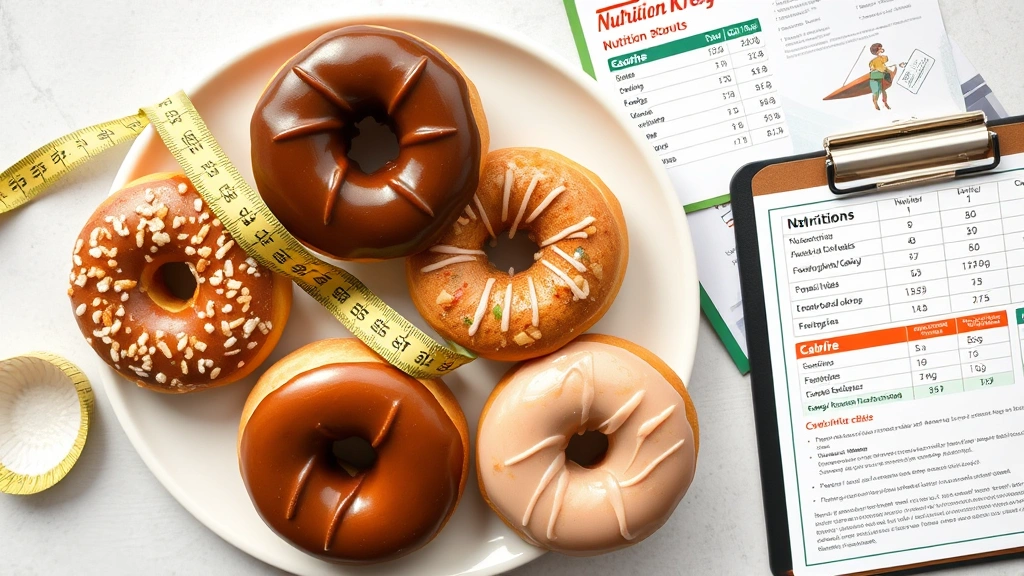
Krispy Kreme: Calorie Count Revealed! Dietitian Insight
Krispy Kreme has been an American indulgence staple since 1937, with its signature glazed donuts becoming synonymous with morning treats and celebratory moments. However, the nutritional reality behind these beloved pastries often surprises consumers who haven’t examined the krispy kreme nutritional content in detail. As a dietitian-reviewed analysis, this comprehensive guide breaks down exactly what you’re consuming when you bite into these iconic treats, exploring calorie counts, macronutrient profiles, and practical strategies for enjoying Krispy Kreme within a balanced dietary framework.
Understanding the nutritional composition of popular indulgences isn’t about shame or restriction—it’s about informed decision-making. Whether you’re a casual consumer or a devoted fan, knowing the specific caloric and nutrient breakdown empowers you to make choices aligned with your health goals. This article examines Krispy Kreme’s entire menu through a nutritional lens, providing the clarity needed to navigate their offerings with confidence.

Krispy Kreme Calorie Breakdown by Donut Type
The original glazed donut remains Krispy Kreme’s flagship product, containing approximately 190 calories per serving. This relatively modest calorie count compared to many competitors makes it the baseline for understanding the brand’s nutritional profile. However, the calorie range across their menu is substantial, spanning from their cake donut varieties at around 200-250 calories to filled and frosted options reaching 300-350 calories or more.
Krispy Kreme’s cake donuts, including varieties like the chocolate cake and red velvet, typically contain 220-280 calories depending on specific ingredients and toppings. These denser, less airy options provide different textural experiences than the original glazed but come with slightly elevated caloric loads. The filled varieties—such as Boston cream, bavarian cream, and jelly-filled options—generally range from 270-310 calories, with the additional filling ingredients accounting for the increase.
Cake batter donuts, seasonal glazed varieties, and specialty items can push toward 300+ calories, particularly when topped with frosting, sprinkles, or additional glazes. Limited-edition offerings often feature heavier toppings and fillings, making them among the most calorie-dense options on the menu. Understanding this spectrum is crucial for anyone tracking caloric intake as part of a healthy nutrition plan.
The mini donuts present an interesting nutritional consideration. While smaller in size, these bite-sized treats contain roughly 60-80 calories each, which can seem appealing until consumers realize that eating multiple minis can quickly accumulate to standard donut calorie levels. A box of six mini donuts (commonly sold) totals approximately 360-480 calories, comparable to two regular donuts.
Krispy Kreme’s donut holes (also called Munchkins at competitor Dunkin’) offer another calorie-conscious option at approximately 50-70 calories per piece. However, the ease of consumption and portion distortion make them deceptively high-calorie snacks when consumed in quantities exceeding three or four pieces.
Macronutrient Analysis and Nutritional Content
Beyond calories, the macronutrient composition of Krispy Kreme donuts reveals why they occupy a specific nutritional category. The original glazed donut contains approximately 11 grams of fat, 21 grams of carbohydrates, and 3 grams of protein per serving. This macronutrient profile is heavily skewed toward carbohydrates and fat, with minimal protein content—a characteristic typical of pastry-based treats.
The fat content varies significantly across menu items. Cake donuts tend to contain 12-16 grams of fat, while cream-filled varieties can exceed 18 grams, particularly when featuring custard or bavarian cream fillings. These fats include both saturated and unsaturated varieties, with saturated fat comprising roughly 40-50% of the total fat content in most offerings. For context, the American Heart Association recommends limiting saturated fat to 5-6% of daily caloric intake, making a single Krispy Kreme donut account for 10-15% of the recommended daily saturated fat allowance.
Carbohydrate content ranges from 19 grams in the original glazed to 35+ grams in heavily frosted and filled varieties. Notably, the majority of these carbohydrates are simple sugars rather than complex carbohydrates, contributing to rapid blood sugar elevation and subsequent energy crashes. This carbohydrate profile differs substantially from dietary fiber sources that provide sustained energy and digestive benefits.
Protein content remains consistently low across all Krispy Kreme offerings, typically ranging from 2-4 grams per donut. This minimal protein contribution means that donuts don’t provide satiety benefits comparable to protein-rich foods, making them less suitable as standalone breakfast items for sustained fullness. Pairing a donut with protein-containing beverages like milk or Greek yogurt significantly improves the nutritional profile.
Micronutrient analysis reveals limited nutritional density. Krispy Kreme donuts provide minimal amounts of vitamins and minerals, with some calcium and iron present but insufficient to meaningfully contribute to daily requirements. This lack of micronutrient density is characteristic of highly processed pastries and underscores their classification as discretionary foods within dietary guidelines.
Sugar Content and Health Implications
Perhaps the most critical nutritional concern surrounding Krispy Kreme donuts is their sugar content. The original glazed donut contains 12 grams of sugar, representing approximately 24 grams per 100-calorie serving and accounting for roughly 60% of total carbohydrate content. Filled and frosted varieties contain 15-25 grams of sugar per donut, with some specialty items exceeding 30 grams—equivalent to 7-8 teaspoons of added sugar in a single serving.
The World Health Organization recommends limiting added sugars to less than 10% of total daily caloric intake, with additional benefits observed at 5% or lower. For a 2,000-calorie diet, this translates to 25-50 grams of added sugar daily. A single Krispy Kreme donut with 12-25 grams of sugar can represent 24-100% of the recommended daily allowance, depending on the specific item selected.
Excessive sugar consumption has been linked to numerous health complications including obesity, type 2 diabetes, cardiovascular disease, and dental problems. Research from the Pew Research Center and similar organizations tracking dietary trends has documented concerning patterns in American sugar consumption, with pastries and donuts identified as significant contributors to excess intake.
The glycemic impact of Krispy Kreme donuts extends beyond simple sugar content. The refined flour base and lack of fiber result in high glycemic index values, meaning rapid blood glucose elevation. This metabolic response triggers insulin secretion and, over time, can contribute to insulin resistance and metabolic dysfunction. Individuals with diabetes or prediabetes should approach these items with particular caution or avoid them entirely.
The timing of donut consumption matters nutritionally. Consuming a Krispy Kreme donut on an empty stomach produces a more dramatic blood sugar spike than consuming it with protein and fat-containing foods. This physiological response explains why many individuals experience energy crashes shortly after consuming donuts alone, often leading to increased hunger and subsequent overconsumption.
Understanding nutrition and mental health connections reveals that blood sugar fluctuations can impact mood and cognitive function, making the nutritional composition of breakfast items particularly important.
Comparing Krispy Kreme to Competitor Options
Krispy Kreme’s nutritional profile becomes more meaningful when compared to similar products from competitors like Dunkin’, local bakeries, and homemade alternatives. Dunkin’ donuts typically contain 190-300 calories depending on variety, placing them in a comparable range to Krispy Kreme offerings. However, some Dunkin’ varieties feature lower sugar content and higher protein options, particularly when paired with their beverage offerings.
Starbucks pastries and baked goods often contain 250-450 calories with sugar content ranging from 15-35 grams. While some Starbucks items exceed Krispy Kreme in caloric density, their menu includes more nutritionally balanced options, including items with higher protein content and lower sugar alternatives.
Local bakeries frequently offer artisanal donuts with varying nutritional profiles. Premium donuts from specialty bakeries may contain 300-400 calories but often feature higher-quality ingredients and more substantial fillings, providing greater satiety per calorie consumed. However, nutritional information is often unavailable at local establishments, making informed decision-making more challenging.
Homemade donut alternatives present opportunities for significant nutritional optimization. Baked (rather than fried) donuts reduce fat content by 30-50%, while natural sweeteners and whole grain flours can improve the carbohydrate profile. These modifications can reduce caloric content to 120-180 calories while decreasing sugar to 8-15 grams per donut.
Krispy Kreme’s primary competitive advantage lies in consistency, availability, and taste—not nutritional superiority. Their standardized production ensures uniform products across locations, making calorie and nutrient information reliable and predictable. This consistency appeals to consumers seeking convenience and familiar experiences, even when nutritional profiles aren’t optimal.
Strategies for Enjoying Krispy Kreme Mindfully
Nutritional awareness doesn’t require complete elimination of enjoyed foods. Instead, strategic consumption approaches allow individuals to enjoy Krispy Kreme while maintaining health goals. The first principle involves portion control and frequency. Rather than weekly or daily consumption, limiting Krispy Kreme to occasional treats—perhaps monthly or quarterly—significantly reduces cumulative nutritional impact.
When consuming Krispy Kreme, selecting lower-calorie options like the original glazed or cake donuts (200-250 calories) rather than filled or heavily frosted varieties conserves caloric allowance for other foods. Pairing a single donut with protein-rich beverages like unsweetened milk or protein shakes improves satiety and blood sugar response compared to consumption alone.
Sharing donuts represents another practical strategy. Splitting a donut with a companion or consuming half-portions reduces individual caloric intake while preserving the enjoyable experience. This approach proves particularly effective for specialty or filled varieties where flavor intensity allows satisfaction with smaller portions.
Timing donut consumption with meals rather than as standalone snacks improves nutritional outcomes. Consuming a donut after a lunch containing protein, healthy fats, and vegetables results in a less dramatic blood sugar response than consuming it independently. This approach also prevents the energy crashes associated with isolated sugar consumption.
Developing a meal planning strategy that accounts for occasional indulgences ensures they fit within overall nutritional goals. Allocating discretionary calories specifically for treats like Krispy Kreme prevents surprise overconsumption and maintains awareness of cumulative dietary impact.
Hydration represents an underappreciated strategy for managing donut consumption. Drinking water before and after consuming Krispy Kreme promotes satiety, aids digestion, and helps mitigate the blood sugar spike associated with high-sugar foods. Many individuals confuse thirst with hunger, making hydration a simple intervention for reducing overall consumption.
Seasonal Offerings and Hidden Nutritional Surprises
Krispy Kreme’s seasonal menu introduces limited-edition items with variable nutritional profiles. Holiday-themed donuts often feature heavier toppings, fillings, and decorations, pushing caloric content toward 350+ calories in some cases. Autumn offerings like pumpkin spice varieties typically contain 240-280 calories with 12-18 grams of sugar, comparable to standard menu items but sometimes with enhanced flavor intensity that may influence consumption patterns.
Winter seasonal items, particularly those featuring chocolate, caramel, or peppermint elements, frequently exceed 300 calories and 20+ grams of sugar. Valentine’s Day and Christmas offerings represent peak caloric density periods, with some items reaching 400+ calories when featuring premium toppings and fillings.
Beverage pairings significantly impact overall nutritional profiles of Krispy Kreme experiences. Pairing donuts with Krispy Kreme’s coffee beverages introduces additional calories, sugar, and fat depending on customization. A medium iced coffee with cream and sugar adds approximately 200-300 calories and 25-35 grams of sugar, making a donut-beverage combination easily exceed 500 calories and 40+ grams of sugar—substantial portions of daily allowances.
The “dozen deals” and promotional offerings create psychological factors that influence consumption. Purchasing a dozen donuts at discounted prices often results in higher overall consumption than purchasing individual items, as the sunk cost fallacy encourages eating beyond satiety to justify the purchase. Awareness of this psychological dynamic helps consumers make more intentional choices.
Krispy Kreme’s “free donut” promotions based on various triggers (app downloads, social media follows, loyalty program enrollment) incentivize increased frequency and consumption. While individual free donuts don’t substantially impact nutrition, the cumulative effect of frequent visits and promotional consumption can significantly influence long-term health outcomes.
Understanding the detailed nutritional analysis approaches used in dietary assessment helps consumers apply similar critical thinking to Krispy Kreme and other indulgent foods, moving beyond surface-level calorie counts to comprehensive nutritional evaluation.
Recent research from CDC nutrition surveillance programs highlights the cumulative impact of regular consumption of high-sugar foods like donuts, documenting correlations with obesity and metabolic disease. This evidence underscores the importance of informed, intentional consumption patterns.
Professional nutritionists increasingly emphasize a “food as information” approach, where understanding nutritional composition influences food choices and health outcomes. Krispy Kreme, while delicious and culturally significant, represents discretionary foods that should occupy limited space within comprehensive dietary patterns focused on whole foods and nutritional density.
FAQ
How many calories are in a Krispy Kreme original glazed donut?
A Krispy Kreme original glazed donut contains approximately 190 calories, making it one of the lower-calorie options on their menu. However, this represents primarily simple sugars and fat with minimal protein or micronutrient contribution.
Which Krispy Kreme donut has the least sugar?
The original glazed donut contains approximately 12 grams of sugar, representing the lowest sugar content among standard menu items. Specialty filled and frosted varieties contain 15-30 grams of sugar, making them substantially higher in added sugars.
Can I eat Krispy Kreme on a diet?
Yes, Krispy Kreme can fit within most dietary patterns when consumed strategically. Limiting frequency, selecting lower-calorie options, controlling portions, and pairing with protein-containing foods allows enjoyment while maintaining nutritional goals. Individuals with specific health conditions (diabetes, cardiovascular disease) should consult healthcare providers about appropriate consumption.
Are Krispy Kreme donuts healthier than other donut shops?
Krispy Kreme’s nutritional profile is comparable to competitors like Dunkin’ and most commercial bakeries. While not inherently healthier, their consistent nutritional labeling makes informed decision-making easier. Artisanal bakeries and homemade alternatives offer opportunities for improved nutritional profiles through ingredient optimization.
What is the sugar content in Krispy Kreme donuts?
Sugar content ranges from 12 grams in the original glazed to 25-30+ grams in filled and frosted varieties. This represents 24-100% of WHO-recommended daily added sugar limits in a single serving, making portion control essential.
How does Krispy Kreme compare nutritionally to other breakfast options?
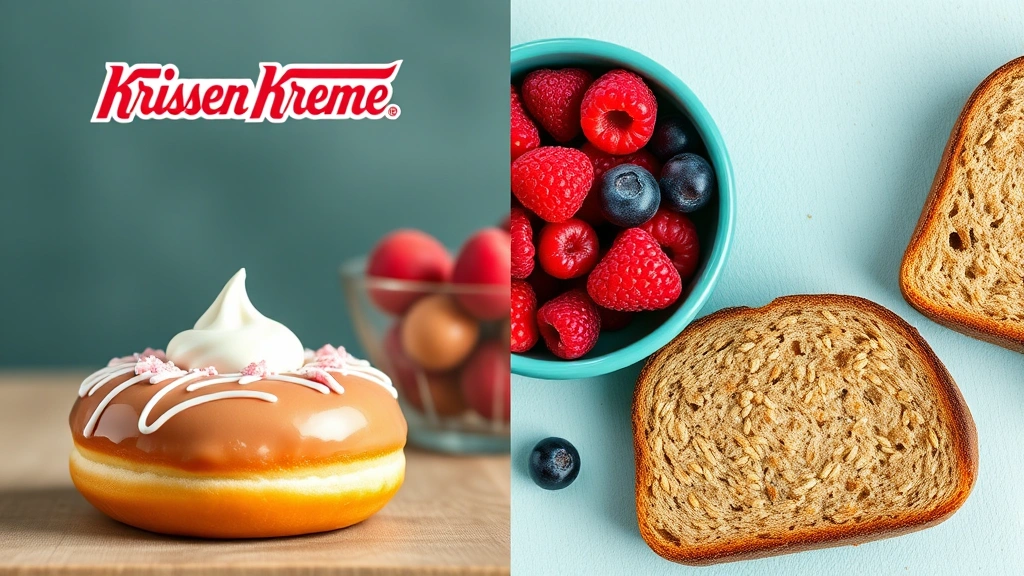
Krispy Kreme donuts lack the nutritional density of whole-grain toast with eggs, oatmeal with berries, or Greek yogurt parfaits. However, when paired with protein-containing beverages or foods, they can fit within balanced breakfast approaches, though frequency should remain limited.
Should I avoid Krispy Kreme entirely?
Complete avoidance isn’t necessary for most individuals. Strategic, infrequent consumption as part of an overall nutritionally balanced pattern poses minimal health risks. Individuals with diabetes, severe obesity, or cardiovascular disease should consult healthcare providers about appropriateness.
What makes Krispy Kreme donuts so high in calories?
Krispy Kreme donuts are fried (not baked), incorporating substantial fat. Additionally, the glaze and fillings add concentrated sugars and fats. The minimal protein and fiber content means calories don’t contribute to satiety, making them calorie-dense relative to nutritional benefit.
Visit the Nutrients Pathway Blog for additional nutritional insights and evidence-based dietary guidance.


