Large Banana Nutrition Facts: Dietitian Insights
Bananas are one of the most consumed fruits worldwide, and for good reason. A large banana isn’t just a convenient snack—it’s a nutritional powerhouse packed with essential vitamins, minerals, and compounds that support overall health. Whether you’re an athlete looking for quick energy, someone managing blood sugar levels, or simply curious about what you’re eating, understanding the detailed nutrition profile of a large banana is invaluable. This comprehensive guide, informed by dietitian expertise, breaks down exactly what makes bananas such a beneficial addition to your daily diet.
In this article, we’ll explore the complete nutritional breakdown of a large banana, examine its health benefits, discuss how it fits into various dietary patterns, and answer common questions about banana consumption. Whether you’re tracking macronutrients for fitness goals or simply want to make more informed dietary choices, the insights shared here will help you maximize the nutritional value of this humble fruit.
Complete Nutritional Breakdown of a Large Banana
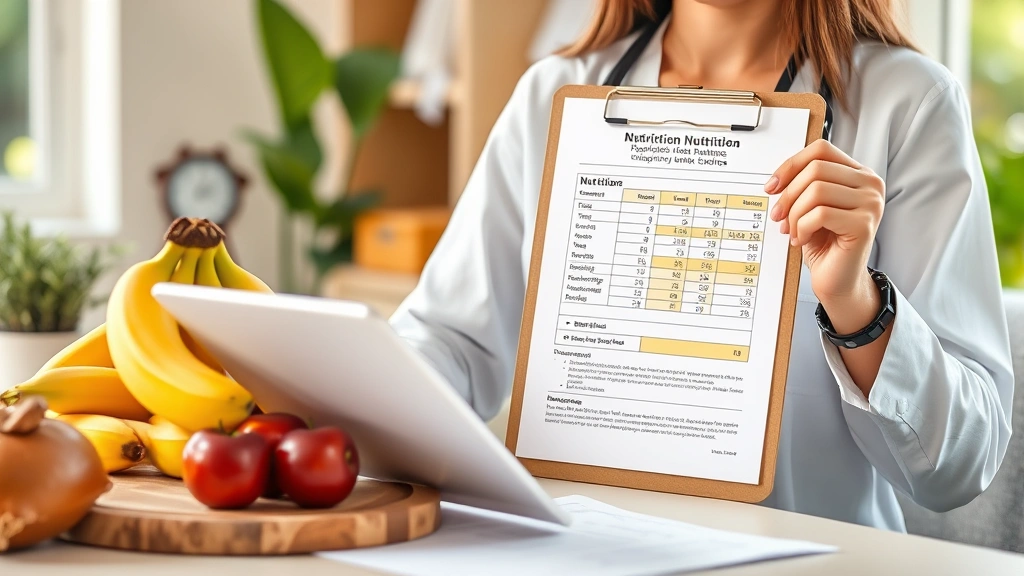
A large banana, typically weighing between 120-150 grams, contains approximately 121 calories, making it a relatively light but satisfying snack option. Understanding the complete nutritional profile helps you make informed decisions about portion sizes and meal planning. The USDA defines a large banana as one that measures 8-9 inches in length, distinguishing it from medium (7-8 inches) and small (6-7 inches) varieties.
The nutritional composition includes 27 grams of carbohydrates, with about 3.1 grams coming from dietary fiber and 14 grams from natural sugars. The protein content is modest at 1.5 grams, while fat is minimal at 0.4 grams. This macronutrient distribution makes bananas an excellent source of quick energy, particularly beneficial for pre-workout consumption or post-exercise recovery when combined with protein sources.
Beyond these basic macronutrients, a large banana delivers substantial amounts of potassium, vitamin B6, vitamin C, and manganese. The specific amounts vary slightly based on ripeness—yellower bananas contain more sugar, while greener bananas have higher resistant starch content, which functions similarly to fiber in your digestive system. As part of a healthy nutrition plan, bananas provide consistent nutritional value across different ripeness stages.
Macronutrients Explained
The macronutrient profile of a large banana is specifically suited to support energy production and cellular function. The carbohydrates present in bananas are primarily simple sugars and starch, which your body rapidly converts to glucose for immediate energy. This makes bananas particularly valuable for athletes and active individuals who need quick fuel sources.
Bananas contain approximately 27 grams of total carbohydrates per large fruit. Of these, about 3.1 grams are dietary fiber, which plays a crucial role in digestive health and blood sugar regulation. The remaining carbohydrates break down into glucose and fructose, providing sustained energy release depending on the banana’s ripeness. Interestingly, research from the USDA National Agricultural Library shows that unripe bananas contain resistant starch, a type of carbohydrate that behaves like fiber and supports gut health.
The protein content, while modest at 1.5 grams, contributes to the fruit’s overall nutritional profile. When consumed with protein-rich foods like Greek yogurt, nut butters, or nuts, bananas create a more complete amino acid profile. The negligible fat content—just 0.4 grams—makes bananas an excellent choice for those monitoring fat intake while still providing sustained energy.
Understanding these macronutrients is essential when planning your meals around specific dietary goals. Whether you’re focusing on carbohydrate loading before athletic events or managing caloric intake for weight loss, bananas fit naturally into most nutritional frameworks.
Essential Vitamins and Minerals
The micronutrient density of bananas is where they truly shine nutritionally. A single large banana provides over 400 milligrams of potassium, which represents approximately 12% of the daily recommended intake. Potassium is critical for heart health, blood pressure regulation, and muscle function. This mineral is particularly important for individuals who exercise regularly or have concerns about cardiovascular health.
Vitamin B6, also known as pyridoxine, is abundant in bananas at approximately 0.68 milligrams per large fruit—about 34% of the daily value. This vitamin is essential for brain development, immune function, and the creation of neurotransmitters that regulate mood and stress response. This connection between nutrition and mental wellbeing is explored in depth in our article on nutrition and mental health.
Vitamin C content in bananas, approximately 10.3 milligrams per large fruit, supports immune function and acts as an antioxidant. While bananas contain less vitamin C than citrus fruits, they provide a meaningful contribution to daily intake. Additionally, manganese content at 0.32 milligrams supports bone health and metabolic function.
The mineral profile extends to magnesium, which bananas provide in modest quantities. This mineral supports muscle relaxation, energy production, and nervous system function. When combined with potassium and other electrolytes, the mineral content of bananas makes them particularly valuable for rehydration and recovery after physical activity.
Key micronutrients in a large banana include:
- Potassium: 422 mg (12% DV)
- Vitamin B6: 0.68 mg (34% DV)
- Vitamin C: 10.3 mg (17% DV)
- Manganese: 0.32 mg (16% DV)
- Magnesium: 34 mg (8% DV)
- Folate: 25 mcg (6% DV)
Health Benefits for Different Populations
The nutritional composition of bananas makes them beneficial across diverse populations with different health needs and goals. For athletes and fitness enthusiasts, bananas serve as an ideal pre-workout snack due to their easily digestible carbohydrates and potassium content. The quick energy from banana sugars combined with the potassium helps prevent muscle cramps and supports sustained performance.
Individuals managing their weight can benefit from bananas’ fiber content and satiety factor. Despite their sweetness, bananas have a relatively low glycemic index, particularly when slightly green. This means they don’t cause dramatic blood sugar spikes, making them suitable for people monitoring glucose levels. The resistant starch in less-ripe bananas further supports healthy blood sugar management.
For digestive health, the dietary fiber in bananas feeds beneficial gut bacteria and supports regular bowel movements. The pectin fiber in bananas acts as a prebiotic, promoting the growth of healthy bacterial colonies. This connects to our comprehensive guide on the importance of dietary fiber for your health.
Older adults benefit from the potassium content, which supports heart health and may help maintain healthy blood pressure. The vitamin B6 in bananas supports cognitive function and may help maintain mental clarity. Additionally, the easily digestible carbohydrates make bananas an excellent choice for seniors who may have difficulty with harder-to-digest foods.
Pregnant and nursing women can safely consume bananas as part of their diet, benefiting from the folate content, which supports fetal development and nursing infant health. The mineral content also helps support the increased nutritional demands of pregnancy and lactation.
Bananas in Weight Management
Despite their natural sweetness, bananas can be valuable allies in weight management strategies. A large banana contains only 121 calories, making it a relatively low-calorie food option. The satiety provided by bananas—the feeling of fullness after consumption—often exceeds what their calorie count would suggest.
The fiber content plays a crucial role in this satiety effect. Three grams of dietary fiber per banana slows gastric emptying, meaning food remains in your stomach longer, promoting prolonged feelings of fullness. This can reduce overall caloric intake throughout the day by decreasing the likelihood of snacking on higher-calorie alternatives.
The resistant starch in less-ripe bananas provides additional weight management benefits. Research shows that resistant starch may increase fat oxidation and improve insulin sensitivity, both favorable for weight management. When choosing bananas for weight loss, selecting slightly greener fruits provides more resistant starch and less simple sugar.
Bananas also contain compounds like dopamine and serotonin precursors that may support mood regulation, potentially reducing emotional eating. The natural sweetness satisfies cravings for sugary foods without the excessive calories and additives found in processed desserts. As part of a balanced approach outlined in our healthy nutrition plan guide, bananas support sustainable weight management.
Research from the Harvard School of Public Health Nutrition Source indicates that whole fruits, including bananas, are associated with lower rates of weight gain compared to fruit juices or processed fruit products.
Incorporating Bananas Into Your Diet
The versatility of bananas makes them easy to incorporate into virtually any dietary pattern. For breakfast, bananas pair excellently with whole grain cereals, oatmeal, or yogurt. They provide natural sweetness without requiring added sugars. Sliced bananas add texture and nutrition to smoothie bowls, enhancing both the nutritional profile and visual appeal.
As post-workout nutrition, bananas combine well with protein sources. A banana with almond butter, Greek yogurt, or a protein shake creates a complete post-exercise meal that replenishes glycogen stores while supporting muscle recovery. This combination provides carbohydrates for energy replenishment and protein for muscle repair.
In baking and cooking, bananas offer natural sweetness and moisture. Overripe bananas work particularly well in banana bread, muffins, and smoothies where their concentrated sweetness is advantageous. For those avoiding refined sugars, bananas serve as a natural sweetening agent in many recipes.
Frozen bananas deserve special mention for their versatility. Sliced and frozen, they create a creamy base for smoothies, can be blended into soft-serve “nice cream,” or used in various desserts. Freezing bananas at peak ripeness preserves their nutritional value while extending shelf life considerably.
Bananas integrate seamlessly into various fruit and vegetable combinations, as part of balanced meals. Their mild flavor complements both sweet and savory applications, making them incredibly adaptable.
Popular banana consumption methods:
- Fresh banana as standalone snack
- Sliced in cereal or oatmeal
- Blended in smoothies and protein shakes
- Combined with nut butters for snacks
- Added to yogurt parfaits
- Frozen for nice cream or smoothies
- Baked in bread, muffins, or pancakes
- Added to tropical fruit salads
Visit the Nutrients Pathway Blog for additional recipes and nutritional guidance on incorporating bananas and other nutrient-dense foods into your daily diet.
For those following specific dietary patterns, bananas fit naturally into vegan, vegetarian, paleo, and most other approaches. They’re naturally gluten-free, allergen-friendly for most people, and widely available year-round at affordable prices.
FAQ
How many calories are in a large banana?
A large banana (8-9 inches) contains approximately 121 calories. This makes it a relatively light snack option that provides sustained energy through its carbohydrate content. The exact calorie count may vary slightly based on the specific banana’s size and ripeness, but 120-122 calories is the standard range for large bananas.
Is the potassium in bananas beneficial for blood pressure?
Yes, the potassium in bananas plays an important role in blood pressure regulation. Potassium helps counterbalance sodium’s effects on blood pressure and supports healthy vascular function. A single large banana provides over 400 milligrams of potassium, contributing meaningfully to the recommended daily intake of 2,600-3,400 milligrams for adults. Regular consumption of potassium-rich foods like bananas is associated with better cardiovascular health.
Can bananas help with muscle cramps?
Bananas may help prevent or reduce muscle cramps due to their potassium and magnesium content. These minerals are crucial for proper muscle function and contraction. While bananas alone aren’t a complete solution for cramps, their mineral content makes them valuable as part of a hydration and electrolyte strategy, particularly for athletes.
Are green or yellow bananas better nutritionally?
Both offer different nutritional benefits. Yellow bananas contain more simple sugars and are easier to digest, making them ideal for quick energy. Green bananas contain more resistant starch, which functions like fiber and supports gut health and blood sugar stability. Choose based on your specific needs: green for sustained energy and digestive health, yellow for immediate energy and easier digestion.
How much vitamin B6 does a banana provide?
A large banana provides approximately 0.68 milligrams of vitamin B6, which represents about 34% of the daily recommended value. This substantial amount supports brain function, immune health, and neurotransmitter production. Vitamin B6 is particularly important for mood regulation and stress response.
Can people with diabetes eat bananas?
People with diabetes can consume bananas as part of their meal plan, though portion control and banana ripeness matter. Less-ripe bananas with higher resistant starch content have a lower glycemic impact. Pairing bananas with protein or fat sources further moderates blood sugar response. Consulting with a healthcare provider or dietitian about appropriate portions for individual circumstances is recommended.
What’s the best time to eat a banana?
Bananas are beneficial at various times: before workouts for quick energy, after workouts combined with protein for recovery, with breakfast for sustained morning energy, or as a mid-afternoon snack to prevent overeating at dinner. The best time depends on your individual schedule and nutritional goals.
How does banana nutrition compare to other fruits?
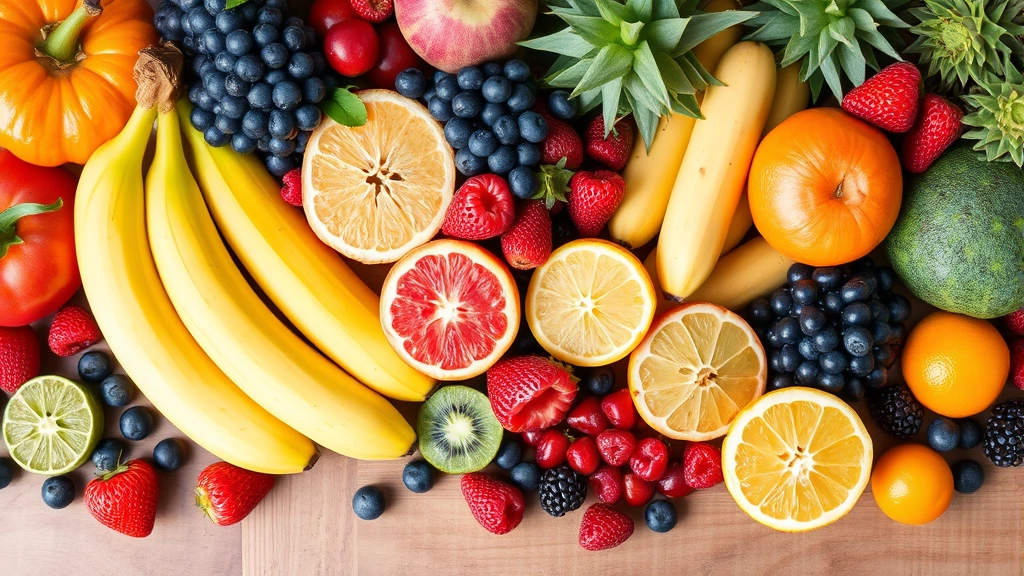
Bananas offer unique nutritional advantages, particularly in potassium and vitamin B6 content. While they contain less vitamin C than citrus fruits or berries, they provide more sustained energy due to their carbohydrate content. A varied fruit intake—including bananas, berries, citrus, and others—provides the broadest spectrum of nutrients.
Are there any reasons to limit banana consumption?
For most people, bananas are safe in normal quantities. Those with specific health conditions, such as kidney disease affecting potassium regulation, should discuss banana consumption with their healthcare provider. People managing blood sugar carefully may need to monitor portion sizes, though bananas are generally appropriate for most dietary patterns.