Lentil Soup Benefits? Dietitian Explains
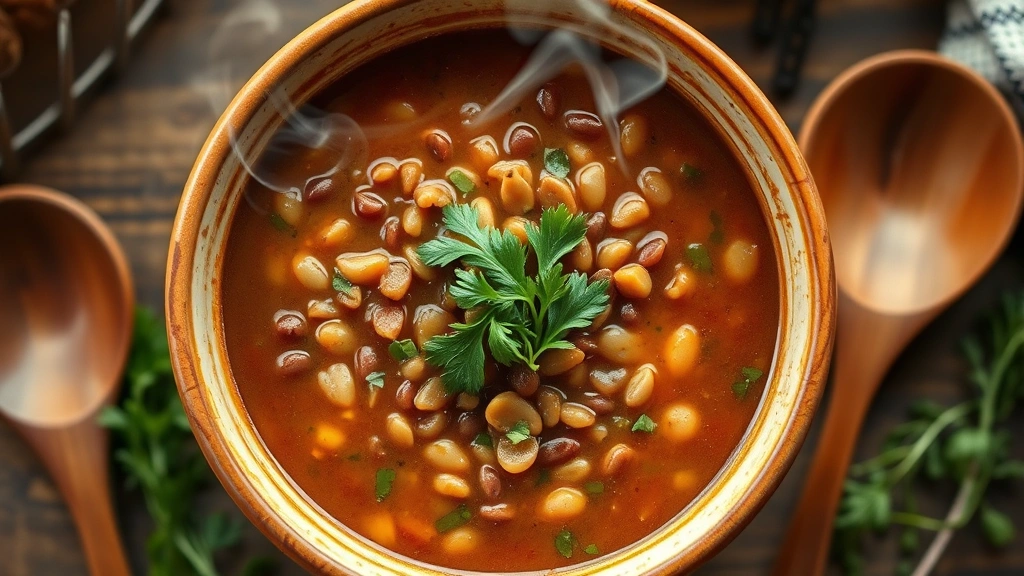
Lentil soup has emerged as one of the most nutrient-dense comfort foods available, combining accessibility with impressive health benefits that make it a staple in evidence-based nutrition recommendations. As a registered dietitian, I’ve observed growing interest in plant-based protein sources, and lentil soup represents an exceptional choice for individuals seeking sustainable, affordable nutrition without compromising on taste or satisfaction.
The beauty of lentil soup lies in its versatility and nutritional complexity. Whether you’re managing blood sugar levels, aiming to increase fiber intake, or simply looking for a meal that supports long-term wellness, understanding the specific nutritional profile of lentil soup can help you make informed dietary decisions. This guide breaks down the science behind lentil soup’s benefits and explains why it deserves a prominent place in your regular meal rotation.
Complete Nutritional Profile of Lentil Soup
Understanding the nutritional foundation of lentil soup requires examining both the primary ingredient and typical supporting vegetables. One cup of prepared lentil soup typically contains approximately 230 calories, making it an energy-efficient meal option. The macronutrient distribution reflects the legume’s composition: roughly 18 grams of carbohydrates, 9 grams of protein, and just 0.7 grams of fat per serving.
What distinguishes lentil soup from many other comfort foods is its exceptional nutrient density relative to caloric content. When you compare lentil soup to processed alternatives or cream-based soups, the difference becomes immediately apparent. The nutrients pathway blog discusses similar whole-food approaches to nutrition. Lentils themselves are classified as legumes, placing them alongside beans and chickpeas as nutritional powerhouses that have sustained human populations for millennia.
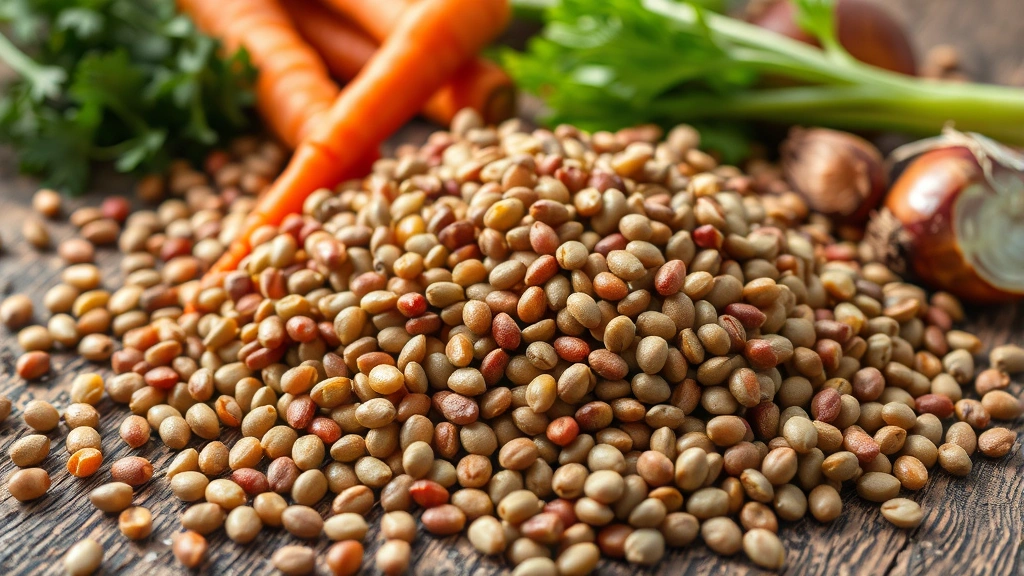
The typical lentil soup recipe incorporates onions, carrots, celery, and various seasonings—collectively known as the aromatic base in culinary terminology. These vegetables contribute additional micronutrients, phytonutrients, and fiber while adding minimal calories. This synergistic combination means that when you consume lentil soup, you’re not just consuming isolated nutrients but rather a complex food matrix that enhances bioavailability and nutrient absorption.

Protein Content and Plant-Based Amino Acids
Lentil soup serves as a particularly valuable protein source for individuals following plant-based diets or seeking to reduce animal product consumption. Each cup provides approximately 9 grams of protein—a substantial amount for a single serving of soup. More importantly, lentils contain all nine essential amino acids, though in varying proportions compared to animal proteins.
The amino acid profile of lentils is notably high in lysine and arginine while being relatively lower in methionine. This characteristic is why traditional culinary practices often paired lentils with grains like rice or bread—grains complement lentils’ amino acid profile, creating a complete protein when consumed together. Understanding this principle helps explain why healthy nutrition plans emphasize food pairing for optimal protein quality.
Research published in the Journal of the American College of Nutrition demonstrates that plant-based proteins from legumes like lentils are absorbed and utilized effectively by the human body, particularly when combined with other whole foods as part of a balanced meal. The protein in lentil soup is not merely present—it’s bioavailable and functional for muscle maintenance, immune function, and hormone synthesis.
Fiber Benefits for Digestive Health
One cup of lentil soup delivers approximately 8 grams of dietary fiber, representing roughly 30% of the recommended daily intake. This substantial fiber content provides multiple benefits for digestive system function and overall metabolic health. Lentils contain both soluble and insoluble fiber, each serving distinct physiological purposes.
Soluble fiber dissolves in water, forming a gel-like substance that slows gastric emptying and promotes feelings of satiety. This type of fiber is particularly beneficial for blood sugar regulation and cholesterol management. Insoluble fiber, conversely, adds bulk to stool and promotes regular bowel movements, supporting colon health and reducing the risk of diverticular disease.
The fiber in lentil soup also serves as a prebiotic—a food component that selectively stimulates the growth of beneficial bacteria in the colon. This aspect of lentil consumption connects to the broader discussion of how to improve nutrient absorption through gut microbiome optimization. A healthy microbiome enhances the extraction and utilization of nutrients from all foods consumed.
The gradual fermentation of lentil fiber by colonic bacteria produces short-chain fatty acids, particularly butyrate, which provides energy for colonocytes and possesses anti-inflammatory properties throughout the digestive tract.
Blood Sugar Management and Glycemic Impact
Lentil soup demonstrates a low glycemic index (GI), typically ranging from 21 to 32 depending on preparation method and ingredient additions. This low GI rating means that consuming lentil soup produces minimal acute blood glucose elevation, making it particularly valuable for individuals with diabetes or those seeking to prevent metabolic dysfunction.
The low glycemic response occurs through multiple mechanisms. First, the high fiber content slows carbohydrate digestion and glucose absorption. Second, lentils contain polyphenols—plant compounds with antioxidant and anti-inflammatory properties—that inhibit alpha-glucosidase enzymes responsible for carbohydrate breakdown. Third, the protein and fat content of lentil soup further moderate glucose absorption rates.
A systematic review published in Nutrition Reviews analyzed 21 randomized controlled trials examining legume consumption and glycemic control, finding that regular legume intake significantly improved both fasting glucose and hemoglobin A1c levels in individuals with and without diabetes. Lentil soup represents a practical, palatable method of achieving these benefits through regular dietary consumption.
For individuals managing blood sugar, the sustained energy release from lentil soup creates stable satiety and prevents the energy crashes associated with high-glycemic meals, supporting both metabolic health and consistent cognitive performance throughout the day.
Heart Health and Cardiovascular Benefits
Cardiovascular health represents one of the most significant potential benefits of regular lentil soup consumption. The heart-protective properties of lentils derive from multiple nutritional components working synergistically. The soluble fiber in lentils binds to cholesterol-containing bile acids, facilitating their excretion and reducing circulating LDL cholesterol levels.
Additionally, lentils contain polyphenols including catechin, epicatechin, and quercetin—compounds with proven anti-inflammatory and antioxidant properties. Chronic inflammation and oxidative stress represent primary mechanisms in atherosclerosis development, making these phytochemical components particularly valuable for cardiovascular protection.
Research from the Pew Research Center on dietary patterns indicates that populations consuming legumes regularly demonstrate significantly lower cardiovascular disease mortality rates compared to those with minimal legume intake. Furthermore, lentil soup provides potassium—approximately 365 milligrams per cup—which supports healthy blood pressure regulation through multiple mechanisms including vasodilation and sodium counterbalance.
The combination of fiber, potassium, polyphenols, and low sodium content makes lentil soup an evidence-based dietary intervention for cardiovascular disease prevention and management, particularly when incorporated into a broader nutrition plan that supports overall health.
Micronutrients and Essential Minerals
Beyond macronutrients and fiber, lentil soup delivers an impressive array of micronutrients essential for optimal physiological function. Iron content is particularly notable—one cup provides approximately 3.3 milligrams of iron, representing roughly 18% of the recommended daily intake for adult males and 41% for adult females (accounting for the higher iron requirement in menstruating individuals).
The iron in lentils exists primarily in non-heme form, which exhibits lower bioavailability compared to heme iron from animal sources. However, the vitamin C content from vegetables in lentil soup significantly enhances non-heme iron absorption. This exemplifies the importance of understanding nutrient interactions when evaluating food composition.
Lentil soup additionally provides folate (approximately 90 micrograms per cup), zinc (1.3 milligrams), magnesium (36 milligrams), and phosphorus (194 milligrams). Folate represents a critical nutrient for DNA synthesis, cell division, and homocysteine metabolism, making it particularly important for women of reproductive age and all individuals seeking to prevent neural tube defects and cardiovascular disease.
The mineral density of lentil soup supports bone health, immune function, enzymatic processes, and energy metabolism. The presence of polyphenols further enhances mineral bioavailability through mechanisms including chelation prevention and intestinal epithelial permeability optimization.
Weight Management Support
Lentil soup represents an exceptionally effective food for weight management and sustainable weight loss. The satiety-promoting properties derive from multiple factors: high protein content, substantial fiber volume, and low energy density (approximately 230 calories per cup despite significant nutrient content).
The combination of soluble fiber and protein creates prolonged postprandial satiety, reducing subsequent food intake and snacking behavior. Studies examining legume consumption in weight loss interventions consistently demonstrate that individuals incorporating legumes experience greater weight loss and improved weight maintenance compared to control groups consuming similar caloric amounts from other food sources.
The thermic effect of food (TEF) for protein is approximately 20-30%, meaning that consuming protein-rich meals like lentil soup increases post-meal energy expenditure compared to carbohydrate or fat-dominant meals. Additionally, the low glycemic index prevents blood sugar crashes that trigger increased hunger and cravings.
For individuals implementing meal planning strategies, lentil soup offers a nutritionally complete, satisfying option that fits within caloric targets while delivering exceptional nutrient density. The psychological satisfaction from consuming warm, flavorful soup supports dietary adherence—a critical factor in long-term weight management success.
Practical Tips for Maximum Nutritional Value
To optimize the nutritional benefits of lentil soup, several preparation and consumption strategies prove valuable. First, use whole lentils rather than red lentils, which break down during cooking and reduce soup texture. Green or brown lentils maintain structural integrity while providing superior fiber retention.
Second, incorporate a variety of vegetables including dark leafy greens, which increase micronutrient density and introduce additional phytonutrients. Spinach, kale, or chard contribute lutein, zeaxanthin, and additional iron while adding minimal calories. Tomatoes provide lycopene, an antioxidant with cardiovascular benefits.
Third, minimize sodium by using low-sodium broth and seasoning primarily with herbs and spices rather than salt. This approach maintains cardiovascular benefits while creating complex flavor profiles through compounds like capsaicin (from chili peppers), curcumin (from turmeric), and aromatic oils from garlic and onions.
Fourth, consume lentil soup with a whole grain or complete protein source if using it as a single-dish meal. Pairing with brown rice, quinoa, or whole grain bread completes the amino acid profile and provides additional fiber and micronutrients. Alternatively, pair with a small portion of animal protein if preferred.
Fifth, prepare lentil soup in batches and store appropriately. Proper storage in airtight containers maintains nutritional integrity for up to five days refrigerated or three months frozen. This approach facilitates consistent consumption and reduces reliance on less nutritious convenience foods.
Finally, recognize that lentil soup preparation allows for significant personalization. Adding bone broth instead of vegetable broth increases collagen and amino acid diversity. Incorporating fermented vegetables like sauerkraut introduces probiotics, further supporting gut microbiome health. These variations maintain nutritional excellence while preventing palate fatigue from repetitive consumption.
FAQ
Is lentil soup appropriate for individuals with kidney disease?
Individuals with advanced chronic kidney disease should consult healthcare providers before significantly increasing lentil consumption due to phosphorus and potassium content. However, those with early-stage kidney disease or normal renal function derive substantial benefits from lentil soup consumption. Portion control and fluid management remain important considerations in renal disease management.
Does cooking lentil soup reduce nutritional content?
Cooking enhances the bioavailability of certain nutrients while potentially reducing heat-sensitive vitamins. The soluble fiber content remains stable during cooking, and the minerals actually become more accessible. While some B vitamins and vitamin C may decline, the overall nutritional benefit increases due to enhanced mineral absorption and reduced antinutrient content.
Can lentil soup cause digestive discomfort?
Some individuals experience bloating or gas when significantly increasing legume consumption due to oligosaccharides—fermentable carbohydrates. Gradual introduction, adequate hydration, and thorough cooking minimize these effects. Soaking lentils before cooking and discarding soaking water further reduces oligosaccharide content. Most individuals adapt within 1-2 weeks of regular consumption.
How does lentil soup compare nutritionally to other legumes?
Lentil soup provides comparable protein and fiber to bean-based soups while offering slightly higher polyphenol content. The primary advantage of lentils involves shorter cooking times and superior texture in soup preparation. Nutritionally, all legumes—including beans, chickpeas, and peas—provide exceptional health benefits and can be incorporated into a varied, balanced diet.
Is canned lentil soup nutritionally equivalent to homemade?
Canned lentil soup typically contains added sodium and may include preservatives and additives not present in homemade versions. However, the micronutrient content remains relatively similar. Selecting low-sodium canned options and enhancing with fresh vegetables provides a reasonable convenience alternative when time constraints prevent homemade preparation. Reading ingredient labels ensures you select products with minimal additives.