Lentil Soup Nutrition Facts: Expert Insight
Lentil soup stands as one of the most nutrient-dense comfort foods available, combining accessibility with exceptional health benefits. This humble legume-based dish has sustained civilizations for thousands of years, and modern nutritional science continues to validate what traditional cultures have long understood: lentils deliver powerful nutrition in every spoonful. Whether you’re seeking to enhance your healthy nutrition plan or simply looking for wholesome meal options, understanding lentil soup’s nutritional profile proves invaluable.
The beauty of lentil soup lies in its versatility and nutritional completeness. A single serving delivers substantial protein, fiber, vitamins, and minerals while remaining remarkably low in fat and calories. This makes it particularly attractive for health-conscious individuals, athletes, and anyone managing dietary goals. Beyond basic nutrition, emerging research highlights how legume-based soups like lentil varieties support metabolic health, digestive function, and sustained energy throughout the day.
Nutritional Breakdown Per Serving
A typical serving of lentil soup (approximately one cup or 240 milliliters) contains roughly 230-250 calories, making it an efficient choice for calorie-conscious meal planning. The macronutrient distribution shows approximately 18 grams of carbohydrates, 9-12 grams of protein, and 1-2 grams of fat. This favorable macronutrient ratio explains why nutritionists frequently recommend lentil soup as a foundational component of balanced meals.
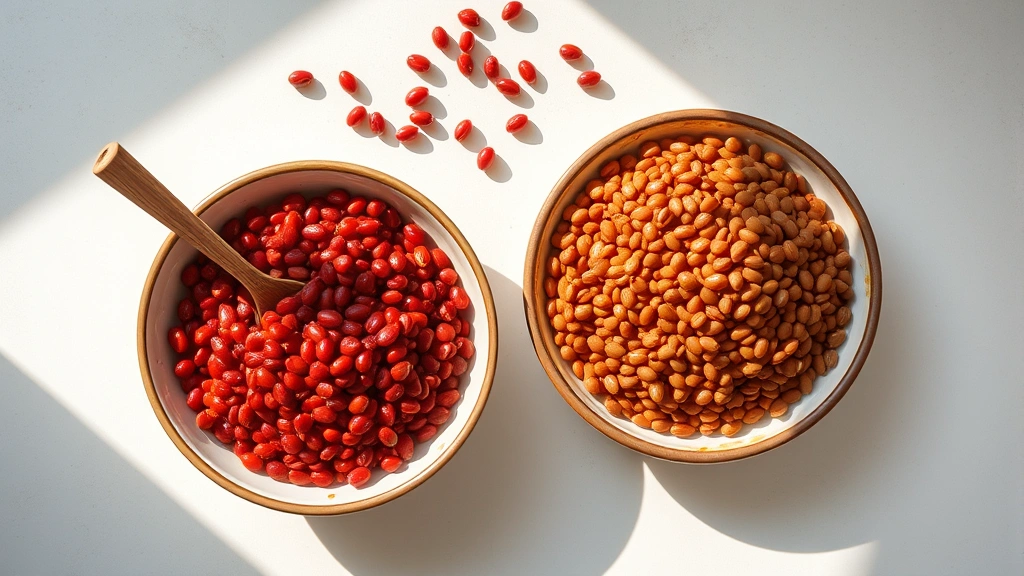
The exact nutritional values vary based on preparation methods, ingredient ratios, and added components. Traditional recipes using red lentils produce slightly different profiles than those using green or brown lentil varieties. When considering portion control for weight loss, lentil soup provides exceptional satiety relative to its caloric density, meaning you feel fuller longer despite consuming fewer calories.
Sodium content deserves attention, particularly for individuals managing hypertension or cardiovascular conditions. Homemade versions typically contain 500-800 milligrams of sodium per serving, while commercial varieties may exceed 1000 milligrams. Understanding this distinction allows for informed dietary choices aligned with individual health requirements and medical recommendations.
Protein Content and Amino Acids
Lentils rank among the highest-protein legumes available, delivering complete amino acid profiles when combined appropriately with grains or other complementary proteins. A single cup of cooked lentil soup provides 9-12 grams of protein, representing approximately 18-24% of the daily recommended intake for average adults. This substantial protein contribution makes lentil soup particularly valuable for vegetarians, vegans, and individuals seeking plant-based protein alternatives.
The amino acid composition of lentils includes all nine essential amino acids, though in varying concentrations. Lysine content proves particularly abundant in lentils, while methionine levels remain lower. This biochemical reality explains why traditional cuisines pair lentils with rice, grains, or bread—these combinations create nutritionally complete proteins with balanced amino acid profiles. When constructing your tips for meal planning, incorporating lentil soup alongside whole grains maximizes protein efficiency and bioavailability.
Research published in the Journal of the American College of Nutrition demonstrates that legume-based protein supports muscle maintenance and repair comparably to animal proteins when consumed as part of balanced dietary patterns. Athletes and active individuals increasingly recognize lentil soup as an effective post-workout recovery food, particularly when paired with carbohydrate sources for optimal glycogen replenishment.
Fiber Benefits and Digestive Health
Dietary fiber represents one of lentil soup’s most significant nutritional advantages. A single serving delivers 8-10 grams of fiber, encompassing both soluble and insoluble varieties. Soluble fiber dissolves in water, forming gel-like substances that slow digestion and promote stable blood sugar levels. Insoluble fiber remains intact through the digestive system, promoting regular bowel movements and supporting colon health.
This dual-fiber approach addresses multiple digestive mechanisms simultaneously. Soluble fiber feeds beneficial gut bacteria, promoting microbial diversity and metabolic byproducts associated with improved health outcomes. Insoluble fiber provides mechanical support for digestive tract function, reducing constipation risk and promoting regular elimination patterns. Together, these fiber components create an environment conducive to optimal gastrointestinal function and microbiome health.
The connection between dietary fiber and metabolic health extends beyond digestive function. According to research from Harvard School of Public Health’s Nutrition Source, individuals consuming adequate dietary fiber demonstrate improved insulin sensitivity, reduced inflammation markers, and better cardiovascular outcomes. Lentil soup’s fiber content directly contributes to these systemic health improvements, making regular consumption a practical dietary strategy for disease prevention.
Essential Vitamins and Minerals
Lentil soup delivers an impressive micronutrient profile spanning multiple vitamin and mineral categories. Folate content proves particularly notable, with one cup providing approximately 358 micrograms—roughly 90% of the daily recommended intake. This B-vitamin plays critical roles in cell division, DNA synthesis, and homocysteine metabolism, making adequate folate consumption essential for cardiovascular and neurological health.
Iron content in lentil soup ranges from 6-8 milligrams per serving, representing 33-44% of the daily recommended intake for adult men and 48-59% for adult women. This non-heme iron becomes more bioavailable when consumed with vitamin C sources, explaining why traditional recipes often incorporate tomatoes or include acidic elements. Manganese, molybdenum, and copper round out the mineral profile, supporting enzymatic reactions and antioxidant defenses throughout the body.
Polyphenol compounds in lentils function as powerful antioxidants, neutralizing free radicals and reducing oxidative stress at the cellular level. These phytonutrients have attracted significant research attention, with studies suggesting associations between legume consumption and reduced cancer risk, particularly for colorectal cancer. When combined with other nutrient-dense ingredients in soup preparation, lentils contribute to comprehensive nutritional support addressing multiple physiological systems simultaneously.
Caloric Profile and Weight Management
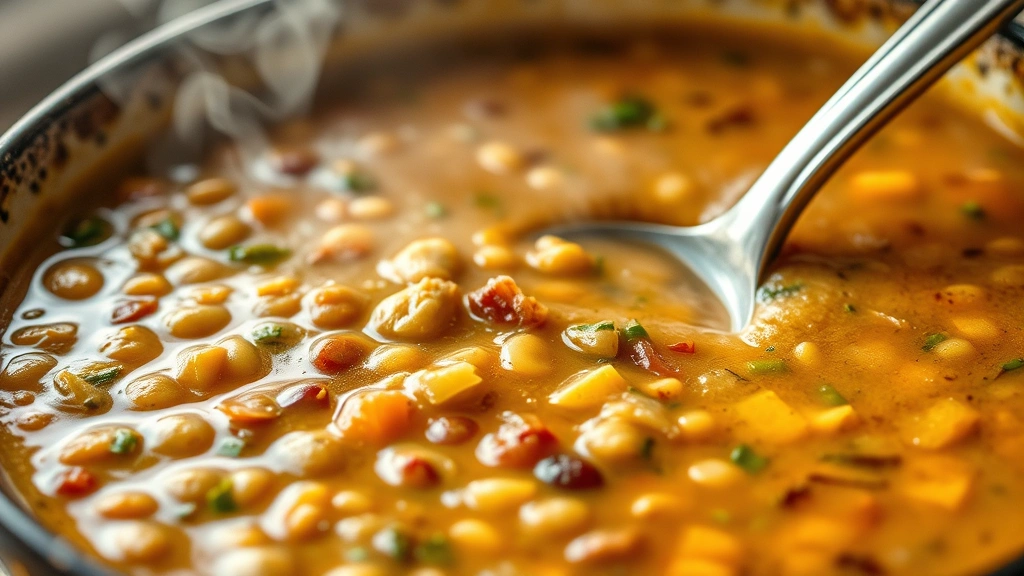
The caloric efficiency of lentil soup makes it particularly attractive for individuals managing weight or seeking sustainable dietary patterns. Despite delivering substantial protein, fiber, and micronutrients, a typical serving contains only 230-250 calories. This exceptional nutrient-to-calorie ratio explains why lentil soup appears frequently in evidence-based weight management programs and nutritional guidelines from major health organizations.
Satiety science reveals that protein and fiber combinations produce superior appetite suppression compared to carbohydrates or fats alone. Lentil soup’s substantial content of both macronutrients creates a synergistic effect, promoting prolonged fullness and reducing overall caloric intake throughout the day. Research from The New England Journal of Medicine consistently demonstrates that individuals incorporating legume-based soups into regular dietary patterns achieve superior weight management outcomes compared to those following calorie-restricted diets without legumes.
The glycemic index of lentil soup remains remarkably low, typically ranging from 20-32 depending on preparation methods and ingredient combinations. This low glycemic response prevents rapid blood sugar spikes and subsequent energy crashes, supporting stable energy levels and reduced hunger signaling throughout the day. For individuals managing diabetes or metabolic syndrome, lentil soup provides a cornerstone food supporting blood sugar regulation and metabolic health.
Documented Health Benefits
Epidemiological research consistently associates regular legume consumption with improved health outcomes across multiple disease categories. A comprehensive meta-analysis published in The Lancet demonstrated that individuals consuming legumes at least four times weekly showed 14% lower cardiovascular disease risk and 10% reduced mortality risk compared to minimal consumers. Lentil soup, as a concentrated legume source, likely contributes substantially to these protective associations.
Cardiovascular benefits derive from multiple mechanisms. The soluble fiber in lentils reduces LDL cholesterol levels, while the polyphenol content provides anti-inflammatory and antioxidant effects. Potassium content supports healthy blood pressure regulation, while the low sodium profile (when homemade) prevents sodium-related hypertension. Together, these factors create a cardiovascular-protective food profile validated by decades of nutritional epidemiology.
Beyond cardiovascular health, lentil soup consumption associates with improved glycemic control and reduced diabetes risk. Studies tracking individuals over multiple years demonstrate that those incorporating legumes regularly show better fasting glucose levels, lower HbA1c values, and reduced insulin resistance markers. The resistant starch formed during lentil cooking further enhances metabolic benefits, reaching the large intestine relatively undigested and feeding beneficial microbiota.
Mental health connections emerge from research examining nutrition and mental health, revealing that dietary patterns rich in legumes correlate with reduced depression and anxiety prevalence. Mechanisms likely involve improved gut microbiota composition, reduced inflammation, and stable neurotransmitter production—all supported by lentil soup’s nutritional components.
How Preparation Methods Impact Nutrition
Cooking methods significantly influence lentil soup’s final nutritional profile. Boiling at high temperatures for extended periods can leach water-soluble vitamins, particularly B vitamins and vitamin C. Conversely, slow-cooking methods at lower temperatures preserve heat-sensitive nutrients while allowing time for flavor development and nutrient extraction from complementary ingredients. Pressure cooking offers a middle ground, reducing cooking time while maintaining nutrient density.
Ingredient additions substantially modify nutritional outcomes. Adding coconut milk increases fat and caloric content while potentially providing medium-chain triglycerides with metabolic benefits. Incorporating cruciferous vegetables like broccoli or cabbage adds glucosinolates and additional fiber. Including tomato-based products enhances lycopene bioavailability through heat processing while contributing vitamin C for iron absorption enhancement. Understanding these synergistic effects allows for strategic recipe modifications aligned with individual nutritional objectives.
Storage conditions affect nutrient stability over time. Refrigerated lentil soup maintains nutritional integrity for 3-4 days, while freezing preserves nutrients for several months. Reheating should occur gently to minimize nutrient degradation, with steaming or low-temperature warming preferred over high-heat microwave reheating. For maximum nutritional benefit, consuming freshly prepared soup within 24 hours optimizes micronutrient retention while maintaining optimal flavor and texture profiles.
Seasoning choices warrant consideration from a nutritional perspective. Excessive salt addition increases sodium content, potentially problematic for hypertension management. Conversely, incorporating herbs and spices like turmeric, cumin, or ginger provides additional phytochemicals with anti-inflammatory and antioxidant properties. These flavor-building strategies enhance both nutritional density and culinary appeal without relying on sodium for taste development.

For comprehensive nutritional guidance, consult the Nutrients Pathway Blog for additional resources, or explore complementary topics like nutrition facts about avocados for broader nutritional education. These resources support informed dietary decision-making aligned with individual health objectives and lifestyle preferences.
FAQ
How much protein does lentil soup provide per serving?
A typical one-cup serving of lentil soup contains 9-12 grams of protein, representing approximately 18-24% of the daily recommended intake for average adults. When paired with whole grains, this protein becomes nutritionally complete with all essential amino acids in optimal ratios.
Is lentil soup suitable for individuals with diabetes?
Yes, lentil soup presents an excellent choice for diabetes management. Its low glycemic index (20-32), substantial fiber content, and protein combination produce minimal blood sugar elevation while promoting satiety and stable energy levels. However, portion sizes should align with individual carbohydrate targets and medical recommendations.
Can lentil soup support weight loss goals?
Lentil soup’s exceptional nutrient-to-calorie ratio makes it highly effective for weight management. The protein and fiber combination promotes prolonged satiety, reducing overall caloric intake throughout the day. Research demonstrates superior weight management outcomes when legume-based soups comprise regular dietary components.
What is the best way to maximize lentil soup’s nutritional benefits?
Pair lentil soup with whole grains for complete protein, incorporate vitamin C sources for iron absorption enhancement, use gentle cooking methods to preserve heat-sensitive nutrients, consume within 24 hours of preparation for optimal micronutrient retention, and limit added sodium when managing cardiovascular health.
Does canned lentil soup offer comparable nutrition to homemade versions?
Canned lentil soup typically maintains similar macronutrient profiles to homemade versions, though micronutrient retention varies based on processing methods and storage duration. Commercial varieties frequently contain significantly higher sodium levels, potentially problematic for hypertension management. Homemade preparation allows superior sodium control and ingredient quality assurance.
How often should individuals consume lentil soup for health benefits?
Research suggests that consuming legumes including lentil soup at least 3-4 times weekly optimizes health benefits. More frequent consumption provides additional cardiovascular protection and metabolic benefits, while occasional consumption still contributes meaningfully to overall nutritional status and disease prevention efforts.


