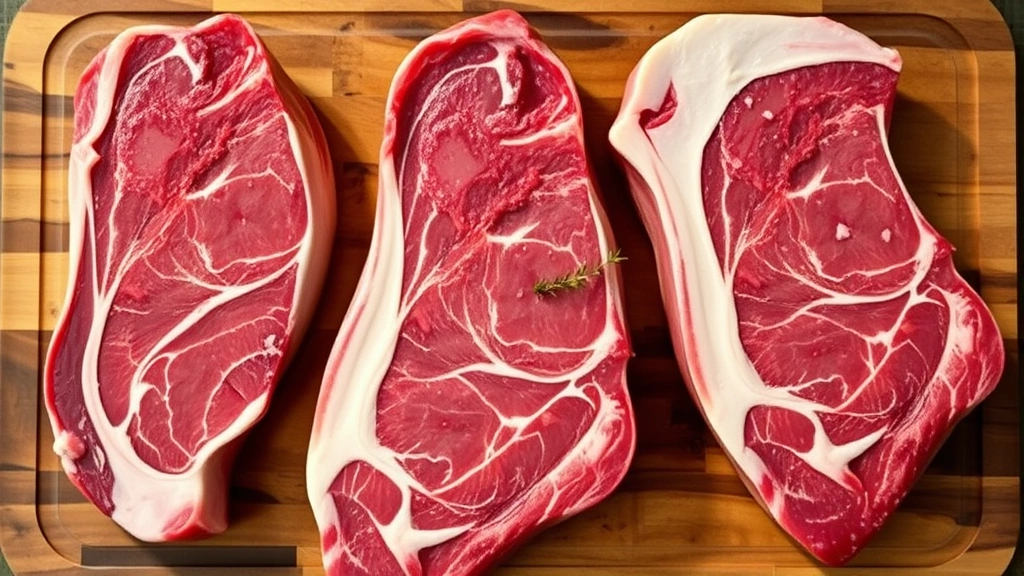
Longhorn Nutrition Chart: Dietitian Insight
The Longhorn cattle breed represents one of the most nutrient-dense beef sources available to modern consumers, yet many people remain unaware of the specific nutritional profile that makes this heritage livestock valuable. Unlike conventional feedlot beef, Longhorn meat offers a distinctive composition shaped by the breed’s unique metabolic characteristics, grazing patterns, and genetic predisposition toward leaner muscle development. Understanding the Longhorn nutrition chart requires examining not just macronutrient content, but the bioavailability of minerals, the ratio of beneficial fatty acids, and how this protein source compares to mainstream beef alternatives in contemporary dietary frameworks.
Dietitian insights into Longhorn beef consumption reveal emerging trends in regenerative agriculture, grass-fed nutrition science, and the growing consumer interest in heritage protein sources. As nutrition information hubs continue expanding their databases, Longhorn cattle products deserve specialized attention from health professionals and consumers alike. This comprehensive analysis explores the nutritional architecture of Longhorn beef, examining how its unique composition supports various dietary approaches and health objectives.
Understanding Longhorn Cattle Nutrition Fundamentals
Longhorn cattle, descendants of Spanish colonial livestock brought to North America in the 16th century, possess genetic markers that influence their nutritional output in measurable ways. These animals naturally develop leaner muscle tissue compared to modern feedlot breeds, resulting in beef with significantly lower total fat content while maintaining robust protein structures. The Longhorn nutrition chart reflects decades of adaptation to diverse grazing environments, creating an animal whose meat composition differs fundamentally from grain-fed alternatives.
The metabolic efficiency of Longhorn cattle contributes to their nutritional profile in several important ways. These cattle require less supplemental feeding, thrive on pasture-based diets, and maintain muscle integrity despite lower caloric intake compared to confined cattle operations. This efficiency translates directly into the amino acid profile present in their muscle tissue, with higher concentrations of essential amino acids relative to overall protein content. Dietitians examining the Longhorn nutrition chart often note the presence of complete proteins containing all nine essential amino acids in optimal ratios for human nutritional requirements.
Understanding the importance of dietary fiber and complementary protein nutrition helps contextualize how Longhorn beef functions within broader dietary strategies. While beef itself contains no dietary fiber, its protein matrix supports the absorption and utilization of fiber-rich foods consumed alongside it, creating synergistic nutritional effects.
Macronutrient Breakdown: Protein, Fat, and Carbohydrates
A typical 3.5-ounce (100-gram) serving of Longhorn beef ribeye contains approximately 24-26 grams of complete protein, establishing it as an exceptional protein source for muscle development, tissue repair, and metabolic function. This protein content remains consistent across various Longhorn cuts, though the distribution varies based on muscle group and anatomical location. The protein efficiency ratio of Longhorn beef—measuring how effectively the body converts dietary protein into functional muscle tissue—exceeds many conventional beef sources due to the optimal balance of amino acids.
Total fat content in Longhorn beef typically ranges from 8-12 grams per 100-gram serving, substantially lower than prime-grade conventional beef which often contains 20-25 grams of fat. This reduced fat content does not diminish nutritional value; rather, it shifts the macronutrient ratio toward protein, creating a more favorable composition for individuals pursuing lean muscle development or weight management objectives. The fat present in Longhorn beef carries significant nutritional importance, as it contains fat-soluble vitamins including vitamins A, D, E, and K2.
Carbohydrate content in pure Longhorn beef remains negligible at zero to trace amounts, making it suitable for ketogenic diets, carnivore approaches, and low-carbohydrate nutritional protocols. This absence of carbohydrates, combined with the protein density, creates a food product compatible with diverse dietary frameworks from paleo to elimination diets used in medical nutrition therapy.
The caloric density of Longhorn beef averages 180-220 calories per 100-gram serving, lower than conventional beef at 250-300 calories, primarily due to reduced fat content. This caloric efficiency enables individuals to consume adequate protein while maintaining caloric deficits necessary for fat loss objectives, a significant advantage recognized in sports nutrition and clinical dietetics.
Micronutrient Profile and Mineral Content
Examining the Longhorn nutrition chart reveals an impressive array of micronutrients, particularly minerals that modern diets frequently lack. Iron content in Longhorn beef reaches approximately 2.6 milligrams per 100-gram serving, with the majority present as heme iron—the highly bioavailable form that the human body absorbs at rates of 15-35%, compared to non-heme iron absorption rates of 2-20%. This distinction proves particularly important for individuals at risk of iron deficiency, including athletes, menstruating individuals, and those following plant-based diets supplemented with beef products.
Zinc concentration in Longhorn beef typically measures 6-8 milligrams per 100-gram serving, supporting immune function, wound healing, and protein synthesis. The bioavailability of zinc from beef exceeds plant-based sources due to the absence of phytates and other zinc-chelating compounds. Selenium content averages 30-35 micrograms per 100-gram serving, providing substantial portions of daily requirements for this critical antioxidant mineral involved in thyroid function and oxidative stress management.
Phosphorus, potassium, and magnesium appear in meaningful quantities within Longhorn beef, contributing to bone health, cardiovascular function, and enzymatic processes. The mineral density of Longhorn beef, combined with its protein matrix, creates an optimal environment for mineral absorption and utilization. improving nutrient absorption through strategic food pairing with Longhorn beef enhances the bioavailability of minerals from other dietary sources.
B-vitamin content deserves particular attention in the Longhorn nutrition chart analysis. Vitamin B12 concentration reaches 1.5-2.0 micrograms per 100-gram serving, exceeding daily requirements in a single serving and providing critical support for neurological function, red blood cell formation, and DNA synthesis. Niacin, riboflavin, and pantothenic acid all appear in substantial quantities, supporting energy metabolism and cellular function.
Fatty Acid Composition and Heart Health
The fatty acid profile of Longhorn beef demonstrates a composition increasingly recognized as supportive of cardiovascular health, particularly when compared to conventional feedlot beef. Grass-fed and pasture-raised Longhorn cattle develop higher concentrations of omega-3 polyunsaturated fatty acids relative to grain-fed alternatives, with alpha-linolenic acid (ALA) content reaching levels comparable to some fish sources. While beef remains a secondary source of omega-3 fatty acids compared to fish, the presence of these compounds in Longhorn beef supports anti-inflammatory processes and cardiovascular function.
The conjugated linoleic acid (CLA) content in Longhorn beef, particularly from grass-fed animals, ranges from 0.4-1.0 grams per 100-gram serving—substantially higher than grain-fed beef. CLA demonstrates potential benefits in body composition management, immune function enhancement, and inflammation reduction, though research continues regarding optimal intake levels and health outcomes. The presence of CLA distinguishes Longhorn beef from conventional sources and contributes to its reputation as a functional food.
Saturated fat content, while lower in Longhorn beef than conventional alternatives, still represents approximately 3-5 grams per 100-gram serving. Modern nutritional science increasingly recognizes the nuanced relationship between saturated fat consumption and cardiovascular health, particularly when saturated fat originates from whole food sources rather than processed products. The saturated fat composition of Longhorn beef includes stearic acid, which demonstrates neutral effects on cholesterol levels, and palmitic acid, which requires moderation but appears less problematic than previously believed when consumed in whole food contexts.
The monounsaturated fat content of Longhorn beef, primarily oleic acid, contributes approximately 40% of total fat content and provides cardiovascular benefits similar to those found in olive oil. This fatty acid profile supports healthy cholesterol ratios and provides anti-inflammatory compounds that complement the micronutrient content of the meat.
Comparison with Conventional Beef Sources
Longhorn beef distinguishes itself from conventional feedlot beef through multiple nutritional parameters that reflect fundamentally different animal husbandry approaches. While conventional beef from Angus or Hereford cattle raised in grain-feeding operations achieves higher intramuscular fat content—the marbling prized in steakhouse preparations—this fat accumulation comes at the expense of protein density and micronutrient concentration.
A detailed comparison reveals that Longhorn beef provides 15-20% more protein per calorie than conventional beef, making it superior for individuals prioritizing protein intake relative to caloric consumption. The mineral density of Longhorn beef, particularly iron and zinc, exceeds conventional beef due to the animals’ access to mineral-rich pasture and reduced reliance on supplemental grain-based feeds that dilute nutrient concentration.
The omega-6 to omega-3 fatty acid ratio represents another critical distinction. Conventional feedlot beef demonstrates a ratio of approximately 15:1 (omega-6 to omega-3), while grass-fed Longhorn beef achieves ratios closer to 4:1 or even 3:1. This improved ratio supports reduced inflammation markers and better cardiovascular health outcomes, aligning with contemporary nutritional science emphasizing the importance of balanced polyunsaturated fatty acid intake.
Longhorn beef also contains lower levels of pro-inflammatory compounds that accumulate in conventional beef due to grain-feeding protocols. The absence of residual antibiotics and hormones—common in conventional beef production—provides additional advantages for individuals seeking unmodified protein sources free from pharmaceutical residues.
Longhorn Beef in Specialized Diets
The nutritional architecture of Longhorn beef makes it exceptionally compatible with contemporary specialized dietary approaches. Within healthy nutrition plans, Longhorn beef serves as a cornerstone protein source supporting sustainable weight management through its high protein density and satiety-promoting properties.
Ketogenic diet practitioners benefit significantly from Longhorn beef’s minimal carbohydrate content combined with its favorable fat composition. The presence of medium-chain triglycerides and conjugated linoleic acid supports ketone production and metabolic flexibility without the excessive saturated fat burden of conventional beef. Athletes implementing cyclical ketogenic approaches find Longhorn beef particularly valuable for maintaining performance during low-carbohydrate phases.
Autoimmune protocol (AIP) diets, which eliminate inflammatory compounds and focus on nutrient density, align exceptionally well with grass-fed Longhorn beef. The elimination of grain-feeding reduces FODMAP content and inflammatory lipopolysaccharides present in conventional beef, while the mineral density supports the healing phase of AIP implementation. nutrition and mental health connections strengthen through Longhorn beef consumption, as the B12 content and amino acid profile support neurotransmitter synthesis and cognitive function.
Paleo and ancestral diet frameworks emphasize Longhorn beef as a representation of the nutrient-dense animal products consumed by hunter-gatherer populations. The nutritional profile aligns with evolutionary nutrition principles, providing complete proteins alongside micronutrient concentrations that support human thriving rather than mere survival.
Medical nutrition therapy applications increasingly incorporate Longhorn beef for individuals managing chronic disease states. Cancer patients undergoing treatment benefit from the protein density and micronutrient concentration during periods of nutritional stress. Individuals managing type 2 diabetes find Longhorn beef supportive due to its zero-carbohydrate nature and minimal glycemic impact, combined with satiety effects that reduce overall caloric intake.
Sustainability and Nutritional Integrity
The Longhorn nutrition chart cannot be properly understood without examining the agricultural systems that produce this beef. Regenerative grazing practices employed by Longhorn producers create environmental benefits that directly impact nutritional quality. Animals grazing on biodiverse pastures consume plants containing diverse phytonutrient profiles, which influence the nutrient composition of their tissues through bioaccumulation.
Grass-fed Longhorn production systems require significantly lower inputs of synthetic fertilizers, pesticides, and pharmaceutical interventions compared to conventional beef operations. This reduced chemical exposure means fewer residual compounds in the final product, supporting the nutritional integrity of the meat. The absence of grain-feeding protocols eliminates concerns regarding mycotoxin contamination and aflatoxin residues that can accumulate in conventional beef.
Soil health improvements associated with Longhorn grazing enhance the mineral density of forage plants, which subsequently increases mineral concentration in the beef produced. This system-level approach to nutrition recognizes that nutrient density emerges from ecological health rather than existing independently of agricultural practices. Consumers selecting Longhorn beef participate in agricultural systems that regenerate rather than deplete natural resources.
Water utilization efficiency in Longhorn production provides additional sustainability advantages. These cattle require less water per pound of meat produced compared to conventional feedlot operations, particularly those in water-stressed regions. This efficiency reduces the environmental footprint while maintaining nutritional output, creating a favorable nutrition-to-sustainability ratio.
The long-term nutritional availability of Longhorn beef depends on maintaining genetic diversity and preventing the consolidation of Longhorn breeding toward grain-finishing protocols that would compromise the distinctive nutritional profile. Supporting small-scale and medium-scale Longhorn producers preserves the nutritional integrity and agricultural resilience of this heritage breed.

FAQ
What makes Longhorn beef nutritionally different from conventional beef?
Longhorn beef contains higher protein density per calorie, lower total fat content, superior omega-6 to omega-3 ratios, and higher concentrations of minerals like iron and zinc compared to feedlot beef. These differences reflect the breed’s genetic predisposition toward lean muscle development and the grass-fed production systems typically employed.
Is Longhorn beef suitable for weight loss diets?
Yes, Longhorn beef’s high protein content combined with lower total fat and calories makes it excellent for weight loss. The protein density promotes satiety, reducing overall caloric intake while preserving lean muscle tissue during caloric deficits.
Does Longhorn beef contain omega-3 fatty acids?
Grass-fed Longhorn beef does contain omega-3 fatty acids, particularly alpha-linolenic acid, though in lower concentrations than fish sources. The improved omega-6 to omega-3 ratio compared to conventional beef provides anti-inflammatory benefits.
How does the B12 content of Longhorn beef compare to other protein sources?
Longhorn beef provides 1.5-2.0 micrograms of B12 per 100-gram serving, exceeding daily requirements in a single serving. This concentration far exceeds plant-based sources and equals or exceeds poultry and fish sources.
Can individuals with iron deficiency benefit from Longhorn beef?
Yes, significantly. Longhorn beef contains highly bioavailable heme iron at concentrations of 2.6 milligrams per 100 grams. The absorption rate of heme iron reaches 15-35%, making Longhorn beef an excellent choice for addressing iron deficiency.
Is Longhorn beef appropriate for people following carnivore diets?
Absolutely. Longhorn beef’s zero carbohydrate content, complete amino acid profile, and micronutrient density make it ideal for carnivore diet protocols seeking whole-food-based nutrition without plant compounds.
How should Longhorn beef be prepared to preserve nutritional content?
Gentle cooking methods including low-temperature slow cooking, sous vide, and moderate grilling preserve nutritional integrity better than high-heat searing. Avoiding charring and excessive cooking temperatures minimizes the formation of potentially problematic compounds.


