
Longhorn Steakhouse Nutrition Facts: A Dietitian’s Comprehensive Analysis
Longhorn Steakhouse has carved out a significant presence in the casual dining landscape, attracting millions of diners annually with its flame-grilled steaks and hearty portions. However, for health-conscious consumers navigating restaurant menus, understanding the nutritional values at Longhorn becomes essential. This guide breaks down the caloric content, macronutrient profiles, and dietary considerations across their menu offerings, providing you with actionable insights to make informed dining choices without sacrificing flavor or satisfaction.
As a dietitian reviewing restaurant nutrition data, I recognize that steakhouse dining presents unique challenges—large portions, generous fat content, and sodium-heavy preparations dominate traditional offerings. Yet Longhorn Steakhouse has made efforts to provide transparency through their published nutrition information, allowing diners to strategically select meals aligned with their health objectives. Whether you’re managing caloric intake, monitoring sodium consumption, or tracking macronutrients for performance goals, this analysis equips you with evidence-based recommendations for dining at Longhorn.
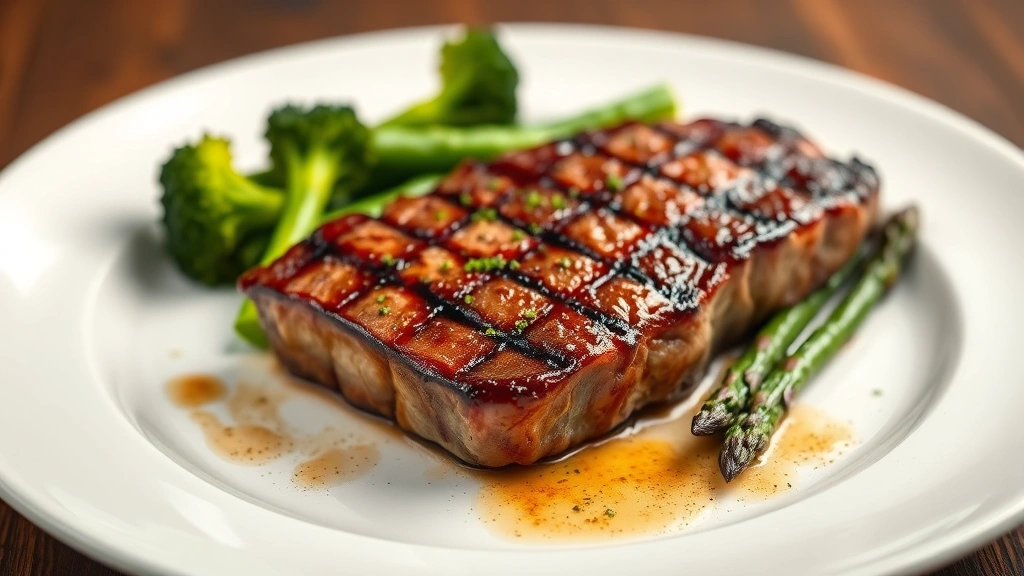
Understanding Longhorn’s Menu Structure and Portion Standards
Longhorn Steakhouse operates within the casual dining segment, where portion sizes typically exceed home-prepared meals by 50-100%. Their steaks range from 6-ounce petite filets to 16-ounce bone-in ribeyes, with corresponding nutritional variations. Understanding this structure matters because a single entrée at Longhorn often represents 60-80% of recommended daily caloric intake for a 2,000-calorie diet.
The restaurant’s menu philosophy centers on customization—diners select their protein, choose accompanying sides, and pair meals with starter courses and beverages. This modular approach creates both opportunities and challenges. On one hand, you can eliminate high-calorie components; on the other, the default combinations assume no dietary restrictions. The tips for meal planning principles apply directly here: advance decision-making prevents reactive choices driven by hunger or social pressure.
Longhorn’s published nutrition information covers their core offerings but excludes some preparation variations and made-to-order modifications. This transparency gap matters for precise tracking. When calorie counts aren’t available, registered dietitians recommend estimating based on visible fat content, portion size relative to standardized servings, and cooking method. Grilled preparations typically contain 30-50% fewer calories than fried or heavily sauced versions.

Protein Options: Steaks, Seafood, and Chicken Analyzed
The protein selection at Longhorn forms the nutritional foundation of any meal. Steaks vary dramatically in their nutritional profiles based on cut and preparation method. A 6-ounce petite filet contains approximately 240 calories and 11 grams of fat, while a 16-ounce bone-in ribeye delivers roughly 1,000 calories and 80 grams of fat. This 4x difference underscores why portion selection represents your primary lever for caloric control.
Lean cuts—filet mignon, sirloin, and flat iron steaks—provide superior nutritional profiles compared to fattier options like ribeyes and NY strips. A 6-ounce filet (approximately 240 calories) paired with vegetables delivers balanced macronutrients without excessive fat. For those pursuing nutrition for athletes, lean beef offers bioavailable iron, B12, and complete protein with minimal caloric overhead.
Seafood selections—salmon, mahi-mahi, and shrimp—introduce omega-3 fatty acids absent from red meat. Grilled salmon (6 ounces) contains roughly 280 calories with 17 grams of fat, but that fat composition differs substantially from beef fat. The omega-3 content (approximately 1.5 grams per 6-ounce serving) provides anti-inflammatory benefits supported by extensive cardiovascular research. Shrimp preparations, while typically lower in calories (100-150 for 6 ounces), often arrive in butter-based sauces that substantially increase fat content.
Chicken breast options represent the leanest protein available, containing 140-180 calories per 6-ounce grilled serving with only 3-5 grams of fat. However, Longhorn’s chicken preparations frequently incorporate sauces, breading, or butter-basting that compromise the inherent nutritional advantage. Requesting grilled chicken without added fats returns the dish to its lean baseline.
Caloric Content Across Popular Dishes
Understanding caloric density across Longhorn’s signature items enables strategic menu navigation. Their LongHorn Signature Sirloin (6 ounces) contains approximately 340 calories, placing it in the moderate range for steakhouse entrees. Adding sides—a loaded baked potato contributes 320 calories, while mac and cheese adds 440 calories—rapidly escalates total meal calories to 700-1,100 calories before appetizers or desserts.
Appetizers present concentrated calorie sources that often go untracked in dietary assessments. Their Grilled Shrimp Skewer (without sauce) runs 180 calories for 6 pieces, but paired with their signature cocktail sauce, total calories approach 220. Bloomin’ appetizers and fried selections routinely exceed 800-1,200 calories for shareable portions, making them problematic for those monitoring intake.
The nutrition facts label generator approach—deconstructing meals into component parts—helps estimate unlisted items. A steak (known calories) plus butter-based sauce (approximately 100 calories per tablespoon) plus side vegetables (25-50 calories) provides reasonable estimation frameworks. This methodology proves particularly valuable when restaurants omit specific preparation details.
Desserts at Longhorn range from 400-1,000+ calories, with their Chocolate Stampede cake exceeding 1,100 calories per serving. For those pursuing healthy nutrition plans, requesting smaller portions, sharing desserts, or selecting fresh fruit options (when available) preserves the meal’s overall nutritional integrity.
Sodium and Fat Considerations for Heart Health
Restaurant dining—particularly steakhouse settings—presents sodium challenges that often exceed individual daily recommendations. A single entrée at Longhorn frequently contains 1,200-1,800 mg sodium, representing 50-80% of the 2,300 mg daily recommendation from the American Heart Association. Adding appetizers, bread service, and seasoned sides can push sodium intake to 3,000+ mg in a single meal.
For individuals managing hypertension or cardiovascular conditions, this concentration matters significantly. Research from the American Heart Association demonstrates that chronic excess sodium consumption correlates with elevated blood pressure and increased cardiovascular disease risk. Requesting entrees prepared without added salt, declining bread service, and selecting vegetable sides (prepared without butter) reduces sodium burden by 400-600 mg per meal.
Fat composition deserves equal attention to total fat grams. Longhorn’s preparations emphasize saturated fat through butter, cream-based sauces, and fatty cuts. A typical steakhouse meal delivers 40-60 grams of saturated fat, compared to the 20-gram daily recommendation for 2,000-calorie diets. However, evidence increasingly distinguishes between saturated fat sources—grass-fed beef contains different fatty acid profiles than grain-fed varieties, though Longhorn doesn’t typically specify sourcing.
Requesting grilled preparations without butter, selecting lean cuts, and limiting cream-based sides reduces saturated fat intake by 50-70% while maintaining portion satisfaction. Research indicates that lean beef consumption, when paired with adequate fiber and plant foods, doesn’t substantially elevate cardiovascular disease markers in healthy populations.
Building a Balanced Meal at Longhorn
Strategic meal construction at Longhorn follows evidence-based nutritional principles while respecting the dining experience. Start with protein selection: a 6-ounce filet mignon or grilled salmon provides satiety without excessive calories. Request grilling without added butter, and specify no salt added to the cooking surface—this simple request reduces sodium by 300-400 mg.
Side selection determines whether a meal supports or undermines health objectives. Steamed broccoli, roasted asparagus, or green beans (prepared simply, without cream sauces) contribute fiber, micronutrients, and volume with minimal caloric cost—typically 50-100 calories per serving. Conversely, loaded baked potatoes, mac and cheese, or creamed spinach add 300-500 calories while reducing nutrient density.
The how to improve nutrient absorption principle applies to steakhouse dining: pairing nutrient-dense vegetables with lean protein enhances micronutrient bioavailability. The vitamin C in broccoli, for instance, enhances iron absorption from beef—a synergistic combination that maximizes nutritional value from your meal.
Beverage selection significantly impacts overall meal nutrition. Water, unsweetened tea, or black coffee (zero calories) contrasts sharply with soft drinks (140-180 calories per 12 ounces) or alcoholic beverages (100-300 calories). A single cocktail can represent 15-20% of daily caloric intake, making beverage mindfulness essential for those tracking intake closely.
Strategic Modifications for Dietary Goals
Longhorn’s staff generally accommodates reasonable modifications, though communication clarity matters. Rather than requesting vague “healthy” preparations, specify precise modifications: “grilled without butter or oil, salt applied after cooking, steamed vegetables without cream sauce.” This specificity prevents kitchen misinterpretation that could derail dietary adherence.
For calorie-restricted diets (1,500-1,800 calories daily), a reasonable Longhorn meal consists of: 6-ounce lean steak (240-280 calories), vegetable side (75 calories), salad with light dressing (100 calories), and water or unsweetened beverage (0 calories), totaling approximately 415-455 calories. This approach leaves room for breakfast, lunch, and snacks while maintaining realistic adherence.
For high-protein goals—particularly relevant for nutrition for athletes or those pursuing muscle development—Longhorn’s protein abundance becomes advantageous. A 9-ounce lean steak delivers 50+ grams of complete protein with manageable fat content. Pairing this with additional protein sources (egg appetizer, shrimp) can push protein intake to 70-90 grams in a single meal, supporting muscle protein synthesis when timed appropriately around training.
For low-sodium diets (below 2,300 mg daily), Longhorn presents challenges given their cooking practices. Requesting “no salt added” during cooking, declining bread service, and selecting fresh vegetable sides (prepared plain) reduces sodium to approximately 600-800 mg per entrée—manageable within daily targets. However, this requires explicit communication and may not suit all restaurant visits.
Comparing Longhorn to Industry Standards
Longhorn Steakhouse operates within established casual dining parameters regarding nutrition. Compared to fine dining steakhouses, Longhorn’s portions run slightly smaller while maintaining similar caloric density. Compared to quick-service burger chains, Longhorn’s steaks offer superior protein quality and micronutrient profiles, though at higher absolute caloric cost.
Research from the CDC’s Nutrition and Physical Activity division indicates that restaurant meals average 1,200+ calories per entrée, with casual steakhouses clustering toward the higher end (1,000-1,400 calories). Longhorn’s range—roughly 600-1,200 calories for entrées depending on cut and preparation—falls within industry norms, though their transparency regarding nutritional information exceeds many competitors.
A peer-reviewed analysis of casual dining nutrition found that steakhouse selections, despite high caloric content, provided superior micronutrient density compared to other casual dining categories. The iron, zinc, B12, and selenium content in beef supports multiple physiological functions, making steakhouse meals nutritionally valuable despite caloric concentration.
For comparative perspective: a typical Longhorn entrée (800-1,000 calories) represents 40-50% of daily intake for a 2,000-calorie diet, while providing 50-60 grams of complete protein. A comparable quick-service meal might deliver 900-1,100 calories with only 30-35 grams protein, making Longhorn’s protein-to-calorie ratio relatively favorable despite higher absolute calories.
FAQ
What’s the lowest-calorie entrée at Longhorn Steakhouse?
The 6-ounce Petite Filet represents the lowest-calorie protein option at approximately 240-280 calories. Paired with steamed vegetables and avoiding butter, a complete entrée stays under 400 calories. However, actual lowest-calorie meals depend on specific preparation requests and side selections.
Can I get nutritional information for specific menu items?
Longhorn publishes nutrition information for most menu items on their website and through nutrition databases. However, custom modifications aren’t always reflected. For precise information on modified dishes, contact the restaurant directly or request that kitchen staff document actual preparation.
How much sodium is in a typical Longhorn meal?
A standard entrée with sides typically contains 1,200-1,800 mg sodium. Requesting no salt added during cooking and declining seasoned sides reduces this to 600-900 mg. Appetizers, bread service, and sauces add additional sodium—potentially pushing total meal sodium to 2,500+ mg if multiple courses are consumed.
Are there heart-healthy options at Longhorn?
Yes. Grilled lean proteins (filet, sirloin), steamed vegetable sides, and salads with light dressing support heart health goals. Requesting preparations without added butter or salt, and limiting saturated fat through portion control, enables heart-healthy Longhorn dining despite the restaurant’s traditional steakhouse positioning.
What modifications should I request for weight loss goals?
Request: grilled protein without butter, steamed vegetables without cream sauce, salad with dressing on the side, and no bread service. These modifications can reduce a typical 1,100-calorie meal to 400-500 calories while maintaining satiety through protein and fiber content.
How does Longhorn’s nutrition compare to other steakhouses?
Longhorn’s caloric content and macronutrient profiles align closely with industry standards. Their primary advantage lies in nutrition transparency—published information allows informed menu navigation. Fine dining steakhouses often provide less detailed nutrition data, making Longhorn a more accessible option for nutrition-conscious diners.
Can I track macronutrients at Longhorn?
Yes, using published nutrition data and the nutrition facts label generator approach to estimate components. A 6-ounce steak (known protein/fat), plus side vegetables (known carbs/fiber), plus any sauces (estimated fat/sodium) provides reasonable macronutrient estimates for tracking purposes. Apps like MyFitnessPal include Longhorn data for most standard menu items.


