Longhorn Steakhouse: Healthy Choices Guide
Dining at Longhorn Steakhouse doesn’t mean sacrificing your health goals. With thoughtful menu selections and smart modifications, you can enjoy satisfying meals while maintaining nutritional balance. This comprehensive guide reveals how to navigate Longhorn’s offerings to find protein-rich, nutrient-dense options that align with wellness objectives.
Steakhouse dining presents unique challenges: portion sizes exceed daily recommendations, sodium content climbs rapidly, and calorie-dense preparations dominate menus. However, Longhorn Steakhouse provides transparency through detailed nutrition information and flexible customization options. Understanding how to leverage these tools transforms your dining experience from indulgent to intentional.
Understanding Longhorn’s Nutrition Profile
Longhorn Steakhouse specializes in premium beef cuts, which naturally deliver high-quality protein and essential minerals like iron, zinc, and B vitamins. A typical steakhouse meal without modifications ranges from 1,200 to 2,500 calories—potentially exceeding daily requirements in a single sitting. The challenge lies not in the protein quality but in portion control and preparation methods.
According to Pew Research Center’s consumer behavior studies, Americans increasingly demand nutritional transparency from restaurant chains. Longhorn responds by publishing complete nutrition data, including calories, protein, fat, carbohydrates, and sodium for every menu item. This transparency enables informed decision-making.
Understanding macronutrient distribution matters significantly. A healthy nutrition plan typically allocates 25-35% of calories to protein, 20-35% to fat, and 45-65% to carbohydrates. Steakhouse meals naturally skew toward protein and fat, requiring strategic side selections to achieve balance.

Protein-Focused Entrees Under 700 Calories
Selecting lean cuts and smaller portions forms the foundation of healthy steakhouse dining. Longhorn’s menu includes several options that deliver substantial protein without excessive calories when ordered wisely.
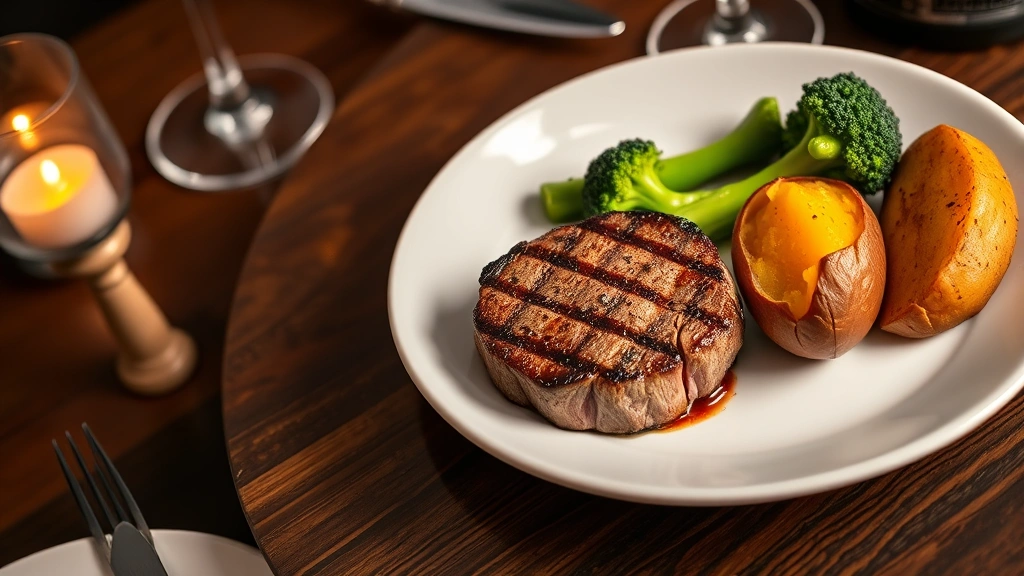
Filet Mignon (5 oz) represents an exceptional choice, providing approximately 370 calories and 42 grams of protein. This cut contains less marbling than ribeye or New York strip, reducing fat content while maintaining tenderness. The protein-to-calorie ratio surpasses most restaurant proteins, making it ideal for muscle maintenance and satiety.
Sirloin Steak offers another lean alternative with approximately 400 calories per 6 oz serving and 45 grams of protein. Sirloin contains slightly more connective tissue than premium cuts, requiring proper cooking temperature to ensure tenderness—request medium or medium-rare preparation.
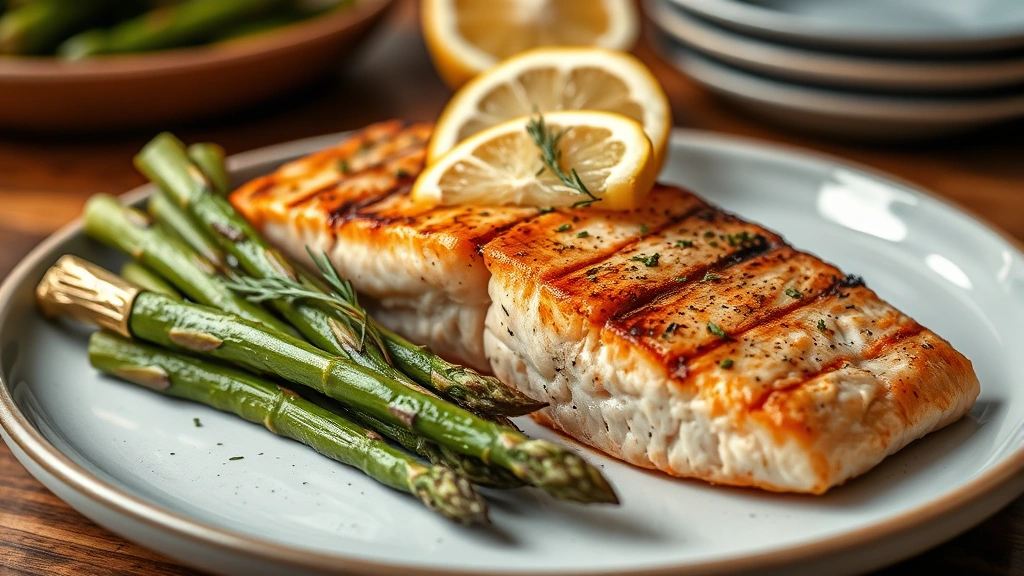
Grilled Salmon provides omega-3 fatty acids alongside high-quality protein. A 6 oz portion contains roughly 360 calories and 40 grams of protein, with approximately 2 grams of omega-3s supporting cardiovascular and cognitive health. This selection offers nutritional diversity beyond red meat.
When ordering entrees, request preparation methods that minimize added fats. Ask servers to grill without butter, or request butter on the side for portion control. This simple modification can reduce calories by 100-200 per serving.
Smart Appetizer Selections
Appetizers typically represent calorie traps, with fried preparations and cheese-heavy options delivering 400-600 calories before your entree arrives. However, strategic appetizer choices can provide nutritional value and satiety.
Grilled Shrimp appetizers deliver approximately 150-200 calories with 25 grams of protein in a 6 oz serving. Shrimp contains minimal fat while providing selenium and vitamin B12. Request cocktail sauce on the side rather than incorporated into the preparation.
Oysters offer exceptional nutritional density with only 50-70 calories per oyster and 5-7 grams of protein. They provide zinc, copper, and selenium—minerals crucial for immune function. Six oysters constitute a satisfying appetizer under 400 calories.
House Salad with grilled chicken or shrimp creates a substantial appetizer that addresses vegetable intake. Request dressing on the side and specify olive oil-based options rather than creamy preparations. This choice provides fiber, micronutrients, and volume for approximately 250-300 calories.
Avoid fried appetizers, cheese-forward selections, and creamy dips. These preparations add empty calories without corresponding nutritional benefit. Strategic meal planning begins with appetizer selection, establishing satiety patterns that influence entree portion decisions.
Side Dish Strategy
Side dishes determine whether your steakhouse meal supports or undermines health objectives. Longhorn offers flexibility in side selection, enabling customization toward nutritional goals.
Steamed Broccoli provides approximately 60 calories, 5 grams of carbohydrates, and 5 grams of protein per serving. Broccoli contains sulforaphane, a compound researched for anti-inflammatory properties. Request steaming without butter, or request butter on the side for controlled application.
Roasted Asparagus offers similar caloric density (approximately 50-70 calories) with asparagine, an amino acid supporting kidney function and natural diuretic properties. This selection provides vegetable volume without significant calorie contribution.
Sweet Potato delivers complex carbohydrates with approximately 160 calories per 5 oz serving. Sweet potatoes provide beta-carotene, fiber, and potassium—supporting eye health, digestive function, and blood pressure regulation. This side choice balances protein-heavy entrees with nutrient-dense carbohydrates.
Garden Salad with oil-based dressing provides leafy greens, fiber, and micronutrients for approximately 150-200 calories depending on dressing quantity. Specify vinaigrette rather than creamy dressing, and request dressing on the side.
Avoid loaded potato preparations, creamed vegetables, and bread-based sides. Mac and cheese, loaded baked potatoes, and buttered pasta sides can add 400-600 calories while providing minimal nutritional value. Two vegetable sides instead of one starch and one vegetable creates a more balanced nutritional profile.
Beverage Choices That Support Wellness
Beverage selections significantly impact total meal caloric content and nutrient density. Strategic choices enhance rather than undermine your health objectives.
Water remains the optimal choice, providing hydration without calories or added ingredients. Sparkling water with lemon offers sensory satisfaction if still water feels monotonous. This selection supports satiety and digestive function.
Unsweetened Tea provides antioxidants including catechins and polyphenols. Green tea offers L-theanine, promoting calm focus. Black tea provides theaflavins supporting cardiovascular health. Request unsweetened preparation, as sweetened versions contain 20-40 grams of sugar per serving.
Red Wine in moderation (5 oz serving) provides approximately 125 calories with resveratrol, a polyphenol researched for cardiovascular benefits. Limit to one serving for women, two for men, according to dietary guidelines. American Heart Association guidelines support moderate wine consumption as part of heart-healthy eating patterns.
Avoid sugary cocktails, sweet wines, and full-calorie soft drinks. A single cocktail can contain 250-400 calories plus 20-40 grams of added sugar. These beverages provide rapid blood sugar spikes without satiety benefits.
Customization Tactics for Better Nutrition
Restaurant success depends on communicating preferences clearly and confidently. Longhorn staff accommodate reasonable modifications supporting dietary objectives.
Request Preparation Modifications: Ask for grilling without added butter, oil, or salt. Request vegetables steamed rather than sautéed. These modifications reduce calories by 100-200 per item without affecting quality or satisfaction.
Portion Control Strategies: Consider sharing entrees with companions, or request a to-go container upon arrival and portion half your meal immediately. Steakhouse portions (10-14 oz steaks) exceed USDA recommended serving sizes (3-4 oz). Reducing portion size while maintaining quality protein creates appropriate nutrition without deprivation.
Sauce Management: Request sauces on the side. Butter-based sauces and reductions add 50-100 calories per tablespoon. Controlling sauce application maintains flavor while managing caloric intake. Compound butters, béarnaise, and hollandaise represent primary calorie contributors.
Vegetable Maximization: Request double vegetable sides instead of vegetable plus starch. This modification increases fiber, micronutrient density, and satiety while reducing refined carbohydrate intake. Most restaurants accommodate this preference without additional charge.
Communication matters significantly. Servers appreciate specific requests presented politely. Explain you’re managing health objectives, and most establishments respond supportively with customizations enhancing your experience.
Building Your Balanced Plate
Creating a nutritionally balanced steakhouse meal requires intentional component selection. Use this framework for decision-making:
Protein Foundation (40-50% of plate): Select lean cuts (filet mignon, sirloin, salmon) in appropriate portions (5-6 oz). This component provides satiety, supports muscle maintenance, and delivers essential amino acids. Quality protein selection distinguishes healthy steakhouse dining from indulgent consumption.
Vegetable Volume (35-45% of plate): Allocate more than half your remaining plate space to vegetables. Request two vegetable sides, or supplement entree vegetables with a salad. This approach increases fiber, micronutrients, and satiety while naturally reducing caloric density. Nutrition guidance resources consistently emphasize vegetable volume as foundational to sustainable healthy eating.
Complex Carbohydrates (10-15% of plate): Include one modest portion of complex carbohydrates—sweet potato, brown rice, or legume-based sides. This component provides sustained energy, fiber, and micronutrients. Limit refined carbohydrates and processed starches.
Healthy Fats (Naturally Present): Steakhouse meals naturally include dietary fat from protein sources. Additional fat additions (butter, oil, creamy sauces) should remain minimal. Natural fat content supports nutrient absorption and satiety without requiring supplementation.
This plate composition delivers approximately 500-700 calories with 40-50 grams protein, 30-40 grams carbohydrates, and 20-30 grams fat—aligning with evidence-based nutrition recommendations for sustainable wellness.
Mindful eating practices enhance the dining experience. Eat slowly, engage in conversation, and assess satiety throughout the meal. Restaurant environments encourage rapid consumption and oversized portions; intentional pacing supports appropriate intake regardless of plate size.
FAQ
What’s the healthiest cut of beef at Longhorn Steakhouse?
Filet mignon and sirloin represent the leanest options, delivering high protein with lower fat content than ribeye or New York strip. Filet mignon contains approximately 8-10 grams fat per 5 oz serving, while ribeye contains 18-20 grams. Request 5-6 oz portions rather than standard 10-12 oz sizes for better caloric control.
How can I reduce sodium intake at a steakhouse?
Request preparation without added salt, and avoid salted sides like fries and potato preparations. Request sauces on the side—many contain substantial sodium. Ask servers about low-sodium options, and focus on vegetables and grilled proteins without seasoning salt. A single steakhouse meal can contain 2,000-3,000 mg sodium (80-125% of daily recommendations); requesting modifications helps manage this substantially.
Are there vegetarian options supporting healthy nutrition?
Longhorn offers vegetable sides, salads, and seafood options accommodating vegetarian preferences. Build meals around grilled salmon, shrimp, or substantial salads with protein additions. Request vegetable-forward sides and emphasize preparation modifications reducing added fats. While steakhouse environments center on beef, creative ordering accommodates various dietary preferences.
What beverage pairs well with healthy steakhouse meals?
Water, unsweetened tea, and moderate red wine represent optimal choices. These beverages provide hydration or beneficial compounds without excessive calories or added sugar. Avoid sugary cocktails, sweet wines, and soft drinks. If consuming alcohol, limit to one serving and allocate these calories within daily targets.
How does understanding specific food nutrition improve restaurant choices?
Nutritional knowledge enables confident decision-making across restaurant environments. Understanding protein density, fat content, and caloric values helps identify optimal selections without requiring perfect information. Learning macronutrient composition of common foods builds intuition supporting healthy choices in any dining context.
Can steakhouse dining fit into structured meal plans?
Absolutely. Strategic ordering ensures steakhouse meals align with daily nutrition targets. Pre-plan your meal by reviewing nutrition information online, decide on modifications supporting your objectives, and communicate clearly with servers. This approach integrates occasional steakhouse dining into sustainable nutrition supporting overall wellness rather than derailing progress.