Table of Contents
Introduction
You know that feeling when you eat something and your energy shoots through the roof, only to come crashing down an hour later? Yeah, we’ve all been there. Then there are those other foods that somehow keep you feeling steady and satisfied for hours. What’s the difference? It often comes down to something called the glycemic index—or GI for short.
Low glycemic index foods are having quite a moment right now, and for good reason. They’re pretty amazing at keeping your blood sugar steady instead of sending it on a roller coaster ride. Whether you’re trying to lose weight, manage diabetes, or just feel better overall, understanding how these foods work could be exactly what you’ve been looking for.
So here’s the deal with the glycemic index: it basically measures how fast different carbs spike your blood sugar after you eat them. Low GI foods? They release glucose slowly and steadily into your bloodstream. Think of it like a gentle stream versus a rushing waterfall. This steady release helps keep your energy consistent and makes you feel full longer—which is great news whether you’re dealing with diabetes or just trying to avoid that afternoon energy crash.
The cool thing is, eating this way can actually improve your insulin sensitivity. (That’s your body’s ability to use insulin effectively, in case you’re wondering.) Want to dive deeper into that? Check out this helpful guide on how to improve insulin sensitivity.
Now, low GI eating fits perfectly with what most of us know about healthy eating—balanced meals, paying attention to what we eat, and thinking long-term about our health. But here’s what’s interesting: it’s not just about your physical health. When your blood sugar stays stable, your brain works better too. You think more clearly, your mood stays more even, and you just feel… better. That’s where a solid healthy nutrition plan really shines. It’s all about getting those antioxidants, fiber, and essential nutrients that your body craves.
And speaking of your brain—there’s some fascinating research coming out about how what we eat affects how we feel mentally. Turns out, eating more low GI foods might actually help with brain health and emotional well-being by keeping inflammation in check and blood sugar stable. If you’re curious about this connection, there’s a really eye-opening article about nutrition and mental health that explains how diet literally impacts your brain.
The bottom line? Eating a balanced diet with plenty of low GI foods can give you more energy, stronger immunity, and better protection against chronic diseases. Here’s a great resource on the benefits of a balanced diet if you want to explore this further.
What You’ll Learn in This Guide
Alright, let’s talk about what we’re going to cover in this guide. I want to walk you through everything you need to know about low glycemic index foods and why they’re so beneficial for your health. Here’s what’s coming up:
- Understanding the Glycemic Index: We’ll break down what the glycemic index actually means and why choosing low GI foods can help you maintain steady blood sugar and consistent energy levels.
- Common Low GI Foods: I’ll show you a variety of tasty fruits, vegetables, whole grains, and other everyday foods that naturally have a low glycemic index.
- Health Benefits: You’ll learn how these foods can help with diabetes management, support heart health, and even help with weight control by keeping you fuller longer.
- Practical Tips for Your Diet: We’ll get into the nitty-gritty of meal planning, smart snacking, and cooking methods that make following a low GI diet actually enjoyable (not another diet to stress about).
We’ll also explore some nutritional superstars like quinoa—which, by the way, has complete protein and tons of fiber, making it perfect for low GI eating. If you want to geek out on the details, here are the nutrition facts about quinoa and why it’s such a smart choice for balanced meals.
Plus, we can’t forget about antioxidant-rich foods. These powerhouses help fight inflammation and oxidative stress (basically, they help your body deal with daily wear and tear). You’ll want to check out these guides on foods rich in antioxidants and antioxidant rich fruits to learn how to pack more of these protective nutrients into your meals.
If you’re an athlete or just someone who loves staying active, you’ll especially appreciate how low glycemic foods can fuel your workouts and help you recover faster. There’s some great info on nutrition for athletes that shows how smart food choices can actually boost your performance.
And let’s not forget about fiber—it’s absolutely crucial for digestive health and keeping your metabolism humming along smoothly. Understanding the importance of dietary fiber will help you make choices that keep your digestive system happy.
Throughout this guide, I’ll share practical meal planning tips and ingredient swaps that make eating low GI foods totally doable. (Trust me, it’s easier than you think.) We’ll even touch on some lovely additions like herbal teas, which can support digestion and add antioxidants to your day. The benefits of drinking herbal tea might surprise you.
Oh, and we can’t forget about omega-3 fatty acids. These essential fats pair beautifully with a low GI diet and are incredible for heart and brain health. Learn more about the benefits of omega 3 fatty acids and how to get more of them in your diet.
Here’s what I love most about focusing on low glycemic index foods: you’re not just managing blood sugar better (though that’s huge). You’re actually setting yourself up for better heart health, easier weight management, and more consistent energy levels. It’s like giving your body a solid foundation to build on.
Ready to learn how to eat in a way that actually supports your energy and well-being? This healthy nutrition plan guide is a great place to start exploring how low GI eating can fit into your life. With some practical tips and a little know-how, you’ll discover that eating for stable blood sugar and sustained energy is both doable and delicious.

So we’ve covered the basics—now let’s get into the really good stuff. Low glycemic index foods aren’t just another nutrition buzzword (trust me, there are plenty of those). They’re actually game-changers when it comes to how your body handles blood sugar. And here’s why that matters: stable blood sugar means steady energy, better appetite control, and frankly, you’ll just feel better throughout the day. Whether you’re dealing with diabetes, trying to lose weight, or simply want to avoid those 3 PM energy crashes, understanding these foods can make a real difference. Let’s explore what makes low GI foods so special and how you can easily work them into your daily routine.
Understanding Low Glycemic Index Foods and Their Benefits
Think of the glycemic index like a speedometer for your blood sugar. Some foods hit the gas pedal hard—sending your glucose levels shooting up fast. Others? They’re more like a gentle, steady cruise. Low GI foods fall into that second category, causing a slow and controlled rise in blood sugar that your body can actually handle well. This isn’t just good news for people with diabetes (though it definitely is). It’s beneficial for anyone who’s tired of energy roller coasters or finds themselves constantly battling cravings. When your blood sugar stays steady, everything else starts to fall into place—your energy, your mood, even your appetite. If you’re looking to build this into a bigger picture approach to eating well, discovering a healthy nutrition plan can give you the framework you need.
But here’s where it gets really interesting. The benefits go way beyond just blood sugar control. Ever notice how some meals leave you satisfied for hours while others have you rummaging through the pantry an hour later? That’s the difference low GI foods can make. They help you stay fuller longer because they take more work to digest—your body has to actually work for those nutrients. Plus, when you’re not constantly dealing with blood sugar spikes and crashes, you’re also reducing inflammation and oxidative stress in your body. That’s a fancy way of saying you’re protecting yourself from the kind of damage that leads to heart disease and other chronic conditions down the road. Many of these foods also happen to be packed with antioxidants, so if you want to dig deeper into that side of things, check out foods rich in antioxidants.
Key Aspects of Low Glycemic Index Foods
Let’s break down what makes these foods so effective. Understanding these key points will help you make smarter choices at the grocery store:
- Slow Carbohydrate Absorption: These foods take their time getting into your bloodstream, which means no dramatic spikes followed by crashes. Your insulin levels stay happy, and you avoid that tired, cranky feeling that comes with blood sugar chaos.
- Nutrient Density: Most low GI foods come packed with fiber, vitamins, and minerals—basically, they’re nutritional overachievers. You’re not just getting better blood sugar control; you’re getting a whole package of health benefits.
- Satiety Enhancement: This is just a fancy way of saying they keep you full. When you feel satisfied after eating, you’re less likely to overeat or reach for snacks you don’t really need.
- Blood Sugar Stability: Consistent blood sugar levels help your body become more sensitive to insulin over time. This is huge for preventing insulin resistance, which is basically the highway to type 2 diabetes.
Once you understand these principles, choosing low GI foods becomes second nature. It’s not about perfection—it’s about making better choices more often and giving your body the steady fuel it actually wants.
Now that you know why low GI foods are worth your attention, let’s talk about the fun part: actually eating them. Here’s how to make these foods a natural part of your day without turning meal planning into a complicated science project.
Incorporating Low Glycemic Index Foods into Your Diet: Practical Strategies
Good news: you don’t need to overhaul your entire kitchen or start eating weird foods you’ve never heard of. Working low GI foods into your routine can be surprisingly simple and—here’s the best part—delicious. The key is thinking strategically about your meals and snacks. You want sustained energy, stable blood sugar, and food that actually satisfies you. If you’re someone who takes nutrition seriously (maybe you’re an athlete or just really active), you might find some overlap with nutrition for athletes strategies.
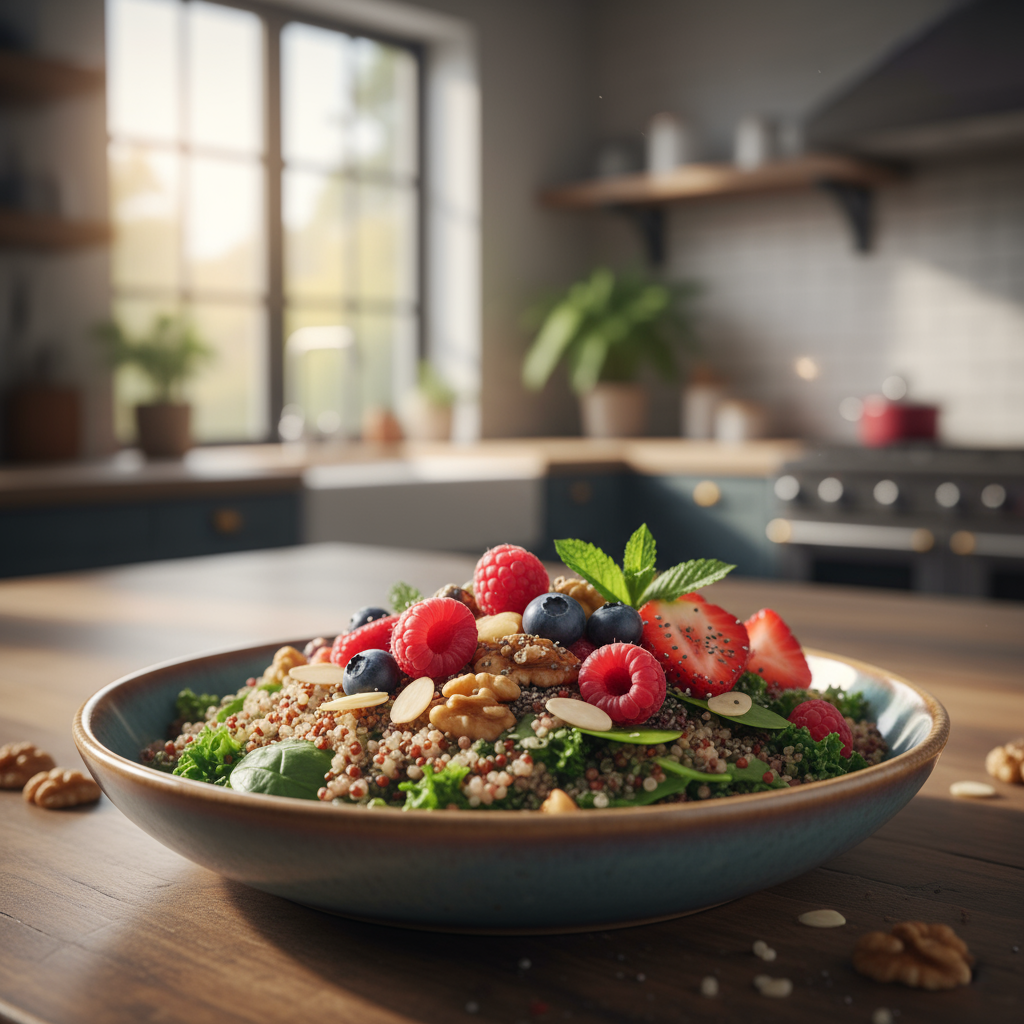
Here’s a simple rule that works: pair your carbs with protein and healthy fats. This isn’t just nutrition advice—it’s physics. When you eat carbohydrates alongside protein and fat, everything slows down. Your digestion becomes more methodical, and your blood sugar response becomes more controlled. Instead of white rice, try quinoa or barley. Instead of regular pasta, go for whole grain versions. These swaps might seem small, but they add up to significant changes in how your body processes your meals. For snacks, think nuts with fruit, Greek yogurt with berries, or even just an apple with some almond butter. Simple combinations that work. And if you want to really understand why whole grains make such a difference, our whole grain benefits guide breaks it all down.
Key Meal Planning and Cooking Tips
Ready to put this into practice? Here are the essentials that will make the biggest difference in your daily eating:
- Balance Macronutrients: Don’t eat carbs naked—always pair them with some protein and healthy fat. This simple step can dramatically change how your body responds to the meal.
- Choose Whole, Minimally Processed Foods: The closer a food is to its natural state, the better. Processing tends to strip away fiber and concentrate sugars, which sends the glycemic index climbing.
- Mind Portion Sizes: Even good foods can become problematic in large quantities. Low GI doesn’t mean unlimited—it just means better for your blood sugar.
- Use Cooking Methods That Preserve Nutrients: Steam, roast, or grill instead of frying or boiling everything to death. Your food will taste better and your body will thank you for preserving those nutrients.

Here’s what makes low glycemic index foods so powerful: they keep your blood sugar steady. No more energy roller coasters. No more afternoon crashes that leave you reaching for whatever sugary snack is closest. These foods release glucose slowly into your bloodstream, which means your energy stays consistent throughout the day. And that’s just the beginning—stable blood sugar also supports heart health, helps with weight management, and even keeps your mood more balanced. (Ever notice how hangry you get when your blood sugar dips? Yeah, low GI foods help with that too.)
So how do you actually make this work in real life? Start by building meals that combine low GI carbs with lean proteins and healthy fats. Think quinoa with grilled chicken and avocado, or lentil soup with a side of roasted vegetables. The key is variety—load up on colorful fruits and veggies to get those disease-fighting antioxidants. If you’re athletic or just love staying active, timing matters. Strategic use of low GI foods can fuel your workouts and speed up recovery. Try experimenting with legumes, nuts, and plant-based proteins. And here’s a cooking tip that makes a real difference: steam, roast, or grill your food instead of frying. You’ll preserve more nutrients and keep everything working in your favor. Don’t forget about fiber either—whole grains and vegetables will keep your digestion smooth and your energy sustained.
Want to take things a step further? Focus on improving your insulin sensitivity. This is huge for blood sugar control and overall metabolic health. Regular exercise helps, but the right dietary tweaks can make an even bigger impact. If you’re looking for specific strategies that actually work, check out this comprehensive resource on how to improve insulin sensitivity—it’s packed with practical advice you can start using today.
There’s also something fascinating about how what you eat affects how you think and feel. Your brain runs on glucose, so when you’re feeding it steady, quality fuel, everything works better. Mental clarity improves. Emotional balance becomes easier to maintain. For anyone curious about this mind-food connection, our in-depth guide on nutrition and mental health dives deep into how your diet directly impacts cognitive and emotional well-being.
The bottom line? Low glycemic index foods aren’t just another health trend—they’re a game-changer for anyone who wants to feel consistently energized and mentally sharp. Pair them with mindful eating habits and regular movement, and you’ve got a foundation that supports everything from cardiovascular health to weight optimization. Look, transforming your health doesn’t happen overnight. But it also doesn’t have to be complicated. Small, smart food choices add up over time. Every time you choose a low GI option, you’re investing in sustained energy, better mood stability, and long-term vitality. That’s a pretty good return on investment if you ask me.