Lucky Charms: Healthy Choice? Dietitian Insights on Nutrition Facts
Lucky Charms has been a beloved breakfast staple for generations, with its distinctive marshmallow pieces and oat cereal creating a nostalgic morning experience for millions of Americans. However, as nutritional awareness continues to evolve, many parents and health-conscious consumers are questioning whether this iconic cereal deserves a place in a balanced diet. The colorful breakfast cereal sits at an interesting crossroads between childhood tradition and modern nutritional science, prompting us to examine what dietitians actually recommend.
Understanding the complete nutritional profile of Lucky Charms requires moving beyond marketing claims and examining the ingredient list, macronutrient composition, and how this cereal fits into broader dietary patterns. This comprehensive analysis explores the real nutrition facts behind Lucky Charms while providing evidence-based guidance from nutrition professionals on whether it’s truly a healthy breakfast choice for you and your family.
Lucky Charms Nutrition Facts Breakdown
A standard serving of Lucky Charms consists of one cup (28 grams) of dry cereal, which provides approximately 110 calories. This relatively modest calorie count makes it seem like a reasonable breakfast option at first glance. However, the composition of those calories tells a more nuanced story. The cereal contains 2 grams of protein, 24 grams of carbohydrates, and just 1 gram of fat, with less than 1 gram of dietary fiber per serving.
When examining the complete ingredient list, Lucky Charms begins with whole grain oat flour as its primary ingredient, followed by corn syrup, sugar, corn starch, and the signature marshmallow pieces. The oat base provides some nutritional foundation, though the subsequent sweetening agents and refined carbohydrates significantly impact the overall nutritional value. According to FDA nutritional labeling standards, one serving delivers 12 grams of sugar—nearly half the American Heart Association’s recommended daily sugar intake for children.
The macronutrient distribution reveals a carbohydrate-heavy composition with minimal protein and fat, which means Lucky Charms lacks the satiety factors necessary for sustained morning energy. This nutritional imbalance contributes to blood sugar spikes and subsequent energy crashes that many consumers experience after eating this cereal. Understanding these foundational nutrition facts is essential before considering whether Lucky Charms fits into a healthy nutrition plan.
Sugar Content and Health Implications
Perhaps the most significant concern among dietitians regarding Lucky Charms is its sugar content. With 12 grams of sugar per one-cup serving, this cereal exceeds recommendations for added sugar consumption, particularly for children. The American Heart Association recommends that children ages 4-8 consume no more than 12-25 grams of added sugar daily, meaning a single bowl of Lucky Charms could represent half of a child’s entire daily sugar allowance before lunch.
Research from Pew Research Center studies on consumer health trends demonstrates that excessive added sugar consumption during childhood correlates with increased risk of obesity, type 2 diabetes, and dental problems. The sugar in Lucky Charms comes primarily from corn syrup and refined sugar rather than natural fruit sugars, making it a particularly concentrated source of added sweeteners. This distinction matters because added sugars have been linked to metabolic dysfunction in ways that whole food sources do not.
The glycemic index of Lucky Charms ranks relatively high, meaning it causes rapid blood glucose elevation followed by sharp drops. This pattern creates the classic “sugar crash” phenomenon where children and adults experience fatigue, difficulty concentrating, and increased hunger shortly after consumption. For individuals managing blood sugar levels or at risk for metabolic disorders, Lucky Charms represents a less-than-ideal breakfast choice that could undermine broader health objectives throughout the day.
” alt=”Dietitian analyzing cereal nutrition labels and sugar content with digital health tracking interface in background”/>
Fiber and Whole Grain Analysis
One marketing advantage Lucky Charms emphasizes is its whole grain oat content. The cereal does indeed contain whole grain oats as its first ingredient, which provides some nutritional credibility. However, the fiber content tells the real story about how much whole grain benefit consumers actually receive. With less than 1 gram of dietary fiber per serving, Lucky Charms falls significantly short of what whole grain cereals typically provide.
Dietitians consistently recommend that dietary fiber plays a crucial role in digestive health and overall wellness. Quality whole grain cereals often deliver 3-5 grams of fiber per serving, meaning Lucky Charms provides less than one-quarter of the fiber you’d find in genuinely fiber-rich breakfast options. This deficit matters because dietary fiber promotes satiety, stabilizes blood sugar, supports healthy digestion, and feeds beneficial gut bacteria.
The processing involved in creating Lucky Charms significantly reduces the fiber content of the original oats. While the cereal begins with whole grain oat flour, the manufacturing process includes refinement steps that strip away much of the bran and germ where fiber concentrates. The addition of marshmallow pieces and sweetening agents further dilutes the whole grain benefits. For consumers seeking authentic whole grain nutrition, examining how to improve digestion through food choices would reveal that Lucky Charms contributes minimally to daily fiber targets compared to alternatives like steel-cut oats, bran cereals, or granola with whole grains.
Vitamins, Minerals, and Fortification
Lucky Charms contains added vitamins and minerals through fortification, which represents one of its genuine nutritional strengths. Each serving provides 10% of the daily value for iron, zinc, and various B vitamins including B6, B12, and thiamine. This fortification makes Lucky Charms more nutritionally complete than it would be without supplementation, addressing micronutrient gaps that might otherwise exist in a processed cereal product.
However, fortification cannot compensate for the lack of whole food nutrition and the excessive added sugar content. Synthetic vitamins and minerals added during manufacturing are absorbed differently than those naturally occurring in whole foods, and they don’t provide the phytonutrients, antioxidants, and beneficial compounds that genuine whole foods deliver. Additionally, the body’s ability to absorb and utilize synthetic nutrients varies based on overall digestive health and individual biochemistry.
When consumed with milk, Lucky Charms does provide additional calcium and vitamin D, assuming the milk isn’t sweetened. This milk component adds nutritional value that shouldn’t be overlooked, though it doesn’t fundamentally alter the assessment that the cereal itself presents more nutritional challenges than benefits. Dietitians note that the fortification approach essentially amounts to adding back nutrients removed during processing, a less-than-ideal nutritional strategy compared to choosing minimally processed foods from the start.
Comparison with Alternative Cereals
Evaluating Lucky Charms requires context through comparison with alternative breakfast cereals and options. Many whole grain cereals provide 3-5 grams of fiber, contain 5 grams or less of added sugar, and deliver superior micronutrient profiles without relying heavily on fortification. Options like plain oatmeal, bran flakes, or granola made with whole grains and minimal added sugar provide substantially more nutritional value per calorie.
Consider that a serving of plain oatmeal contains approximately 4 grams of fiber, delivers sustained energy through complex carbohydrates, and contains no added sugar. Alternatively, nutrient-dense foods like avocados represent entirely different breakfast approaches that could replace or supplement cereal consumption. Even other branded cereals marketed toward children, such as Cheerios or Kashi varieties, typically offer lower sugar content and higher fiber compared to Lucky Charms.
The taste-versus-nutrition tradeoff represents a key consideration. Lucky Charms succeeds precisely because children find it appealing—the marshmallow pieces and sweetness create an enjoyable eating experience that healthier alternatives often don’t match. This reality creates a parenting dilemma: serve the nutritionally superior option that faces resistance or compromise with Lucky Charms as an occasional treat. Most dietitians recommend occasional consumption rather than daily breakfast staple status.
Dietitian Recommendations and Portion Control
Registered dietitian nutritionists (RDNs) typically don’t recommend eliminating Lucky Charms entirely, particularly for children who might otherwise skip breakfast. Instead, they recommend strategic portion control and frequency management. Serving Lucky Charms as an occasional breakfast, perhaps once or twice weekly, rather than daily, allows enjoyment without significant nutritional compromise.
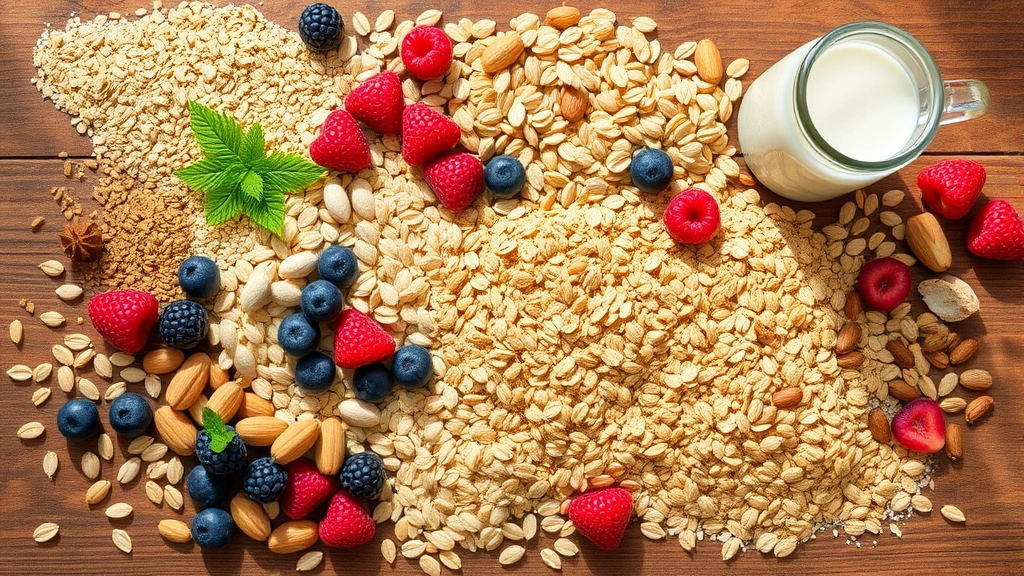
Portion control strategies include serving smaller portions—perhaps three-quarter cup instead of a full cup—which reduces both sugar and calorie intake while still providing the familiar taste experience. Mixing Lucky Charms with higher-fiber cereals creates a compromise approach that improves the nutritional profile while maintaining some of the appealing taste. Adding fresh fruit like berries or bananas increases fiber, adds micronutrients, and provides natural sweetness that can make smaller cereal portions feel more satisfying.
Pairing Lucky Charms with protein sources offers another dietitian-recommended strategy. Adding a hard-boiled egg, Greek yogurt, or whole grain toast with almond butter alongside the cereal substantially improves the meal’s nutritional balance. The protein and fat slow digestion, moderate blood sugar response, and extend satiety, essentially salvaging a nutritionally compromised breakfast through strategic combination.
Dietitians also emphasize reading nutrition labels on all cereals to make informed comparisons. Understanding how to evaluate sugar content, fiber levels, and ingredient lists empowers consumers to make choices aligned with their health objectives. This literacy-based approach, supported by resources from American Heart Association nutrition guidelines, enables families to navigate breakfast choices more effectively.
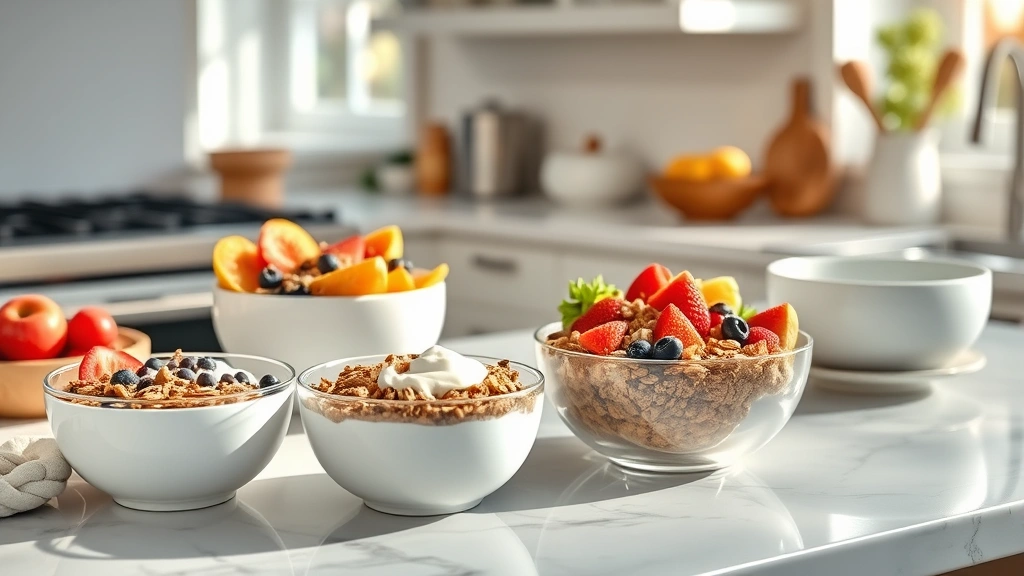
” alt=”Modern kitchen scene showing various whole grain breakfast options, fresh fruits, and milk arranged on counter with natural morning light”/>
Making Smarter Breakfast Choices
Creating a balanced breakfast that satisfies taste preferences while meeting nutritional needs requires intentional planning. Research from nutrition science journals on breakfast consumption patterns demonstrates that breakfast composition significantly impacts afternoon energy, academic performance in children, and metabolic health throughout the day. This makes breakfast optimization genuinely important rather than trivial.
A smarter approach to breakfast generally includes three components: whole grains or complex carbohydrates, protein, and healthy fats. Lucky Charms provides the grain component but falls short on protein and healthy fats while delivering excessive added sugar. Swapping for oatmeal topped with nuts, seeds, and berries; Greek yogurt with granola and fruit; or whole grain toast with nut butter and eggs creates nutritionally superior options that still satisfy morning hunger and taste preferences.
For families particularly attached to Lucky Charms, consider a hybrid approach: serve a smaller portion of Lucky Charms alongside more nutritious components. This strategy respects tradition and preference while fundamentally improving nutritional intake. Additionally, exploring the connection between nutrition and mental health demonstrates that breakfast quality influences cognitive function, mood stability, and emotional regulation—benefits that extend far beyond simple calorie provision.
Teaching children to read nutrition labels and understand sugar content creates lifelong skills that support independent healthy choices. Rather than imposing restrictions, involving children in breakfast decisions and explaining nutrition concepts in age-appropriate ways builds intrinsic motivation toward better choices. This educational approach proves more sustainable than authoritarian rules that often backfire during adolescence and adulthood.
Creating a comprehensive approach to nutritious eating means considering breakfast within the context of overall dietary patterns. If Lucky Charms consumption remains occasional rather than habitual, its impact diminishes significantly. The real concern emerges when sugary cereals become daily breakfast staples, creating cumulative effects on weight, metabolic health, and dental health over months and years.
FAQ
Is Lucky Charms actually made with whole grains?
Yes, Lucky Charms does contain whole grain oat flour as its primary ingredient. However, the processing significantly reduces the nutritional benefits typically associated with whole grains, particularly fiber content. While the whole grain claim is technically accurate, the fiber content (less than 1 gram per serving) falls far short of what genuine whole grain cereals provide.
How much sugar is in a bowl of Lucky Charms?
One cup of Lucky Charms contains 12 grams of added sugar. When combined with milk, the total sugar content increases slightly. This represents a substantial portion of daily recommended sugar intake, particularly for children, making it a high-sugar breakfast option compared to alternatives.
Can children eat Lucky Charms as part of a healthy diet?
Occasional consumption of Lucky Charms can fit within a healthy diet, particularly when combined with protein sources and paired with fruit. However, daily consumption or serving as a primary breakfast staple isn’t recommended by most dietitians due to high added sugar content and low fiber levels.
What are better breakfast alternatives to Lucky Charms?
Superior alternatives include plain oatmeal with fruit and nuts, Greek yogurt with granola and berries, whole grain toast with almond butter, or eggs with whole grain toast. These options provide more fiber, protein, and sustained energy with less added sugar.
Does the milk with Lucky Charms improve its nutritional value?
Milk adds calcium, vitamin D, and additional protein to the meal, which does improve overall nutritional value. However, this doesn’t fundamentally change the assessment that Lucky Charms itself contains excessive added sugar and insufficient fiber compared to healthier cereal alternatives.
Are there healthier cereal options for kids who like sweet cereals?
Yes, several options provide better nutritional profiles while maintaining some sweetness appeal. Honey Nut Cheerios, Kashi cereals, and granolas made with whole grains and dried fruit offer more nutritional substance than Lucky Charms while still satisfying sweet preferences.