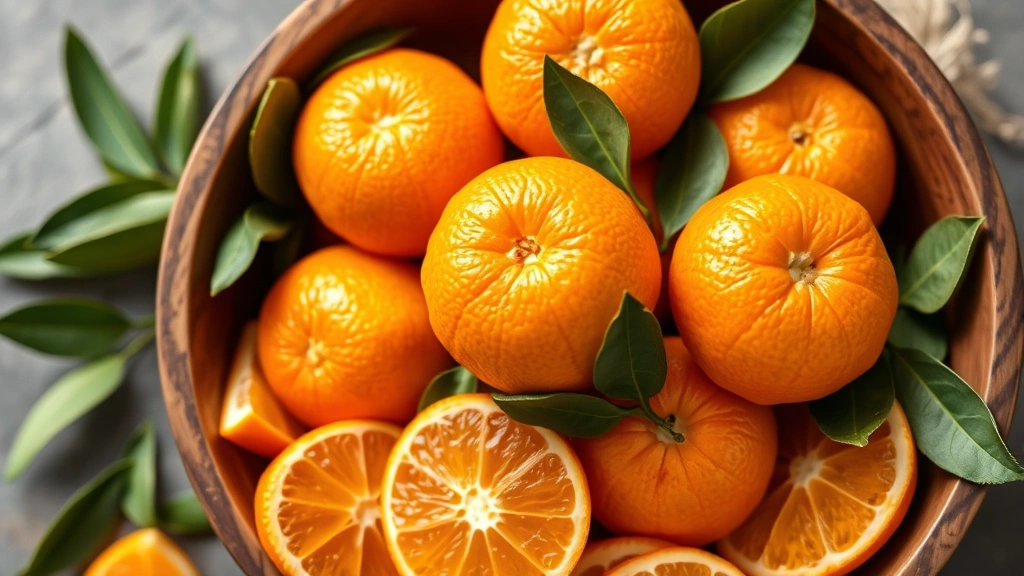
Mandarin Benefits? Dietitian Insights on Nutrition and Health
Mandarins have long been celebrated as a winter staple, but beyond their sweet taste and convenient peel-and-eat format lies a nutritional profile that deserves serious attention. As a dietitian, I’ve observed growing consumer interest in understanding what makes this citrus fruit truly beneficial—separating marketing claims from evidence-based nutrition science. Mandarins offer more than just vitamin C; they contain a complex array of bioactive compounds that support various aspects of health when consumed as part of a balanced diet.
In this comprehensive guide, I’ll explore the science behind mandarin nutrition, examining the specific vitamins, minerals, and phytonutrients that make these fruits valuable additions to your eating plan. Whether you’re looking to boost immune function, support digestive health, or simply understand what you’re consuming, understanding mandarin benefits requires looking beyond surface-level information to the research-backed evidence that dietitians use when recommending citrus fruits to clients.
Mandarin Nutrition Profile: What’s Inside
When examining mandarin nutrition, it’s essential to start with the fundamental nutritional composition. A medium mandarin (approximately 88 grams) contains roughly 47 calories, making it an exceptionally nutrient-dense food relative to its caloric content. This caloric efficiency is one reason dietitians frequently recommend citrus fruits as part of a healthy nutrition plan.
The macronutrient breakdown reveals why mandarins fit well into various dietary approaches. Each medium fruit provides approximately 12 grams of carbohydrates, 0.3 grams of protein, and negligible fat content. However, the carbohydrate profile deserves closer examination: roughly 9 grams come from naturally occurring sugars, while 1.6 grams consist of dietary fiber—a crucial distinction for understanding glycemic impact and satiety benefits.
Beyond macronutrients, mandarins deliver an impressive micronutrient package. A single medium mandarin provides approximately 26% of the daily recommended vitamin C intake, 3% of the daily potassium requirement, and meaningful amounts of folate, calcium, and magnesium. These minerals support diverse physiological functions, from bone health to cardiovascular regulation. Additionally, mandarins contain trace amounts of copper and manganese, minerals that facilitate enzymatic reactions throughout the body.
What truly distinguishes mandarins from many other fruits is their phytochemical composition. These plant compounds—including flavonoids like hesperidin and naringin, plus carotenoids such as beta-cryptoxanthin—represent the frontier of nutritional science. Research increasingly demonstrates that these bioactive substances contribute significantly to mandarin benefits beyond basic vitamin supplementation.
Vitamin C and Immune System Support
Vitamin C stands as perhaps the most recognized nutrient in mandarins, yet its functional role extends far beyond the popular perception of cold prevention. As a water-soluble antioxidant, ascorbic acid (vitamin C) plays multiple critical roles in immune function that dietitians consider when recommending citrus consumption during seasonal changes or periods of elevated stress.
The immune-supporting mechanisms of vitamin C operate through several pathways. First, it directly enhances the proliferation and function of lymphocytes—white blood cells essential for fighting infections. Second, vitamin C facilitates the synthesis of collagen, a protein that forms part of the physical barrier against pathogens. Third, this nutrient regenerates other antioxidants like vitamin E, extending their protective capacity throughout the body.
However, the relationship between vitamin C consumption and cold duration requires nuance. While comprehensive dietary research demonstrates that adequate vitamin C intake supports baseline immune function, supplementing with megadoses doesn’t significantly reduce cold duration in most populations. Regular consumption of vitamin C-rich foods like mandarins provides consistent immune support that proves more valuable than sporadic supplementation.
Dietitians particularly value mandarins over vitamin C supplements because the fruit delivers this nutrient alongside complementary compounds. The hesperidin in mandarins, for instance, enhances vitamin C absorption and extends its antioxidant activity. This synergistic effect—where multiple compounds work together more effectively than any single nutrient—represents sophisticated nutrition that whole foods provide but isolated supplements cannot replicate.
For athletes and individuals with elevated physical stress, the immune-supporting benefits of mandarin consumption become particularly relevant. High-intensity training temporarily suppresses immune function, creating a window where infections become more likely. Including mandarins in nutrition for athletes strategies provides vitamin C and other compounds that help maintain immune competence during demanding training phases.
Fiber Content and Digestive Health
While mandarins contain relatively modest fiber quantities compared to some fruits, the type and distribution of fiber they provide deserves attention from digestive health perspectives. The 1.6 grams of fiber in a medium mandarin consists primarily of soluble fiber, particularly pectin—a compound that fundamentally alters how your digestive system processes the fruit.
Soluble fiber dissolves in water, forming a gel-like substance that slows gastric emptying and moderates nutrient absorption. This property explains why eating whole mandarins produces more stable blood sugar responses than drinking mandarin juice—the fiber creates mechanical resistance to rapid glucose absorption. For individuals managing blood sugar or seeking sustained energy, this distinction matters considerably.
From a microbiota perspective, mandarin fiber feeds beneficial bacteria in the colon, promoting the production of short-chain fatty acids (SCFAs) that nourish colonocytes and reduce inflammation. This prebiotic effect contributes to the importance of dietary fiber for your health that extends beyond simple mechanical digestive function.
The pectin in mandarins also demonstrates cholesterol-lowering properties, binding bile acids in the intestine and promoting their excretion. This mechanism represents one pathway through which regular mandarin consumption supports cardiovascular health—a benefit that research consistently documents across populations.
However, one consideration for individuals with certain digestive conditions: the natural acids in mandarins can irritate sensitive digestive systems. Those with acid reflux or inflammatory bowel conditions should monitor individual tolerance rather than assuming universal digestive benefits.
Antioxidants and Disease Prevention
The antioxidant compounds in mandarins represent perhaps the most exciting area of contemporary nutritional science, with emerging research demonstrating mechanisms through which these plant compounds may reduce chronic disease risk. Flavonoids—particularly hesperidin and naringin—constitute approximately 2-3% of mandarin dry weight and exhibit potent biological activity.
These flavonoids work through multiple protective mechanisms. They directly neutralize free radicals, unstable molecules that damage cellular structures and contribute to aging and disease. More importantly, flavonoids activate cellular defense systems, upregulating the production of endogenous antioxidant enzymes like superoxide dismutase and catalase. This distinction matters profoundly: rather than simply scavenging existing damage, these compounds enhance the body’s own protective capacity.
Research published in peer-reviewed journals has documented associations between citrus flavonoid consumption and reduced cardiovascular disease risk. The mechanisms appear to involve improved endothelial function (the inner lining of blood vessels), reduced inflammatory markers, and favorable lipid profile changes. A comprehensive review of citrus bioflavonoid research reveals consistent dose-response relationships between consumption and cardiovascular outcomes.
Beta-cryptoxanthin, a carotenoid pigment responsible for mandarin coloration, has emerged as particularly protective against cognitive decline and certain cancers. This compound converts to vitamin A in the body and exhibits independent antioxidant and anti-inflammatory properties. Population studies suggest that individuals consuming carotenoid-rich fruits and vegetables show lower rates of age-related macular degeneration and certain malignancies.
The anti-inflammatory properties of mandarin constituents deserve particular emphasis given inflammation’s centrality to chronic disease pathogenesis. By reducing systemic inflammatory markers, mandarin consumption may indirectly protect against conditions ranging from arthritis to Alzheimer’s disease. This mechanism helps explain epidemiological observations that populations consuming higher quantities of citrus fruits demonstrate lower chronic disease burden.
Weight Management and Mandarin Benefits
From a weight management perspective, mandarins present an intriguing nutritional profile that supports satiety and caloric moderation. The combination of fiber, water content (approximately 88% of mandarin weight), and moderate sugar creates a food that produces meaningful satisfaction from relatively minimal calories.
The satiety effect of whole mandarins exceeds what the caloric content alone would predict. Research comparing whole fruits to their juice equivalents demonstrates that fiber-intact consumption produces greater appetite suppression and more stable subsequent eating patterns. This phenomenon reflects the mechanical properties of whole foods: the need to chew and swallow multiple segments, combined with delayed gastric emptying from soluble fiber, creates neurological signals that register as greater fullness.
For individuals following energy-restricted diets, mandarins offer particular advantages over many snack alternatives. A medium mandarin provides approximately 47 calories with accompanying micronutrients and phytochemicals, whereas equivalent-calorie processed snacks typically deliver minimal nutritional value. This nutrient density per calorie—what some nutritionists term “caloric efficiency”—makes mandarins strategically valuable for weight management contexts.
However, one caveat: mandarin juice and mandarin-based products bear little nutritional resemblance to whole fruits. Juice processing removes fiber, concentrates sugars, and eliminates many heat-sensitive phytochemicals. A glass of mandarin juice delivers 10-12 grams of sugar with minimal fiber and negligible satiety benefit—fundamentally different from eating a whole mandarin. Dietitians consistently recommend whole fruit consumption over juice for weight management and metabolic health.
Blood Sugar and Metabolic Impact
Understanding mandarin benefits requires examining glycemic impact—how consumption affects blood glucose and insulin response. While mandarins contain natural sugars (approximately 9 grams per medium fruit), their glycemic load remains relatively modest due to fiber content and specific carbohydrate composition.
The glycemic index (GI) of mandarins measures approximately 47, classifying them as low-GI foods. This metric reflects the actual blood sugar elevation from consumption compared to pure glucose. The distinction between total sugar content and glycemic impact matters considerably: a food can contain significant sugar yet produce minimal blood sugar disruption if fiber and other compounds slow absorption.
The soluble fiber in mandarins slows glucose absorption, preventing the rapid blood sugar spikes associated with refined carbohydrates. Additionally, the fructose in mandarins (approximately 40% of total sugar) produces more modest insulin responses than glucose or sucrose. This metabolic profile makes mandarins appropriate even for individuals managing diabetes or prediabetes, provided consumption remains moderate and occurs with meals rather than in isolation.
From a broader metabolic perspective, the phytochemicals in mandarins may enhance insulin sensitivity—the body’s ability to effectively utilize the hormone insulin. Research suggests that flavonoid-rich foods improve glucose tolerance and reduce insulin resistance, potentially benefiting individuals at risk for metabolic syndrome. These effects appear to operate through improved endothelial function and reduced inflammatory signaling.
The antioxidant capacity of mandarins also protects pancreatic beta cells—the insulin-producing cells that deteriorate in type 2 diabetes development. By reducing oxidative stress in these cells, mandarin consumption may indirectly support long-term metabolic health and diabetes prevention.
Practical Recommendations from Dietitians
Based on contemporary evidence, dietitians typically recommend mandarins as a valuable component of balanced eating patterns. The practical guidance I provide to clients emphasizes whole fruit consumption rather than juice products, integration into meals rather than isolated consumption, and portion awareness despite the fruit’s nutritional density.
For general health maintenance, consuming 2-3 mandarins daily provides meaningful doses of vitamin C, fiber, and phytochemicals without excessive natural sugar intake. This quantity fits comfortably within most dietary frameworks while delivering consistent nutritional benefits. The convenience factor—mandarins require no preparation and transport easily—makes adherence to this recommendation straightforward.
Individuals with specific health conditions benefit from tailored recommendations. Those managing blood sugar should pair mandarin consumption with protein or fat sources to further moderate glycemic response. Individuals following a healthy nutrition plan should view mandarins as replacement snacks rather than additions to existing caloric intake. Athletes might emphasize mandarin consumption in post-exercise recovery windows when carbohydrate uptake supports glycogen repletion.
The seasonal availability of mandarins presents an opportunity for dietary variety and cost optimization. Peak mandarin seasons (typically November through March in Northern Hemisphere) offer superior freshness and lower prices compared to off-season availability. Strategic purchasing during peak seasons and consumption during these periods aligns with both nutritional and economic logic.
Regarding preparation, minimal processing preserves maximal nutrient content. Eating mandarins whole with the pith (the white layer beneath the peel) intact provides additional fiber and flavonoids that many consumers discard. For those seeking mandarin benefits in other formats, smoothies made from whole mandarins (including pith) retain most nutritional value, whereas juice products lose critical fiber and concentrate simple sugars.
Storage considerations also impact nutrient preservation. Mandarins stored at cool temperatures (35-45°F) maintain vitamin C and phytochemical content longer than room-temperature storage. However, refrigerated mandarins remain palatable and nutritious for 2-3 weeks, making them practical for regular consumption planning.
One emerging application of mandarin consumption involves nutrition and mental health, as evidence accumulates that antioxidant-rich foods support cognitive function and mood regulation. The flavonoids in mandarins may enhance cerebral blood flow and reduce neuroinflammation, potentially supporting mental clarity and emotional resilience.
FAQ
How many mandarins should I eat daily for health benefits?
Most dietitians recommend 1-3 mandarins daily as part of balanced nutrition. This quantity provides meaningful doses of vitamin C, fiber, and phytochemicals without excessive natural sugar intake. Individual recommendations vary based on overall diet composition, activity level, and specific health conditions.
Are mandarin benefits lost when eating canned mandarins?
Canned mandarins retain some nutritional value but lose heat-sensitive vitamins and phytochemicals during processing. Additionally, many canned products contain added sugars that increase overall sugar content significantly. Fresh whole mandarins provide superior mandarin nutrition compared to processed alternatives.
Can mandarins help with weight loss?
Mandarins support weight management through their nutrient density and satiety-promoting properties. The combination of fiber, water content, and moderate calories makes them valuable snack alternatives. However, weight loss requires overall caloric balance; mandarins alone don’t produce weight loss without broader dietary modifications.
Are mandarins good for diabetics?
Mandarins can fit into diabetes management plans due to their low glycemic index and fiber content. However, portion control matters, and consumption should occur with meals or alongside protein/fat sources to moderate blood sugar response. Individuals should monitor personal blood sugar responses and consult healthcare providers about appropriate intake.
What’s the difference between mandarins and oranges nutritionally?
Mandarins typically contain slightly higher sugar content and lower acid levels than oranges, making them sweeter and less tart. Nutritionally, both provide similar vitamin C and fiber quantities, though specific phytochemical profiles vary slightly. Mandarins’ convenience (easier peeling) often encourages greater consumption frequency.
Can mandarin juice provide the same benefits as whole mandarins?
Mandarin juice lacks the fiber present in whole fruits and concentrates natural sugars, producing different metabolic effects. Whole mandarin consumption provides superior satiety, more stable blood sugar response, and greater phytochemical preservation. Juice should be considered a supplement rather than equivalent to whole fruit consumption.
Do mandarin peels have nutritional value?
Mandarin peels contain concentrated flavonoids and essential oils with antioxidant properties. While eating raw peels isn’t practical, they can be dried and used in teas or cooking. The white pith beneath the peel contains significant fiber and flavonoids and should be consumed rather than discarded.
How do mandarin benefits compare to other citrus fruits?
All citrus fruits provide vitamin C and fiber, but mandarins stand out for their carotenoid content and convenient consumption format. Lemons offer higher acid content, grapefruits provide naringin (a potent flavonoid), and oranges deliver similar overall nutrition. Variety across citrus types maximizes diverse phytochemical intake.


