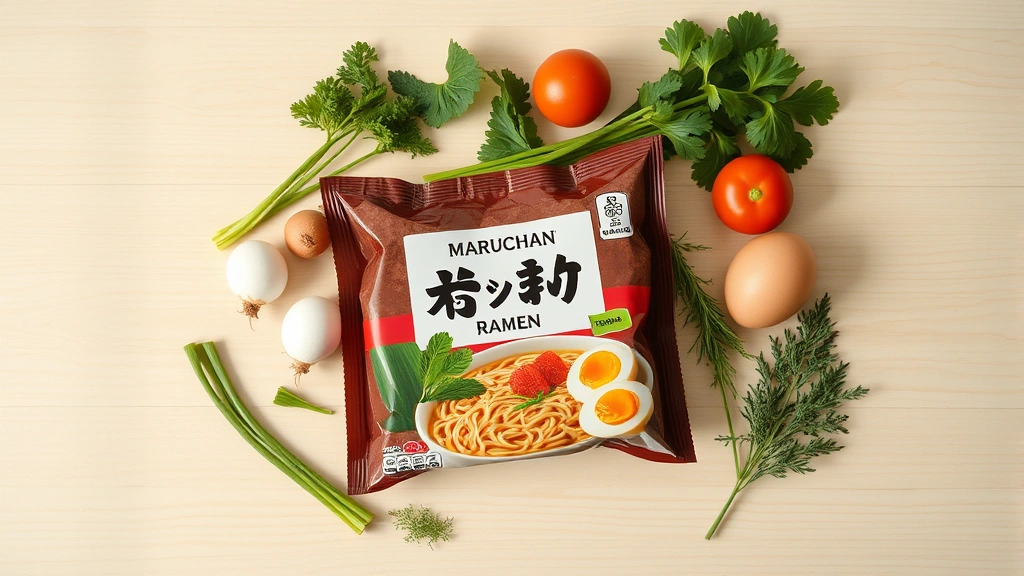
Maruchan Ramen: Healthy or Not? Dietitian Insight
Maruchan ramen has become a staple in college dorms, office break rooms, and budget-conscious households across North America. With its affordability, convenience, and undeniable appeal, it’s easy to understand why millions of packages sell annually. However, the question lingers: Is Maruchan ramen actually healthy? As a nutritional analysis tool, this guide examines the science behind instant ramen’s composition, revealing what dietitians really think about this popular convenience food.
The reality is nuanced. While Maruchan ramen isn’t inherently toxic, its standard preparation comes with significant nutritional trade-offs. Most instant ramen varieties contain excessive sodium, refined carbohydrates, and minimal fiber—factors that can impact long-term health when consumed regularly. Yet understanding Maruchan ramen nutrition facts empowers consumers to make informed choices and potentially transform this budget-friendly staple into a more balanced meal option.
Maruchan Ramen Nutrition Facts Breakdown
A standard package of Maruchan instant ramen (approximately 85 grams) contains roughly 380 calories, making it a relatively low-calorie option for a meal. However, calorie count tells only part of the story. The macronutrient distribution reveals the nutritional reality: most packages contain about 14 grams of fat, 55 grams of carbohydrates, and just 9 grams of protein.
The ingredient list reads like a chemistry experiment: wheat flour, vegetable oil, salt, and an array of preservatives including tertiary butylated hydroxyanisole (BHA) and butylated hydroxytoluene (BHT). These antioxidants, while approved by the FDA, have sparked ongoing debate within the scientific community regarding long-term consumption effects. The noodles themselves are pre-fried, contributing to their shelf stability and convenience but also to their fat content.
When prepared with the included flavor packet, sodium levels skyrocket to approximately 860-1000 milligrams per serving—nearly 40% of the daily recommended intake for adults. This single factor has made Maruchan ramen a subject of nutritional scrutiny among health professionals. Understanding these baseline facts provides context for broader dietary discussions and connects to the importance of healthy nutrition planning.
Sodium Content: The Primary Health Concern
Sodium emerges as the most problematic component in Maruchan ramen from a dietitian perspective. The American Heart Association recommends limiting sodium intake to 2,300 milligrams daily, with an ideal target of 1,500 milligrams for heart health. A single package of Maruchan ramen consumed as instructed delivers between 860-1000 milligrams in one meal.
Excessive sodium consumption has been linked to elevated blood pressure, increased cardiovascular disease risk, and kidney stress. Research from the American Heart Association demonstrates that high-sodium diets contribute significantly to hypertension, particularly in sodium-sensitive populations including African Americans, older adults, and individuals with pre-existing hypertension.
The flavor packets are the primary culprit. These concentrated seasoning blends deliver intense flavor in minimal volume, making them highly concentrated in sodium. Many consumers unknowingly consume multiple servings, doubling or tripling their sodium intake in a single sitting. For individuals managing blood pressure or at risk for cardiovascular disease, regular Maruchan consumption poses legitimate health concerns.
However, the sodium issue can be partially mitigated. Reducing the amount of flavor packet used, discarding half the packet, or using alternative seasonings like low-sodium broths, garlic, ginger, and lime juice can significantly decrease sodium content while maintaining palatability. This simple modification transforms the nutritional profile considerably.
Carbohydrates and Refined Grains
The 55 grams of carbohydrates in a standard Maruchan package consist almost entirely of refined grains. The noodles are made from wheat flour that has been stripped of its bran and germ during processing, removing most of the fiber and many micronutrients. This refining process creates a product that digests rapidly, causing blood sugar spikes followed by energy crashes.
The glycemic index of instant ramen is notably high, meaning it rapidly raises blood glucose levels. For individuals managing diabetes or pre-diabetes, this characteristic warrants caution. The lack of fiber—typically less than 2 grams per package—means the meal provides minimal satiety, leaving consumers hungry shortly after consumption despite consuming adequate calories.
This connects directly to the broader conversation about dietary fiber’s importance for health. Fiber serves multiple critical functions: regulating blood sugar, supporting digestive health, feeding beneficial gut bacteria, and promoting feelings of fullness. Maruchan ramen’s fiber deficiency represents a significant nutritional gap, particularly for individuals already struggling to meet daily fiber recommendations (25 grams for women, 38 grams for men).
The refined carbohydrate composition also lacks micronutrients. While some Maruchan varieties include fortification with B vitamins and iron, these additions cannot compensate for whole grain’s nutritional density. Whole grain ramen alternatives exist and provide substantially more fiber, magnesium, and manganese.
Protein and Essential Nutrients
At 9 grams of protein per package, Maruchan ramen falls short of providing meaningful protein contribution to a meal. For perspective, a single egg contains 6 grams of protein, and a cup of Greek yogurt provides 20 grams. The protein present is incomplete, lacking optimal amino acid profiles for muscle synthesis and maintenance.
The essential amino acid composition matters considerably. Plant-based proteins in ramen noodles contain lower concentrations of leucine, lysine, and other amino acids critical for muscle protein synthesis compared to animal-based proteins. This limitation proves particularly relevant for athletes optimizing performance through diet, though instant ramen rarely appears in athletic nutrition protocols.
Micronutrient content presents another concern. While some packages claim iron and B vitamin fortification, the bioavailability of these nutrients remains questionable. The iron added (ferrous fumarate) has moderate bioavailability, particularly without vitamin C present to enhance absorption. The B vitamins, while technically present, exist in minimal quantities relative to daily requirements.
The absence of essential minerals like potassium, magnesium, and calcium is notable. These minerals play crucial roles in bone health, cardiovascular function, and muscle contraction. A meal consisting solely of Maruchan ramen provides virtually none of these critical nutrients, making it nutritionally incomplete as a standalone meal.
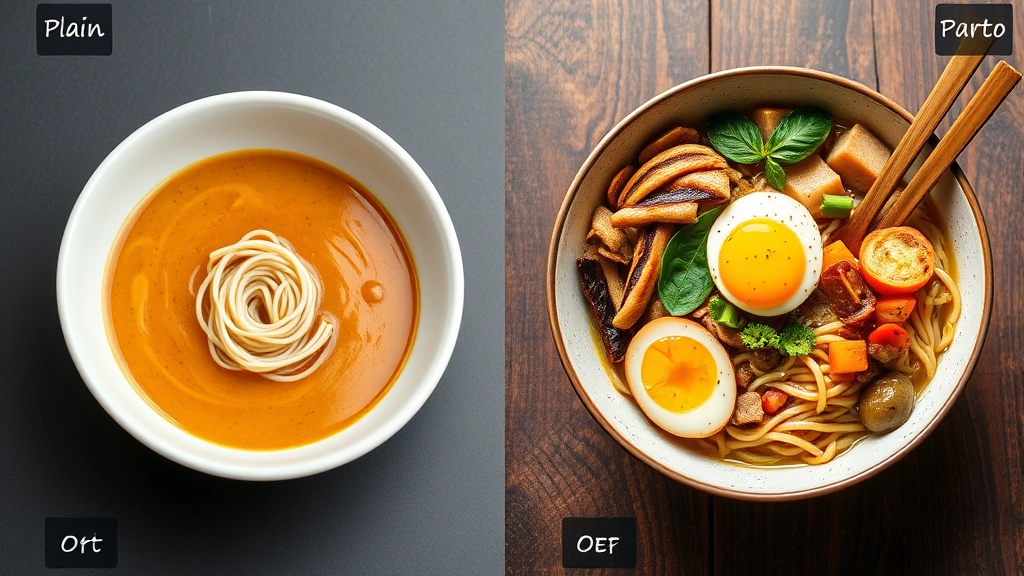
Making Maruchan Ramen Healthier
The good news: Maruchan ramen’s basic framework can be transformed into a nutritionally respectable meal through strategic additions. Dietitians don’t typically recommend eliminating instant ramen entirely; instead, they advocate for intelligent augmentation that addresses its nutritional gaps.
Protein Enhancement: Adding a poached or soft-boiled egg increases protein to 15+ grams while introducing choline, selenium, and lutein. Alternatively, adding 3-4 ounces of grilled chicken, tofu, or shrimp delivers 20-25 grams of complete protein. Cottage cheese stirred into the hot broth creates a creamy texture while boosting protein substantially.
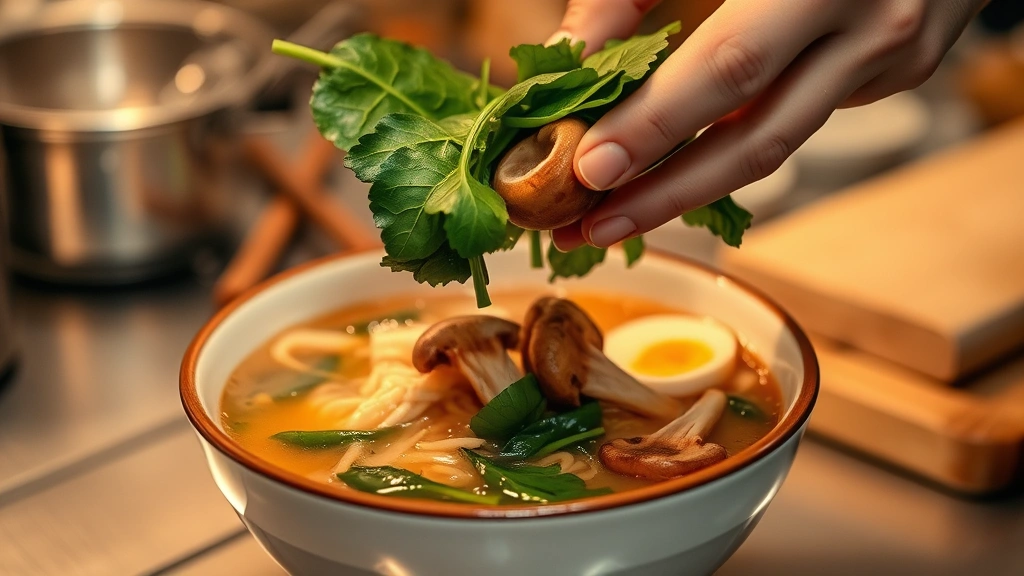
Vegetable Integration: This represents the single most impactful modification. Adding frozen vegetables (broccoli, carrots, peas), fresh spinach, bok choy, or mushrooms increases fiber content, micronutrient density, and satiety. A full cup of mixed vegetables transforms the meal’s nutritional profile without significantly increasing preparation time. These additions provide vitamins A, C, K, and folate—nutrients entirely absent in plain ramen.
Healthy Fat Addition: Drizzling sesame oil (1 teaspoon) or adding avocado slices introduces monounsaturated fats that enhance nutrient absorption and increase satiety. Learn more about nutritious additions by exploring nutrition facts about avocados. These fats also improve the meal’s ability to absorb fat-soluble vitamins from vegetables.
Sodium Reduction: Use only half the flavor packet, or eliminate it entirely in favor of low-sodium broth combined with fresh garlic, ginger, soy sauce (measured), and rice vinegar. This approach delivers complex flavor while reducing sodium to manageable levels (300-400 mg instead of 900+ mg).
Broth Upgrade: Replacing water with bone broth, vegetable broth, or chicken broth adds collagen, minerals, and gelatin while enhancing flavor. This simple swap improves the meal’s nutritional profile without adding calories or sodium significantly.
Comparison with Alternatives
Understanding where Maruchan ramen stands relative to alternatives provides valuable context for dietary decisions. When compared to other quick meals, instant ramen’s nutritional profile varies considerably by category.
Versus Other Instant Meals: Instant oatmeal (unsweetened, with additions) provides more fiber, slower carbohydrate digestion, and superior satiety. Cup Noodles, a competitor product, contains similar sodium levels and slightly more fat. Canned soups vary widely; many contain comparable sodium but include vegetables and more complete ingredient lists.
Versus Fresh Ramen: Fresh ramen from restaurants typically contains 800-1200 calories and similar sodium levels, but often includes vegetables, proteins, and richer broths providing more micronutrients. The trade-off: cost and convenience favor instant varieties dramatically.
Versus Premium Instant Options: Higher-end instant ramen brands (Nissin Top Ramen, various Asian brands) often feature lower sodium formulations, whole grain options, and inclusion of dehydrated vegetables. These cost 2-3 times more than Maruchan but provide superior nutritional profiles.
Versus Homemade Noodle Bowls: Preparing fresh noodles (wheat or rice-based) with homemade broth, fresh vegetables, and protein sources requires 20-30 minutes but delivers substantially superior nutrition, lower sodium, and personalized macronutrient ratios.
Dietitian Recommendations
Professional dietitians maintain nuanced positions on Maruchan ramen consumption. Rather than categorical condemnation, most recommend context-based guidelines reflecting frequency, preparation methods, and individual health status.
For General Population: Occasional consumption (less than twice weekly) poses minimal health risk for most adults without hypertension or cardiovascular disease. The critical factor: preparation method and additions. Consuming plain Maruchan ramen weekly differs substantially from consuming augmented versions with vegetables, protein, and reduced sodium.
For Individuals with Hypertension: Those managing blood pressure should minimize instant ramen consumption or modify preparation significantly. The sodium content conflicts directly with evidence-based hypertension management protocols. CDC guidelines on blood pressure management emphasize sodium reduction as a primary intervention.
For Individuals with Diabetes: Blood sugar management requires limiting high-glycemic foods. Standard Maruchan ramen, consumed alone, causes rapid glucose elevation. However, adding substantial protein and fiber through vegetables and protein sources significantly reduces the glycemic response. Pairing with fat and protein moderates blood sugar impact considerably.
For Athletes and Active Individuals: Maruchan ramen’s inadequate protein and micronutrient content makes it unsuitable as a primary post-workout recovery meal. The International Society of Sports Nutrition recommends post-exercise meals combining carbohydrates with at least 15-25 grams of protein; standard ramen fails this requirement without substantial additions.
For Budget-Conscious Consumers: This demographic often relies on Maruchan ramen for economic necessity rather than preference. Dietitians recommend strategic enhancement without significantly increasing cost: frozen vegetables cost minimally, eggs are inexpensive, and reducing (rather than eliminating) the flavor packet decreases sodium without additional expense.
For Children and Adolescents: Growing individuals require adequate micronutrients, complete proteins, and controlled sodium intake. Maruchan ramen, while not toxic, shouldn’t constitute a primary meal component for developing bodies. However, modified versions with vegetables and protein can fit within varied diets.
The overarching professional consensus: Maruchan ramen isn’t inherently unhealthy but represents a nutritionally incomplete food requiring intelligent modification for optimal health outcomes. The difference between occasional consumption of enhanced ramen and regular consumption of plain ramen is substantial from a health perspective.
FAQ
Is Maruchan ramen bad for your health?
Maruchan ramen isn’t inherently toxic, but regular consumption without modification poses health risks due to excessive sodium, refined carbohydrates, minimal fiber, and incomplete protein. Occasional consumption of enhanced versions (with vegetables and protein) poses minimal risk for most adults. Frequency and preparation method determine health impact more than the product itself.
How much sodium is in Maruchan ramen?
A standard package prepared with the included flavor packet contains 860-1000 milligrams of sodium—approximately 40% of daily recommended intake. This concentration represents the primary health concern for most consumers and dietitians.
Can you eat Maruchan ramen while dieting?
Yes, but with modifications. The base product contains only 380 calories, making it compatible with calorie-restricted diets. However, adding vegetables, lean protein, and healthy fats increases calories while dramatically improving satiety and nutritional completeness. The enhanced version supports sustainable dieting better than plain ramen.
What are healthy additions to Maruchan ramen?
Optimal additions include: eggs or lean proteins (chicken, tofu, shrimp), frozen or fresh vegetables (broccoli, spinach, mushrooms, carrots), healthy fats (sesame oil, avocado), and low-sodium broth instead of water. These modifications address nutritional gaps while maintaining convenience.
Is there a healthier brand of instant ramen?
Yes. Premium brands offer whole grain options, lower sodium formulations, and vegetable inclusions. Alternatively, fresh ramen noodles prepared at home with quality ingredients provide substantially superior nutrition, though requiring more preparation time.
How often is it safe to eat Maruchan ramen?
For most adults without hypertension, occasional consumption (less than twice weekly) poses minimal health risk. Those with cardiovascular concerns should limit frequency further or modify preparation significantly. Frequency matters less than preparation method—enhanced versions can be consumed more frequently than plain versions.
Does Maruchan ramen contain harmful preservatives?
Maruchan ramen contains BHA and BHT, approved food additives with ongoing scientific debate regarding long-term consumption effects. While FDA-approved, some consumers prefer avoiding these compounds. The preservatives aren’t acutely harmful but represent another consideration in the overall nutritional assessment.


