
Mayo Nutrition: Dietitian’s Insight on Facts
Mayonnaise is one of the most widely consumed condiments in kitchens across North America, yet its nutritional profile remains poorly understood by many consumers. As a registered dietitian, I’ve observed countless clients express concern about mayo nutrition facts while simultaneously reaching for the jar without hesitation. This paradox stems from incomplete information and oversimplified health narratives that fail to account for portion sizes, ingredient quality, and individual dietary contexts. Understanding mayo’s true nutritional composition requires moving beyond surface-level assumptions to examine what actually ends up on your plate and how it fits within your broader dietary framework.
The conversation around mayonnaise has become increasingly polarized in recent years, with wellness influencers condemning it as pure fat while nutritionists recognize its role in nutrient absorption and satiety. What’s missing from both extremes is a nuanced, evidence-based perspective that acknowledges mayo’s legitimate place in a balanced diet when consumed thoughtfully. This article synthesizes current nutritional science, ingredient analysis, and practical dietary guidance to provide the comprehensive mayo nutrition facts you need to make informed decisions about this ubiquitous condiment.
Understanding Mayo’s Basic Nutritional Profile
A standard tablespoon of traditional mayonnaise contains approximately 90-100 calories, 10 grams of fat, and negligible amounts of carbohydrates or protein. This simple snapshot, however, obscures the complexity of what makes mayonnaise nutritionally distinct from other condiments. Traditional mayo is fundamentally an emulsion of oil, egg yolks, and acid (typically vinegar or lemon juice), which means its macronutrient composition is heavily weighted toward lipids. Understanding this baseline is essential before examining the subtleties that distinguish different mayo products and their respective health implications.
The egg yolk component deserves particular attention because it contributes more than just fat. Egg yolks contain choline, lutein, and zeaxanthin—micronutrients with documented benefits for cognitive function and eye health. A single tablespoon of mayo delivers roughly 12-15% of the daily value for choline, making it a modest contributor to this often-overlooked nutrient. When evaluating mayo nutrition facts, many consumers fixate on fat grams while ignoring these nutritionally relevant compounds. This selective attention represents a significant gap in dietary literacy that extends far beyond mayonnaise consumption.
The acid component, whether vinegar or lemon juice, provides minimal calories but serves important functions beyond flavor. Vinegar has been associated with improved insulin sensitivity and modest blood sugar management benefits according to peer-reviewed nutrition research. While the quantity in mayonnaise is insufficient to produce dramatic metabolic effects, it represents another dimension of nutritional complexity that deserves acknowledgment. The holistic nutritional picture of mayo extends beyond simple macronutrient counting to encompass the functional properties of its constituent ingredients.
Fat Content and Types: Breaking Down the Numbers
The fat in mayonnaise has become the primary focus of health-conscious consumers, yet this attention often lacks nuance regarding fat type differentiation. Traditional mayonnaise, made with soybean or canola oil, contains primarily polyunsaturated and monounsaturated fats, with minimal saturated fat. A tablespoon of standard mayo typically contains 1-1.5 grams of saturated fat out of its 10 grams total fat content. This ratio positions mayo favorably compared to butter or coconut oil, which contain substantially higher saturated fat percentages.
The polyunsaturated fat in mayo includes omega-6 linoleic acid, an essential fatty acid that your body cannot produce independently. However, contemporary Western diets frequently provide excessive omega-6 relative to omega-3 intake, creating an imbalanced inflammatory profile. This doesn’t mean mayo is inherently problematic, but rather that its consumption should be considered within the broader context of overall oil and fat intake. Understanding nutrition facts about avocados and other fat sources helps contextualize mayo’s role within a balanced lipid profile.
Monounsaturated fats, comprising roughly 3-4 grams per tablespoon, align with the fat profile promoted by Mediterranean dietary patterns associated with longevity and disease prevention. These fats support cardiovascular health, facilitate fat-soluble vitamin absorption, and promote satiety. The distinction between mayo made with high-oleic oils and standard varieties matters nutritionally, though most consumer-grade products don’t emphasize this differentiation. Specialty mayo brands featuring avocado oil or olive oil as primary ingredients offer improved monounsaturated fat ratios, though at premium price points that may not align with household budgets.
Caloric Density and Portion Control
Mayonnaise represents one of the most calorie-dense condiments available, delivering approximately 90 calories per tablespoon. This density stems directly from its oil-based composition, as fat provides 9 calories per gram compared to 4 calories per gram for carbohydrates and protein. For context, ketchup provides roughly 15-20 calories per tablespoon, while mustard delivers approximately 3-4 calories. This 20-30 fold difference in caloric density explains why portion control becomes critical when incorporating mayo into your diet.
However, caloric density shouldn’t be interpreted as an indictment of mayonnaise consumption. Rather, it underscores the importance of intentional portioning and mindful usage. A single tablespoon—the standard serving size—provides meaningful flavor enhancement without substantial caloric burden for most individuals. The problem emerges when mayo application becomes unconscious, with generous dollops added to sandwiches, mixed into salads, or used as a base for creamy sauces without quantification. Many restaurant and commercial food preparations exceed single tablespoon servings by 100-200%, dramatically altering nutritional impact.
The satiety factor associated with mayo’s fat content deserves consideration alongside caloric density. Fat slows gastric emptying and triggers hormonal signals of fullness, meaning that mayo-containing meals may produce greater satiation than equivalent calorie amounts of fat-free condiments. Research on dietary fat and appetite regulation suggests that strategic fat inclusion can reduce overall calorie consumption by promoting earlier satiety and reducing subsequent snacking. This nuance transforms the conversation from “mayo has many calories” to “mayo’s caloric density may support appropriate portion sizes and meal satisfaction.”
Sodium, Additives, and Ingredient Quality
A tablespoon of standard mayonnaise contains approximately 90-100 milligrams of sodium, representing roughly 4-5% of the daily recommended intake. While this amount is modest in isolation, mayo frequently appears in combination with other sodium-containing ingredients—cured meats, cheese, salted vegetables—creating cumulative sodium loads that merit attention. For individuals managing hypertension or following sodium-restricted diets, mayo consumption warrants consideration alongside total daily sodium intake rather than evaluation in isolation.
Beyond sodium, mayo’s additive profile varies significantly across brands and product categories. Traditional recipes contain only eggs, oil, acid, and salt, yet commercial formulations frequently include stabilizers (like xanthan gum), preservatives (such as calcium disodium EDTA), and sometimes added sugars. These additions serve functional purposes—extending shelf life, maintaining emulsion stability, and improving taste consistency—but represent departures from minimalist ingredient lists. The relevance of these additives depends on individual sensitivities and dietary philosophies, though they don’t pose health risks at typical consumption levels according to regulatory agencies.
Ingredient sourcing and processing methods introduce another dimension of nutritional variation. Mayo produced with pasteurized eggs differs from versions using raw eggs in terms of food safety profiles. Oil source matters too: soybean oil, canola oil, olive oil, and avocado oil all produce different fatty acid ratios and nutrient contributions. Organic certification indicates absence of synthetic pesticides but doesn’t necessarily correlate with superior nutritional content. Consumers seeking to optimize mayo selection should examine ingredient lists and sourcing information rather than relying solely on marketing claims or price points.
Comparing Mayo Varieties and Alternatives
The mayonnaise category has expanded substantially beyond traditional formulations, offering alternatives that attempt to address various nutritional concerns. Light or reduced-fat mayonnaise typically contains 40-50 calories per tablespoon through reduced oil content and added water or starches. While this reduction decreases absolute calorie intake, it often requires larger portions to achieve equivalent flavor impact, potentially offsetting caloric savings. Additionally, the emulsifying challenges created by reduced oil necessitate additional stabilizers and thickeners, altering the ingredient profile substantially.
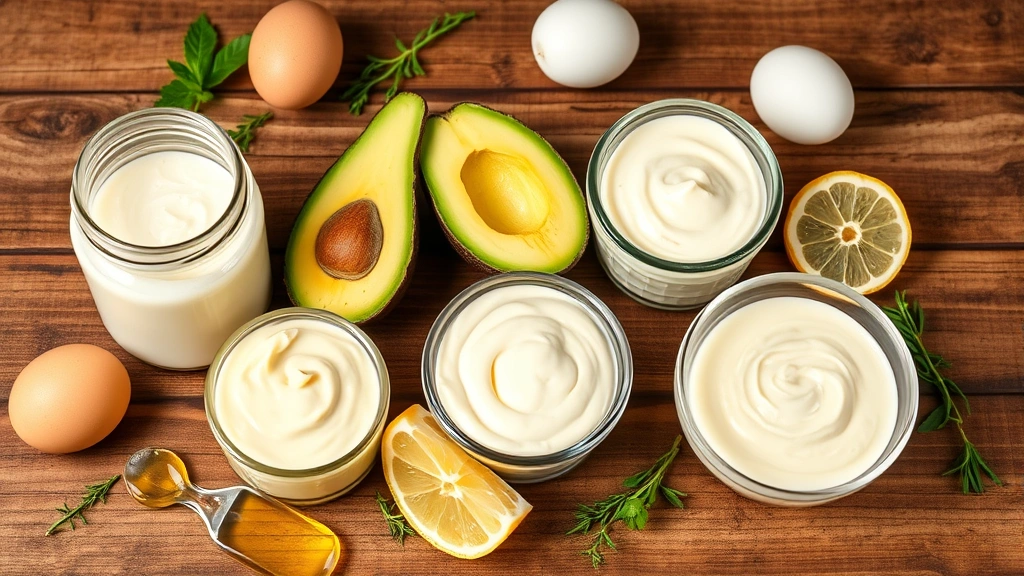
Avocado-based mayo alternatives offer improved monounsaturated fat ratios and additional micronutrients including potassium and B vitamins. However, their higher cost and shorter shelf life limit accessibility for many consumers. Egg-free mayonnaise, produced with aquafaba or other plant-based emulsifiers, accommodates dietary restrictions but typically features less nutritionally complete protein profiles. These alternatives serve specific dietary needs rather than representing universal improvements, and selection should align with individual priorities and constraints.
Comparing mayo to other condiments reveals its unique nutritional positioning. While mayo provides more calories and fat than vinegar-based condiments, it delivers superior satiety and facilitates absorption of fat-soluble vitamins. Understanding the importance of dietary fiber for your health helps contextualize how condiment choices fit within broader nutritional strategies. Sriracha, mustard, and hot sauce offer lower-calorie alternatives for those prioritizing caloric minimization, while mayo remains superior for applications requiring creamy texture or enhanced palatability of nutrient-dense foods like vegetables.
How Mayo Fits Into a Healthy Diet
The fundamental principle guiding mayo consumption in healthy dietary patterns involves viewing it as a flavor-enhancing tool rather than a nutritional centerpiece. When used intentionally at appropriate portions—typically one to two tablespoons per meal—mayo contributes negligible impact to overall macronutrient balance while substantially improving food enjoyment and compliance with dietary recommendations. This perspective reframes mayo from “indulgence to minimize” to “functional ingredient supporting dietary adherence.”
Mayo’s fat content actually supports several nutritional objectives when incorporated thoughtfully. Fat-soluble vitamin absorption—critical for vitamins A, D, E, and K—improves substantially when fat accompanies these nutrients. A vegetable-based salad incorporating mayo-based dressing delivers superior micronutrient bioavailability compared to identical vegetables dressed with fat-free alternatives. This principle extends to carotenoid absorption from orange and red vegetables, where fat presence increases plasma concentrations of these beneficial compounds. From this perspective, mayo becomes a tool for optimizing nutritional extraction from plant foods.
Satiety promotion represents another mechanism through which mayo supports healthy eating patterns. Individuals consuming mayo-containing meals report greater fullness and exhibit reduced subsequent snacking compared to fat-free alternatives. For those managing weight through calorie moderation, strategic fat inclusion through condiments like mayo can actually reduce total calorie consumption by preventing compensatory overeating. This counterintuitive finding challenges the assumption that calorie minimization across all foods represents optimal dietary strategy. Consulting resources about healthy nutrition plans and eating well for life provides broader context for condiment integration strategies.
Making Informed Choices About Condiments
Evaluating mayo nutrition facts requires moving beyond single-nutrient focus to assess overall dietary patterns and individual health objectives. Someone consuming 1-2 tablespoons daily within a balanced diet incorporating adequate vegetables, whole grains, and lean proteins faces negligible health risk from mayonnaise. Conversely, individuals consuming multiple tablespoons daily in conjunction with other high-calorie, high-sodium foods should consider reduction strategies. This contextual assessment applies to virtually all foods but is particularly relevant for condiments, which occupy an ambiguous space between essential nutrients and discretionary additions.
Reading ingredient labels provides essential information for informed selection. Products listing only eggs, oil, acid, and salt represent simpler formulations than those including multiple stabilizers and preservatives. However, simplicity doesn’t automatically equate to superiority—modern stabilizers enable shelf-stable products without requiring artificial preservatives, and their safety profiles have been established through regulatory review. Personal priorities regarding ingredient minimalism, organic certification, or specific oil sources should guide selection rather than assumptions about “cleaner” products inherently being nutritionally superior.
Storage and handling practices influence mayo’s safety and nutritional stability. Commercial mayonnaise contains sufficient acid to inhibit bacterial growth, making it shelf-stable before opening and requiring only refrigeration post-opening. Homemade mayo, lacking commercial stabilizers and preservation methods, presents greater food safety risks and requires more careful handling. For most consumers, commercially produced mayo from reputable manufacturers offers appropriate safety assurances while providing consistent nutritional profiles and quality.
Understanding how mayo integrates with broader dietary patterns matters more than absolute consumption quantities. A person consuming nutritious meals with appropriate portions who includes mayo for flavor enhancement likely experiences no adverse health effects. Conversely, someone consuming mayo-heavy foods in excessive quantities as part of generally poor dietary patterns faces legitimate health concerns—though the problem extends beyond mayo specifically to overall dietary quality. Recognizing this distinction prevents scapegoating individual foods while encouraging systemic dietary improvement.

The conversation around mayo nutrition facts ultimately reflects broader tensions in contemporary nutrition discourse. Reductionist approaches focusing on single nutrients—particularly fat—miss the complexity of how foods function within dietary patterns. Simultaneously, dismissing all nutritional concerns as “orthorexia” or food anxiety enables genuinely problematic consumption patterns. The evidence-based approach acknowledges mayo’s legitimate nutritional role while recognizing that excessive consumption contributes to caloric excess and potential sodium overload. This balanced perspective empowers consumers to make informed decisions aligned with their individual health objectives and dietary philosophies.
Consulting with registered dietitians provides personalized guidance regarding mayo consumption within individual health contexts. Someone managing hyperlipidemia might benefit from limiting mayo and choosing alternatives emphasizing monounsaturated fats. An individual struggling with food satisfaction and experiencing constant hunger might benefit from strategic fat inclusion through mayo to enhance meal satiety. Athletes requiring high caloric intake might leverage mayo’s caloric density for convenient energy provision. These contextual considerations transcend generic “healthy” or “unhealthy” classifications to address actual nutritional needs and health goals.
Visiting the Nutrients Pathway Blog provides additional evidence-based nutritional information complementing this mayo nutrition facts analysis. Exploring how nutrition and mental health interconnect through dietary impacts on brain function reveals how food choices extend beyond physical health to cognitive and emotional wellbeing. Understanding these broader nutritional principles contextualizes condiment selection within comprehensive dietary strategies supporting overall health optimization.
FAQ
How many calories are in one tablespoon of mayonnaise?
A standard tablespoon of traditional mayonnaise contains approximately 90-100 calories, making it one of the most calorie-dense condiments. This density stems from its oil-based composition, as fat provides 9 calories per gram. Reduced-fat varieties contain roughly 40-50 calories per tablespoon but often require larger portions for equivalent flavor impact.
Is mayonnaise bad for cholesterol levels?
Mayonnaise’s impact on cholesterol depends on individual metabolic factors and overall dietary patterns. Traditional mayo contains dietary cholesterol from egg yolks, but dietary cholesterol has minimal impact on blood cholesterol for most people compared to saturated fat intake. Mayo’s fat composition is predominantly unsaturated, making it less problematic than butter or coconut oil. Individuals with specific lipid concerns should consult healthcare providers regarding personalized recommendations.
What’s the difference between regular and light mayonnaise?
Light mayonnaise reduces oil content and adds water or starches, delivering 40-50% fewer calories per tablespoon. However, this reduction often requires larger portions for equivalent flavor, potentially offsetting caloric savings. Light varieties contain additional stabilizers and thickeners to maintain emulsion stability without sufficient oil, altering the ingredient profile substantially compared to traditional formulations.
Can mayonnaise be part of a weight loss diet?
Yes, mayonnaise can support weight loss when consumed intentionally at appropriate portions. Its fat content promotes satiety, reducing subsequent snacking and overall calorie consumption. Strategic inclusion of one to two tablespoons can enhance meal enjoyment and compliance without substantially impacting caloric balance. The key involves conscious portioning rather than eliminating mayo entirely.
What’s the sodium content in mayonnaise?
A tablespoon of standard mayonnaise contains approximately 90-100 milligrams of sodium, representing roughly 4-5% of daily recommended intake. While modest in isolation, mayo often combines with other sodium-containing ingredients, creating cumulative sodium loads. Individuals managing hypertension should consider total daily sodium across all foods rather than evaluating mayo in isolation.
Are there healthier mayonnaise alternatives?
Avocado-based mayo offers improved monounsaturated fat ratios and additional micronutrients, though at higher cost. Olive oil-based versions provide Mediterranean-aligned fatty acid profiles. Egg-free alternatives accommodate dietary restrictions but offer less nutritionally complete protein profiles. Selection should align with individual priorities regarding cost, ingredient preferences, and specific health objectives rather than assuming any alternative universally surpasses traditional mayo.


