Mayonnaise Nutrition Facts: Dietitian Breakdown
Mayonnaise is one of the most widely consumed condiments globally, yet it remains one of the most misunderstood from a nutritional perspective. Whether you’re spreading it on sandwiches, mixing it into salads, or using it as a cooking base, understanding the mayonnaise nutrition facts is essential for making informed dietary choices. This comprehensive guide breaks down the nutritional composition of mayonnaise, explores its health implications, and helps you determine whether this creamy condiment fits into your wellness goals.
As a registered dietitian would explain, mayonnaise’s nutritional profile is heavily influenced by its primary ingredient: oil. The emulsification of oil with egg yolks and acid creates a calorie-dense product that can significantly impact your daily macronutrient intake. By examining the specific nutrients, understanding portion sizes, and exploring healthier alternatives, you can make educated decisions about incorporating mayonnaise into your diet without compromising your nutritional objectives.
Mayonnaise Nutrition Facts at a Glance
A standard serving of mayonnaise is typically one tablespoon (approximately 14 grams), which contains roughly 90-100 calories. However, most people consume significantly more than a single tablespoon when preparing meals, making it crucial to understand serving sizes and their impact on your overall caloric intake. The basic nutritional breakdown of traditional mayonnaise includes:
- Calories: 90-100 per tablespoon
- Total Fat: 10-11 grams
- Saturated Fat: 1.5-2 grams
- Unsaturated Fat: 8-9 grams
- Carbohydrates: 0-1 gram
- Protein: 0 grams
- Sodium: 80-150 mg (depending on brand)
- Cholesterol: 5-10 mg
These numbers may vary slightly between brands, with premium versions like Hellmann’s or Kewpie mayonnaise showing different fat compositions based on their specific formulations. Understanding these baseline facts helps you contextualize mayonnaise within your broader healthy nutrition plan and dietary requirements.
Calorie Content and Macronutrient Breakdown
The caloric density of mayonnaise is its most significant nutritional characteristic. With approximately 90 calories per tablespoon, mayonnaise provides more than double the calories per gram of carbohydrates or protein. This high caloric concentration means that even modest increases in serving size can substantially impact your daily energy intake. For context, a typical sandwich might contain 2-3 tablespoons of mayonnaise, contributing 180-300 calories before considering bread, proteins, or other toppings.
From a macronutrient perspective, mayonnaise is almost exclusively fat-based, with virtually no carbohydrates or protein. This composition makes it a pure source of dietary fat, which has both advantages and disadvantages depending on your nutritional goals. For individuals following ketogenic diets or those requiring higher fat intake for satiety, this profile can be beneficial. However, for those managing overall caloric intake or limiting fat consumption, mayonnaise requires careful portion control.
The macronutrient ratio—approximately 98% of calories from fat—distinguishes mayonnaise from most other condiments. This contrasts sharply with nutrition facts about avocados, which despite being high in fat, also provide fiber and micronutrients. Understanding these distinctions helps you make informed choices about which fat sources align with your dietary philosophy.
Fat Profile: Understanding the Oil Content
The type of fat in mayonnaise deserves particular attention from a cardiovascular health perspective. Traditional mayonnaise is typically made with soybean oil, canola oil, or sunflower oil, all of which contain predominantly unsaturated fats. Specifically, these oils are rich in polyunsaturated and monounsaturated fats, which are generally considered healthier fat options compared to saturated fats.
The fatty acid composition typically includes:
- Polyunsaturated fats: Approximately 5-6 grams per tablespoon, including omega-6 fatty acids
- Monounsaturated fats: Approximately 3-4 grams per tablespoon
- Saturated fats: Approximately 1.5-2 grams per tablespoon
One important consideration is the omega-6 to omega-3 ratio in commercial mayonnaise. Most conventional mayonnaise contains predominantly omega-6 polyunsaturated fats with virtually no omega-3 content. This imbalance may be relevant for individuals concerned about inflammatory markers, as nutrition and mental health research has explored connections between fatty acid ratios and cognitive function.
Specialty mayonnaises made with avocado oil or olive oil offer different fat profiles, potentially providing more monounsaturated fats and better omega-3 to omega-6 ratios. These premium options may be preferable for those prioritizing anti-inflammatory dietary patterns, though they typically command higher prices and don’t significantly alter the overall caloric density.
Sodium and Additives in Commercial Mayonnaise
Beyond the primary nutritional components, commercial mayonnaise contains several additives that warrant examination. Sodium content varies considerably between brands, ranging from 80 mg to over 200 mg per tablespoon. For individuals monitoring sodium intake due to hypertension or other health conditions, this can be a meaningful consideration, particularly when mayonnaise is combined with other sodium-containing ingredients like processed meats or salted vegetables.
Common additives in commercial mayonnaise include:
- Preservatives: Calcium disodium EDTA, potassium sorbate, or sodium benzoate to extend shelf life
- Emulsifiers: Beyond egg yolks, some brands add additional emulsifiers for consistency
- Thickening agents: Modified food starch or guar gum in some formulations
- Flavorings: Natural or artificial flavoring compounds in certain brands
- Acidulants: Citric acid or vinegar for preservation and flavor
These additives are generally recognized as safe by regulatory agencies, but individuals with specific sensitivities or those preferring minimally processed foods may opt for brands with shorter ingredient lists. Reading labels carefully helps you identify products that align with your dietary preferences and health goals.

Micronutrients and Hidden Benefits
While mayonnaise is primarily valued for its fat content, it does provide certain micronutrients that often go unrecognized. The egg yolks in mayonnaise contribute choline, an essential nutrient involved in brain function, cell structure, and fat metabolism. A single tablespoon of mayonnaise provides approximately 5-10 mg of choline, though this represents a modest contribution to the daily recommended intake of 425-550 mg.
Additionally, mayonnaise contains vitamin E, a fat-soluble antioxidant present in the oils used in its production. This vitamin supports immune function and may help protect cells from oxidative damage. The vitamin E content varies based on oil selection, with some specialty mayonnaises providing more substantial amounts.
The selenium content in mayonnaise, derived from egg yolks, also merits mention. This trace mineral functions as a component of selenoproteins involved in antioxidant defense and thyroid hormone metabolism. However, the quantities provided by mayonnaise are relatively modest compared to other dietary sources.
For those interested in optimizing micronutrient intake through comprehensive dietary planning, exploring resources like the importance of dietary fiber for your health provides context for how mayonnaise—which contains zero fiber—fits into a balanced nutritional approach.
Health Considerations and Dietary Implications
The question of whether mayonnaise fits into a healthy diet requires nuanced consideration rather than blanket approval or condemnation. Research from Harvard School of Public Health’s Nutrition Source suggests that the type and quantity of fats consumed matters more than eliminating fat entirely from one’s diet.
For cardiovascular health, the predominance of unsaturated fats in mayonnaise is generally favorable compared to products high in saturated or trans fats. However, the high caloric density means portion control remains important for weight management. Excessive mayonnaise consumption could contribute to caloric surplus, which independently increases cardiovascular disease risk.
Individuals pursuing nutrition for athletes and optimizing performance through diet may find mayonnaise useful as a calorie-dense condiment for those with high energy requirements. However, athletes prioritizing lean body composition should monitor portions carefully.
For those managing type 2 diabetes, mayonnaise’s zero-carbohydrate profile means it doesn’t directly impact blood glucose levels. The fat content may actually slow carbohydrate absorption from accompanying foods, potentially beneficial for glycemic control. However, the caloric density still requires mindful portion sizing within overall meal planning.
Individuals with egg allergies must avoid traditional mayonnaise, as eggs are a primary ingredient. Those with soy allergies should verify oil sources, as soybean oil is common in conventional formulations. Vegan alternatives exist but typically rely on plant-based emulsifiers rather than eggs.
Healthier Mayo Alternatives
Several alternatives to traditional mayonnaise offer different nutritional profiles that may better align with specific dietary goals:
- Greek yogurt-based mayo: Reduces calories by approximately 50% while increasing protein and probiotics
- Avocado oil mayonnaise: Provides monounsaturated fats with a superior omega-3 to omega-6 ratio
- Olive oil mayonnaise: Offers Mediterranean diet principles with polyphenol antioxidants
- Aquafaba mayo: A plant-based alternative using chickpea liquid as an egg replacement
- Cashew cream: Provides creaminess with additional minerals like magnesium and zinc
Each alternative involves trade-offs. Greek yogurt-based versions reduce calories but add tang that doesn’t suit all applications. Specialty oil-based mayonnaises provide better fat profiles but cost significantly more. Homemade versions allow complete control over ingredients and sodium content but require more preparation time.
Exploring the Nutrients Pathway Blog provides additional insights into making informed condiment choices as part of your overall nutritional strategy.
How to Use Mayonnaise Mindfully
Strategic consumption of mayonnaise allows you to enjoy its flavor and functionality while maintaining nutritional goals:
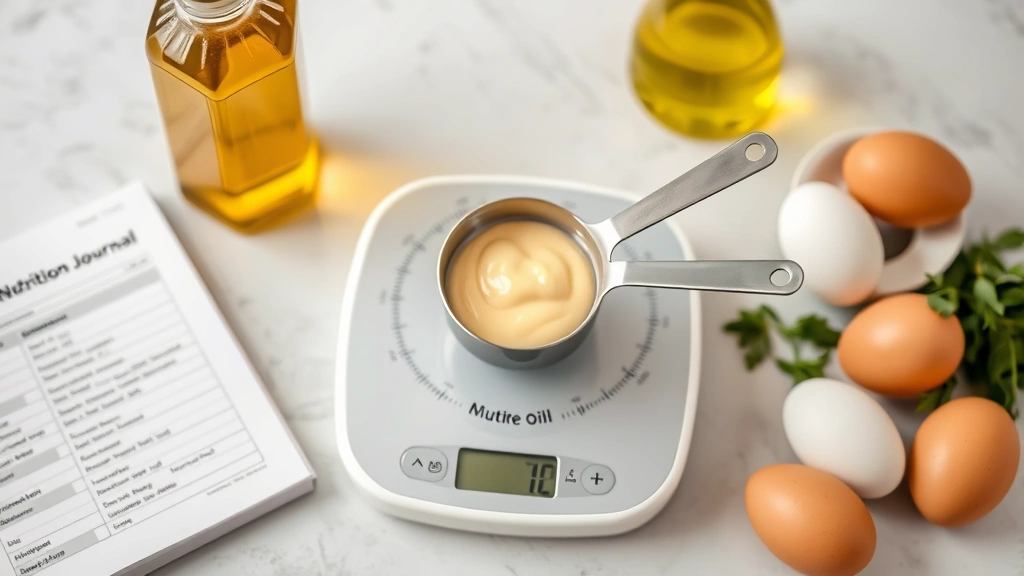
- Measure portions precisely: Use measuring spoons rather than spreading freely to ensure accurate calorie accounting
- Combine with vegetables: Mix mayonnaise with chopped vegetables to increase volume without proportionally increasing calories
- Replace partially in recipes: Substitute half the mayonnaise with Greek yogurt or cottage cheese in salads and spreads
- Choose quality brands: Premium mayonnaises often provide superior fat profiles and shorter ingredient lists
- Consider application methods: Using mayonnaise as a flavor accent rather than a base reduces consumption naturally
- Pair strategically: Combine with high-fiber foods to improve satiety and nutrient density of meals
These approaches allow you to maintain the culinary benefits of mayonnaise—its emulsifying properties, flavor enhancement, and textural contributions—while managing nutritional impact.
FAQ
Is mayonnaise bad for you?
Mayonnaise is neither inherently good nor bad; its impact depends on portion size, frequency of consumption, and individual health status. The unsaturated fat profile is preferable to saturated alternatives, but the high caloric density requires portion awareness for weight management.
How much mayonnaise can I eat daily?
Most dietary guidelines suggest limiting added fats to 25-35% of daily calories. For a 2,000-calorie diet, this allows approximately 2-3 tablespoons of mayonnaise daily, though individual needs vary based on overall dietary composition and health goals.
Does mayonnaise contain cholesterol?
Yes, mayonnaise contains approximately 5-10 mg of cholesterol per tablespoon from egg yolks. However, dietary cholesterol’s impact on blood cholesterol is modest compared to saturated fat intake for most individuals.
What’s the difference between regular and light mayonnaise?
Light mayonnaise typically contains 50% less fat and approximately 50% fewer calories than regular versions, achieved by replacing some oil with water and adding thickening agents. The trade-off involves different texture and mouthfeel that some find less satisfying.
Is homemade mayonnaise healthier than store-bought?
Homemade mayonnaise allows ingredient control and eliminates additives and preservatives, but the nutritional profile remains identical to quality store-bought versions since the basic formula—oil, eggs, and acid—remains constant.
Can people with celiac disease eat mayonnaise?
Most mayonnaise is naturally gluten-free, though cross-contamination during manufacturing or additives in some brands may be concerns. Always check labels or contact manufacturers if celiac disease or gluten sensitivity is present.