McAlister’s Nutrition Facts: Dietitian Explains
McAlister’s Deli has become a popular choice for those seeking customizable sandwich options, but understanding the nutritional landscape of their menu is crucial for making informed dietary decisions. As a registered dietitian, I’ve analyzed their offerings to help you navigate calorie counts, macronutrient ratios, sodium levels, and hidden nutritional pitfalls that many customers overlook. Whether you’re managing a specific health condition or simply trying to maintain balanced nutrition, this comprehensive guide breaks down what you’re actually consuming at McAlister’s.
The restaurant chain positions itself as a healthier alternative to traditional fast food, emphasizing fresh ingredients and customization options. However, the reality is more nuanced. Many menu items contain surprising amounts of sodium, saturated fat, and calories that can exceed daily recommendations in a single meal. Understanding these nutritional profiles empowers you to make choices aligned with your health goals and dietary requirements.
McAlister’s Menu Overview
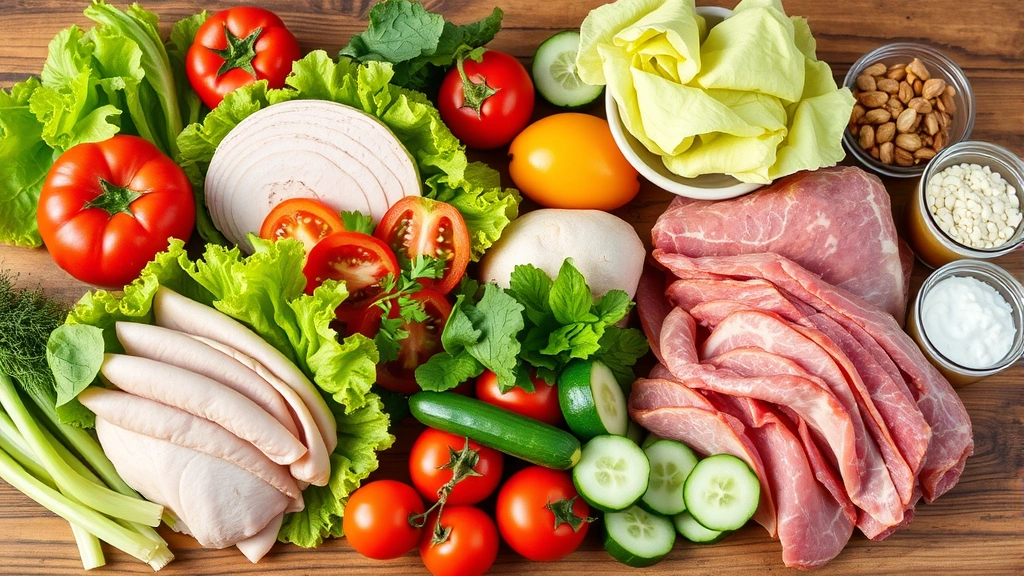
McAlister’s Deli operates as a submarine sandwich restaurant with approximately 500 locations across the United States. Their business model centers on customization, allowing customers to select proteins, breads, vegetables, and condiments. This flexibility presents both opportunities and challenges from a nutritional standpoint. While customization enables healthier choices, the default menu items often contain excessive calories and sodium without modification.
The restaurant emphasizes fresh-sliced meats and quality ingredients, which is commendable from a food quality perspective. However, processed deli meats inherently contain preservatives and sodium for shelf stability. Understanding this fundamental aspect of deli operations helps explain why even their “healthier” options may contain more sodium than home-prepared alternatives. The Nutrients Pathway Blog provides comprehensive nutrition information that can help contextualize these findings within broader dietary patterns.
Their menu includes classic submarine sandwiches, specialty sandwiches, salads, wraps, and various sides. The pricing structure incentivizes combo meals, which typically include a sandwich, drink, and chips or cookie. These bundled offerings significantly impact total nutritional intake and often represent poor nutritional value despite their convenience factor.

Sandwich Nutrition Breakdown
McAlister’s sandwich offerings vary dramatically in nutritional content based on size, bread choice, and protein selection. A classic turkey sandwich on wheat bread may contain 420-520 calories, while specialty sandwiches like the “The Number 13” can exceed 900 calories. This substantial range reflects the importance of understanding specific menu items rather than making assumptions about “sandwich nutrition” as a category.
The bread selection significantly impacts both calories and nutritional value. McAlister’s offers white bread, wheat bread, and rye options. Wheat bread provides marginally more fiber and micronutrients compared to white bread, though the difference is relatively modest. A typical sandwich bread slice contains 130-150 calories, meaning bread alone accounts for 260-300 calories in a standard sandwich. For individuals following lower-calorie diets, this represents a substantial portion of their daily allowance.
Protein selections range from turkey and roast beef to specialty meats like pastrami and corned beef. Turkey breast typically contains 50-70 calories per ounce with minimal fat, while higher-fat processed meats like pastrami can contain 80-100 calories per ounce with elevated saturated fat content. The amount of meat varies by sandwich and customer selection, but default portions typically range from 4-6 ounces. This means protein alone contributes 200-400 calories depending on the meat type selected.
Cheese additions significantly increase both calories and saturated fat. A standard cheese slice adds approximately 80-100 calories and 5-6 grams of saturated fat. Many customers add cheese without fully appreciating this nutritional impact, particularly when combined with mayo-based spreads. The combination of processed meats, cheese, and creamy condiments creates a nutritional profile heavy in saturated fat and sodium.
Mayo and other spread-based condiments contribute 90-100 calories per tablespoon. A typical sandwich application uses 1.5-2 tablespoons, adding 135-200 calories and 14-22 grams of fat. Mustard and vinegar-based alternatives provide flavor with minimal caloric impact, making them superior choices for nutrition-conscious diners. Understanding these condiment differences allows for significant caloric reduction without sacrificing taste satisfaction.
Salad Options Analysis
McAlister’s salad offerings present an interesting case study in how restaurant “healthy” options can contain misleading nutritional profiles. A grilled chicken salad may appear virtuous with fresh vegetables and lean protein, but the accompanying dressing frequently contains 300-400 calories and excessive sodium. Many customers consume dressing-heavy salads believing they’re making optimal nutritional choices, when in reality the caloric and fat content exceeds that of a lighter sandwich.
The base salad greens typically contain minimal calories, approximately 15-25 calories per serving. However, add-ins like croutons, nuts, dried fruit, and cheese escalate caloric content rapidly. A handful of croutons adds 60-80 calories, while candied nuts can contribute 100+ calories. These items are often included in the default salad preparation without explicit customer awareness.
Protein options for salads include grilled chicken breast, turkey, and various cheese selections. Grilled chicken provides approximately 30-35 calories per ounce with minimal fat, making it a superior protein choice compared to mayo-based chicken salad preparations. However, many salad dressings contain mayo-based components that negate the lean protein advantage. Requesting grilled chicken with vinaigrette or oil-and-vinegar dressing substantially improves the nutritional profile.
Following a healthy nutrition plan guide helps contextualize restaurant choices within broader dietary goals. A well-constructed salad at McAlister’s can contain 400-550 calories with appropriate customization, positioning it as a reasonable lunch option for many dietary patterns. The key involves understanding dressing selections and requesting modifications to default preparations.
Sides and Beverages Impact
The side selections at McAlister’s represent a significant but often underestimated source of additional calories and sodium. Potato chips, a default side option, contain approximately 150-160 calories per serving along with 200-300 mg of sodium. Cookies contribute 160-200 calories, frequently with minimal nutritional benefit beyond caloric content. These side selections transform a 550-calorie sandwich into a 700-800 calorie meal without substantially increasing satiety.
Beverage selections profoundly impact total meal caloric content. Regular soft drinks contain 140-170 calories per 20-ounce serving, primarily from added sugars. A typical 44-ounce fountain drink can contain 300-400 calories from sugar alone. This represents a substantial caloric burden without corresponding nutritional benefit or sustained satiety. Unsweetened tea, water, or coffee provide hydration without caloric contribution.
The “combo” meal structure creates psychological pressure to consume all included items. Customers who purchase a sandwich combo feel obligated to consume the included drink and side, even if they weren’t independently hungry for these items. This bundling strategy increases total meal calories and sodium consumption beyond what individual items might suggest.
Mac and cheese sides, though occasionally offered, contain 300-400 calories per serving with elevated saturated fat content. These creamy sides complement sandwiches but substantially increase the overall meal’s nutritional impact. For individuals managing cardiovascular health or weight, requesting vegetable sides or fruit cups instead of traditional sides provides superior nutritional value.
Sodium Concerns and Health Impact
Sodium content represents the most significant nutritional concern across McAlister’s menu. A typical sandwich contains 1,200-1,800 mg of sodium, representing 50-75% of the recommended daily intake in a single meal. The American Heart Association recommends 2,300 mg daily maximum, yet many McAlister’s sandwiches alone consume most or all of this allowance.
This excessive sodium stems from multiple sources: processed deli meats contain 300-500 mg per ounce, cheese adds 150-200 mg per slice, bread contributes 200-400 mg per sandwich, and many condiments contain additional sodium. The cumulative effect creates a sodium-laden meal that impacts blood pressure and fluid balance.
Individuals with hypertension, heart disease, or kidney concerns should approach McAlister’s menu with particular caution. Research from the American Heart Association consistently demonstrates that high sodium intake contributes to elevated blood pressure and increased cardiovascular disease risk. A single McAlister’s meal can represent a significant dietary sodium burden for individuals managing these health conditions.
The sodium content in restaurant meals frequently exceeds what consumers realize, as CDC nutrition data consistently documents. McAlister’s, like most restaurant chains, relies on processed ingredients that necessarily contain sodium for preservation and flavor enhancement. This structural reality means that even “healthier” selections contain substantial sodium.
Customization Strategies for Better Nutrition
The fundamental advantage of McAlister’s business model is customization capacity. Leveraging this flexibility enables substantial nutritional improvements without sacrificing satisfaction. Requesting half-portions of meat reduces caloric and sodium intake by 20-30% while maintaining adequate protein content. Most customers consume more protein than necessary; reducing portion sizes doesn’t compromise satiety.
Vegetable additions represent the single most impactful customization for improving nutritional profiles. Requesting additional lettuce, tomatoes, onions, cucumbers, and peppers adds volume, fiber, and micronutrients without substantial caloric increase. These vegetables enhance satiety through increased fiber content and water volume, helping you feel fuller longer without excessive calories.
Condiment substitutions dramatically improve nutritional outcomes. Requesting mustard, vinegar, or oil-and-vinegar dressing instead of mayo-based spreads eliminates 100-150 calories per sandwich while maintaining flavor. Many customers never request these substitutions, unaware of the caloric savings available. Spicy mustard or horseradish provides bold flavor without caloric penalty.
Bread selection impacts both calories and nutritional value. Requesting a smaller bread size or requesting a lettuce wrap eliminates 200-300 calories for individuals willing to forgo traditional bread. While this represents a significant dietary shift, it’s worth considering for those with specific caloric restrictions. Whole grain options, when available, provide marginally more fiber and micronutrients.
Cheese elimination or reduction represents another substantial caloric saving. A sandwich without cheese eliminates 80-100 calories and 5-6 grams of saturated fat. For individuals managing cholesterol levels or following specific dietary patterns, this modification aligns with health objectives. The umami flavor from processed meats typically provides sufficient satisfaction without added cheese.
Understanding nutrition for athletes and performance optimization helps contextualize customization strategies within broader dietary goals. Athletes may prioritize protein and carbohydrate content differently than individuals focused on weight management, suggesting different customization approaches.
Meeting Dietary Restrictions
McAlister’s menu accommodates various dietary restrictions with appropriate modifications, though the process requires clear communication with staff. Vegetarian customers can request vegetable-only sandwiches with hummus or cheese as protein sources. While less protein-dense than meat-based options, vegetable sandwiches provide substantial fiber, micronutrients, and satiety when properly constructed with multiple vegetable varieties.
Gluten-free individuals face challenges at McAlister’s, as traditional bread contains gluten and the restaurant doesn’t prominently feature gluten-free bread options. Requesting a salad base with grilled protein provides a viable gluten-free option, though cross-contamination risks exist in shared food preparation areas. Individuals with celiac disease should inquire about preparation practices and cross-contamination protocols.
Dairy-free customers can request sandwiches without cheese and verify that spreads don’t contain dairy ingredients. Most deli meats are dairy-free, though some specialty items may contain dairy additives. Vegetable-based condiments like mustard and vinegar provide flavor without dairy content.
Low-sodium requirements present significant challenges at McAlister’s, as processed deli meats inherently contain substantial sodium. Requesting turkey breast with minimal spread and maximum vegetables reduces sodium somewhat, but achieving truly low-sodium meals at restaurant establishments remains difficult. Individuals requiring strict sodium limitation might consider home-prepared alternatives as more appropriate.
Keto and low-carbohydrate dieters can construct appropriate meals by requesting protein and cheese without bread, supplemented with vegetable sides. A lettuce-wrapped sandwich with turkey, cheese, and vegetables provides protein and fat while minimizing carbohydrate content. Confirming that condiments don’t contain added sugars ensures dietary protocol adherence.
Exploring nutrition and mental health connections provides perspective on how dietary choices impact overall wellness beyond simple caloric accounting. Consistent restaurant consumption patterns influence both physical and mental health outcomes.
FAQ
What’s the lowest calorie sandwich at McAlister’s?
The turkey sandwich on wheat bread with minimal spread and maximum vegetables typically contains 420-500 calories, representing the lowest-calorie standard sandwich option. Customizing by removing cheese, requesting mustard instead of mayo, and adding extra vegetables further reduces calories to 350-400 range. However, actual nutrition varies based on specific customizations and portion sizes.
How much sodium is in McAlister’s sandwiches?
Most McAlister’s sandwiches contain 1,200-1,800 mg of sodium, representing 50-75% of the recommended daily limit. This sodium comes from processed meats, cheese, bread, and condiments. Individuals managing hypertension should consider this substantial sodium burden when selecting restaurant meals.
Are McAlister’s salads healthy?
McAlister’s salads can be nutritionally sound with appropriate customization, but default preparations often contain excessive dressing calories. Requesting grilled protein with vinaigrette dressing and minimal high-calorie add-ins creates a salad containing 400-550 calories with substantial nutritional value. However, salad dressing represents the primary nutritional concern requiring modification.
Can I eat McAlister’s on a diet?
Yes, McAlister’s accommodates various dietary approaches with customization. Requesting half-portions of meat, eliminating cheese, substituting condiments, and maximizing vegetables enables calorie-controlled meals. Success depends on understanding nutritional content and communicating clearly with staff about modifications.
What should I drink at McAlister’s?
Unsweetened tea, water, and black coffee provide hydration without caloric contribution. These beverages allow you to consume a satisfying meal without the 300-400 calories typically associated with sweetened fountain drinks. This single choice can reduce total meal calories by 30-40%.
Does McAlister’s have nutritional information available?
McAlister’s provides nutritional information on their website and in-restaurant, allowing customers to review calorie counts, sodium levels, and macronutrient composition before ordering. Reviewing this information before visiting enables informed decision-making aligned with specific health goals. The Nutrition Facts Label Generator can help you understand nutritional profiles more thoroughly.
What about allergen concerns at McAlister’s?
McAlister’s can provide allergen information for customers with specific concerns. Common allergens in their menu include gluten in bread, dairy in cheese and some condiments, and potential tree nuts in some items. Staff should be informed of allergies to ensure appropriate preparation protocols and cross-contamination prevention.