
Are McDonald’s Cookies Healthy? Dietitian Explains
McDonald’s cookies have become a staple in fast-food culture, appealing to millions of consumers seeking a quick sweet treat alongside their meals. But the question that matters most is whether these convenient snacks align with nutritional health goals. As a registered dietitian, I’ve analyzed the ingredient lists, nutritional profiles, and marketing claims surrounding McDonald’s cookie offerings to provide you with evidence-based insights. This comprehensive guide breaks down what’s actually in these cookies, how they fit into a balanced diet, and what healthier alternatives might look like for those seeking to make more conscious food choices.
The reality is nuanced: while McDonald’s cookies aren’t inherently “toxic,” they’re highly processed products engineered for taste and shelf stability rather than nutritional benefit. Understanding their composition helps consumers make informed decisions that align with their personal health objectives and dietary patterns. Whether you’re a parent deciding what to feed your children, an athlete managing macronutrient intake, or simply someone curious about fast-food nutrition, this analysis provides the transparency you need.
McDonald’s Cookie Nutritional Breakdown
McDonald’s offers several cookie varieties, with the Chocolate Chip Cookie being their most popular option. A single cookie contains approximately 170 calories, making it seem modest in isolation. However, the caloric density becomes concerning when examining the macronutrient distribution. These cookies provide roughly 9 grams of total fat, 22 grams of carbohydrates, and only 2 grams of protein per serving. This macronutrient profile offers minimal satiety—meaning you won’t feel full for long after consumption, which can lead to overconsumption and increased daily caloric intake.
The fat content deserves particular attention. Of the 9 grams of fat, approximately 3.5 grams come from saturated fat, representing roughly 18% of the daily recommended saturated fat intake for a 2,000-calorie diet. When incorporated into a typical fast-food meal that already contains substantial saturated fat from burger patties and fried items, these cookies can push daily totals into concerning territory. The Nutrients Pathway nutrition information hub provides detailed comparisons of various food products that can help contextualize these figures within broader dietary patterns.
Sodium content in McDonald’s cookies ranges from 150-200 mg per cookie, which might seem manageable independently. Yet when combined with the sodium already present in a McDonald’s meal (which can exceed 1,500 mg), a single fast-food visit can account for 70-80% of the recommended daily sodium intake. This cumulative effect represents a genuine health concern, particularly for individuals managing hypertension or cardiovascular conditions.
Sugar and Sodium: The Hidden Concerns
Perhaps the most problematic aspect of McDonald’s cookies is their added sugar content. Each cookie contains 12 grams of sugar, with virtually all of it being added sugar rather than naturally occurring sugars from whole food sources. The American Heart Association recommends limiting added sugar to 25 grams daily for women and 36 grams for men. A single McDonald’s cookie represents 48% of a woman’s daily limit and 33% of a man’s limit—before considering sugar from beverages, other foods, or additional snacks consumed throughout the day.
This excessive sugar consumption triggers rapid blood glucose spikes, prompting insulin release and subsequent energy crashes. Consumers often interpret this energy dip as hunger, leading to additional snacking and perpetuating a cycle of blood sugar dysregulation. For individuals managing diabetes or prediabetes, these cookies represent a significant metabolic challenge that can interfere with blood glucose control strategies.
Research published by Pew Research Center has documented concerning trends in American sugar consumption, particularly among younger demographics who frequently consume fast-food products. The cumulative impact of regular consumption extends beyond immediate blood sugar effects to include increased risk for type 2 diabetes, obesity, and dental health problems. Understanding the importance of dietary fiber for your health provides context for why processed cookies—which contain zero grams of fiber—fail to support healthy digestion and satiety.
What’s Really in McDonald’s Cookies
The ingredient list for McDonald’s Chocolate Chip Cookies reads like a chemistry textbook: enriched flour, sugar, vegetable oil, chocolate chips, corn syrup, dextrose, salt, baking soda, soy lecithin, vanilla extract, and various preservatives including sodium propionate. Each ingredient serves a specific industrial purpose rather than nutritional benefit.
Enriched flour, the primary ingredient, has been processed to remove the bran and germ—the nutrient-dense components containing fiber, B vitamins, and minerals. While manufacturers add back synthetic B vitamins through enrichment, this artificial restoration cannot replicate the nutritional complexity of whole grains. The flour provides simple carbohydrates that digest rapidly, contributing to blood sugar spikes without offering sustained energy or nutritional value.
Vegetable oil, typically soybean or canola oil, is high in omega-6 polyunsaturated fats. While not inherently harmful, the excessive omega-6 to omega-3 ratio in modern processed foods promotes inflammatory responses in the body. Understanding the benefits of omega-3 fatty acids reveals how dietary fat quality matters significantly for long-term health outcomes. McDonald’s cookies contain zero omega-3 content, further tilting the inflammatory balance.
Corn syrup and dextrose function as sweeteners and preservatives, extending shelf life while maximizing sweetness perception. These ingredients bypass normal satiety mechanisms in the brain, making it easier to overconsume cookies without feeling satisfied. Sodium propionate, a common preservative, has raised concerns in emerging research regarding its potential impact on glucose metabolism and inflammatory markers, though more research is needed to establish definitive causation.
Soy lecithin, derived from soy, serves as an emulsifier improving texture and shelf stability. For individuals with soy sensitivities or those seeking to avoid genetically modified ingredients, this component presents an additional concern. The vanilla extract, while seemingly innocuous, often contains added sugars and artificial flavor compounds rather than pure vanilla.

Health Impact and Dietary Considerations
Regular consumption of McDonald’s cookies contributes to several documented health concerns. The combination of high sugar, saturated fat, and refined carbohydrates creates a metabolic environment conducive to weight gain, particularly around the abdominal area. Visceral fat accumulation—fat stored around organs—correlates strongly with insulin resistance, metabolic syndrome, and cardiovascular disease risk.
For children and adolescents, the impact becomes even more significant. Developing brains and bodies require nutrient-dense foods to support growth, cognitive function, and metabolic programming. Cookies providing empty calories displace opportunities for nutrient-rich alternatives. Research demonstrates that early exposure to highly processed, sugary foods establishes taste preferences that persist into adulthood, creating lifelong dietary patterns favoring processed foods over whole foods.
The dental health implications warrant mention as well. High sugar content and acidic processing damage tooth enamel and promote cavity formation. The sticky nature of cookie crumbs increases bacterial adhesion to tooth surfaces, exacerbating decay risk. Dentists consistently identify fast-food cookies as problematic dietary contributors to pediatric and adult cavity development.
For individuals following a healthy nutrition plan, occasional McDonald’s cookies might fit within flexible dietary approaches. However, regular consumption—more than once weekly—creates cumulative metabolic stress that undermines long-term health goals. The key consideration is frequency and context within overall dietary patterns.
How They Compare to Alternatives
Comparing McDonald’s cookies to homemade alternatives reveals striking nutritional differences. A homemade chocolate chip cookie using whole wheat flour, coconut oil, honey instead of refined sugar, and quality chocolate contains similar calories but dramatically different nutritional profiles. Homemade versions provide fiber (absent in McDonald’s), micronutrients from whole grains, and fewer additives.
Store-bought alternatives vary widely. Some brands offer options with reduced sugar, added fiber, or whole grain bases. Annie’s Organic Chocolate Chip Cookies, for example, contain 8 grams of sugar versus McDonald’s 12 grams, while providing 2 grams of fiber for improved satiety. Simple Mills Almond Flour Cookies deliver protein and healthy fats from almond flour, creating superior macronutrient balance.
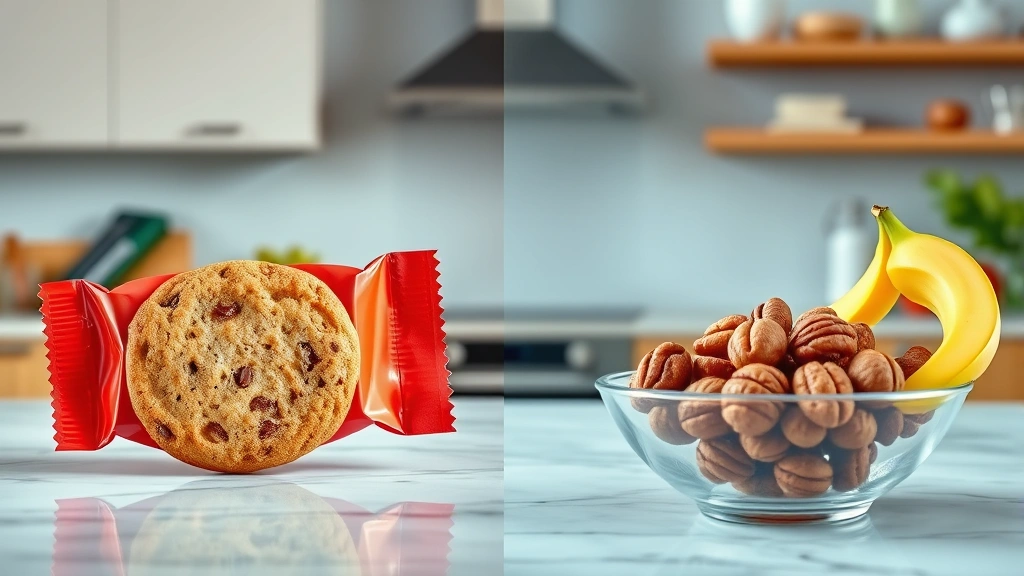
The most nutritious alternative involves skipping processed cookies entirely in favor of whole foods. A piece of fresh fruit with nuts, Greek yogurt with berries, or a small handful of dark chocolate chips provides comparable satisfaction with superior nutritional density. These options deliver fiber, protein, micronutrients, and antioxidants—elements completely absent from McDonald’s cookies.
For athletes specifically, nutrition for athletes optimizing performance through diet emphasizes whole foods and strategic macronutrient timing rather than processed snacks. McDonald’s cookies provide neither pre-workout energy optimization nor post-workout recovery support, making them poor choices for performance-focused dietary strategies.
Dietitian Recommendations
As a registered dietitian, I recommend a harm-reduction approach rather than absolute restriction. Complete elimination of enjoyed foods often backfires, creating psychological deprivation that leads to binge eating. Instead, I suggest these practical strategies:
- Frequency reduction: Limit McDonald’s cookies to occasional treats—no more than once monthly—rather than regular purchases
- Portion awareness: If consuming a cookie, eat it mindfully without additional sugary beverages or desserts that day
- Context matters: Balance cookies with protein-rich meals and vegetable intake to moderate blood sugar impact
- Hydration focus: Drink water rather than sugary beverages when consuming cookies, reducing overall sugar load
- Substitute strategically: When cravings strike, try satisfying alternatives like fruit with nut butter or homemade treats
- Transparent communication: If purchasing for children, discuss why these are occasional treats rather than regular foods
For individuals managing specific health conditions—diabetes, cardiovascular disease, obesity, or hypertension—I recommend avoiding McDonald’s cookies entirely. The metabolic stress they create conflicts with therapeutic dietary goals. Working with a registered dietitian helps identify satisfying alternatives aligned with individual health needs.
The broader dietary philosophy should emphasize abundance rather than deprivation. Instead of focusing on what you’re avoiding, concentrate on increasing nutrient-dense foods: colorful vegetables, whole grains, legumes, nuts, seeds, and quality proteins. As these foods increase, processed cookies naturally occupy smaller portions of overall intake.
FAQ
Are McDonald’s cookies worse than other fast-food desserts?
McDonald’s cookies are moderately concerning compared to fast-food alternatives. A McDonald’s Apple Pie contains similar sugar and more calories, while a small soft-serve ice cream has less sugar but more fat. The relative harm depends on individual dietary patterns and health status. Generally, all fast-food desserts should be occasional rather than regular choices.
Can children occasionally eat McDonald’s cookies?
Occasional consumption—perhaps a few times yearly during special occasions—poses minimal health risk for children without metabolic conditions. However, regular consumption undermines healthy taste development and contributes to childhood obesity trends. Prioritizing whole food snacks establishes better long-term dietary patterns. Research from the American Psychological Association documents how early food experiences shape lifelong preferences.
Do McDonald’s cookies contain allergens?
Yes. McDonald’s cookies contain wheat and soy, with potential cross-contamination risks for tree nuts. Individuals with allergies should consult McDonald’s allergen documentation. The presence of soy lecithin particularly concerns those avoiding genetically modified ingredients, as most soy is genetically modified.
How do McDonald’s cookies fit into a weight loss diet?
They don’t fit well into calorie-restricted diets. The 170 calories provide minimal satiety, making it easy to exceed calorie goals without feeling satisfied. Better choices include protein-rich snacks that provide sustained fullness. For those using flexible dieting approaches, occasional cookies can fit within macronutrient targets, but they displace more nutritious alternatives.
Are there any nutritional benefits to McDonald’s cookies?
Minimal. Each cookie provides negligible amounts of essential nutrients. The enriched flour contains synthetic B vitamins, but whole grain alternatives provide superior micronutrient density. Essentially, McDonald’s cookies provide calories and sugar without meaningful nutritional compensation—the opposite of what healthy diets should emphasize.
How do McDonald’s cookies compare to homemade versions?
Homemade cookies typically contain fewer additives, more whole food ingredients, and can be adjusted for reduced sugar content. A homemade cookie using whole wheat flour, quality chocolate, and honey provides fiber and micronutrients absent from McDonald’s versions. The taste satisfaction is often superior, making smaller portions feel more satisfying.
Understanding what you’re consuming empowers better dietary decisions. McDonald’s cookies aren’t uniquely evil—they’re simply processed foods optimized for industrial production and profit rather than human health. By recognizing their true nutritional value (or lack thereof), you can make informed choices aligned with your health goals and values. The occasional cookie poses minimal risk; regular consumption creates cumulative metabolic stress worthy of reconsideration.