McGriddle Nutrition Facts: Dietitian Insights
The McDonald’s McGriddle has been a breakfast staple since its introduction in 2003, combining griddle cakes with savory breakfast meat and cheese. While beloved for its unique sweet-and-salty flavor profile, understanding the nutritional composition of this popular menu item is essential for making informed dietary choices. This guide breaks down the complete McGriddle nutrition facts and provides expert dietitian insights to help you integrate this breakfast item into a balanced eating plan.
Whether you’re a regular McDonald’s customer or considering this item for the first time, knowing what you’re consuming matters. From calorie counts to macronutrient distribution, sodium levels, and ingredient concerns, we’ll explore every nutritional aspect of the McGriddle. By understanding these details, you can make decisions that align with your health goals and dietary preferences.

Complete McGriddle Nutrition Facts
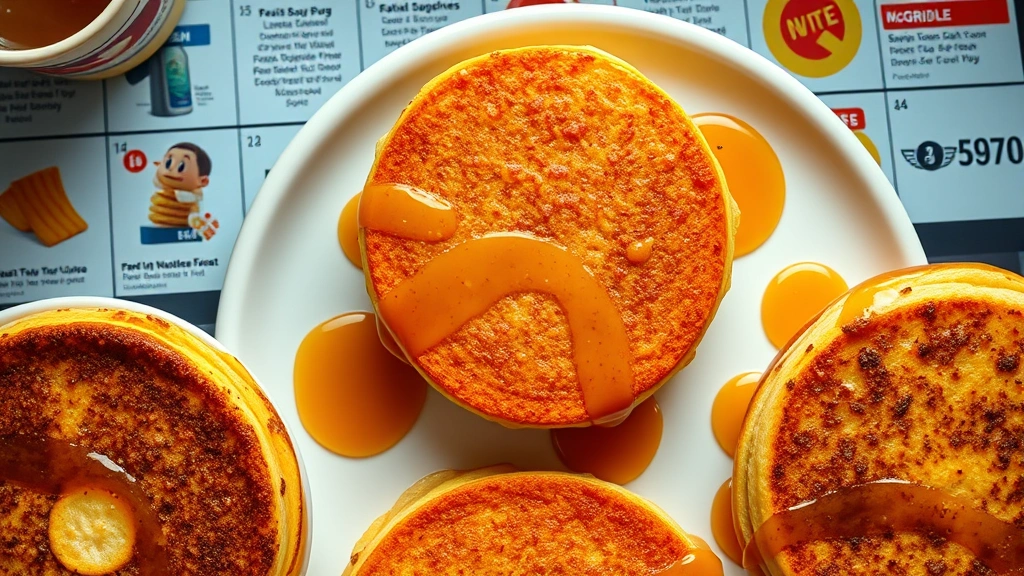
The standard McGriddle contains multiple components that contribute to its overall nutritional profile. A classic McGriddle with sausage, egg, and cheese contains approximately 450 calories, though variations exist depending on the specific protein choice. The sandwich consists of two griddle cakes—which provide the distinctive sweetness—combined with a folded egg, sausage patty, and American cheese.
When examining the nutrition label, you’ll find that McDonald’s provides detailed information about serving sizes, calories, and nutrient content. The McGriddle comes in several variations, including sausage, bacon, and no-meat options, each with slightly different nutritional profiles. Understanding these differences helps you select the option that best fits your dietary needs. For context on how fast food breakfast items fit into your overall nutrition strategy, reviewing a healthy nutrition plan guide can provide valuable perspective.
The griddle cakes themselves contain approximately 150 calories per serving and are made with enriched flour, sugar, and butter. This sweet foundation is what distinguishes the McGriddle from traditional breakfast sandwiches. The syrup-flavored griddle cakes create a unique taste experience but also contribute significant sugar content to the overall product. Understanding this component is crucial for those monitoring sugar intake or managing blood glucose levels.

Calorie Breakdown and Energy Content
A standard Sausage McGriddle contains 450 calories, representing approximately 22-23% of a typical 2,000-calorie daily diet. For those following a 1,500-calorie plan, this single item accounts for roughly 30% of daily caloric intake. The caloric content breaks down as follows: approximately 140 calories from the sausage patty, 160 calories from the egg and cheese components, and 150 calories from the griddle cakes themselves.
The Bacon McGriddle variant contains slightly fewer calories at around 420 calories, while the Egg and Cheese McGriddle (without meat) comes in at approximately 300 calories. These variations provide options for different caloric targets, though all versions maintain the characteristic sweet griddle cakes. Athletes and active individuals interested in optimizing breakfast nutrition should explore nutrition for athletes and diet optimization to understand how fast food breakfast fits into performance nutrition.
The energy density of the McGriddle—calories per gram—is relatively high due to the combination of dietary fats and refined carbohydrates. This means the sandwich provides substantial energy but may not deliver sustained satiety for all individuals. People following lower-calorie diets or those trying to create a caloric deficit for weight management should consider whether the McGriddle aligns with their daily targets and whether it provides adequate satiation relative to its caloric cost.
Macronutrients: Protein, Fat, and Carbohydrates
The macronutrient distribution of a Sausage McGriddle reveals important information about its nutritional composition. The sandwich contains approximately 17 grams of protein, primarily from the sausage patty and egg. While this protein content is moderate, it provides essential amino acids necessary for muscle maintenance and repair. The egg component contributes high-quality complete protein, making this aspect of the McGriddle nutritionally valuable.
Total fat content in a standard McGriddle reaches approximately 22 grams, with approximately 8 grams coming from saturated fat. This saturated fat content represents about 40% of the recommended daily intake based on a 2,000-calorie diet. Saturated fat consumption is a concern for cardiovascular health, and registered dietitians often recommend limiting intake from any single source. The griddle cakes and sausage patty contribute the majority of this fat content.
Carbohydrate content totals around 40 grams per McGriddle, with approximately 15 grams derived from added sugars found in the griddle cakes and syrup flavoring. This sugar content is significant—representing approximately 30% of the recommended daily sugar intake for adults. The remaining carbohydrates come from refined flour in the griddle cakes, which lack the fiber and micronutrient density of whole grain options. For those interested in understanding carbohydrate quality and fiber importance, exploring dietary fiber information provides essential context.
The carbohydrate-to-protein ratio in the McGriddle is approximately 2.4:1, which means this meal may not provide optimal satiety for all individuals. Those sensitive to blood sugar fluctuations should note that the refined carbohydrates and added sugars may cause rapid glucose spikes followed by energy crashes. Pairing the McGriddle with lower-glycemic foods or consuming it alongside protein-rich beverages might help moderate these effects.
Sodium and Micronutrient Analysis
Sodium content in a McGriddle is substantial, with approximately 770-800 milligrams per sandwich. This represents about 33% of the recommended daily sodium intake of 2,300 milligrams established by the American Heart Association. For individuals following sodium-restricted diets due to hypertension or other cardiovascular conditions, a single McGriddle represents a significant portion of their daily allowance. The sodium comes primarily from the sausage patty, cheese, and the griddle cakes themselves.
Micronutrient analysis reveals moderate levels of several important nutrients. The McGriddle contains approximately 250-300 milligrams of calcium, contributing to bone health and muscle function. Iron content reaches approximately 2-3 milligrams, supporting oxygen transport throughout the body. The egg component provides choline, essential for cognitive function and neurological health. However, the micronutrient density relative to caloric content is relatively low compared to whole food breakfast options.
Vitamin content includes small amounts of B vitamins from the egg and enriched flour, supporting energy metabolism. However, the McGriddle lacks significant sources of vitamin C, vitamin A (except minimal amounts from the cheese), and other essential micronutrients found in whole fruits, vegetables, and whole grains. This nutritional gap highlights why registered dietitians recommend complementing fast food breakfast items with nutrient-dense foods to create balanced meals.
The McGriddle contains no dietary fiber, which is a notable nutritional limitation. Fiber supports digestive health, promotes satiety, and helps regulate blood sugar levels. The absence of fiber combined with the high refined carbohydrate content makes this item less suitable as a standalone breakfast for those prioritizing sustained energy and digestive health. Adding a fruit or vegetable-based side dish would significantly improve the overall nutritional quality of the meal.
Dietitian Perspectives on McGriddle Consumption
Registered dietitian nutritionists recognize that occasional consumption of convenience foods like the McGriddle can fit into a balanced diet for most adults. The key consideration is frequency and context within the overall dietary pattern. Consuming a McGriddle once or twice weekly is unlikely to negatively impact health for individuals without specific medical conditions. However, regular daily consumption may contribute to excessive calorie, sodium, and added sugar intake.
According to CDC nutrition research on added sugars, Americans consume significantly more added sugar than recommended, with fast food items being major contributors. The McGriddle’s 15 grams of added sugar from griddle cakes represents a substantial portion of the recommended daily limit of 25-36 grams for adults. Dietitians emphasize that repeated consumption of high-sugar breakfast items may increase risk for type 2 diabetes, obesity, and dental problems.
The satiety factor is important from a dietitian perspective. While the McGriddle contains protein and fat, both of which promote fullness, the refined carbohydrate content may not provide lasting satiation. Many individuals report hunger within 2-3 hours after consuming a McGriddle, potentially leading to mid-morning snacking and excessive daily calorie consumption. Pairing the sandwich with a protein-rich beverage like Greek yogurt or adding vegetable-based sides can improve satiety.
Dietitian recommendations generally suggest viewing the McGriddle as an occasional treat rather than a dietary staple. Those with specific health conditions—including hypertension, type 2 diabetes, cardiovascular disease, or obesity—should consult with healthcare providers about appropriate frequency of consumption. The high sodium and saturated fat content make this item particularly problematic for cardiovascular health when consumed regularly.
Healthier Breakfast Alternatives
For those seeking breakfast options with superior nutritional profiles, several alternatives provide better macronutrient balance and micronutrient density. Whole grain toast with avocado and eggs delivers complex carbohydrates, healthy fats, and complete protein without excessive sodium or added sugars. Learning about avocado nutrition facts demonstrates how whole foods can provide superior nutritional value compared to processed fast food options.
Greek yogurt parfaits with berries, nuts, and seeds provide probiotics for digestive health, antioxidants from fruit, and sustained protein content. Oatmeal made with steel-cut oats rather than instant varieties offers superior fiber content and a lower glycemic load. Vegetable-based omelets with whole grain toast and fresh fruit create balanced meals with adequate protein, fiber, and micronutrients.
For those unable to prepare home-cooked breakfast, many fast food establishments now offer better options than the McGriddle. Egg-based sandwiches without sweet griddle cakes, whole grain options, and fruit sides all provide improved nutritional profiles. When fast food breakfast is necessary, selecting items with whole grains, added vegetables, and reduced sodium preparations makes a significant difference in overall nutritional quality.
How to Enjoy McGriddles Responsibly
If you enjoy McGriddles and want to incorporate them into a balanced diet, several strategies can minimize negative nutritional impacts. First, limit frequency to no more than once or twice monthly, treating the item as an occasional indulgence rather than regular breakfast. This approach allows enjoyment of foods you love while preventing cumulative health effects from excessive sodium, sugar, and saturated fat consumption.
When consuming a McGriddle, pair it with water instead of sugary beverages to avoid additional calorie and sugar intake. Adding a side of fruit—such as apple slices or berries—provides fiber, vitamins, and micronutrients missing from the sandwich itself. This simple addition significantly improves the overall nutritional quality of the meal without requiring major dietary changes.
Consider the McGriddle as part of your daily caloric and macronutrient targets rather than as an isolated food choice. If consuming a 450-calorie McGriddle, adjust other meals accordingly to maintain balanced daily nutrition. Ensure that subsequent meals include adequate vegetables, whole grains, and lean proteins to compensate for the McGriddle’s nutritional limitations.
For those managing specific health conditions, consulting with healthcare providers or registered dietitian nutritionists about appropriate consumption frequency is essential. Individuals with hypertension, diabetes, or cardiovascular disease may need to avoid or severely limit McGriddle consumption due to sodium and saturated fat content. Personalized nutrition guidance ensures that food choices align with individual health status and medical needs.
Understanding portion control and meal composition helps maintain balanced nutrition despite occasional fast food consumption. When you do enjoy a McGriddle, be mindful of total daily sodium, sugar, and calorie intake. Using food tracking applications can help visualize how individual items fit into your overall nutritional picture and identify patterns that may negatively impact health goals.
FAQ
How many calories are in a McGriddle?
A standard Sausage McGriddle contains approximately 450 calories. The Bacon McGriddle has around 420 calories, while the Egg and Cheese McGriddle (without meat) contains approximately 300 calories. These values may vary slightly depending on preparation and regional variations.
Is the McGriddle a good breakfast choice for weight loss?
The McGriddle is not ideal for weight loss due to its high calorie density, refined carbohydrates, and low fiber content. While it can fit into a calorie-controlled diet if planned carefully, better options with higher satiety and nutrient density are available. Pairing the McGriddle with high-fiber foods or reducing consumption frequency would improve its suitability for weight management goals.
How much sodium does a McGriddle contain?
A McGriddle contains approximately 770-800 milligrams of sodium, representing about 33% of the recommended daily intake. For those following sodium-restricted diets, this is a significant portion of their daily allowance, and consumption should be discussed with healthcare providers.
Does the McGriddle contain allergens?
McGriddles contain eggs, milk (cheese), wheat (griddle cakes), and soy derivatives. They may also contain traces of other allergens depending on preparation. Individuals with food allergies should consult McDonald’s allergen information or speak with restaurant staff to confirm ingredients and preparation methods.
Can I eat a McGriddle on a low-carb diet?
The McGriddle is not suitable for strict low-carb diets, as it contains approximately 40 grams of carbohydrates, with 15 grams from added sugars. The griddle cakes are primarily refined carbohydrates without significant fiber content. Those following low-carb protocols should choose alternatives without sweet bread components.
What is the best time to eat a McGriddle?
If consuming a McGriddle, eat it as breakfast when your body can use the calories for daily activity. Avoid consuming it later in the day when excess calories are more likely to be stored as fat. Pairing it with physical activity and ensuring subsequent meals are nutrient-dense helps mitigate negative nutritional impacts.
How does the McGriddle compare to other fast food breakfasts?
The McGriddle’s calorie content is moderate compared to some fast food breakfasts but higher in added sugars than many alternatives. Items focusing on eggs, lean proteins, and whole grains typically offer superior nutritional profiles. Comparing specific items using nutrition information from American Heart Association dietary guidelines helps identify better options.
Should I avoid McGriddles if I have diabetes?
Individuals with type 2 diabetes should consult healthcare providers before consuming McGriddles regularly. The high refined carbohydrate and added sugar content can cause rapid blood glucose spikes. Occasional consumption may be acceptable depending on individual glucose control and medication, but regular consumption typically isn’t recommended without medical supervision.
What are the benefits of the McGriddle nutritionally?
The McGriddle does provide moderate protein content (approximately 17 grams) from eggs and sausage, supporting muscle maintenance. It also provides some calcium for bone health and B vitamins for energy metabolism. However, these benefits are modest relative to the calorie content and nutritional limitations of the item. Better sources of these nutrients exist in whole food options.
Can I modify the McGriddle to make it healthier?
While McDonald’s offers limited customization options, you could request removal of the griddle cakes and eat the egg, sausage, and cheese components separately on a whole grain option if available. Adding fruit, vegetable sides, or substituting beverages for water would improve nutritional quality. However, most modifications require purchasing additional items rather than altering the standard McGriddle.