McGriddle Nutrition Facts: Complete Dietitian Analysis & Health Breakdown
The McDonald’s McGriddle has become an iconic breakfast staple since its introduction, combining fluffy griddle cakes with savory meat and melted cheese. However, understanding the McGriddle nutrition facts is essential for anyone monitoring their dietary intake, whether you’re managing weight, tracking macronutrients, or simply making informed food choices. This comprehensive analysis breaks down every nutritional component, explores how it fits into various eating patterns, and provides practical guidance from a dietitian’s perspective.
As a convenient grab-and-go breakfast option, the McGriddle appeals to busy professionals and families. Yet its caloric density and sodium content warrant careful consideration. This guide examines the nutritional profile of different McGriddle varieties, compares them to other breakfast options, and helps you understand whether this menu item aligns with your health goals. Whether you’re an occasional consumer or a regular visitor, knowledge is power when it comes to making breakfast decisions that support your wellbeing.

McGriddle Nutrition Overview
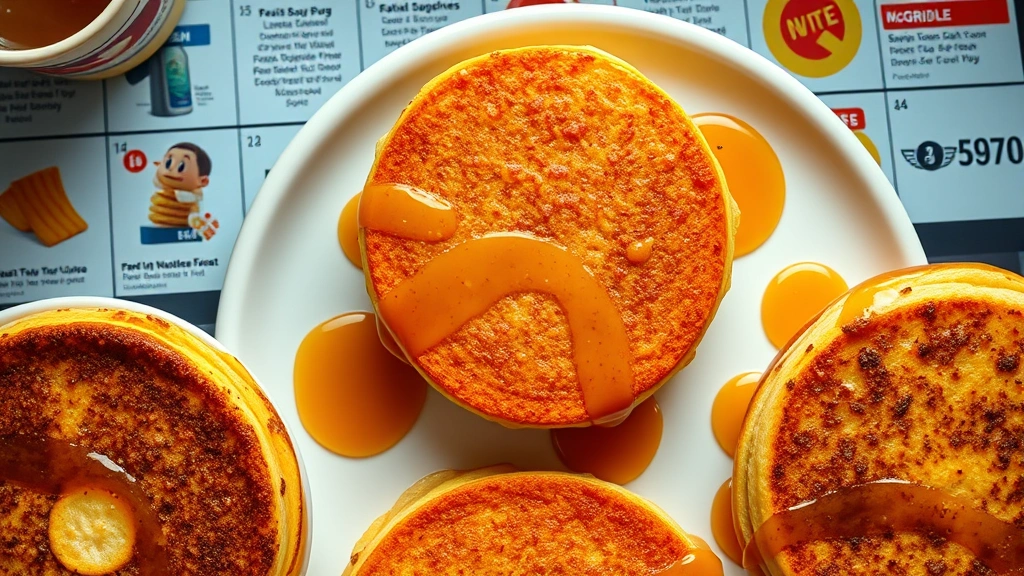
The McGriddle represents a unique fast-food breakfast concept: griddle cakes infused with sweet maple flavoring, paired with meat, eggs, and cheese. Understanding the baseline nutrition facts helps establish context for more detailed analysis. A standard Sausage McGriddle contains approximately 450 calories, while bacon and egg varieties range from 400-500 calories depending on preparation and ingredients.
The composition reflects both the sweet griddle cake component and the savory fillings. This combination creates a breakfast item that’s higher in both sugar and sodium than traditional egg-based breakfasts. The maple-flavored cakes themselves contribute significant carbohydrates and added sugars, distinguishing McGriddles from standard breakfast sandwiches. For those following a healthy nutrition plan, understanding these baseline facts is crucial for strategic menu navigation.
McDonald’s provides detailed nutrition information through their official channels and third-party databases, making it possible to make informed decisions. However, many consumers don’t realize how the sweet griddle cakes significantly impact the overall nutritional profile compared to regular breakfast sandwiches. The maple syrup infusion, while contributing to the McGriddle’s distinctive appeal, adds approximately 4-6 grams of added sugar beyond the meat and cheese components.

Calorie Breakdown by Variety
McDonald’s offers multiple McGriddle variations, each with distinct caloric values. The Sausage McGriddle contains 450 calories, making it the baseline option. The Bacon McGriddle provides 420 calories, slightly lower due to bacon’s leaner profile compared to sausage patties. The Sausage, Egg & Cheese McGriddle increases to 550 calories with the addition of a whole egg, while the Bacon, Egg & Cheese variant reaches 520 calories.
For those seeking lighter options, the Egg McGriddle (without meat) contains approximately 290 calories, representing the lowest-calorie griddle cake option. Understanding these variations allows consumers to select based on their daily caloric targets. Someone following a 2,000-calorie diet consuming a 550-calorie breakfast dedicates approximately 27% of their daily allocation to this single meal, leaving limited flexibility for subsequent meals.
The caloric density becomes particularly relevant when considering portion sizes. A McGriddle represents a complete breakfast but provides limited volume compared to alternatives like oatmeal or whole grain toast with toppings. This high caloric concentration in a small package makes it easy to exceed intended intake, particularly when combined with beverages or additional items. For individuals managing weight, this concentration warrants careful consideration within overall daily patterns.
Macronutrient Analysis
Breaking down macronutrients reveals the nutritional architecture of McGriddles. The Sausage McGriddle contains approximately 17 grams of protein, 23 grams of fat, and 41 grams of carbohydrates. The protein contribution comes primarily from the meat patty and cheese, while fat derives from both the meat and the griddle cake preparation (typically cooked in butter or oil).
Carbohydrate composition deserves particular attention. Of the 41 grams total carbohydrates, approximately 15-17 grams come from added sugars in the maple-infused griddle cakes. This represents a significant sugar load for a breakfast item, exceeding many desserts in added sugar content. The remaining carbohydrates come from the refined flour base of the griddle cakes, providing minimal fiber (typically less than 2 grams per sandwich).
The fat profile includes both saturated and unsaturated fats. A typical McGriddle contains approximately 8-9 grams of saturated fat, representing roughly 40-45% of the recommended daily saturated fat intake (based on a 2,000-calorie diet). This concentration in a single meal limits flexibility for other foods throughout the day. Saturated fat consumption from fast-food breakfast items has been linked to increased cardiovascular risk when consumed regularly, according to American Heart Association research.
Protein-to-calorie ratio presents another analytical dimension. The 17 grams of protein in a 450-calorie Sausage McGriddle represents approximately 15% protein calories. This ratio is moderate but not optimal for satiety. Higher protein options (25-30% of calories) tend to promote greater fullness and reduce subsequent hunger, making them preferable for weight management. The carbohydrate-heavy composition may leave some consumers hungry within 2-3 hours despite the caloric intake.
Sodium and Sodium Concerns
Perhaps the most concerning nutritional aspect of McGriddles involves sodium content. A standard Sausage McGriddle contains approximately 1,040 milligrams of sodium, representing 45% of the recommended daily limit (2,300 mg according to FDA guidelines). This single breakfast item nearly consumes half the daily sodium budget for a single meal.
The American Heart Association recommends limiting sodium intake to support cardiovascular health, particularly for individuals with hypertension or family histories of heart disease. Consuming a McGriddle at breakfast, followed by typical lunch and dinner options at restaurants or processed foods, easily exceeds recommended daily limits. Regular consumption patterns significantly increase cardiovascular risk over time.
Sodium serves multiple functions in processed foods: preservation, flavor enhancement, and texture modification. The griddle cakes, sausage patty, cheese, and sauce all contribute sodium. Reducing sodium at breakfast allows flexibility for other meals, particularly dinner when social dining often involves higher-sodium foods. For individuals with sodium-sensitive conditions, McGriddles represent a significant dietary challenge.
The sodium-to-potassium ratio also matters nutritionally. McGriddles are relatively low in potassium (typically 200-300 mg), creating an unfavorable electrolyte balance. Higher potassium foods help counteract sodium’s blood pressure effects. A balanced approach to digestion and nutrient absorption includes attention to mineral balance, which McGriddles disrupt through their sodium concentration.
Sugar Content Examination
The maple-flavored griddle cakes distinguish McGriddles from standard breakfast sandwiches, but this distinction comes with significant sugar consequences. The 15-17 grams of added sugar in griddle cakes represents approximately 3-4 teaspoons of added sugar. Combined with any beverage (orange juice adds 26 grams, soft drinks add 39+ grams), breakfast sugar intake escalates rapidly.
Added sugar consumption, particularly from refined sources, correlates with numerous health concerns including obesity, type 2 diabetes, and dental health issues. The American Heart Association recommends limiting added sugars to 25 grams daily for women and 36 grams for men. A single McGriddle breakfast with a typical beverage often exceeds these limits before noon.
The glycemic impact matters significantly for blood sugar management. The refined carbohydrates and added sugars in McGriddles cause rapid blood glucose spikes, followed by crashes that trigger renewed hunger and cravings. This blood sugar rollercoaster, particularly on an empty stomach at breakfast, sets a challenging metabolic tone for the entire day. Individuals with prediabetes or diabetes should avoid McGriddles or consume them with protein and fiber additions to moderate glycemic response.
Sugar’s impact extends beyond immediate blood glucose effects. Research on nutrition and mental health demonstrates connections between added sugar consumption and mood regulation, energy stability, and cognitive function. Breakfast choices significantly influence afternoon mental clarity and emotional resilience.
Vitamins and Minerals
While McGriddles contain some micronutrients, the profile remains limited compared to whole food breakfast alternatives. The eggs and meat contribute B vitamins (particularly B12 and niacin), supporting energy metabolism. Cheese provides calcium, though the amount varies by preparation. A typical McGriddle delivers approximately 15-20% of daily calcium requirements.
Iron content derives primarily from the meat component, with sausage providing approximately 2-3 mg of iron (roughly 15-17% of daily requirements for adult men, 11-17% for adult women depending on age). This iron contribution is valuable, though the high sodium content may offset health benefits for some individuals.
The micronutrient profile reveals significant gaps. McGriddles provide minimal fiber, vitamin C, vitamin D, magnesium, or potassium. These nutrients support immune function, bone health, and cardiovascular protection. Someone relying on McGriddles for regular breakfast would develop micronutrient deficiencies without supplementation or strategic lunch and dinner choices. The refined carbohydrate base lacks the phytonutrients and antioxidants found in whole grains.
Fortification occasionally enhances the micronutrient profile, but McDonald’s griddle cakes typically lack enrichment comparable to commercial breakfast cereals. The overall micronutrient density (nutrients per calorie) falls below optimal levels for supporting comprehensive health.
Comparison with Alternatives
Contextualizing McGriddle nutrition requires comparison with alternative breakfast options. A traditional breakfast of two scrambled eggs, whole wheat toast with butter, and fresh fruit (approximately 400 calories) provides superior micronutrient density, lower sodium (under 600 mg), minimal added sugar (from fruit only), and higher satiety due to increased fiber and protein concentration.
A Greek yogurt parfait with granola and berries (approximately 350 calories) delivers 15-20 grams of protein, probiotics supporting digestive health, antioxidants from berries, and lower sodium. The higher satiety-to-calorie ratio makes it particularly effective for weight management. Oatmeal with nuts, seeds, and fruit (approximately 400 calories) provides exceptional fiber, sustained energy, and micronutrient density far exceeding McGriddles.
The convenience factor, however, favors McGriddles for time-constrained consumers. A homemade egg sandwich on whole grain bread with cheese requires 5-10 minutes preparation but delivers superior nutrition. Meal-prepping breakfast burritos with eggs, vegetables, and whole grain tortillas provides comparable convenience to McGriddles with dramatically improved nutritional profiles.
When comparing fast-food breakfast options specifically, FDA nutrition databases reveal that many alternatives offer better nutritional value. Breakfast bowls with eggs, vegetables, and whole grains typically contain fewer added sugars and lower sodium-to-nutrient ratios than McGriddles.
Dietitian Recommendations
From a professional dietitian perspective, McGriddles represent an occasional indulgence rather than a regular breakfast choice. For individuals without specific health constraints, consuming a McGriddle once monthly poses minimal health risk. However, weekly consumption or more frequent patterns warrant nutritional adjustment strategies.
If choosing McGriddles, several modifications improve the nutritional profile. Ordering without the griddle cakes and requesting a traditional English muffin or bagel reduces added sugar by 80% while maintaining convenience. Pairing the sandwich with water or unsweetened beverage rather than juice or soda prevents additional sugar loading. Adding a fruit side (apple slices or berries, if available) introduces fiber and micronutrients lacking in the sandwich alone.
Individuals following athlete nutrition protocols should consider McGriddles primarily post-workout when rapid carbohydrate and protein delivery supports recovery. The high carbohydrate-to-protein ratio suits this timing better than breakfast consumption for sedentary individuals.
For weight management goals, McGriddles present challenges due to high caloric density, minimal fiber, and limited satiety-promoting nutrients. Individuals managing weight more successfully with alternatives delivering equivalent calories but superior satiety markers. The 450-calorie breakfast from a McGriddle leaves someone hungry by mid-morning, while a 400-calorie Greek yogurt parfait maintains satiety through lunch.
Blood pressure management requires particular attention to sodium content. Individuals with hypertension should avoid McGriddles entirely or consume them extremely rarely (quarterly or less) given the sodium concentration. The 1,040 mg sodium content represents a significant challenge to blood pressure control.
For diabetes management, McGriddles require careful consideration or avoidance. The 15+ grams of added sugar combined with refined carbohydrates creates significant blood glucose challenges. If consumed, pairing with additional protein (extra meat) or consuming with a low-glycemic beverage may moderate glycemic response, though alternatives remain preferable.
Long-term health optimization involves establishing breakfast patterns that support energy, satiety, and micronutrient needs. While occasional McGriddle consumption fits within flexible eating approaches, regularly consuming them undermines nutritional goals for most individuals. Strategic breakfast selection represents one of the most impactful daily nutritional decisions.
FAQ
How many calories are in a McGriddle?
Calorie content varies by variety: Sausage McGriddle (450 calories), Bacon McGriddle (420 calories), Sausage Egg & Cheese McGriddle (550 calories), and Bacon Egg & Cheese McGriddle (520 calories). The Egg McGriddle without meat contains approximately 290 calories.
Is the McGriddle high in sodium?
Yes, significantly. A standard McGriddle contains approximately 1,040 milligrams of sodium, representing 45% of the recommended daily limit. This makes it unsuitable for regular consumption by individuals managing blood pressure or sodium-restricted diets.
How much sugar is in a McGriddle?
McGriddles contain 15-17 grams of added sugar primarily from the maple-infused griddle cakes. This represents approximately 3-4 teaspoons of added sugar in a single sandwich, approaching or exceeding recommended daily limits for added sugar when combined with beverages.
Can I eat a McGriddle on a diet?
Occasional McGriddle consumption fits within flexible weight management approaches, but regular consumption presents challenges due to high caloric density, minimal fiber, and limited satiety-promoting nutrients. Alternatives delivering equivalent calories with superior satiety and nutrient profiles support weight management more effectively.
Are McGriddles suitable for athletes?
McGriddles can support athlete nutrition primarily in post-workout contexts when rapid carbohydrate and protein delivery aids recovery. The high carbohydrate-to-protein ratio and added sugar content make them less suitable for pre-workout or general training day breakfasts compared to alternatives with higher protein percentages.
What’s a healthier fast-food breakfast alternative?
Egg-based sandwiches on whole grain bread, breakfast bowls with eggs and vegetables, Greek yogurt parfaits, or oatmeal options typically provide superior micronutrient density, lower sodium, reduced added sugar, and better satiety-to-calorie ratios compared to McGriddles.
How often can I safely eat McGriddles?
For individuals without specific health constraints, consuming McGriddles monthly poses minimal health risk. Weekly consumption warrants nutritional adjustment strategies or selection of alternatives. Those managing blood pressure, diabetes, or pursuing weight loss should consume McGriddles quarterly or less frequently.