McGriddle Nutrition Facts: Dietitian Analysis
The McDonald’s McGriddle has been a breakfast staple since its 2003 launch, combining sweet griddle cakes with savory meat and cheese. But what does this popular sandwich actually contain nutritionally? As registered dietitians increasingly scrutinize fast-food offerings, understanding the McGriddle nutrition info becomes essential for health-conscious consumers making breakfast decisions. This comprehensive analysis breaks down calories, macronutrients, sodium content, and dietary implications of one of America’s most iconic breakfast items.
Whether you’re a regular McGriddle consumer or considering it as an occasional treat, knowing its nutritional profile helps you make informed choices aligned with your dietary goals. This guide examines the complete nutritional breakdown, compares variations, and provides practical strategies for incorporating this breakfast item into a balanced diet.

Complete Nutritional Breakdown
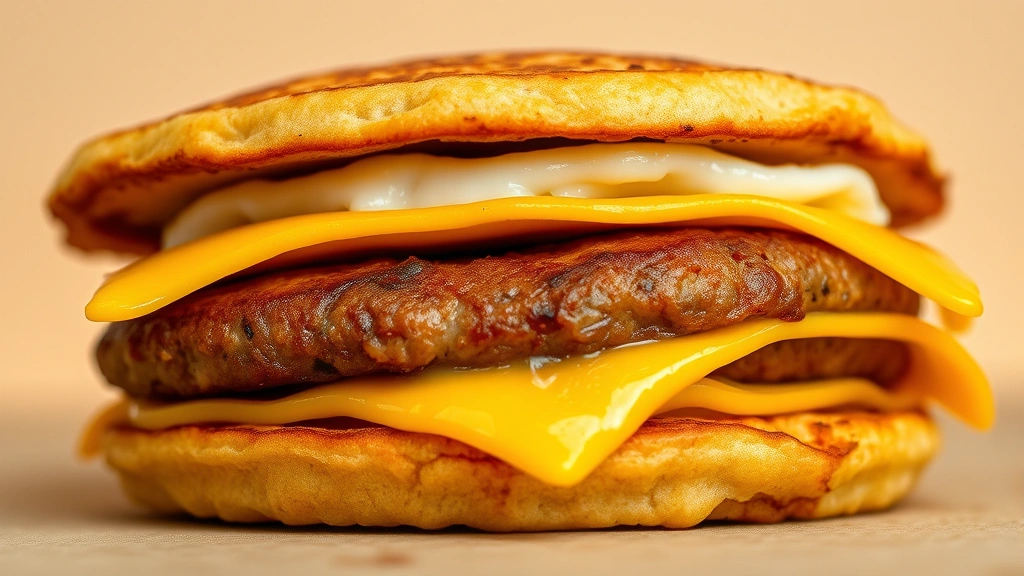
The standard McGriddle with sausage, egg, and cheese contains approximately 450 calories, making it a moderate-to-high calorie breakfast option. According to McDonald’s official nutrition database, a single sandwich provides substantial macronutrient content that warrants careful examination.
Breaking down the complete nutritional profile: The McGriddle delivers 17 grams of total fat, including 7 grams of saturated fat. Carbohydrates total approximately 43 grams, with roughly 4 grams of dietary fiber. Protein content reaches 17 grams, primarily from the sausage patty and egg. Sodium levels are particularly noteworthy at 1,050 milligrams per sandwich, representing nearly half the recommended daily intake for most adults.
Micronutrients include calcium (200mg), iron (2.7mg), and potassium (370mg). The sandwich also contains trans fats in minimal amounts, though this continues to decrease as McDonald’s reformulates products. Understanding this comprehensive nutritional data helps consumers contextualize where this breakfast fits within daily dietary targets.
Caloric Content and Energy Balance
At 450 calories, the McGriddle represents approximately 20-25% of a typical 2,000-calorie daily intake. For breakfast specifically, this aligns with nutritional guidelines recommending 350-500 calories for morning meals. However, context matters significantly—portion size, individual activity levels, and overall daily consumption patterns determine whether this caloric load supports or undermines health goals.
The caloric density of the McGriddle stems primarily from its fat content, with fat providing 9 calories per gram. The sweet griddle cakes contribute additional calories through refined carbohydrates and added sugars. When consumed alongside a typical McDonald’s beverage (150-300 calories for sweetened options), the breakfast combination rapidly approaches 600-750 calories, representing one-third to one-half of daily caloric needs.
For individuals following healthy nutrition plans, this single item may dominate breakfast macronutrient allocation, leaving limited flexibility for balanced nutrient distribution throughout remaining meals. Energy expenditure patterns should inform consumption frequency—sedentary individuals may find this caloric load excessive for regular breakfast consumption.
Macronutrient Analysis
The McGriddle’s macronutrient composition reveals a carbohydrate-heavy profile with moderate protein and elevated fat content. At 43 grams of carbohydrates, the sandwich provides substantial glucose for energy, yet the majority derives from refined sources rather than complex carbohydrates with sustained satiety benefits.
Protein at 17 grams offers reasonable satiety support, though this represents less than optimal breakfast protein recommendations of 20-30 grams for sustained fullness. The 7 grams of saturated fat warrants attention—this represents approximately 35% of the recommended daily saturated fat limit for a 2,000-calorie diet, concentrated in a single meal.
The carbohydrate-to-protein ratio of approximately 2.5:1 suggests moderate blood sugar impact, though individual glycemic responses vary. Individuals with insulin sensitivity concerns or diabetes should monitor consumption carefully. The dietary fiber content of 4 grams provides modest digestive benefits, though whole-grain alternatives offer substantially higher fiber for improved metabolic health.
Research from the National Institutes of Health indicates that breakfast macronutrient balance significantly influences satiety and subsequent eating patterns. McGriddles’ relatively low fiber-to-carbohydrate ratio may contribute to earlier hunger return compared to fiber-rich alternatives.
Sodium and Heart Health Concerns
The most concerning nutritional aspect of the McGriddle is its sodium content at 1,050 milligrams per sandwich. This represents 46% of the American Heart Association’s recommended daily sodium limit of 2,300 milligrams. For individuals with hypertension or sodium-sensitive conditions, a single McGriddle substantially impacts daily sodium allocation.
Excessive sodium consumption correlates with elevated blood pressure, increased cardiovascular disease risk, and fluid retention. Regular McGriddle consumption—particularly when combined with other processed foods throughout the day—can contribute to chronic health complications. The sodium concentration reflects the cured meat processing (sausage), cheese preservation, and griddle cake formulation, making significant reduction challenging without product reformulation.
Individuals managing heart health or following nutrition protocols that impact overall wellness should recognize that a single McGriddle nearly exhausts daily sodium recommendations. This reality necessitates careful beverage selection (avoiding salty sides) and subsequent meal sodium minimization.
According to CDC nutrition surveillance data, processed breakfast items represent a primary sodium source for American adults, contributing substantially to population-level hypertension prevalence.
Sugar Content Assessment
The McGriddle’s sweet griddle cakes contribute significant added sugars—approximately 9 grams per sandwich. While this doesn’t exceed single-food limits, it represents roughly 18% of the recommended daily added sugar allowance (50 grams for 2,000-calorie diets). The sugar concentration in griddle cakes provides rapid glucose elevation, potentially triggering energy crashes within 1-2 hours.
The combination of refined carbohydrates and added sugars creates a glycemic profile unfavorable for sustained energy and appetite regulation. Individuals with prediabetes or diabetes should consider this sugar load carefully, particularly when combined with sweetened beverages commonly ordered alongside breakfast sandwiches.
The psychological impact of sweet breakfast items deserves consideration—sugar consumption early in the day may increase subsequent sweet cravings and reduce overall dietary quality. Nutritional research suggests that protein-forward, lower-sugar breakfasts promote better appetite regulation and reduced mid-morning snacking.
Comparative Analysis with Alternatives
Comparing the McGriddle to alternative breakfast options provides valuable perspective. A typical deli egg sandwich on whole wheat contains 300-350 calories with 20+ grams protein and 150-200mg sodium. Oatmeal with fruit and nuts delivers 350-400 calories with 10-12 grams protein, 8+ grams fiber, and minimal sodium.
The McGriddle’s caloric density exceeds most whole-food breakfast options while offering less nutritional density. A Greek yogurt parfait with granola and berries provides superior protein (20+ grams), better micronutrient profile, and lower sodium (200mg) at comparable calories. For individuals seeking convenience, even McDonald’s Egg McMuffin (300 calories, 17g protein, 820mg sodium) offers nutritional advantages through lower caloric and sodium load.
When implementing meal planning strategies, comparing fast-food options against home-prepared alternatives reveals significant nutritional gaps. A homemade griddle cake sandwich with whole grain cakes, egg, and lean turkey sausage reduces sodium by 40%, increases fiber by 300%, and maintains comparable satisfaction.
Dietary Considerations and Restrictions
The McGriddle presents challenges for various dietary approaches and restrictions. Vegetarians cannot consume the standard version due to sausage content, though McDonald’s offers egg-and-cheese variations. Vegan consumers find no suitable options within current McDonald’s breakfast menu architecture.
Individuals following gluten-free protocols should note that griddle cakes contain wheat—cross-contamination risks exist in shared preparation environments. Those with dairy sensitivity or lactose intolerance cannot consume the cheese component without digestive consequences. Allergen protocols require careful attention, as the sandwich may contact tree nuts and other allergens depending on preparation facility protocols.
Religious dietary restrictions (halal, kosher) eliminate this option due to processed meat sourcing and preparation methods. Low-carbohydrate or ketogenic dieters face challenges with 43-gram carbohydrate content, which substantially exceeds typical daily allowances (20-50g depending on approach).
For individuals with nutrient absorption concerns, the high fat content may interfere with certain micronutrient assimilation, particularly fat-soluble vitamins when consumed in isolation without complementary foods.
Strategies for Healthier Consumption
If consuming McGriddles within a health-conscious framework, strategic approaches minimize nutritional compromise. First, limit frequency to occasional consumption (once monthly or less) rather than regular breakfast staples. This reduces cumulative sodium and saturated fat intake while preserving occasional indulgence.
Second, modify accompanying choices—select water or unsweetened beverages instead of sweetened drinks, and eliminate additional salty sides (hash browns, bacon). This prevents sodium and calorie accumulation beyond the sandwich itself. Third, balance the meal with subsequent nutrition—follow the McGriddle with fiber-rich lunch and dinner options, and increase physical activity on consumption days.
Fourth, consider portion modification when possible. Sharing a McGriddle or consuming half-portions reduces caloric and sodium intake by 50%, though McDonald’s typically doesn’t accommodate partial sales. Fifth, time consumption strategically—consuming the McGriddle post-workout when caloric needs are elevated provides better metabolic context than sedentary morning consumption.
Sixth, implement knowledge about nutrient-dense alternatives for regular breakfast decisions, reserving McGriddles for travel situations or exceptional circumstances rather than habitual consumption. Seventh, increase water intake throughout the day to manage sodium-induced fluid retention and support kidney function.
Research from Pew Research Center’s food consumption studies demonstrates that intentional, infrequent consumption of indulgent foods produces better long-term health outcomes than restrictive approaches that encourage binge consumption.
FAQ
How many calories are in a McGriddle?
A standard McGriddle with sausage, egg, and cheese contains approximately 450 calories. Variations exist—the bacon version contains similar calories, while the all-day breakfast versions may differ slightly. Always verify current McDonald’s nutrition information, as formulations occasionally change.
Is a McGriddle high in sodium?
Yes. At 1,050 milligrams of sodium, a McGriddle provides 46% of the daily recommended limit in a single item. This sodium concentration makes it unsuitable for regular consumption by individuals managing hypertension or following sodium-restricted diets.
Does a McGriddle have trans fat?
Modern McGriddles contain minimal or zero trans fats, as McDonald’s reformulated products following regulatory changes. However, trace amounts may exist depending on specific ingredient sourcing and preparation protocols. Check current nutrition labels for precise information.
Can I eat a McGriddle on a diet?
Occasional McGriddle consumption can fit within calorie-controlled diets if planned appropriately. At 450 calories, it represents approximately 20-25% of typical daily intake. Success requires balancing this indulgence with lower-calorie meals and accounting for its macronutrient allocation.
What’s healthier: McGriddle or Egg McMuffin?
The Egg McMuffin (300 calories, 17g protein, 820mg sodium) offers nutritional advantages—lower calories, slightly less sodium, and comparable protein. For health-conscious consumers, the Egg McMuffin represents a better fast-food breakfast choice, though homemade alternatives remain superior.
How does McGriddle nutrition compare to other fast-food breakfasts?
McGriddles rank in the moderate-to-high range for fast-food breakfast items. They exceed many alternatives in calories and sodium while offering reasonable protein content. Comparable items include Burger King’s Sausage Biscuit (510 calories) and Wendy’s Breakfast Sandwich (360 calories), indicating McDonald’s positioning within competitive market offerings.
Should I avoid McGriddles completely?
Complete avoidance isn’t necessary for most individuals, though limiting frequency to occasional consumption (monthly or less) supports optimal health outcomes. The key distinction: occasional indulgence differs fundamentally from regular consumption patterns that accumulate excessive sodium, saturated fat, and refined carbohydrates.