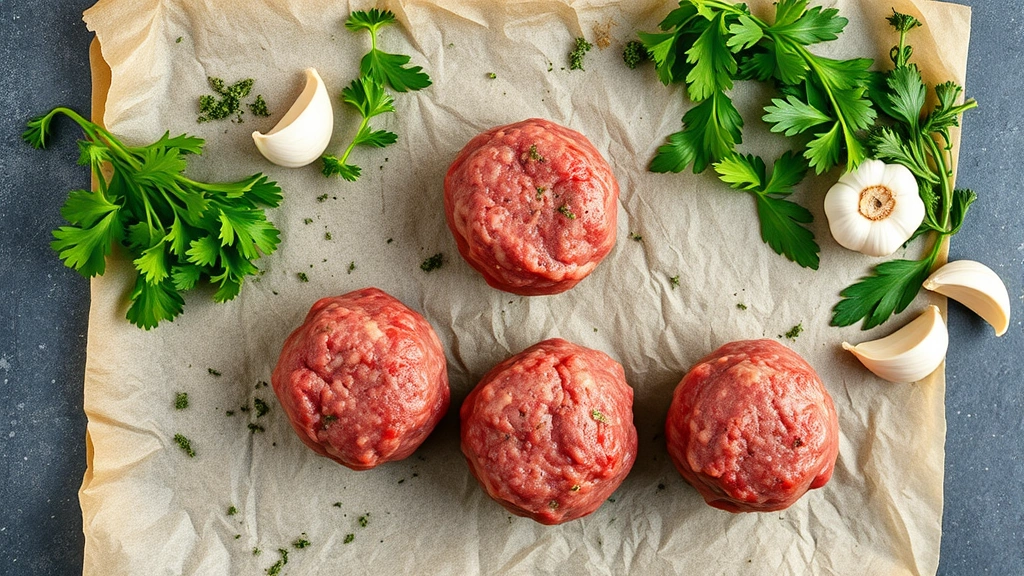
Meatballs Nutritional Facts: Dietitian’s Breakdown
Meatballs are a beloved comfort food across countless cuisines, from Italian pasta dishes to Swedish smorgasbords and Asian appetizers. Yet despite their popularity, many people remain uncertain about their nutritional profile. Whether you’re tracking macronutrients for fitness goals, managing dietary restrictions, or simply making informed food choices, understanding meatball nutrition is essential. This comprehensive guide breaks down the nutritional facts of meatballs, explores how different preparation methods affect their health value, and provides evidence-based insights to help you incorporate them into a balanced diet.
The nutritional composition of meatballs varies significantly based on meat type, binding ingredients, cooking method, and portion size. A typical beef meatball contains roughly 150-200 calories, while those made with leaner proteins or plant-based alternatives offer different profiles. Whether you’re enjoying homemade versions or restaurant preparations, knowing what’s in your meatballs empowers you to make choices aligned with your health objectives and dietary preferences.

Understanding Meatball Composition
Meatballs are fundamentally a combination of ground meat, binding agents, seasonings, and sometimes additional fillings. The primary ingredient—whether beef, pork, chicken, turkey, or a blend—determines the foundational nutritional profile. Ground beef, the most common choice, typically contains 20% fat by standard grocery store standards, though this varies based on the cut and grinding process.
Beyond meat, traditional meatball recipes include breadcrumbs or panko as binders, which add carbohydrates and texture. Eggs serve as additional binders while contributing protein and fat. Onions, garlic, and herbs provide minimal calories but significant flavor and bioactive compounds. Some recipes incorporate grated cheese, particularly Parmesan, which increases both fat and sodium content while boosting calcium and flavor intensity.
Understanding these components helps explain why meatballs’ nutritional value isn’t simply about the meat itself. A meatball is a composite food where each ingredient contributes to the overall macronutrient and micronutrient profile. This complexity means that two meatballs of similar size can have vastly different nutritional compositions depending on their specific recipe.

Caloric Content and Macronutrient Breakdown
A single beef meatball (approximately 1.5 ounces or 42 grams) contains roughly 150-180 calories. However, this figure fluctuates based on several variables. Meatballs made with 80/20 ground beef contain more calories than those from 90/10 or 93/7 lean blends. A serving of three meatballs—a typical restaurant portion—ranges from 450-540 calories depending on preparation methods and meat selection.
The macronutrient distribution in standard beef meatballs typically follows this pattern: approximately 55-65% of calories come from fat, 30-40% from protein, and 5-15% from carbohydrates. This protein-to-calorie ratio makes meatballs a reasonable protein source, particularly valuable for those following nutrition for athletes and performance optimization strategies.
When examining macronutrient breakdowns, a three-meatball serving typically provides:
- Protein: 18-22 grams, supporting muscle maintenance and recovery
- Total Fat: 12-16 grams, with saturated fat comprising 5-8 grams
- Carbohydrates: 8-12 grams, primarily from breadcrumb binders
- Fiber: 0.5-1.5 grams, depending on breadcrumb type and recipe
These macronutrients work together to create a relatively satiating food that provides sustained energy. The protein content helps maintain stable blood sugar when paired with appropriate sides, while the fat contributes to satiety and nutrient absorption. The carbohydrate component, though moderate, adds palatability and texture while providing quick energy.
Protein Quality and Amino Acid Profile
Meatballs deliver complete protein, containing all nine essential amino acids necessary for human health. This completeness stems from the animal-based proteins in meat and eggs, making meatballs an excellent choice for muscle building, tissue repair, and overall physiological function. The protein quality, measured by biological value and PDCAAS (Protein Digestibility Corrected Amino Acid Score), is exceptionally high—typically 0.90 or above.
The protein in meatballs is particularly rich in essential amino acids like leucine, which plays a crucial role in muscle protein synthesis. Studies show that leucine-rich proteins like those found in beef are especially effective for stimulating muscle building, particularly important for aging populations and athletes. The presence of creatine, naturally occurring in beef, provides additional benefits for muscle function and energy production.
For individuals focused on developing a healthy nutrition plan, meatballs offer a convenient protein delivery mechanism. However, the protein quality can be slightly diminished by the breadcrumb filler, which contains incomplete protein. Despite this, the overall amino acid profile remains superior to plant-based proteins alone, though combining meatballs with legumes creates a complementary amino acid profile.
Fat Content: Saturated vs. Unsaturated
The fat composition in meatballs requires careful consideration, particularly regarding saturated versus unsaturated fatty acids. Standard beef meatballs contain approximately 12-16 grams of total fat per three-meatball serving, with saturated fat comprising roughly 5-8 grams. This saturated fat content represents approximately 25-40% of the recommended daily value, depending on individual caloric needs.
The saturated fat in beef comes primarily from the meat itself, though egg yolks and cheese additions increase this proportion further. While dietary guidelines recommend limiting saturated fat to 5-6% of total calories, moderate consumption of saturated fat from whole foods like beef remains controversial among nutrition scientists. Recent research suggests that the relationship between saturated fat and cardiovascular disease is more nuanced than previously believed, particularly when saturated fat comes from nutrient-dense whole foods rather than processed sources.
Unsaturated fats in meatballs come primarily from the meat, with small amounts from oil used in cooking. These beneficial fats support hormone production, nutrient absorption, and inflammation management. Choosing meatballs made from fattier cuts (like ground chuck) provides more flavor and satiety compared to ultra-lean versions, though this increases overall caloric density.
To optimize fat composition, consider meatballs made from leaner meat sources or blends incorporating ground turkey or chicken, which contain less total and saturated fat while maintaining excellent protein content. Alternatively, using cooking methods that minimize added oil reduces overall fat intake without sacrificing nutritional value.
Sodium and Seasoning Considerations
Sodium content represents one of the most significant nutritional considerations for meatballs. A typical three-meatball serving contains 450-650 milligrams of sodium, representing 19-28% of the recommended daily limit of 2,300 milligrams. Restaurant and commercial versions frequently exceed these figures, sometimes reaching 800-1,000 milligrams per serving due to salt in the meat blend, breadcrumb binders, cheese additions, and sauce accompaniments.
The sodium in meatballs serves multiple culinary functions: enhancing flavor, improving moisture retention in the cooked product, and acting as a preservative in commercial versions. While sodium is essential for nerve function, muscle contraction, and fluid balance, excessive intake correlates with elevated blood pressure and increased cardiovascular risk in susceptible populations.
For individuals monitoring sodium intake due to hypertension or other health conditions, homemade meatballs offer superior control. Using unsalted breadcrumbs, reducing added salt, and relying on herbs and spices for flavor can reduce sodium content by 30-50% compared to traditional recipes. Fresh herbs like parsley, basil, oregano, and garlic provide intense flavor without sodium contribution, making them valuable seasonings for health-conscious preparations.
Micronutrients Found in Meatballs
Beyond macronutrients, meatballs provide significant micronutrient contributions. Beef meatballs are particularly rich in iron, with three meatballs providing approximately 2-3 milligrams of iron, representing roughly 11-17% of daily requirements for adult males and 7-11% for adult females. This iron exists primarily in the heme form, which boasts superior bioavailability compared to non-heme iron from plant sources.
Zinc content in beef meatballs is substantial, with a three-meatball serving providing 4-6 milligrams, representing 36-55% of daily requirements. Zinc supports immune function, wound healing, protein synthesis, and DNA synthesis, making meatballs a valuable contributor to overall micronutrient status. The bioavailability of beef zinc is excellent, particularly compared to plant-based sources.
Selenium, an essential mineral with antioxidant properties, appears in meaningful quantities in beef meatballs, with three meatballs providing approximately 20-25 micrograms, representing 36-45% of daily requirements. This mineral protects against oxidative stress and supports thyroid hormone metabolism. B vitamins, particularly B12, niacin, and B6, appear abundantly in beef meatballs, supporting energy metabolism and neurological function.
Phosphorus, calcium (especially in cheese-containing versions), and magnesium contribute to bone health and metabolic function. The micronutrient density of meatballs, particularly beef versions, makes them a nutrient-dense food when evaluated on a per-calorie basis, supporting their inclusion in nutrition strategies addressing mental health and cognitive function through comprehensive nutrient provision.
Cooking Methods and Nutritional Impact
How meatballs are prepared significantly influences their final nutritional composition. Baking meatballs in the oven at 400°F for 15-20 minutes represents the healthiest standard method, allowing fat to drain away while preserving nutrients and protein structure. This method requires minimal added oil and produces meatballs with reduced fat content compared to pan-frying or deep-frying approaches.
Pan-frying meatballs in oil or butter adds 20-40 calories and 2-5 grams of fat per meatball, depending on oil quantity. While this method develops superior browning and flavor through the Maillard reaction, it increases overall caloric and fat content. Using minimal oil (1-2 teaspoons for a batch of 12-16 meatballs) and allowing fat to drain on paper towels mitigates this increase substantially.
Deep-frying meatballs, common in some cuisines, dramatically increases fat absorption, adding 50-80 calories and 6-10 grams of fat per meatball. While this method creates exceptional texture and flavor, it’s incompatible with health-conscious nutrition goals. Conversely, slow-cooking meatballs in sauce allows further fat drainage while infusing flavor, making it an excellent compromise between taste and nutrition.
Cooking temperature also affects nutrient preservation. Moderate heat (350-400°F) preserves B vitamins and heat-sensitive compounds better than very high temperatures that can cause nutrient degradation. Cooking time significantly influences the degree of protein denaturation, though this process is nutritionally beneficial, enhancing digestibility and nutrient bioavailability.
Healthier Meatball Alternatives
For those seeking reduced-calorie or modified-nutrient profiles, numerous meatball alternatives exist. Ground turkey meatballs contain approximately 120-150 calories per meatball, with notably reduced fat (6-10 grams total, 2-3 grams saturated) compared to beef versions. Turkey provides excellent protein (18-20 grams per three-meatball serving) while reducing overall energy density, making turkey meatballs valuable for calorie-conscious individuals.
Chicken meatballs offer similar advantages to turkey while potentially providing superior flavor and texture. Using ground chicken breast significantly reduces fat content, though ground chicken thighs provide more moisture and flavor with moderate fat increases. A three-meatball serving of chicken meatballs typically contains 300-380 calories with 10-14 grams of fat.
Plant-based meatballs made from lentils, chickpeas, mushrooms, walnuts, and grains offer completely different nutritional profiles. These alternatives provide substantially more fiber—often 5-8 grams per three-meatball serving compared to 0.5-1.5 in traditional versions. This fiber content supports digestive health and produces superior satiety, potentially aiding weight management goals. However, plant-based meatballs typically contain less protein (10-15 grams per serving) and incomplete amino acid profiles compared to meat versions, though combining them with complementary proteins addresses this limitation.
Hybrid approaches combining lean ground meat with mushrooms, grated vegetables, or legumes reduce overall fat and calorie content while boosting fiber and micronutrient density. These combinations maintain the protein advantages of meat while capturing some fiber and phytonutrient benefits of plant-based ingredients. Exploring comprehensive nutrition information resources provides additional guidance on optimizing meatball recipes for your specific health objectives.
Serving Sizes and Portion Control
Portion control represents a critical consideration for meatball consumption, as serving sizes dramatically affect overall nutrient intake. The USDA defines a standard serving of cooked meat as 3.5 ounces (100 grams), equivalent to approximately 2-3 large meatballs depending on size. Most restaurant servings contain 4-6 meatballs, representing 1.3-2 times the standard serving, which explains why restaurant meatball dishes often exceed 800-1,200 calories before accounting for pasta, sauce, and bread.
For individuals tracking macronutrients, understanding portion sizes enables accurate nutritional accounting. A single large meatball (approximately 50-60 grams) contains roughly 150-200 calories, while smaller cocktail meatballs (approximately 15-20 grams) contain 45-65 calories. This distinction matters significantly when consuming meatballs as appetizers, where portion awareness easily lapses.
Strategic portion control approaches include: measuring portions using a food scale, pre-portioning homemade batches into individual servings and freezing, and combining meatballs with substantial vegetable sides that increase satiety without adding excessive calories. Pairing meatballs with fiber-rich vegetables supports nutrient absorption while managing overall caloric intake, aligning with dietary fiber’s importance for comprehensive health.
Frequency of consumption also matters nutritionally. Consuming meatballs 1-2 times weekly as part of a balanced diet poses no nutritional concerns for most individuals, particularly when portion-controlled and prepared with health-conscious methods. Excessive consumption, particularly of restaurant versions high in sodium and saturated fat, may contribute to elevated sodium intake and caloric surplus, potentially supporting weight gain and elevated blood pressure.
Meatballs in Context of Overall Diet
Evaluating meatballs’ nutritional impact requires considering their role within the broader dietary context. A three-meatball serving containing 450-540 calories and 25-30 grams of protein represents a reasonable portion of a 2,000-calorie diet, particularly when paired with nutrient-dense sides. Serving meatballs with whole grain pasta, brown rice, or substantial vegetable portions creates a more balanced meal than pairing them with refined carbohydrates and minimal vegetables.
The nutritional adequacy of meatballs depends on what accompanies them. Meatballs with marinara sauce provide lycopene and other tomato phytonutrients, while those with vegetable-based sauces increase overall micronutrient density. Conversely, meatballs served with cream sauces or cheese toppings substantially increase fat and caloric content.
For individuals following specific dietary patterns, meatballs offer flexibility. They fit within low-carbohydrate approaches when paired with vegetable sides, support high-protein goals for athletic performance, and provide nutrient density for whole-food-focused diets. However, their sodium content makes them less suitable for strict sodium-restricted diets without significant recipe modification.
FAQ
How many calories are in a single meatball?
A single beef meatball (approximately 1.5 ounces) contains 150-180 calories depending on meat fat content and preparation method. Leaner turkey meatballs contain 120-150 calories, while plant-based versions typically contain 80-120 calories per meatball.
Are meatballs high in protein?
Yes, meatballs are excellent protein sources. Three beef meatballs provide 18-22 grams of complete protein containing all essential amino acids. Turkey meatballs offer similar protein with reduced fat, while plant-based versions provide 10-15 grams of incomplete protein that benefits from complementary protein sources.
What’s the sodium content in meatballs?
A three-meatball serving contains 450-650 milligrams of sodium in homemade versions, representing 19-28% of daily recommendations. Restaurant versions often exceed 800-1,000 milligrams per serving due to additional salt in seasonings and sauces.
Can meatballs fit into a weight loss diet?
Meatballs can support weight loss when portion-controlled and prepared with lean meat and minimal added fat. Baked turkey or chicken meatballs (3-4 meatballs, 300-350 calories) paired with vegetable sides create satisfying, nutrient-dense meals that fit within caloric deficits.
Are homemade or store-bought meatballs healthier?
Homemade meatballs typically offer superior nutritional control, allowing reduction of sodium, saturated fat, and added ingredients. Store-bought versions often contain preservatives, excess sodium, and added fillers, though premium brands with minimal ingredients approach homemade nutritional profiles.
What’s the best cooking method for meatballs?
Baking meatballs in a 400°F oven for 15-20 minutes represents the healthiest method, allowing fat drainage while minimizing added oil. This method preserves nutrients better than pan-frying or deep-frying while reducing overall fat content.
Do meatballs provide iron and zinc?
Beef meatballs are excellent iron and zinc sources. Three meatballs provide approximately 2-3 milligrams of highly bioavailable heme iron and 4-6 milligrams of zinc, supporting immune function and oxygen transport throughout the body.