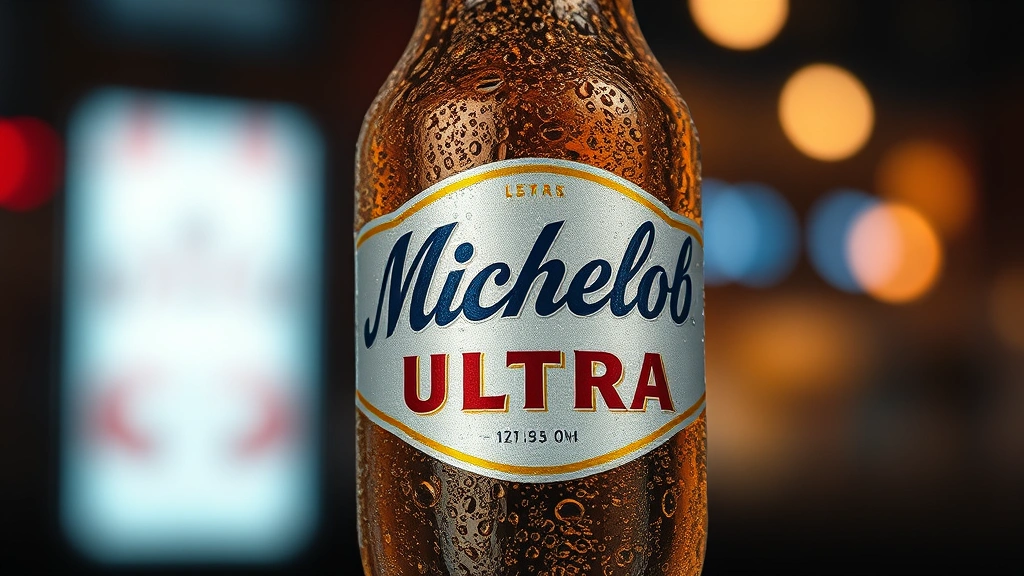
Michelob Ultra Nutrition Facts: Dietitian’s Insight
Michelob Ultra has positioned itself as the choice for health-conscious beer drinkers, but what does the nutritional profile actually reveal? As a light lager marketed toward fitness enthusiasts and those monitoring caloric intake, understanding the complete nutrition facts of Michelob Ultra requires more than surface-level examination. This guide breaks down every component—from calories and carbohydrates to sodium and alcohol content—providing evidence-based analysis that helps you make informed beverage choices aligned with your dietary goals.
Whether you’re tracking macronutrients for athletic performance, managing weight, or simply curious about what you’re consuming, the numbers tell an important story about how this popular beer compares to alternatives and fits within various nutritional frameworks.
Complete Nutritional Breakdown
Michelob Ultra delivers a streamlined nutritional profile that differs significantly from standard beer offerings. Per 12-ounce serving, this light lager contains approximately 95 calories, making it one of the lower-calorie beer options available in the mainstream market. The breakdown extends beyond simple calorie counting to include meaningful nutritional data that dietitians and health professionals evaluate when assessing dietary fit.
The complete nutritional facts per 12 fl oz serving include: 95 calories, 2.6 grams of carbohydrates, 0.7 grams of protein, 0 grams of fat, and 162 milligrams of sodium. This composition reflects the brewing process designed specifically to minimize residual carbohydrates while maintaining flavor profile and drinkability. Understanding these individual components provides context for how Michelob Ultra functions within broader dietary patterns.
The protein content, while modest, represents a slight advantage over many competitive light beers that contain negligible protein. This 0.7-gram contribution may seem minimal, but within the context of beverage-based nutrition, it reflects the beer’s position as a fermented grain product. The absence of fat aligns with expectations for beer, as the fermentation process and minimal added ingredients eliminate fat sources that might appear in other beverages.
[IMAGE_1]
Caloric Content and Weight Management
For individuals pursuing weight management goals, caloric density represents a primary consideration when evaluating beverage choices. Michelob Ultra’s 95 calories per 12-ounce serving positions it competitively within the light beer category, though context matters significantly. A single serving represents approximately 4-5% of a typical 2,000-calorie daily diet, a modest contribution that becomes more substantial when considering consumption patterns.
The caloric source in Michelob Ultra derives primarily from alcohol and residual carbohydrates, with alcohol providing 7 calories per gram and carbohydrates providing 4 calories per gram. This means approximately 70 calories derive from the 4.2% alcohol by volume content, while the remaining 25 calories come from the 2.6 grams of carbohydrates. Understanding this breakdown illuminates why the beer achieves relatively low caloric content despite containing alcohol—the fermentation process effectively converts most sugars into alcohol while minimizing carbohydrate retention.
From a weight management perspective, Michelob Ultra allows for modest alcohol consumption without substantial caloric burden. However, dietitians emphasize that calories consumed through beverages often lack satiety factors present in whole foods. Drinking a 12-ounce Michelob Ultra provides 95 calories without the protein, fiber, or micronutrient density that contributes to satiation. When consumed in social settings where multiple servings occur, these calories accumulate rapidly—four beers totaling 380 calories represent roughly 19% of a 2,000-calorie diet.
The relationship between caloric intake and weight management also depends on overall dietary patterns. Research from Pew Research Center examining beverage consumption trends shows that individuals successfully managing weight often employ strategic moderation rather than complete elimination of preferred beverages. This approach supports sustainable dietary adherence compared to restrictive practices that prove difficult to maintain long-term.
Carbohydrates and Blood Sugar Impact
The 2.6-gram carbohydrate content in Michelob Ultra represents a critical nutritional consideration for individuals managing blood glucose levels or following low-carbohydrate dietary protocols. This relatively modest carbohydrate load differs substantially from standard beers, which typically contain 10-15 grams of carbohydrates per serving due to higher residual sugar content.
The carbohydrates in beer originate from grains used in the brewing process—typically barley, rice, and corn. During fermentation, yeast consumes most sugars and converts them into alcohol and carbon dioxide. Michelob Ultra’s brewing approach emphasizes extended fermentation periods and specific yeast strains that maximize this conversion, leaving minimal residual carbohydrates. This technical distinction explains why marketing emphasizes the “superior light” positioning—the reduction in carbohydrates compared to competitors represents a genuine formulation difference.
For individuals following healthy nutrition plans with carbohydrate restrictions, Michelob Ultra’s 2.6 grams per serving fits more readily into daily macronutrient targets than standard beer options. A person following a 50-gram daily carbohydrate limit can accommodate multiple Michelob Ultra servings without exceeding targets, whereas standard beers would consume a significantly larger portion of the allowance.
The glycemic impact of beer consumption also deserves consideration. While beer itself doesn’t trigger dramatic blood glucose spikes due to its fermentation process, alcohol consumption can affect glucose metabolism through hepatic pathways. The liver, responsible for blood glucose regulation, prioritizes alcohol metabolism when both alcohol and carbohydrates are present, potentially delaying glucose clearance. This metabolic interaction matters particularly for individuals with diabetes or prediabetes, who should consult healthcare providers regarding alcohol consumption regardless of carbohydrate content.
Alcohol Content Considerations
Michelob Ultra contains 4.2% alcohol by volume, positioning it within the standard light beer range. This alcohol content reflects a deliberate formulation choice—reducing alcohol below this threshold would further diminish caloric content but would also compromise the flavor profile that appeals to the target consumer base. The 4.2% ABV represents approximately 14 grams of pure alcohol per 12-ounce serving.
Understanding alcohol content connects to broader health considerations beyond simple caloric calculation. The National Institutes of Health defines moderate drinking as up to one drink daily for women and up to two drinks daily for men, with one standard drink defined as 12 ounces of beer at 5% ABV or less. Michelob Ultra’s 4.2% ABV positions it slightly below this standard, though a 12-ounce serving still constitutes one standard drink.
Alcohol metabolism occurs primarily through hepatic pathways, with the liver processing approximately one standard drink per hour in most individuals. Consumption rates exceeding this metabolic capacity result in alcohol accumulation, affecting cognitive function, motor control, and metabolic processes. The relatively moderate alcohol content of Michelob Ultra supports adherence to moderate drinking guidelines, though individual tolerance varies based on body weight, food consumption, and metabolic factors.
Beyond immediate intoxication effects, regular alcohol consumption carries implications for long-term health. Research indicates that moderate alcohol consumption may offer certain cardiovascular benefits, particularly red wine consumption associated with resveratrol content. However, beer provides minimal polyphenolic compounds compared to wine, and the caloric contribution from regular beer consumption outweighs potential benefits for most individuals. The American Heart Association recommends focusing on overall dietary patterns rather than relying on alcohol as a health-promoting component.
Sodium and Electrolytes
The 162 milligrams of sodium per 12-ounce serving represents a moderate contribution to daily sodium intake. For individuals following a 2,300-milligram daily limit recommended by health authorities, Michelob Ultra provides approximately 7% of the daily allowance per serving. This sodium content derives from the brewing water and mineral composition, with specific source water characteristics influencing final sodium levels.
Sodium serves critical physiological functions including nerve transmission, muscle contraction, and fluid balance regulation. However, excessive sodium consumption, particularly when combined with low potassium intake, contributes to hypertension and cardiovascular disease risk. Beer generally provides minimal potassium—Michelob Ultra contains negligible potassium content—creating an unfavorable sodium-to-potassium ratio that doesn’t support electrolyte balance.
For individuals engaging in intense physical activity or endurance training, beer consumption presents complications beyond simple caloric accounting. While the modest sodium content might seem beneficial for post-exercise electrolyte replenishment, the alcohol content and carbohydrate inadequacy make beer suboptimal for recovery hydration. Research on nutrition for athletes optimizing performance through diet emphasizes that post-exercise beverages should provide carbohydrate-electrolyte combinations supporting glycogen repletion and fluid restoration—criteria that beer, including Michelob Ultra, fails to meet adequately.
Comparison with Other Beers
Situating Michelob Ultra within the competitive beer landscape reveals its positioning and relative nutritional merit. Standard domestic lagers typically contain 140-150 calories and 10-12 grams of carbohydrates per 12-ounce serving, making Michelob Ultra substantially lower in both metrics. This 35-40% caloric reduction compared to standard beers reflects the intentional formulation targeting health-conscious consumers.
When compared to other light beers, Michelob Ultra performs competitively but not uniquely. Bud Light contains 110 calories and 6.6 grams of carbohydrates, while Miller Lite provides 96 calories and 3.2 grams of carbohydrates. Michelob Ultra’s 95 calories and 2.6 grams of carbohydrates position it among the lowest-calorie and lowest-carbohydrate options, though differences between competing light beers remain relatively modest—often within 10-15 calorie and 1-2 gram carbohydrate variations.
Ultra-light beers marketed specifically toward low-carbohydrate consumers, such as Michelob Ultra Pure Gold, reduce carbohydrates further to approximately 2.4 grams while maintaining similar caloric content. These marginal differences, often less than one gram of carbohydrates, provide minimal practical advantage for most consumers while potentially affecting taste profile and consumer satisfaction.
Price-per-calorie analysis reveals that light beers generally offer better value than standard beers for calorie-conscious consumers. However, nutrition information analysis indicates that non-alcoholic alternatives, sparkling water products, and other zero-calorie beverages provide superior nutritional profiles if caloric reduction represents the primary objective. The choice to consume Michelob Ultra versus alternatives reflects preference for the specific sensory experience of beer rather than purely nutritional optimization.
Integration with Fitness Goals
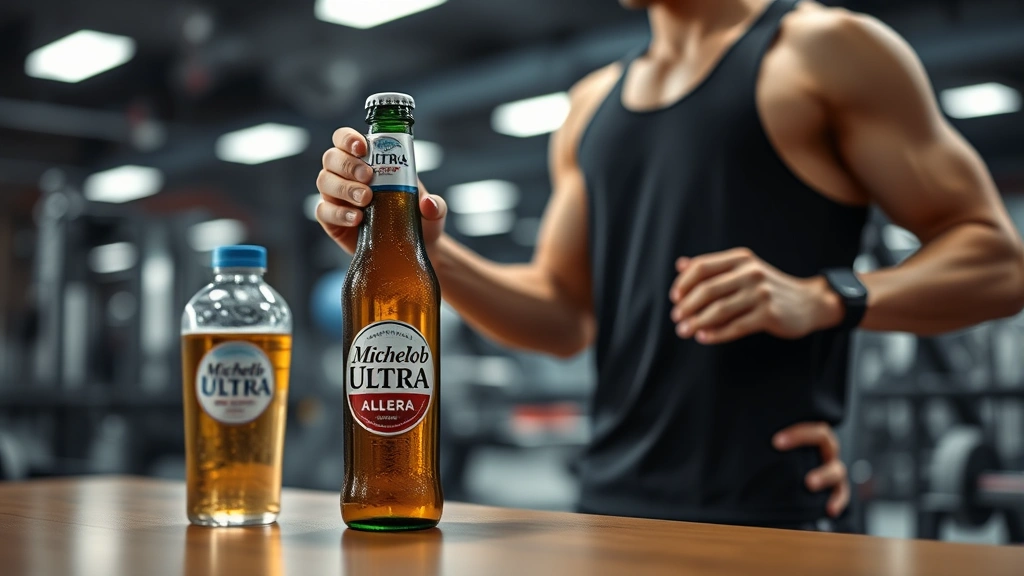
For individuals pursuing specific fitness objectives, Michelob Ultra’s nutritional profile warrants careful consideration within broader training and dietary contexts. Strength training athletes requiring high protein intake may find beer, including Michelob Ultra with its 0.7 grams of protein, an inefficient protein source. Consuming sufficient beer to achieve meaningful protein intake would introduce excessive calories and carbohydrates misaligned with macronutrient targets.
Endurance athletes face different considerations. During extended training sessions exceeding 90 minutes, carbohydrate consumption supports performance and delays fatigue. Post-exercise, carbohydrate and protein consumption facilitates glycogen repletion and muscle protein synthesis. Michelob Ultra’s 2.6 grams of carbohydrates and 0.7 grams of protein prove insufficient for either purpose, while the alcohol content may impair recovery processes by affecting growth hormone secretion and increasing inflammation markers.
Body composition management represents a more relevant application for Michelob Ultra within fitness contexts. Individuals pursuing fat loss while maintaining muscle mass often employ caloric deficits while preserving protein intake. Within this framework, Michelob Ultra’s minimal caloric contribution allows occasional consumption without substantially disrupting daily energy balance. However, dietitians emphasize that strategic consumption of whole foods providing micronutrients, satiety, and essential nutrients should take priority over beverage calories.
The psychological dimension of sustainable dietary adherence warrants acknowledgment. Individuals completely eliminating preferred beverages often experience dietary fatigue and eventual adherence failure. Michelob Ultra’s position as a lower-calorie option enables moderate consumption compatible with weight management goals, potentially supporting long-term dietary sustainability compared to restrictive approaches. This pragmatic perspective acknowledges that perfect nutritional optimization matters less than consistent adherence to overall dietary patterns.
Research from digital journalism sources examining Harvard University’s nutrition science findings demonstrates that individuals successful with long-term weight management employ flexible approaches incorporating preferred foods and beverages in moderation rather than pursuing perfectionistic elimination. Michelob Ultra’s formulation supports this evidence-based flexibility by enabling beer consumption with reduced caloric and carbohydrate burden.
For individuals following tips for meal planning, Michelob Ultra can be incorporated by accounting for its 95 calories and 2.6 grams of carbohydrates within daily macronutrient targets. Strategic consumption—perhaps limiting to social occasions or weekend events—allows enjoyment without derailing nutritional objectives. This approach contrasts with complete avoidance, which often proves unsustainable for individuals in social environments where alcohol consumption occurs regularly.
FAQ
How does Michelob Ultra compare to non-alcoholic beer nutritionally?
Non-alcoholic beers typically contain similar carbohydrate levels to Michelob Ultra but eliminate the 70 calories from alcohol, resulting in approximately 25 calories per serving. However, non-alcoholic beers often contain higher residual sugar to compensate for flavor loss from reduced fermentation. For pure caloric reduction, non-alcoholic options excel, but the choice between alcoholic and non-alcoholic beer depends on individual preferences and consumption context.
Can Michelob Ultra fit into ketogenic diet protocols?
Michelob Ultra’s 2.6 grams of carbohydrates per serving can accommodate moderate consumption within strict ketogenic protocols limiting carbohydrates to 20-50 grams daily. However, alcohol metabolism in ketogenic states may temporarily interrupt ketosis, and individual response varies. Individuals following ketogenic diets should consult healthcare providers regarding alcohol consumption compatibility with their specific protocol.
Does Michelob Ultra contain any vitamins or minerals beyond sodium?
Beer provides negligible amounts of B vitamins from the fermentation process, though insufficient quantities to meaningfully contribute to daily requirements. Michelob Ultra contains minimal calcium, magnesium, or other essential minerals. The primary nutritional components remain alcohol, carbohydrates, and minimal protein, with sodium as the only electrolyte present in notable quantity.
How frequently can Michelob Ultra be consumed within healthy dietary patterns?
Moderate drinking guidelines—up to one drink daily for women and two for men—apply to Michelob Ultra as they do to other alcoholic beverages. Within these guidelines, daily consumption remains acceptable for most adults without underlying health conditions. However, individual factors including medication interactions, metabolic conditions, and personal tolerance should inform consumption decisions.
What is the shelf life of Michelob Ultra, and does it affect nutritional content?
Michelob Ultra maintains quality for approximately 120 days from production when stored at appropriate temperatures. Nutritional content remains stable throughout shelf life when beer is stored away from light and excessive heat. Improper storage conditions may affect flavor profile and carbonation levels but do not substantially alter macronutrient composition.