Mod Pizza Nutrition Facts: Dietitian Insights
Mod Pizza has revolutionized casual dining by offering customizable pizzas that cater to various dietary preferences and restrictions. As a modern pizza concept, it allows diners to control every ingredient, from crust selection to toppings, making it easier to align meals with nutritional goals. Understanding the nutritional breakdown of Mod Pizza options is essential for making informed choices that support your health objectives.
This comprehensive guide examines Mod Pizza’s nutritional profile through a dietitian’s lens, exploring calorie counts, macronutrient distributions, and strategic ways to build meals that satisfy both taste and wellness goals. Whether you’re tracking macros for fitness, managing dietary restrictions, or simply seeking transparency in fast-casual dining, this analysis provides actionable insights backed by nutritional science.
Understanding Mod Pizza’s Nutritional Framework
Mod Pizza’s success stems from its transparency and customization model. Unlike traditional pizzerias with fixed recipes, Mod Pizza publishes complete nutritional information for individual components—crust options, sauce varieties, cheese selections, and toppings—enabling diners to calculate exact nutritional values before ordering.
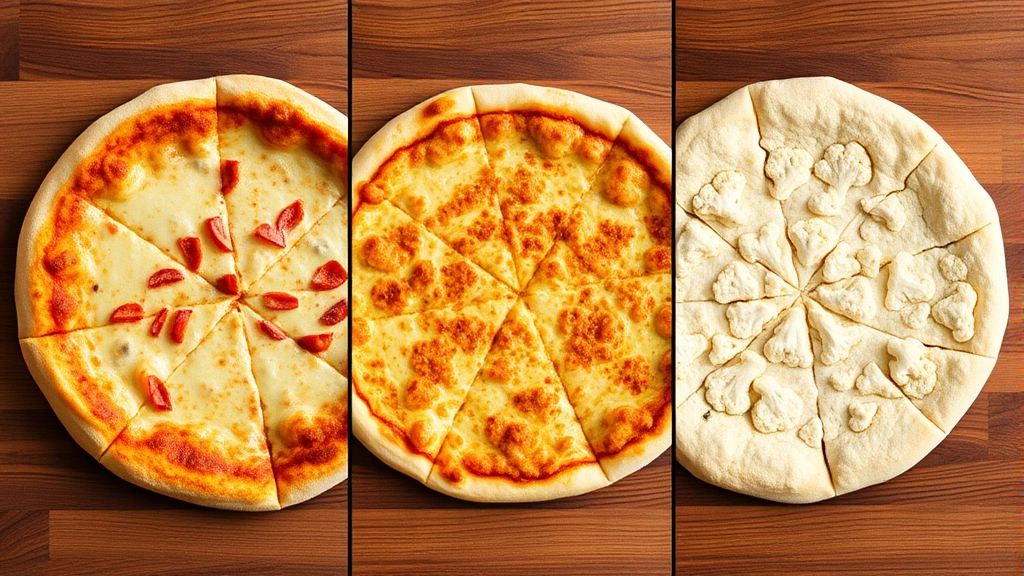
The restaurant offers four primary crust options: Original Hand-Tossed, Thin Crust, Cauliflower Crust, and Gluten-Free Crust. Each foundation dramatically influences the overall nutritional profile. The Original Hand-Tossed crust contains approximately 250-280 calories per large pizza base, while the Thin Crust reduces this to 200-220 calories. The Cauliflower Crust, positioned as a lower-carbohydrate alternative, contains roughly 120-140 calories but offers increased fiber content.
Understanding your healthy nutrition plan and eating well guidelines should inform your crust selection. Registered dietitians emphasize that crust choice represents the foundational caloric and macronutrient anchor for your pizza, influencing downstream decisions about topping quantities and portion control.
Calorie Breakdown by Pizza Size and Crust Type
Mod Pizza offers three standard sizes: Individual (approximately 6 inches), Medium (approximately 11 inches), and Large (approximately 14 inches). Calorie calculations depend significantly on both size and crust selection.
Individual Pizzas (Single Serving): An Individual pizza with Original Hand-Tossed crust and basic cheese ranges from 400-450 calories. Thin Crust versions drop to 350-380 calories, while Cauliflower Crust options provide 280-320 calories. The Individual size naturally limits portion sizes, making it ideal for controlled calorie intake.
Medium Pizzas (2-3 Servings): A Medium Original Hand-Tossed cheese pizza contains approximately 650-750 calories total, or 325-375 calories per half-pizza serving. Medium Thin Crust versions offer 550-650 calories total. These sizes balance social dining with portion control, particularly when shared.
Large Pizzas (3-4 Servings): Large Original Hand-Tossed cheese pizzas contain 850-950 calories total, translating to 210-315 calories per slice depending on cut size. Large Thin Crust pizzas reduce this to 700-800 calories total. Large Cauliflower Crust options provide 550-650 calories, representing a 25-30% reduction compared to traditional crusts.
These baseline figures exclude toppings. Each additional topping adds 30-80 calories depending on type, with protein toppings (pepperoni, sausage, bacon) contributing more calories than vegetable toppings (spinach, mushrooms, onions).

Macronutrient Analysis: Proteins, Fats, and Carbohydrates
Pizza fundamentally represents a carbohydrate-forward meal, with macronutrient ratios typically skewing toward carbs and fats. A standard Large Original Hand-Tossed cheese pizza provides approximately 100-120 grams of carbohydrates, 35-45 grams of protein, and 25-35 grams of fat per pizza.
Protein Considerations: Cheese contributes approximately 6-8 grams of protein per pizza, while each protein topping (pepperoni, sausage, chicken, bacon) adds 5-10 grams. Vegetarian pizzas with multiple vegetable toppings typically contain 20-25 grams of protein per large pizza. For fitness enthusiasts following nutrition for athletes and optimizing performance through diet, adding protein-rich toppings like grilled chicken or extra cheese enhances the macronutrient profile.
Carbohydrate Profile: The crust dominates carbohydrate content. Original Hand-Tossed crust contributes 90-110 grams of carbohydrates per large pizza, while Thin Crust reduces this to 70-85 grams. Cauliflower Crust dramatically lowers carbohydrate content to 25-35 grams, making it preferable for low-carb and ketogenic diets. Sauce adds minimal carbohydrates (3-5 grams), though sweeter marinara varieties contain slightly more than white sauce options.
Fat Composition: Cheese represents the primary fat source, contributing 15-20 grams of total fat per large pizza. Processed meat toppings add saturated fat, while olive oil (if used) and nuts contribute healthier unsaturated fats. The fat profile typically includes 8-12 grams of saturated fat per large pizza, representing 40-60% of daily recommended saturated fat intake depending on individual targets.
Strategic Topping Selections for Optimal Nutrition
Topping selection represents the most controllable nutritional variable in pizza customization. Understanding the nutritional impact of different topping categories enables strategic choices aligned with your dietary objectives.
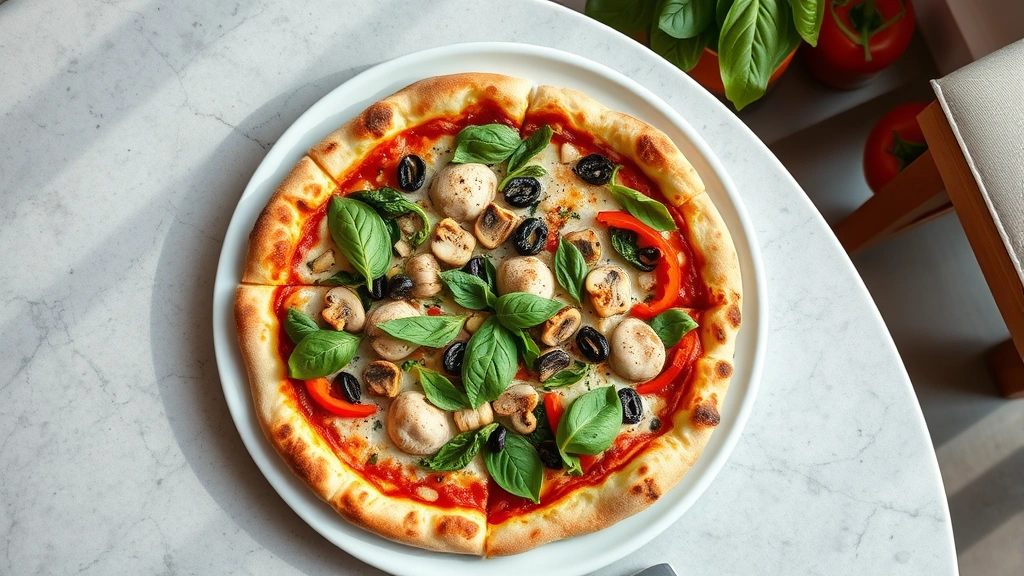
Vegetable Toppings (Lowest Calorie Impact): Spinach, mushrooms, onions, bell peppers, tomatoes, and olives each contribute 10-25 calories and provide fiber, vitamins, and minerals. These toppings increase satiety without substantially increasing caloric density. Nutritionists recommend loading pizzas with 4-5 vegetable toppings to enhance nutrient density and fiber content, supporting the importance of dietary fiber for health.
Protein Toppings (Moderate Calorie Impact): Grilled chicken breast (approximately 35-45 calories per serving), bacon (40-50 calories), sausage (45-60 calories), and pepperoni (50-70 calories) each add significant protein while moderately increasing calories. Chicken breast offers the most favorable protein-to-calorie ratio, while processed meats contribute higher sodium levels.
Cheese Additions (Higher Calorie Impact): Extra cheese adds approximately 50-70 calories and 6-8 grams of fat per serving. While cheese provides calcium and protein, portion control proves important. One standard cheese application suffices for most nutritional goals; additional cheese primarily increases saturated fat intake.
Strategic Combinations: A dietitian-recommended approach combines thin crust, light cheese, 2-3 protein toppings (emphasizing chicken), and 4-5 vegetable toppings. This combination typically yields 250-320 calories per slice for a large pizza, with improved macronutrient balance favoring protein and fiber.
Meeting Specific Dietary Needs
Vegetarian and Vegan Diets: Mod Pizza accommodates plant-based eating through extensive vegetable options and dairy-free cheese alternatives. Vegetarian pizzas with extra vegetables, nuts (if available), and legume-based proteins provide complete nutritional profiles. Vegan options using dairy-free cheese and plant-based toppings require careful topping selection to ensure adequate protein intake.
Gluten-Free Requirements: The dedicated Gluten-Free Crust prevents cross-contamination concerns for celiac disease and gluten sensitivity. This crust contains similar calories to the Original Hand-Tossed variety but uses alternative grain blends, making it suitable for those avoiding wheat.
Low-Carbohydrate and Keto Diets: Cauliflower Crust dramatically reduces carbohydrate content, supporting ketogenic macronutrient ratios. Pairing Cauliflower Crust with high-fat cheese, processed meats, and low-carb vegetables creates keto-compliant meals. A typical keto-friendly large pizza contains 30-40 grams of carbohydrates, 60-70 grams of fat, and 40-50 grams of protein.
High-Protein Fitness Goals: Building pizzas with multiple protein sources (chicken, bacon, extra cheese) and minimizing carbohydrate-heavy crusts supports muscle-building nutrition. A protein-optimized large pizza can deliver 50-60 grams of protein while maintaining 600-700 calories.
Dietitian-Approved Ordering Strategies
Registered dietitians recommend several evidence-based strategies for optimizing Mod Pizza nutrition while maintaining enjoyment and social eating experiences.
Size and Portion Strategy: Selecting Medium or Individual sizes naturally limits overall calorie intake compared to Large sizes. Research from Pew Research Center on food consumption patterns demonstrates that portion size significantly influences total intake. Choosing smaller sizes or sharing encourages mindful eating and prevents excess calorie consumption.
Crust Selection Protocol: Thin Crust or Cauliflower Crust should serve as default selections for calorie-conscious diners. These options reduce baseline calories by 20-30%, creating room for additional toppings or allowing for leftovers that support multiple meals from single orders.
Topping Multiplication Strategy: Rather than increasing cheese or processed meat quantities, multiply vegetable topping selections. Vegetables provide negligible caloric increases while substantially boosting fiber, micronutrient density, and satiety. Aim for 5-6 total toppings, with at least 3-4 being vegetables.
Sauce Optimization: White sauce options (typically olive oil and garlic-based) contain fewer carbohydrates than marinara varieties. Requesting light sauce application reduces sodium and sugar intake without substantially sacrificing flavor.
Beverage and Side Pairing: Avoiding high-calorie beverages and focusing on water or unsweetened options prevents hidden calorie accumulation. If ordering sides, vegetable-forward options like salads align better with nutritional goals than breadsticks or fries.
Sodium and Micronutrient Considerations
Pizza inherently contains elevated sodium levels due to cheese, processed meats, and sauce ingredients. A typical Large pizza contains 1,800-2,400 milligrams of sodium, representing 75-100% of daily recommended intake for most adults.
Sodium Reduction Strategies: Requesting light cheese and avoiding processed meat toppings reduces sodium content. Vegetable-focused pizzas naturally contain less sodium than meat-heavy varieties. Diners should account for pizza sodium when calculating daily intake from other meals.
Micronutrient Profile: Pizza provides meaningful amounts of calcium (from cheese), phosphorus, and selenium. Vegetable toppings contribute vitamins A, C, and K, plus additional minerals. However, pizza shouldn’t serve as a primary micronutrient source; complementary meals should include diverse vegetables, fruits, and whole grains.
Nutritional Synergy with Other Meals: Pairing pizza with a substantial salad containing leafy greens and varied vegetables enhances overall nutrient density. This combination provides fiber, micronutrients, and satiety while maintaining balanced macronutrient ratios. Consider how your Nutrients Pathway Blog resources discuss meal composition and nutritional balance.
For those interested in comprehensive nutritional understanding, exploring topics like nutrition facts about avocados demonstrates how different foods contribute distinct nutritional profiles. Similarly, understanding nutrition and mental health and how diet impacts the brain reveals that overall eating patterns influence well-being beyond simple caloric calculations.
FAQ
How many calories are in a Mod Pizza?
Calorie content varies substantially by size and crust type. Individual pizzas range from 280-450 calories (base only), Medium pizzas contain 550-750 calories, and Large pizzas provide 700-950 calories. Each topping adds 30-80 additional calories.
Is Mod Pizza healthy?
Mod Pizza can support healthy eating through customization. Selecting appropriate crust types, loading with vegetables, controlling cheese portions, and choosing lean proteins creates nutritionally balanced meals. However, pizza remains calorie-dense and sodium-forward, so portion awareness and complementary meal choices matter significantly.
What’s the best Mod Pizza for weight loss?
Individual or Medium pizzas with Thin or Cauliflower Crust, light cheese, multiple vegetable toppings, and one lean protein source (grilled chicken) typically contain 250-350 calories per serving, supporting weight management goals when paired with adequate protein and fiber.
Does Mod Pizza offer nutritional information?
Yes, Mod Pizza provides detailed nutritional data for all crust types, sauces, and toppings on their website and in-restaurant. This transparency enables precise calorie and macronutrient calculations before ordering.
Can I eat Mod Pizza on a keto diet?
Yes, using the Cauliflower Crust, prioritizing cheese and fatty toppings, and minimizing carbohydrate-containing ingredients creates keto-compliant options. A typical keto pizza contains 30-40 grams of carbohydrates, supporting ketogenic macronutrient targets when portion-controlled.
What toppings add the most protein?
Grilled chicken breast, bacon, sausage, and extra cheese each contribute 5-10 grams of protein per serving. Combining multiple protein sources maximizes protein content while maintaining reasonable calorie levels.
How much sodium is in Mod Pizza?
Large pizzas typically contain 1,800-2,400 milligrams of sodium. Reducing cheese, avoiding processed meats, and requesting light sauce application can lower sodium content by 15-25%.