Moe’s Menu: Nutritionist Rates Healthiest Picks
Moe’s Southwest Grill has become a go-to destination for fast-casual Mexican cuisine, offering customizable bowls, burritos, tacos, and quesadillas. But with so many menu options loaded with cheese, sour cream, and seasoned meats, navigating the healthier choices can feel overwhelming. We asked registered dietitians to analyze Moe’s nutritional offerings and identify which menu items deliver genuine nutritional value without sacrificing flavor or satisfaction.
Understanding the nutritional landscape of your favorite restaurants is crucial for maintaining a balanced diet while enjoying dining out. Moe’s provides detailed nutritional information for most menu items, making it possible to make informed decisions that align with your health goals. Whether you’re looking to reduce calories, increase protein intake, or boost your vegetable consumption, this guide will help you identify the best options available.
Nutritionist-Approved Bowl Combinations
When nutritionists evaluate Moe’s menu, they consistently recommend the bowl format as the foundation for healthier meals. Bowls allow you to control portion sizes and ingredient ratios more effectively than burritos or quesadillas. The key to a nutritionist-approved bowl starts with selecting a lean protein, adding a substantial base of vegetables, and strategically choosing your toppings.
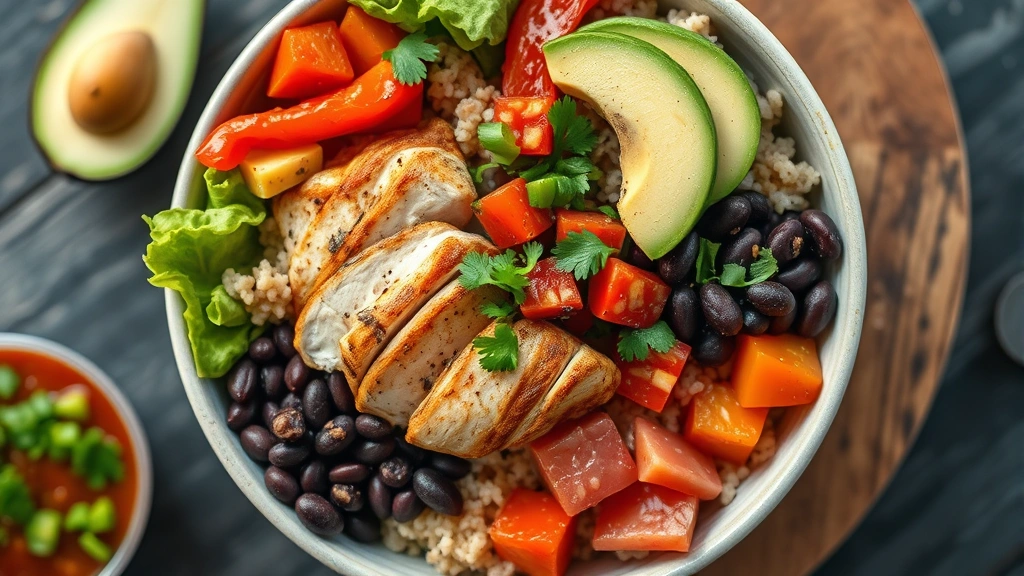
The Grilled Chicken bowl emerges as a top recommendation across nutritionist assessments. Chicken breast provides approximately 31 grams of protein per serving while maintaining relatively low calories and minimal saturated fat. Pairing grilled chicken with brown rice (when available) or cilantro-lime rice creates a complete meal that stabilizes blood sugar levels throughout the afternoon. Adding black beans contributes both dietary fiber for digestive health and additional plant-based protein.
Another excellent option involves building around Moe’s Veggie Bowl foundation. While traditionally lighter on protein, nutritionists suggest adding grilled vegetables and a protein source to maximize nutritional density. This approach works particularly well for individuals following plant-based diets or those seeking to increase vegetable intake. The combination of roasted peppers, onions, and tomatoes provides essential vitamins, minerals, and antioxidants that support overall health and immune function.
For those interested in athletic nutrition optimization, combining steak with additional black beans and fajita vegetables creates a nutrient-dense meal. Lean beef provides creatine and iron, supporting muscle development and oxygen transport. The vegetables add micronutrients that facilitate recovery processes after intense training sessions.

Protein Options Ranked by Quality
Moe’s offers several protein choices, each with distinct nutritional profiles. Understanding these differences empowers you to select options aligned with your specific dietary objectives and health priorities.
Grilled Chicken consistently ranks as the nutritionist’s top choice for protein selection. With approximately 180-200 calories per serving and minimal added oils, grilled chicken delivers lean protein without excessive saturated fat. The poultry also contains B vitamins essential for energy metabolism and niacin for cardiovascular health. This option works universally well across different dietary approaches, from weight loss to athletic performance enhancement.
Carnitas (slow-roasted pork) provides excellent flavor and satisfying texture but carries higher fat content. While the fat includes both saturated and monounsaturated varieties, portion control becomes important when selecting this option. Nutritionists suggest enjoying carnitas occasionally rather than regularly, or pairing them with extra vegetables to balance the overall meal composition.
Barbacoa (shredded beef) offers moderate calories with robust protein content. The slow-cooking method creates tender, flavorful meat without requiring additional oils during preparation. This option provides iron and zinc, minerals crucial for immune function and protein synthesis. Nutritionists appreciate barbacoa as a middle-ground option between lighter chicken and richer carnitas.
Steak delivers substantial protein and iron while maintaining reasonable calorie counts. Lean beef cuts used by Moe’s contain conjugated linoleic acid (CLA), a compound associated with various health benefits. The rich flavor profile often means you’ll feel satisfied with smaller portions, naturally supporting calorie moderation goals.
Veggie Options deserve serious consideration for plant-based eaters and vegetarians. While lower in complete proteins, combining vegetables with beans and additional plant-based toppings creates nutritionally complete meals. Avocado provides healthy fats and potassium, complementing vegetable-based bowls beautifully.
Building Your Optimal Base
The base you select significantly impacts your meal’s nutritional profile. Moe’s typically offers three rice options: cilantro-lime rice, brown rice, and occasionally Spanish rice. Each carries different nutritional implications worth understanding.
Cilantro-Lime Rice features white rice cooked with cilantro and lime juice. While providing quick-digesting carbohydrates ideal for post-workout meals, white rice lacks the fiber and micronutrients found in whole grains. Nutritionists recommend this option primarily for active individuals requiring rapid carbohydrate replenishment or those with specific digestive sensitivities.
Brown Rice represents the superior choice for most dietary objectives. The bran and germ layers contain fiber, magnesium, and B vitamins absent in white rice. Brown rice creates sustained energy release, preventing blood sugar spikes and subsequent energy crashes. The increased fiber content also supports digestive health and promotes satiety, helping you feel fuller longer after your meal.
Black Beans function excellently as a base alternative or supplement. These legumes deliver approximately 15 grams of fiber per cooked cup, supporting digestive regularity and healthy cholesterol levels. Black beans also provide anthocyanins, powerful antioxidants linked to reduced inflammation and improved cardiovascular health. Combining black beans with rice creates a complete protein containing all nine essential amino acids.
For those pursuing comprehensive healthy nutrition planning, requesting extra vegetables as your base extends nutritional density significantly. Many Moe’s locations will accommodate requests for vegetable-forward compositions, replacing some rice with additional grilled peppers, onions, and tomatoes.
Toppings and Add-Ons Strategy
Toppings transform a basic bowl into a nutritionally complete meal or, conversely, into a calorie-dense indulgence. Strategic topping selection makes the difference between supporting your health goals and undermining them.
Cheese and Sour Cream require careful consideration. While providing calcium and probiotics respectively, both carry significant calorie and saturated fat loads. Nutritionists suggest using these sparingly, requesting light portions or eliminating them entirely if calorie goals are restrictive. A quarter cup of cheese contains approximately 110 calories and 9 grams of fat, while two tablespoons of sour cream adds 60 calories and 6 grams of fat.
Guacamole and Avocado deliver monounsaturated fats supporting heart health and nutrient absorption. Despite containing approximately 45 calories per tablespoon, nutritionists endorse avocado as a superior choice to cheese or sour cream. The healthy fats increase satiety and facilitate absorption of fat-soluble vitamins from accompanying vegetables. Request extra avocado instead of cheese for enhanced nutritional value.
Salsa Options provide virtually calorie-free flavor enhancement. Pico de gallo, corn salsa, and traditional salsa add vitamins, minerals, and antioxidants without significant caloric impact. These toppings support hydration through their water content and provide beneficial plant compounds linked to reduced disease risk. Nutritionists recommend requesting extra salsa generously.
Lettuce and Vegetables should occupy substantial portions of your bowl. Lettuce adds volume and micronutrients with minimal calories, supporting satiety without excessive energy intake. Requesting extra lettuce creates a more vegetable-forward meal that nutritionists universally endorse. The increased fiber and nutrient density supports sustained energy and long-term health outcomes.
Jalapeños and Hot Sauce offer surprising health benefits. Capsaicin, the compound creating spiciness, boosts metabolism slightly and provides anti-inflammatory compounds. These additions cost nothing calorically while enhancing meal satisfaction through flavor complexity.

Calorie-Conscious Selections
For individuals actively managing calorie intake, Moe’s offers several strategies for creating satisfying meals under specific calorie targets. Understanding portion composition allows you to enjoy Moe’s regularly while maintaining weight management goals.
A typical nutritionist-recommended lower-calorie bowl includes grilled chicken (approximately 200 calories), brown rice in modest portions (200 calories), black beans (120 calories), and generous vegetables with salsa (50 calories), totaling around 570 calories before toppings. Adding avocado (100 calories) and light cheese (50 calories) brings the meal to approximately 720 calories—a satisfying, nutritionally complete meal within most calorie budgets.
Alternatively, requesting a lettuce-heavy bowl with minimal rice increases volume while reducing calories substantially. Nutritionists note that this approach, while lower in carbohydrates, still provides excellent satiety through increased fiber and water content. The psychological satisfaction of consuming a large volume of food supports adherence to calorie goals better than small, dense portions.
Avoiding high-calorie additions proves crucial for calorie-conscious dining. Queso (cheese sauce), carnitas, and extra cheese can add 200-400 calories to a meal. Quesadillas and burritos typically exceed 1000 calories due to tortilla wraps and increased topping density. Sticking with bowls and making conscious topping selections allows calorie-conscious diners to enjoy Moe’s multiple times weekly without compromising goals.
High-Protein Choices for Athletes
Athletes pursuing muscle development and performance optimization face different nutritional requirements than general health-focused diners. Moe’s menu accommodates athletic nutrition needs effectively when ordered strategically.
The ultimate athlete’s bowl combines steak or grilled chicken with black beans and brown rice, delivering approximately 50-60 grams of protein alongside complex carbohydrates supporting glycogen replenishment. This composition provides the amino acid profile necessary for muscle protein synthesis while supplying energy for training sessions. Post-workout timing makes this meal particularly valuable, as the carbohydrate-protein combination optimizes muscle recovery processes.
Adding extra protein through additional chicken or doubling the meat portion increases total protein content to 70+ grams, supporting aggressive muscle-building protocols. Nutritionists recommend this approach for individuals engaging in resistance training multiple times weekly. The substantial protein intake, distributed across meals, maximizes muscle protein synthesis throughout the day.
Combining carnitas with steak creates a high-calorie, high-protein option for athletes in bulking phases. While exceeding typical calorie targets, this approach delivers the energy surplus necessary for muscle growth when coupled with appropriate training stimuli. The fat content also supports hormone production crucial for athletic performance and recovery.
Timing considerations matter significantly. Post-workout meals should emphasize quickly-digesting carbohydrates and protein, making cilantro-lime rice preferable to brown rice immediately after training. Brown rice becomes advantageous during other meals, supporting sustained energy and digestive health throughout the day.
Navigating Sodium and Saturated Fat
Moe’s menu items, like most fast-casual restaurants, tend toward elevated sodium levels. Understanding sodium content helps you make informed choices, particularly if you’re managing blood pressure or following sodium-restricted diets.
Most Moe’s bowls contain 800-1200 mg of sodium per serving, representing 35-50% of daily recommended intake in a single meal. Registered dietitian recommendations from the American Heart Association suggest limiting total daily sodium to 2300 mg. If dining at Moe’s regularly, requesting reduced-sodium options when available and limiting sodium intake at other meals becomes important.
Strategies for sodium management include requesting no added salt on your meal, avoiding high-sodium additions like queso and extra cheese, and balancing the meal with plenty of vegetables and water. Requesting salsa instead of cheese-based toppings reduces both sodium and saturated fat simultaneously.
Saturated fat content varies considerably based on topping selections. Choosing grilled chicken with minimal cheese keeps saturated fat below 5 grams, while carnitas with extra cheese and sour cream can exceed 15 grams. Since nutritionists recommend limiting saturated fat to 10% of daily calories (approximately 22 grams for a 2000-calorie diet), topping selection significantly impacts whether your Moe’s meal supports or undermines cardiovascular health goals.
For individuals managing cholesterol levels, emphasizing plant-based options with nutrition supporting overall metabolic health becomes particularly important. Vegetable-heavy bowls with beans and avocado provide heart-healthy fats while minimizing saturated fat and cholesterol from animal products.
Consulting peer-reviewed nutrition research reveals that strategic fast-casual dining doesn’t compromise long-term health outcomes when approached thoughtfully. Making conscious selections at restaurants like Moe’s, rather than avoiding them entirely, supports dietary sustainability and psychological well-being.
FAQ
What’s the healthiest bowl at Moe’s?
The grilled chicken bowl with brown rice, black beans, extra lettuce, salsa, and avocado represents the nutritionist consensus for healthiest option. This combination delivers lean protein, complex carbohydrates, fiber, healthy fats, and micronutrients while remaining moderate in calories and sodium.
Can I eat at Moe’s while losing weight?
Absolutely. Selecting grilled chicken, requesting vegetable-heavy compositions, minimizing cheese and sour cream, and choosing bowls over burritos creates satisfying meals supporting calorie deficits. The customization options at Moe’s actually make it easier than many restaurants for weight management.
How much sodium is in Moe’s meals?
Most Moe’s bowls contain 800-1200 mg of sodium. This represents significant daily intake, so balancing with lower-sodium meals and requesting no added salt helps manage total daily sodium consumption.
Are Moe’s beans healthy?
Yes. Black beans and pinto beans provide excellent fiber, plant-based protein, and antioxidants. These legumes support digestive health and provide sustained energy. Adding beans to any bowl significantly improves nutritional quality.
What protein should I choose for muscle building?
Grilled chicken and steak both provide excellent protein for muscle development. Steak additionally supplies iron and creatine. Combining either protein with brown rice and beans creates optimal post-workout nutrition for athletes.
Is Moe’s appropriate for diabetic diets?
With careful selection, yes. Emphasizing protein and vegetables while minimizing refined carbohydrates helps manage blood sugar. Requesting brown rice instead of white rice, incorporating beans, and avoiding sugary salsas supports diabetic nutrition goals. Consulting your healthcare provider ensures alignment with individual medical needs.
Can vegetarians find nutritious options at Moe’s?
Definitely. Building bowls around black beans, pinto beans, and vegetables provides complete proteins when combined with rice. Adding avocado, cheese, and nuts increases protein and healthy fat content, creating satisfying, nutritionally complete vegetarian meals.
How do I reduce calories at Moe’s?
Request lettuce as your base instead of rice, eliminate cheese and sour cream, choose grilled chicken, load up on vegetables, and use salsa generously. This approach creates voluminous, satisfying meals under 600 calories.