
Moe’s Nutrition Calculator: Dietitian’s Insights and Digital Health Tools
The modern food landscape demands precision. When customers walk into Moe’s Southwest Grill, they’re not just ordering a burrito—they’re making nutritional decisions that impact their daily intake of calories, macronutrients, and micronutrients. The Moe’s Nutrition Calculator represents a significant shift in how fast-casual restaurants empower diners with transparent nutritional data. This tool has become essential for health-conscious consumers, athletes, and anyone tracking their dietary goals with digital precision.
Digital nutrition calculators have transformed restaurant transparency. Unlike traditional calorie counts posted on static menus, interactive tools allow customers to customize meals in real-time, adjusting portions, proteins, toppings, and dressings to see immediate nutritional impact. Moe’s calculator exemplifies this trend, providing granular control over meal composition and enabling informed choices before ordering.
Understanding how to leverage these tools effectively requires knowledge of nutritional principles, platform functionality, and strategic menu optimization. This guide explores the Moe’s Nutrition Calculator through a dietitian’s lens, examining its features, practical applications, and integration into broader healthy nutrition plans.
How Moe’s Nutrition Calculator Works
The Moe’s Nutrition Calculator operates as an interactive menu tool accessible through the restaurant’s website and mobile application. Unlike static nutrition labels, this digital platform allows real-time customization tracking. Users select their base (burrito, bowl, taco, or quesadilla), protein choice, and individual toppings, with the calculator instantly updating nutritional values for their specific combination.
The platform’s architecture reflects modern consumer expectations for food transparency. Each ingredient in Moe’s menu has been analyzed and assigned standardized nutritional values—calories, protein, carbohydrates, fat, fiber, and sodium. When customers add or remove items, the calculator recalculates totals immediately, providing precise feedback on their selections.
This functionality addresses a critical gap in fast-casual dining. Research from Pew Research Center demonstrates that 72% of Americans consider nutritional information important when making food choices, yet traditional restaurant menus often obscure this data. Moe’s calculator democratizes nutritional decision-making by placing detailed information directly in customers’ hands during the ordering process.
The interface design emphasizes user experience. Rather than overwhelming diners with numbers, the calculator presents information progressively—showing totals update as selections change. Color-coding systems often indicate whether choices align with recommended daily values, helping users make quick assessments without extensive nutritional knowledge.

Key Nutritional Metrics and What They Mean
Understanding Moe’s Nutrition Calculator requires familiarity with fundamental nutritional metrics. Calories represent energy content—the baseline metric for weight management. However, calorie quality matters significantly. A 500-calorie burrito with 25g protein differs substantially from one with 8g protein, despite identical energy content.
Protein content drives satiety and muscle maintenance. The Moe’s menu offers multiple protein sources—carnitas, chicken, steak, barbacoa, and plant-based alternatives. Protein intake recommendations vary by individual goals: sedentary adults need approximately 0.8g per kilogram of body weight, while athletes optimizing performance through diet often require 1.2-2.0g per kilogram.
Carbohydrates provide primary fuel for brain and muscle function. Moe’s bowls and burritos feature carbohydrates from rice, beans, and tortillas. The calculator reveals total carbohydrates and sometimes differentiates between simple and complex carbs, though detailed fiber breakdowns require additional research.
Dietary fiber deserves special attention. The importance of dietary fiber for your health cannot be overstated—it regulates blood sugar, supports digestive health, and promotes satiety. Moe’s provides substantial fiber through beans, guacamole, and vegetable toppings. A typical burrito bowl with black beans, pinto beans, and guacamole easily delivers 10-15g fiber.
Fat content requires nuanced interpretation. While total fat appears on nutrition labels, the distinction between saturated fat, unsaturated fat, and trans fat matters considerably. Moe’s guacamole contributes healthy monounsaturated fats, while cheese and sour cream add saturated fat. The calculator typically shows total fat; strategic topping selection becomes crucial for optimizing fat quality.
Sodium represents a significant consideration in fast-casual dining. Restaurant meals frequently exceed 1,000mg sodium per serving, approaching half the recommended daily intake. Moe’s calculator exposes sodium content, enabling customers to moderate intake by limiting high-sodium additions like chips or extra cheese.
Building Balanced Meals at Moe’s
Nutritional balance involves strategic macronutrient distribution aligned with individual goals. The calculator becomes a practical tool for achieving this balance through informed selections.
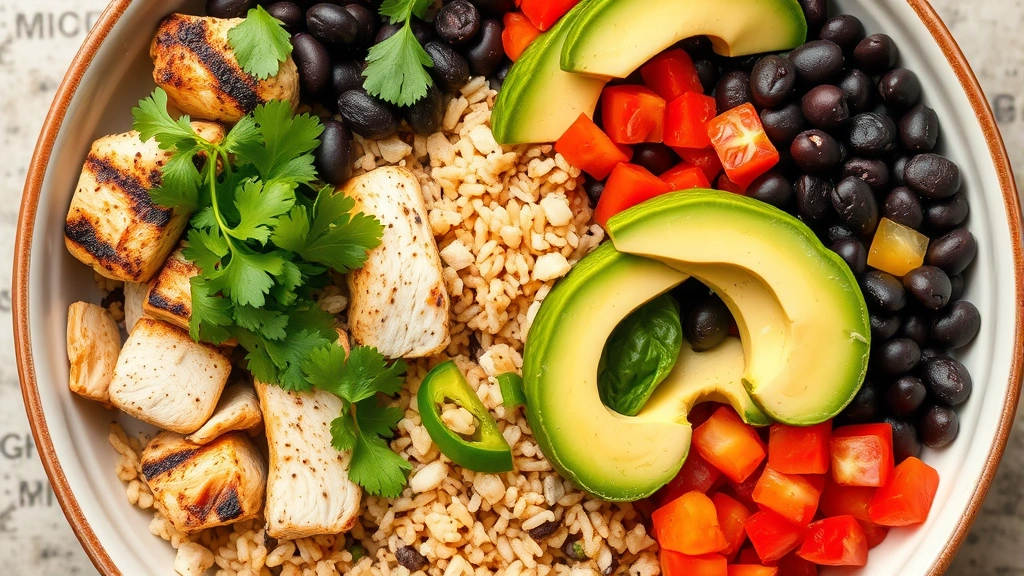
For weight management goals: Focus on protein-dense options that maximize satiety per calorie. A bowl format (rather than burrito) allows larger portion sizes with identical calorie content, since bowls eliminate the tortilla’s calories. Select lean proteins like grilled chicken or steak. Add nutrition facts about avocados for healthy fats that support nutrient absorption and hormonal function without excessive calories. Use the calculator to target 400-550 calorie meals with 25-35g protein.
For muscle-building objectives: Prioritize protein intake while maintaining adequate carbohydrates for workout performance. A carnitas or steak burrito with double protein, black beans (carbohydrate and additional protein), brown rice, and minimal high-fat toppings provides 600-700 calories with 40-50g protein. The calculator enables precise macronutrient targeting for post-workout nutrition timing.
For blood sugar management: Individuals with diabetes or prediabetes benefit from lower-glycemic selections. Prioritize fiber through beans and vegetables, moderate refined carbohydrates (white rice, flour tortillas), and include protein and fat to slow glucose absorption. The calculator helps identify options under 45g carbohydrates per meal.
For general wellness: The Nutrients Pathway Blog emphasizes whole-food approaches. Moe’s offerings align with this philosophy through customizable vegetable additions, legume-based protein, and minimal processed ingredients. Building meals with visible whole foods—beans, vegetables, grilled proteins—rather than sauces and processed additions supports micronutrient density.
Macronutrient Optimization Strategies
Advanced users leverage the Moe’s Nutrition Calculator for sophisticated macronutrient targeting. This approach requires understanding individual needs and strategic menu navigation.
Protein optimization: Moe’s protein options range from approximately 20g (single protein in bowl format) to 50g+ (double protein burrito). The calculator reveals exact amounts, enabling users to hit specific protein targets. For individuals consuming 150g daily protein across three meals, Moe’s could provide 35-50g at one meal, with remaining protein sourced elsewhere. This strategic allocation prevents excessive single-meal consumption.
Carbohydrate cycling: Athletes sometimes adjust carbohydrate intake based on training intensity. High-carbohydrate days warrant rice-based bowls with beans and vegetables; lower-carbohydrate days might feature lettuce wraps or reduced rice portions. The calculator enables this flexibility by showing carbohydrate content for modified selections.
Fat distribution: While total daily fat targets matter, meal-level distribution affects satiety and hormone production. Spreading fat intake across meals—including some healthy fats from guacamole, oils in proteins, and cheese—supports hormonal function better than consuming all fat at one meal. The calculator helps identify optimal fat quantities per meal.
Micronutrient considerations: While the Moe’s calculator typically displays macronutrients and some key micronutrients, understanding ingredient composition supports micronutrient optimization. Black beans provide iron, magnesium, and folate; cilantro offers antioxidants; bell peppers deliver vitamin C. How to improve nutrient absorption through strategic food pairing—combining iron-rich beans with vitamin C sources—maximizes nutritional value from restaurant meals.
Special Dietary Considerations
The Moe’s Nutrition Calculator serves diverse dietary approaches and restrictions, each requiring specific calculator navigation strategies.
Vegetarian and vegan diets: Moe’s offers plant-based protein through beans, tofu, and increasingly, dedicated vegan proteins. The calculator allows filtering by vegetarian options, revealing protein content from legume-based sources. A veggie burrito with black beans, pinto beans, and guacamole delivers 15-18g protein—respectable for plant-based options, though supplementary protein sources throughout the day may be necessary for athletes.
Gluten-free requirements: Celiac disease and gluten sensitivity affect approximately 1-3% of the population. Moe’s accommodates gluten-free needs through bowl formats (eliminating tortillas) and verified gluten-free preparation protocols. The calculator helps identify naturally gluten-free combinations, though cross-contamination risks require communication with restaurant staff.
Ketogenic and low-carb diets: These approaches minimize carbohydrates, typically targeting under 50g daily. Moe’s supports this through lettuce-wrapped items, cauliflower rice substitutes (where available), and protein-fat focused meals. The calculator reveals carbohydrate content, enabling users to construct 20-30g carbohydrate meals aligned with ketogenic macronutrient targets.
Allergen management: The calculator often identifies common allergens (tree nuts, peanuts, dairy, shellfish). Individuals with severe allergies should verify preparation practices beyond calculator information, as cross-contamination remains a risk in shared kitchen environments.
Sodium-restricted diets: Hypertension and heart disease patients often follow sodium restrictions (1,500-2,300mg daily). Fast-casual restaurants typically exceed these targets per meal. The calculator exposes sodium content, enabling strategic choices: selecting items without extra salt, requesting minimal cheese, and avoiding high-sodium sides.
Comparing Moe’s Options to Competitors
The fast-casual burrito market includes competitors like Chipotle, Qdoba, and Freebirds, each with nutrition calculators. Comparative analysis reveals distinct nutritional profiles and calculator functionality.
Portion sizes and calorie ranges: Moe’s portions tend toward generous sizing, with burrito options ranging 600-950 calories depending on selections. Competitors offer similar ranges, but base ingredient preparation varies. Understanding these baseline differences contextualizes calculator results.
Protein diversity: Moe’s carnitas, steak, and barbacoa options provide flavor variety without substantially different protein content. Some competitors offer additional proteins (chorizo, sofritas) with distinct nutritional profiles. The calculator’s transparency enables direct comparison across restaurant chains.
Customization transparency: Moe’s calculator excels at real-time customization tracking—users see immediate nutritional impact from each addition or removal. Some competitor calculators require selection confirmation before updating, creating friction in the user experience. This functional difference significantly affects calculator utility for optimization-focused users.
Micronutrient detail: Advanced calculators increasingly display micronutrient information (iron, calcium, vitamins) beyond basic macronutrients. Moe’s calculator availability varies by platform; checking current functionality ensures access to desired detail level.
Integration with Fitness and Nutrition Apps
Modern fitness tracking has exploded. Applications like MyFitnessPal, Cronometer, and Lose It! allow users to log meals and track nutritional intake against personalized targets. Integrating Moe’s meals into these ecosystems enhances nutritional awareness and accountability.
Data export and import: Some nutrition calculators enable data export to standard formats compatible with fitness apps. Moe’s integration varies; checking current app functionality clarifies whether meal data transfers automatically or requires manual entry.
Custom meal creation: When direct integration isn’t available, fitness apps allow custom meal creation. Users can input Moe’s meal data from the restaurant’s calculator, creating personalized entries for future reference. This approach builds a library of restaurant options, streamlining future logging.
Macro tracking accuracy: Fitness app integration enables precise macronutrient tracking against personalized targets. Users aiming for specific protein intake, carbohydrate cycling, or caloric deficits benefit from logging Moe’s meals alongside home-prepared foods, revealing whether restaurant choices align with overall dietary goals.
Accountability and behavior change: Research demonstrates that self-monitoring food intake significantly improves dietary adherence and weight management outcomes. The combination of Moe’s calculator transparency and fitness app logging creates a feedback loop supporting conscious decision-making.
The Moe’s Nutrition Calculator exemplifies how technology democratizes nutritional information in food service. By placing detailed, customizable nutritional data directly in consumers’ hands, it enables informed choices supporting diverse dietary goals—from weight management to athletic performance to disease prevention. Effective use requires understanding nutritional fundamentals, strategic menu navigation, and integration with broader health management practices. As digital health tools proliferate, calculators like Moe’s become increasingly central to nutrition-conscious dining.
FAQ
Is the Moe’s Nutrition Calculator accurate?
The calculator reflects laboratory analysis of standard menu items. Variations occur due to ingredient sourcing, portion measurement inconsistencies, and preparation differences. Use calculator values as estimates rather than absolute guarantees; actual nutritional content may vary by 5-10%. For precise tracking, acknowledge this margin and adjust expectations accordingly.
Can I use the calculator on mobile devices?
Yes, Moe’s mobile app includes the nutrition calculator. Mobile accessibility enhances real-time decision-making at the ordering counter, allowing immediate customization adjustments to optimize nutritional outcomes.
Does the calculator account for cooking oils and preparation methods?
Most calculators include estimated cooking oil in nutritional calculations for grilled items. However, exact amounts vary based on preparation. Request minimal oil addition if concerned about fat intake; many restaurants accommodate this request.
How do I identify high-protein options using the calculator?
Filter selections by protein content or manually compare options. Generally, double-protein burritos and bowls with lean proteins (chicken, steak) deliver 40-50g protein. The calculator’s comparison feature (if available) streamlines identification of highest-protein combinations.
Can the calculator help with meal planning for specific dietary goals?
Absolutely. By calculating nutritional content for multiple menu combinations, you can identify options matching your macronutrient targets. Saving preferred meals or taking screenshots creates a reference library for consistent, goal-aligned ordering.
Are there hidden calories in Moe’s sauces and dressings?
Yes, many sauces contain 50-150 additional calories per serving. The calculator typically includes standard sauce portions; requesting light sauce or sauce-on-the-side helps control caloric intake. Verify sauce inclusion in calculator estimates to avoid surprises.


