Monster Energy Drink: Nutritionist Reviews Facts
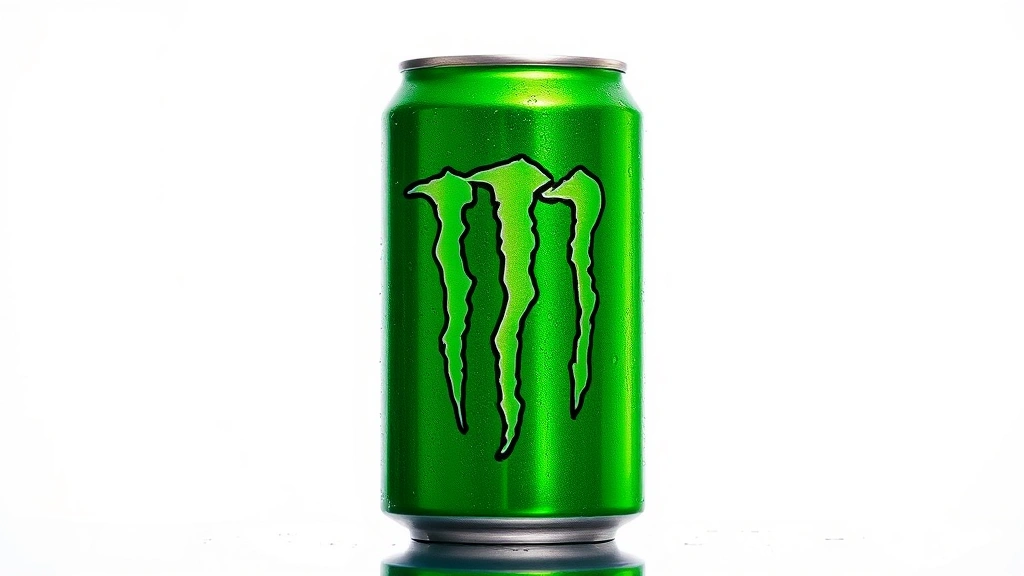
Monster Energy has become a cultural phenomenon, dominating convenience store shelves and fueling late-night gaming sessions, workout routines, and demanding workdays. Yet behind the iconic green claw logo lies a beverage that demands serious nutritional scrutiny. As a nutritionist reviewing the composition of this popular energy drink, I’ve discovered that Monster Energy contains far more than just caffeine—it’s a complex mixture of stimulants, sugars, and additives that deserve careful examination before consumption.
The energy drink market has exploded over the past two decades, with Monster capturing a significant share of consumer spending. However, the nutritional profile of Monster Energy raises legitimate health concerns that extend beyond simple calorie counting. Understanding what’s actually in your can requires looking at individual components, their physiological effects, and how they interact with your body’s systems. This comprehensive review breaks down the facts that matter most to your health.
Monster Energy Nutrition Facts Overview
A standard 16-ounce can of Monster Energy contains 160 calories, making it a significant caloric contribution for a beverage. However, calories represent just one dimension of the nutritional picture. The drink delivers 54 grams of sugar—that’s equivalent to roughly 13.5 teaspoons of pure sugar in a single can. To contextualize this figure, the American Heart Association recommends that adult men limit daily sugar intake to 36 grams and women to 25 grams. One Monster can exceed the entire daily recommended sugar allowance.
Beyond sugar, Monster Energy provides 160 milligrams of caffeine per 16-ounce serving, along with various vitamins and proprietary blends. The ingredient list reads like a chemistry experiment: carbonated water, high fructose corn syrup, citric acid, natural and artificial flavors, caffeine, taurine, sodium benzoate, magnesium gluconate, inositol, glucuronolactone, panax ginseng extract, L-carnitine, guarana seed extract, and ascorbic acid. Each component carries its own metabolic implications.
When examining nutrition facts about whole foods, we assess bioavailability, micronutrient density, and satiety. Monster Energy fails on all these fronts—it provides empty calories without nutritional substance, spikes blood sugar rapidly, and offers no fiber or protein to promote satiety. The drink is engineered for maximum stimulation and palatability, not health optimization.
Caffeine Content and Stimulant Effects
Monster Energy’s 160 milligrams of caffeine per can positions it as a heavy hitter in the energy drink category. For comparison, an 8-ounce cup of brewed coffee contains approximately 95 milligrams of caffeine, while a shot of espresso provides about 75 milligrams. The FDA recommends that healthy adults consume no more than 400 milligrams of caffeine daily—meaning two Monster cans already consume 80% of that threshold.
The concern intensifies when considering consumption patterns. Many individuals drink Monster Energy throughout the day, combining multiple cans with coffee, tea, or other caffeinated beverages. This cumulative caffeine exposure can trigger anxiety, insomnia, tremors, rapid heart rate, and digestive issues. Adolescents and young adults, who represent Monster’s primary demographic, face heightened vulnerability to caffeine’s effects due to developing nervous systems and lower body weight.
Beyond caffeine, Monster contains guarana seed extract—a natural source of additional caffeine that isn’t always counted in the beverage’s stated caffeine content. Guarana contains roughly twice the caffeine concentration of coffee beans. The combination of multiple stimulant sources creates a synergistic effect that can overwhelm the nervous system. Additionally, taurine—an amino acid included in the proprietary blend—may enhance caffeine’s stimulant effects, intensifying cardiovascular strain.
Research published through the National Center for Biotechnology Information has documented cases of caffeine toxicity linked to energy drink consumption, with symptoms ranging from palpitations to seizures in extreme cases. Regular consumption builds tolerance, encouraging consumers to increase intake—a concerning escalation pattern.
Sugar and Artificial Sweeteners
The 54 grams of sugar in a standard Monster Energy can represents perhaps the most immediately concerning nutritional component. High-fructose corn syrup (HFCS), the primary sweetener, metabolizes differently than glucose. Your liver processes fructose directly, promoting fat accumulation in the liver and increasing triglyceride levels. This metabolic pathway contributes to non-alcoholic fatty liver disease, insulin resistance, and metabolic syndrome.
Consuming 54 grams of sugar in liquid form bypasses the satiety signals that solid food triggers. Your brain doesn’t register liquid calories the same way it processes chewed food, meaning Monster drinkers don’t naturally compensate by eating less. The rapid blood sugar spike triggers an insulin response, followed by a crash that leaves consumers fatigued and craving additional stimulation—creating a cycle that encourages repeat consumption.
Monster also produces sugar-free versions using artificial sweeteners like sucralose and acesulfame potassium. While these eliminate the 160 calories and 54 grams of sugar, artificial sweeteners present their own concerns. Research suggests these compounds may alter gut microbiota composition, impair glucose metabolism, and potentially increase cravings for sweet foods. A Nature study examining artificial sweeteners found associations with metabolic dysfunction and altered glucose tolerance.
For individuals pursuing a healthy nutrition plan, neither version of Monster Energy aligns with evidence-based dietary recommendations. The regular version delivers excessive sugar; the diet version delivers artificial chemicals with emerging health concerns.
Proprietary Energy Blend Analysis
Monster Energy’s proprietary blend—a combination of taurine, inositol, glucuronolactone, ginseng, L-carnitine, and guarana—represents 1,060 milligrams per can. The term “proprietary blend” allows manufacturers to obscure individual ingredient quantities, preventing consumers from assessing actual dosages. This opacity frustrates nutritionists and consumers seeking transparency.
Taurine, an amino acid comprising roughly 50% of the blend, serves multiple physiological functions. While your body produces taurine naturally, supplemental taurine’s safety profile remains debated. Some research suggests taurine supports cardiovascular function and exercise performance; other studies indicate potential concerns with excessive intake, particularly when combined with high caffeine consumption.
Inositol, a carbohydrate compound, influences serotonin signaling and may support mental health. However, the minimal quantity in Monster Energy—hidden within the proprietary blend—likely provides negligible benefit. Marketing emphasizes inositol’s mood-supporting properties while downplaying that meaningful doses require substantially higher intake.
Glucuronolactone, a metabolite naturally produced during glucose metabolism, has been studied for athletic performance enhancement. Evidence supporting its ergogenic effects remains limited and inconsistent. The compound’s inclusion appears more marketing-driven than scientifically justified.
Panax ginseng extract has traditional use in Asian medicine and some research supporting cognitive and physical performance benefits. However, the extract quantity within Monster’s proprietary blend likely falls below effective dosages demonstrated in clinical studies. Additionally, ginseng can interact with medications and may cause side effects including headaches and sleep disruption.
L-carnitine facilitates fatty acid transport into mitochondria for energy production. While athletes sometimes supplement L-carnitine for performance enhancement, evidence suggests benefits primarily occur in individuals with existing carnitine deficiency—a rare condition. Most people obtain adequate L-carnitine from dietary sources, particularly meat and dairy.
Guarana seed extract delivers additional caffeine alongside other alkaloids. This ingredient essentially amplifies the stimulant load beyond the stated caffeine content, creating a deceptive impression of the drink’s actual stimulant intensity.
Cardiovascular and Health Implications
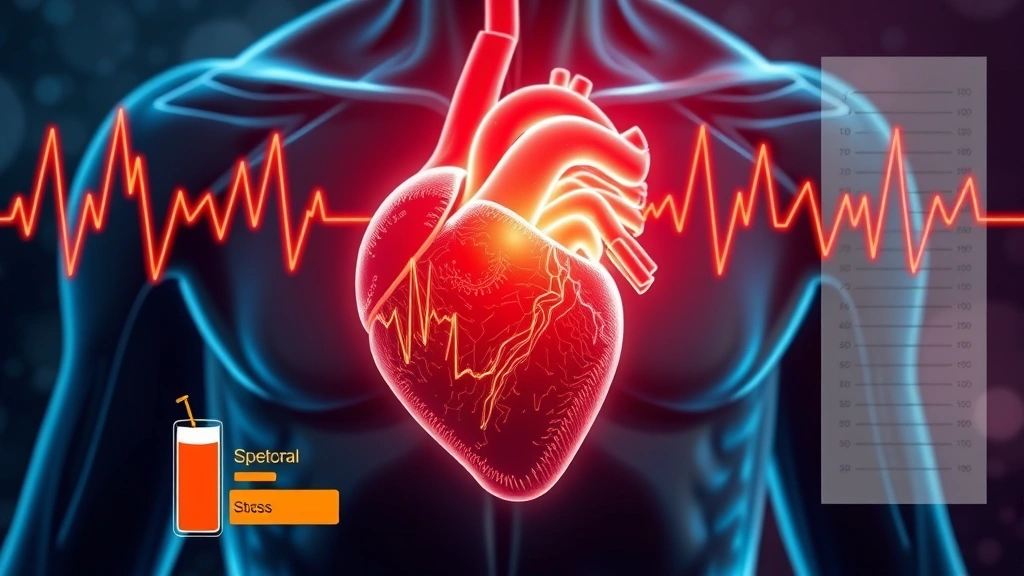
The combination of high caffeine, sugar, and stimulant compounds creates cardiovascular stress that extends beyond simple stimulation. Research examining energy drink consumption has documented concerning cardiovascular effects including elevated blood pressure, increased heart rate, and arrhythmias. A study published in the Journal of the American Heart Association found that energy drink consumption increased QT interval—a measure of electrical heart activity—potentially increasing arrhythmia risk.
Adolescents consuming Monster Energy face particular concern. Their cardiovascular systems continue developing through the early 20s, and excessive caffeine exposure during this critical period may have lasting effects. Cases of sudden cardiac death in young energy drink consumers, while rare, underscore the potential severity of complications in susceptible individuals.
Beyond immediate cardiovascular effects, chronic Monster consumption contributes to metabolic dysfunction. The excessive sugar promotes insulin resistance, weight gain, and type 2 diabetes risk. The stimulant load increases cortisol production, disrupting sleep architecture and promoting chronic stress responses. Sleep disruption itself triggers metabolic dysfunction, creating a compounding negative cycle.
For individuals concerned with nutrition and mental health, energy drinks present particular concerns. While caffeine temporarily enhances alertness, chronic consumption impairs sleep quality—fundamentally damaging mental health. The blood sugar crashes following initial sugar spikes promote mood instability and anxiety.
Comparison to Other Beverages
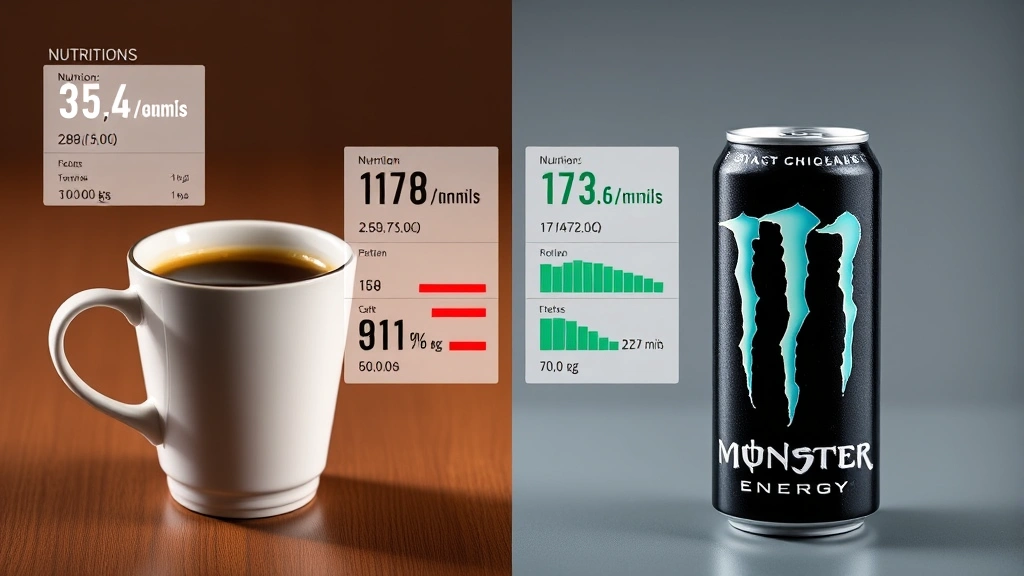
Understanding Monster Energy’s nutritional profile becomes clearer when compared to alternative beverages. A 16-ounce cup of brewed coffee contains roughly 190 milligrams of caffeine, zero grams of sugar, and approximately 5 calories. Coffee provides polyphenols—antioxidant compounds with documented health benefits—without the metabolic disruption Monster creates.
Black tea delivers approximately 40 milligrams of caffeine per 8-ounce serving alongside L-theanine, an amino acid that promotes calm alertness without jitteriness. The caffeine-to-sugar ratio vastly favors tea over Monster Energy.
Even soft drinks like Coca-Cola (39 grams of sugar, 34 milligrams of caffeine per 12 ounces) deliver less total sugar than Monster despite similar caffeine content. Coca-Cola’s nutritional profile is poor, but Monster Energy proves demonstrably worse across multiple dimensions.
Water, unsweetened tea, and black coffee represent genuinely healthier alternatives for sustained energy. While less exciting than Monster’s aggressive marketing suggests, these beverages support metabolic health rather than compromising it. For individuals pursuing nutrition for athletes optimizing performance, evidence-based sports drinks with appropriate electrolyte profiles and modest carbohydrate content outperform Monster Energy for actual performance enhancement.
Healthier Alternatives for Energy
Rather than reaching for Monster Energy when fatigue strikes, evidence-based alternatives provide sustained energy without metabolic compromise. Dietary fiber consumption stabilizes blood sugar, preventing energy crashes. Whole grains, legumes, vegetables, and fruits deliver sustained energy alongside micronutrients that support metabolic function.
Adequate protein intake at meals slows carbohydrate absorption and promotes satiety, preventing energy dips that trigger cravings for stimulants. A breakfast containing eggs, Greek yogurt, or nuts with whole grain toast provides sustained energy that lasts hours—far superior to Monster’s temporary spike followed by inevitable crash.
Sleep optimization represents perhaps the most underutilized energy strategy. Consistent sleep schedules, dark sleep environments, and avoiding caffeine after 2 PM support deep, restorative sleep that naturally energizes daytime functioning. Many individuals consuming energy drinks suffer from sleep deprivation that energy drinks temporarily mask while actually worsening underlying sleep quality.
Hydration deserves emphasis—mild dehydration produces fatigue and cognitive decline. Many people consuming energy drinks actually suffer from insufficient water intake. Replacing one Monster Energy can daily with adequate water often improves energy levels and mental clarity within days.
For genuine performance enhancement during athletic activities, sports drinks formulated with appropriate carbohydrate concentrations (6-8% solution), electrolytes, and minimal additives outperform energy drinks. These beverages support athletic performance through evidence-based formulation rather than stimulant overload.
Strategic caffeine consumption—limited to morning hours, kept below 400 milligrams daily, and obtained from sources like coffee or tea—provides energy benefits without Monster’s metabolic drawbacks. Timing caffeine consumption before workouts or demanding mental tasks maximizes benefits while minimizing sleep disruption.
FAQ
How much caffeine is too much daily?
The FDA recommends healthy adults consume no more than 400 milligrams of caffeine daily. Two Monster Energy cans provide 320 milligrams, exceeding this threshold when combined with other caffeine sources. Adolescents should consume substantially less—current guidelines suggest limiting intake to 100 milligrams daily for teenagers.
Is Monster Energy worse than coffee?
Yes, substantially. While both contain caffeine, Monster Energy combines stimulants with 54 grams of sugar, artificial additives, and a proprietary blend of compounds with unclear individual dosages. Coffee provides caffeine with polyphenolic antioxidants and virtually no sugar. The nutritional comparison heavily favors coffee.
Can Monster Energy cause heart problems?
Energy drink consumption has been linked to elevated blood pressure, increased heart rate, arrhythmias, and in rare cases, sudden cardiac events. Individuals with underlying cardiac conditions face heightened risk. Even healthy individuals may experience concerning cardiovascular effects, particularly when consuming multiple cans or combining with other stimulants.
Why is the energy blend proprietary?
Manufacturers claim proprietary blends protect trade secrets. However, the opacity prevents consumers and healthcare providers from assessing actual ingredient quantities. This secrecy frustrates nutritional transparency and prevents accurate risk assessment. Ethical manufacturers would disclose individual ingredient amounts.
Is sugar-free Monster better?
Sugar-free Monster eliminates 160 calories and 54 grams of sugar but retains 160 milligrams of caffeine and stimulant compounds. It substitutes sugar with artificial sweeteners (sucralose, acesulfame potassium) with emerging concerns about metabolic effects. Neither version represents a healthy choice; sugar-free offers marginal improvement while introducing different concerns.
What’s the healthiest energy drink?
From a nutritionist’s perspective, traditional beverages outperform commercial energy drinks: black coffee, unsweetened tea, or water with electrolytes. If commercial energy drinks are necessary, options with lower caffeine (under 80 milligrams), minimal sugar (under 10 grams), and transparent ingredient lists prove superior to Monster Energy. However, addressing underlying fatigue through sleep, hydration, and nutrition represents the optimal approach.
How long does Monster Energy take to work?
Caffeine absorption begins within 15-45 minutes, with peak effects occurring around 30-60 minutes. The sugar spike occurs nearly immediately, providing brief energy followed by a crash within 1-2 hours. This pattern encourages repeated consumption, establishing problematic consumption habits.
Can teenagers safely drink Monster Energy?
No. Adolescent caffeine sensitivity, developing nervous systems, and vulnerability to stimulant effects make Monster Energy inappropriate for teenagers. Additionally, the excessive sugar contributes to obesity and metabolic dysfunction during critical developmental years. Health organizations recommend that adolescents avoid energy drinks entirely.