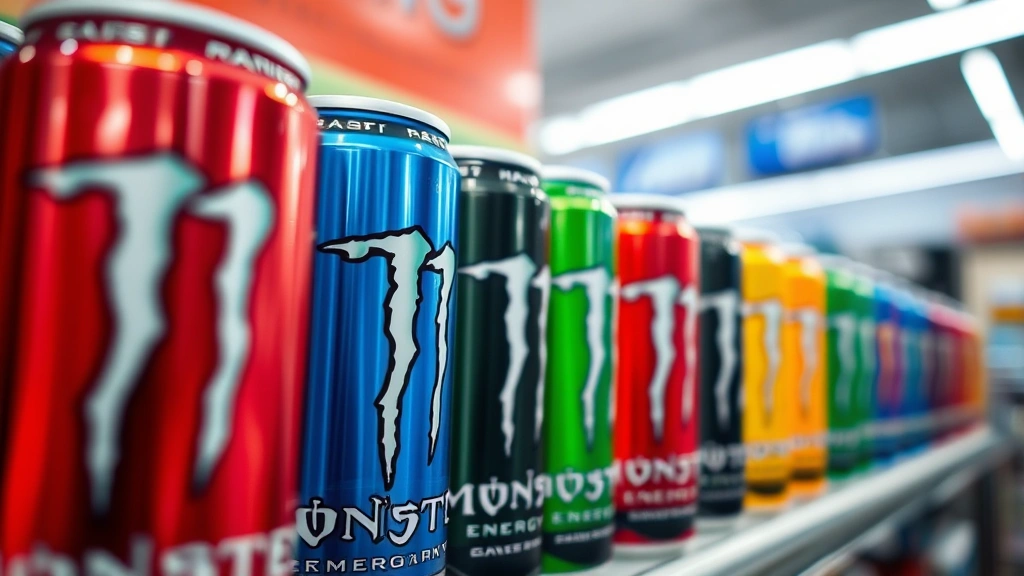
Monster Energy: Dietitian Analyzes Nutrition Facts
Monster Energy drinks have become ubiquitous in convenience stores, gyms, and college campuses worldwide. With their bold branding and promise of sustained energy, millions of consumers reach for these beverages daily without fully understanding what they’re putting into their bodies. As a registered dietitian, I’ve analyzed countless energy drink formulations, and Monster deserves a comprehensive breakdown that goes beyond the flashy marketing.
This analysis examines Monster Energy’s complete nutritional profile, ingredient list, and physiological effects. Whether you’re an athlete, student, or casual consumer, understanding the monster nutrition facts is essential for making informed dietary choices. I’ll walk you through the science behind each component and provide context within the broader landscape of beverage consumption.
Complete Nutritional Breakdown
A single 16 fl oz can of Monster Energy contains 160 calories, making it a significant caloric contribution for a beverage. The macronutrient distribution is heavily skewed toward carbohydrates, with 54 grams coming primarily from added sugars. This represents approximately 110% of the American Heart Association’s recommended daily sugar intake for adult women in a single drink.
The sodium content reaches 370 milligrams per can, which accounts for roughly 16% of the daily recommended value. While this isn’t extreme, regular consumption combined with typical dietary sodium intake can contribute to hypertension risk, particularly in individuals with salt sensitivity or existing cardiovascular conditions.
Monster Energy contains zero grams of protein and fiber, making it a nutritionally incomplete beverage from a macronutrient perspective. Unlike whole food sources of energy discussed in our nutrition facts about avocados or balanced meals, energy drinks provide rapid glucose spikes without sustained nutritional support.
The micronutrient profile includes notable amounts of B vitamins: B2 (niacin), B3 (pantothenic acid), B6, and B12. These are included in quantities ranging from 25-80% of daily values. While these additions might appear beneficial, the bioavailability and actual absorption of synthetic vitamins in this context remains questionable when consumed alongside such high sugar loads.
Caffeine Content and Stimulant Effects
Monster Energy delivers 160 milligrams of caffeine per 16 oz can, positioning it as a moderate-to-high caffeine beverage. For context, a standard 8 oz cup of brewed coffee contains approximately 95-200 mg, making Monster comparable to a cup of coffee in terms of caffeine density.
The concern here isn’t merely the absolute amount but the consumption pattern. Caffeine from energy drinks is often consumed rapidly, without the ritualistic pacing of coffee drinking. This creates sharper peaks in blood caffeine concentration, leading to more pronounced physiological responses including increased heart rate, elevated blood pressure, and potential anxiety symptoms.
Research from the Pew Research Center on consumer health behaviors indicates that energy drink consumers frequently exceed recommended caffeine limits, particularly younger demographics. The FDA recommends 400 mg daily for healthy adults, yet a single Monster can represents 40% of this threshold.
The combination of caffeine with other stimulants in the proprietary blend creates what’s known as a synergistic effect, potentially amplifying cardiovascular stress beyond what caffeine alone would produce. This interaction deserves careful consideration, especially for individuals with underlying cardiac conditions or anxiety disorders.
For athletes specifically, our guide on nutrition for athletes optimizing performance through diet emphasizes that while moderate caffeine can enhance endurance, excessive consumption impairs recovery and disrupts sleep architecture essential for athletic adaptation.
Sugar and Artificial Sweeteners
The original Monster Energy formula contains 54 grams of sugar per can. This represents the equivalent of roughly 13.5 teaspoons of granulated sugar. The American Heart Association recommends no more than 25 grams daily for women and 36 grams for men, meaning one can exceeds these guidelines significantly.
Excessive sugar consumption is epidemiologically linked to obesity, type 2 diabetes, dental caries, and metabolic syndrome. The rapid absorption of 54 grams of simple sugars creates an acute hyperglycemic event, triggering substantial insulin secretion. Over time, repeated consumption contributes to insulin resistance and pancreatic beta-cell exhaustion.
Monster also produces “zero” and “ultra” variants utilizing artificial sweeteners including sucralose and acesulfame potassium (Ace-K). While these reduce caloric content, emerging research suggests artificial sweeteners may alter gut microbiota composition and glucose metabolism through mechanisms not yet fully characterized.
A comprehensive review published in nutrition science journals indicates that artificial sweeteners don’t provide the metabolic benefits consumers expect. Some studies suggest they may paradoxically increase appetite through disrupted satiety signaling, potentially contributing to compensatory overeating.
The sugar content deserves emphasis because it represents the most immediate and quantifiable health concern. Unlike the speculative long-term effects of certain ingredients, the acute metabolic impact of 54 grams of sugar is well-documented and concerning for metabolic health.
Proprietary Energy Blend Analysis
Monster’s “Monster Energy Blend” is listed as a proprietary formula containing taurine, ginseng, guarana, and glucuronolactone. These ingredients are often promoted as performance enhancers, but scientific evidence supporting their efficacy varies considerably.
Taurine: This amino acid comprises approximately 1000 mg per can. While taurine is synthesized endogenously and found in animal proteins, supplemental taurine’s benefits remain contested. Some studies suggest modest improvements in exercise performance, while others show negligible effects. The physiological rationale for its inclusion relates to cellular osmolyte function and muscle contractility, but clinical significance remains unclear.
Ginseng: Included in the blend, ginseng contains ginsenosides that may enhance cognitive function and reduce fatigue perception. However, the quantity in Monster is relatively modest, and bioactive compound extraction in a high-sugar beverage medium may reduce efficacy. Research quality on ginseng’s performance effects remains mixed.
Guarana: This plant extract contains caffeine (approximately 40-50 mg per gram of guarana) plus additional xanthine alkaloids. Guarana’s inclusion represents a secondary caffeine source, effectively increasing total stimulant load beyond the primary caffeine declaration. This multi-source stimulation approach intensifies cardiovascular and central nervous system effects.
Glucuronolactone: This compound is naturally produced during glucose metabolism. Its inclusion in energy drinks is largely marketing-driven, as supplemental glucuronolactone lacks robust evidence supporting enhanced performance or recovery. The body produces adequate quantities endogenously.
Our article on the benefits of omega-3 fatty acids explores evidence-based supplementation, contrasting with the speculative nature of many energy drink ingredients. The proprietary blend format intentionally obscures precise quantities, preventing consumers from assessing whether included compounds reach effective dosages.
Cardiovascular and Health Implications
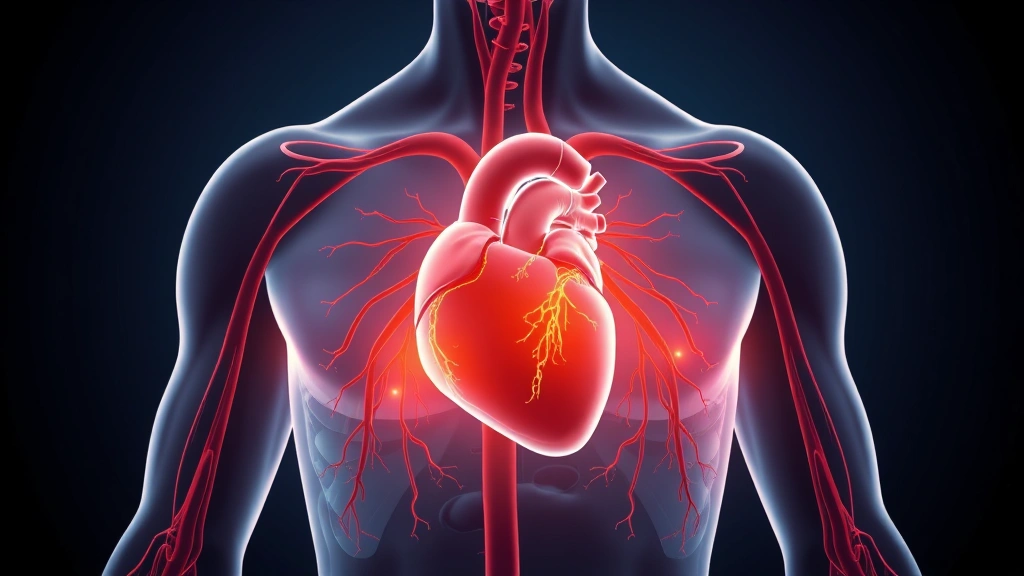
The combination of high caffeine, sugar, and stimulant compounds creates a perfect storm for cardiovascular stress. Clinical case reports document arrhythmias, myocardial infarction, and sudden cardiac death in young individuals following energy drink consumption, particularly when combined with physical exertion.
The acute physiological response includes increased heart rate (often 10-20 bpm elevation), elevated blood pressure, and enhanced sympathetic nervous system activation. While healthy individuals typically tolerate these changes, vulnerable populations face genuine risk. This includes individuals with arrhythmia predisposition, cardiomyopathy history, or uncontrolled hypertension.
Research from academic medical centers indicates that energy drink-related emergency department visits have increased substantially over the past decade. The American Heart Association has issued formal statements cautioning against excessive energy drink consumption, particularly in adolescents whose cardiovascular systems are still developing.
Beyond acute cardiovascular effects, chronic consumption contributes to metabolic dysfunction. The repeated hyperglycemic insults from 54 grams of sugar per serving, multiplied across multiple daily consumptions in some users, accelerates insulin resistance development. This pathway leads toward prediabetes and type 2 diabetes, with profound long-term health consequences.
Dental health represents another significant concern. The combination of high sugar content and acidic pH (approximately 3.2) creates an ideal environment for dental caries development and enamel erosion. Dentists report significantly higher cavity and erosion rates in energy drink consumers compared to non-consumers.
Comparison with Alternatives
When evaluating Monster against alternative beverages, context matters significantly. Compared to sugary soft drinks, Monster’s caffeine content provides some functional advantage for alertness, though this comes at the cost of additional stimulant load. Compared to coffee, Monster delivers comparable caffeine in a more concentrated, rapidly absorbed format without the beneficial polyphenols found in coffee.
Water remains the optimal hydration choice, containing zero calories, zero sodium, and zero stimulants. For those requiring sustained energy, our comprehensive healthy nutrition plan guide to eating well for life emphasizes whole food sources providing sustained glucose availability without metabolic disruption.
Green tea offers a middle ground, providing 25-50 mg of caffeine alongside beneficial catechins and antioxidants. The slower caffeine absorption from tea creates more gradual blood level elevation, reducing cardiovascular stress while providing genuine phytonutrient benefits.
For athletes, sports beverages formulated with appropriate electrolyte ratios and moderate carbohydrates (6-8% solution) provide superior hydration and performance support compared to Monster. The excessive sugar in Monster actually impairs fluid absorption through osmotic effects, making it counterproductive for athletic hydration.
Black coffee represents perhaps the most direct comparison, offering similar caffeine levels with minimal calories and genuine health-promoting compounds. While some individuals find coffee’s taste or ritual less appealing than energy drinks, the nutritional profile is substantially superior.
Recommendations for Consumers
For those currently consuming Monster Energy regularly, gradual reduction represents a more sustainable approach than abrupt cessation. Caffeine dependence creates genuine withdrawal symptoms including headaches, fatigue, and mood disturbance. Tapering over 2-3 weeks minimizes these effects while allowing physiological adaptation.
If you’re seeking sustained energy, examine underlying causes. Persistent fatigue often reflects inadequate sleep, insufficient dietary fiber for your health and micronutrient status, or blood glucose dysregulation from poor meal composition. Addressing these root causes provides sustainable energy without stimulant dependency.
Young people and adolescents should avoid energy drinks entirely. Developing nervous and cardiovascular systems show heightened sensitivity to stimulants, and the habit formation established during teenage years often persists into adulthood. Parents should understand that Monster marketing deliberately targets youth through sponsorships and social media.
Individuals with underlying cardiac conditions, anxiety disorders, hypertension, or diabetes should absolutely avoid Monster Energy. The risk-benefit calculation is decidedly unfavorable, and the potential for serious adverse events is genuine and documented.
For those occasionally consuming Monster in social contexts, awareness of the nutritional impact allows for compensatory dietary adjustments. Consuming one Monster means reducing daily sugar intake from other sources by approximately 54 grams to maintain metabolic health targets.
Consider timing carefully if you do consume Monster. Late afternoon or evening consumption disrupts sleep architecture, reducing sleep quality and duration. This creates a vicious cycle where poor sleep increases fatigue, driving further energy drink consumption.
The nutrients pathway blog nutrition information hub contains extensive resources on sustainable energy optimization through evidence-based nutritional strategies that don’t require stimulant supplementation.

FAQ
How much caffeine is in Monster Energy compared to coffee?
Monster Energy contains 160 mg of caffeine per 16 oz can, comparable to a cup of brewed coffee (95-200 mg). However, Monster delivers this caffeine rapidly in a single consumption, whereas coffee is typically sipped over time, creating different physiological absorption patterns and peak blood concentrations.
Is Monster Energy safe for teenagers?
Health organizations including the American Academy of Pediatrics recommend against energy drink consumption by adolescents. The combination of high caffeine, sugar, and stimulants poses documented risks to developing cardiovascular and nervous systems. Adolescent brains show heightened sensitivity to stimulants, and early consumption establishes consumption patterns continuing into adulthood.
What are the main health concerns with Monster Energy?
Primary concerns include: excessive sugar (54g per can, exceeding daily recommendations in one beverage), high caffeine load creating cardiovascular stress, rapid glucose absorption causing metabolic disruption, dental erosion from acidic pH and sugar, and potential arrhythmias in susceptible individuals. The proprietary blend obscures exact ingredient quantities, preventing accurate risk assessment.
Can Monster Energy help with workout performance?
While caffeine can enhance endurance performance, Monster’s excessive sugar and lack of electrolytes make it suboptimal for athletic hydration or performance. The sugar actually impairs fluid absorption through osmotic effects. Sports beverages with 6-8% carbohydrate solutions and appropriate electrolytes provide superior performance support.
Is Monster Energy sugar-free version healthier?
Monster Zero Ultra eliminates 54 grams of sugar but retains 160 mg of caffeine and all stimulant compounds. While reducing acute hyperglycemic effects, artificial sweeteners may alter gut microbiota and glucose metabolism through poorly understood mechanisms. It remains a stimulant-heavy beverage with documented cardiovascular effects.
How often is it safe to drink Monster Energy?
For healthy adults, occasional consumption (perhaps once monthly) poses minimal risk. However, regular consumption—particularly daily or multiple cans daily—significantly increases cardiovascular and metabolic health risks. The FDA’s 400 mg daily caffeine recommendation means a single Monster can represents 40% of this threshold, leaving minimal room for other caffeine sources.
What should I drink instead of Monster Energy?
Water remains optimal for hydration. Black coffee provides similar caffeine with polyphenol benefits. Green tea offers moderate caffeine with antioxidants. For sustained energy, whole foods providing balanced macronutrients and micronutrients create stable blood glucose without stimulant dependency. Sports beverages are appropriate for athletic contexts requiring carbohydrate and electrolyte replenishment.