
Mothers Nutritional Center: Dietitian’s Insights on Family Wellness
The journey toward optimal family health begins with understanding nutrition at its core. A mothers nutritional center serves as a beacon for families seeking evidence-based dietary guidance, expert consultation, and practical strategies to nourish their loved ones. Modern mothers face unprecedented challenges—balancing work, parenting, and personal wellness while navigating conflicting nutritional information from social media, celebrity endorsements, and trending diet fads. Professional dietitian insights transform this overwhelming landscape into actionable, science-backed recommendations that prioritize both immediate health outcomes and long-term wellness trajectories.
Dietitians specializing in maternal and family nutrition bring clinical expertise, research knowledge, and compassionate understanding to the table. They recognize that mothers often prioritize everyone else’s nutritional needs before their own, leading to deficiencies that compromise energy, immunity, and mental clarity. A comprehensive mothers nutritional center addresses this gap by providing personalized assessments, meal planning strategies, and nutritional education tailored to each family’s unique circumstances, dietary preferences, and health objectives.

Understanding Maternal Nutritional Needs
Mothers require distinct nutritional considerations that differ significantly from general population recommendations. Pregnancy and lactation dramatically increase caloric and micronutrient demands, yet many women continue consuming pre-pregnancy caloric levels, creating compounding nutritional deficits. According to Pew Research Center’s studies on family health trends, maternal nutrition education remains inconsistent across healthcare settings, leaving many mothers without personalized guidance.
Iron represents one of the most critical nutrients for mothers, particularly those who’ve experienced pregnancy and childbirth. Postpartum iron depletion contributes to fatigue, reduced cognitive function, and weakened immune response—challenges that compound when managing household responsibilities and childcare. A mothers nutritional center emphasizes iron-rich foods including grass-fed beef, lentils, spinach, and fortified cereals, while teaching absorption optimization through vitamin C pairing and timing strategies.
Calcium and vitamin D requirements intensify during reproductive years and remain elevated throughout motherhood. These nutrients support bone density preservation, especially critical as women approach perimenopause. Beyond skeletal health, adequate calcium intake correlates with improved mood regulation and reduced anxiety—significant factors for maternal mental wellness. The connection between nutrition and mental health becomes particularly pronounced during demanding parenting phases.
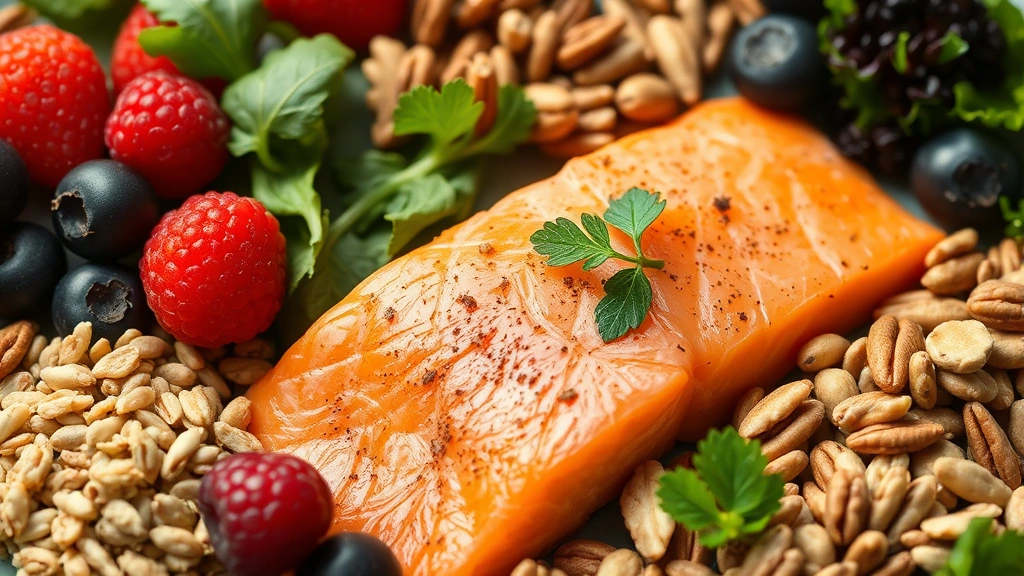
Omega-3 fatty acids deserve special attention in maternal nutrition protocols. These essential fats support brain health, reduce inflammation, and contribute to mood stability. Mothers with depression or anxiety histories benefit substantially from omega-3 supplementation and dietary sources including fatty fish, walnuts, and flaxseeds. Protein requirements also increase for mothers managing physically demanding childcare, supporting muscle maintenance and satiety during busy days when skipping meals becomes tempting.
Family Nutrition Planning Strategies
Effective family nutrition planning extends beyond individual mother wellness to create household systems supporting everyone’s health. A mothers nutritional center approach recognizes that mothers typically function as primary nutritional decision-makers, meal planners, and food preparers for their families. This gatekeeping role means maternal nutritional knowledge directly influences children’s dietary patterns, food preferences, and lifelong health trajectories.
Meal planning frameworks that accommodate diverse family members’ needs—picky eaters, food allergies, athletic teenagers, and aging relatives—require sophisticated strategies. Rather than preparing separate meals, expert dietitians teach families to build flexible base meals with customizable components. Consider a taco night where proteins, vegetables, and toppings remain separate, allowing each family member to construct meals matching their preferences while maintaining nutritional integrity. This approach reduces preparation burden while honoring individual needs.
The nutrition calculator tools help mothers track family consumption patterns, identifying nutritional gaps across household members. Many families discover that despite perceived healthy eating, certain micronutrients remain consistently underconsumed. Systematic tracking reveals patterns—perhaps children rarely consume leafy greens, or teenagers’ calcium intake falls short of recommendations. These insights guide targeted interventions rather than wholesale dietary overhauls.
Budget-conscious nutrition planning addresses real constraints many families face. Dietitian insights focus on nutrient density per dollar, teaching mothers to maximize nutritional return on food spending. Frozen vegetables often surpass fresh produce in nutrient concentration while costing substantially less. Legumes provide exceptional protein and fiber at minimal expense. Strategic shopping, seasonal eating, and bulk purchasing transform nutrition from luxury to accessible foundation.
Common Nutritional Deficiencies in Mothers
Research consistently identifies specific deficiencies affecting mothers disproportionately. Understanding these patterns allows targeted intervention before symptoms develop. Vitamin B12 deficiency emerges frequently, particularly among mothers following plant-based diets or experiencing digestive compromises. B12 supports energy metabolism, neurological function, and mood regulation—deficiencies manifest as fatigue, brain fog, and depression that mothers often attribute to parenting stress rather than nutritional insufficiency.
Folate and other B vitamins decline in mothers managing high stress and irregular eating patterns. These nutrients support stress resilience and energy production, creating vicious cycles where deficiency increases stress sensitivity while stress further depletes reserves. A mothers nutritional center addresses this through dietary sources and strategic supplementation, recognizing that some individuals require higher intakes than population averages suggest.
Magnesium deficiency reaches epidemic proportions, affecting 50-60% of American adults, with mothers experiencing higher prevalence due to increased demands and stress-related depletion. Magnesium supports muscle relaxation, sleep quality, and anxiety management—deficiency contributes to insomnia, muscle tension, and mood disturbances mothers frequently experience. Dark leafy greens, nuts, seeds, and whole grains provide dietary magnesium, while stress management practices reduce losses.
Vitamin D insufficiency affects mothers spending limited time outdoors, living in northern climates, or having darker skin tones requiring longer sun exposure for synthesis. Beyond bone health, vitamin D influences mood, immunity, and cardiovascular function. Many mothers benefit from supplementation, particularly during winter months, supported by serum testing confirming individual needs rather than assuming deficiency.
Zinc and selenium deficiencies impair immune function, particularly concerning for mothers managing household germs and illness exposure. These trace minerals support thyroid function, antioxidant defense, and infection resistance. Strategic dietary inclusion of oysters, beef, pumpkin seeds, and Brazil nuts addresses deficiencies without excessive supplementation.
Practical Meal Preparation and Time Management
Time represents the scarcest maternal resource, making meal preparation efficiency paramount. A mothers nutritional center teaches batch cooking strategies transforming weekend hours into weekday nutrition security. Preparing large quantities of grains, proteins, and roasted vegetables creates building blocks for numerous meals. Monday’s roasted chicken becomes Tuesday’s tacos, Wednesday’s grain bowls, and Thursday’s soup base—reducing daily cooking while maintaining nutritional quality and variety.
One-pot meals and sheet pan dinners minimize cleanup while delivering balanced nutrition. These formats accommodate diverse preferences through component separation while maintaining efficiency. A sheet pan dinner featuring roasted salmon, sweet potato, and broccoli requires minimal preparation and single-pan cleanup, making weeknight nutrition sustainable.
Understanding the principles of healthy nutrition planning enables mothers to navigate grocery shopping strategically. Building meals around whole foods—vegetables, fruits, legumes, nuts, and minimally processed proteins—naturally creates balanced nutrition without obsessive tracking. The grocery perimeter strategy teaches mothers to focus on unprocessed foods while limiting ultra-processed options.
Slow cooker and instant pot cooking enables mothers to prepare nutrient-dense meals with minimal active time. Setting ingredients in morning hours produces ready meals at dinner time, reducing stress and reliance on convenient but nutritionally compromised takeout. These methods preserve heat-sensitive nutrients better than some cooking approaches while maximizing convenience.
Snack preparation deserves equal attention to meal planning. Pre-portioned nuts, fruit, cheese, and vegetables accessible during busy afternoons prevent energy crashes and nutrient gaps. Mothers who maintain stable blood sugar through consistent nutrition experience improved mood, productivity, and patience—cascading benefits affecting entire family dynamics.
Nutrition for Different Life Stages
Maternal nutritional needs evolve dramatically across reproductive life stages. Young mothers navigating pregnancy and early parenting face distinct challenges from midlife mothers managing teenagers while approaching perimenopause. A comprehensive mothers nutritional center addresses these transitions with stage-specific guidance.
Pregnant mothers require increased calories, protein, iron, folate, and calcium supporting fetal development and maternal health. However, excessive weight gain during pregnancy creates health complications and postpartum recovery challenges. Dietitian guidance focuses on appropriate, nutrient-dense weight gain rather than unrestricted eating or dangerous restriction. The principles underlying nutrition for muscle development also apply to pregnancy, emphasizing protein quality and timing for optimal fetal growth.
Lactating mothers require sustained caloric increases and elevated micronutrient intake, particularly calcium, vitamin D, and B vitamins. Milk production demands consistent energy availability—mothers who severely restrict calories risk reduced milk supply and personal health deterioration. Practical guidance emphasizes eating frequent, balanced meals and snacks while maintaining hydration.
Postpartum mothers face competing demands of recovery, sleep deprivation, and caregiving while navigating body composition changes. Nutrition supporting recovery includes adequate protein, iron, and calorie intake despite time constraints and potential depression. Recognizing postpartum depression’s nutritional components—omega-3 deficiency, B vitamin insufficiency, and blood sugar dysregulation—enables dietary intervention alongside medical treatment.
Perimenopausal and menopausal mothers experience hormonal shifts dramatically affecting metabolism, bone density, and mood. Increased calcium, vitamin D, and phytoestrogen intake supports bone preservation while managing symptoms. Dietary approaches managing hot flashes and mood swings differ substantially from younger years, requiring updated guidance.
Building Sustainable Eating Habits
Sustainable nutrition represents the ultimate goal of a mothers nutritional center, transcending temporary diet adherence toward permanent lifestyle integration. Restrictive diets inevitably fail, particularly for busy mothers lacking willpower reserves after managing household demands. Instead, evidence-based approaches emphasize food addition rather than restriction—adding nutrient-dense foods rather than eliminating favorites.
Habit stacking integrates new behaviors into existing routines, requiring minimal willpower. Adding a vegetable serving to breakfast, preparing vegetables while cooking dinner, or keeping fruit visible creates nutritional improvements without overwhelming change. These incremental modifications accumulate into substantial health gains while remaining sustainable long-term.
Food environment design influences choices more powerfully than willpower or knowledge. Making nutritious options convenient and visible while rendering less nutritious options inconvenient shifts behavior without conscious restriction. Keeping cut vegetables at eye level in refrigerators, storing nuts in accessible containers, and preparing healthy snacks reduces friction for positive choices.
Mindful eating practices address the emotional eating patterns many mothers develop, using food to manage stress, boredom, or fatigue rather than physiological hunger. Learning to distinguish physical hunger from emotional hunger, eating without distraction, and honoring food preferences without judgment creates healthier relationships with food than restriction-based approaches.
Community support transforms individual efforts into sustainable practices. Mothers sharing meal plans, recipes, and encouragement experience greater adherence and enjoyment. Online communities, local cooking classes, or informal mom groups provide accountability and practical support transcending solitary nutrition efforts.
Technology and Nutrition Tracking
Modern technology offers unprecedented tools for nutrition tracking and optimization. Apps monitoring macronutrient and micronutrient intake reveal patterns invisible to intuitive eating. However, technology should serve health goals rather than becoming obsessive tracking that undermines wellbeing.
Wearable devices tracking activity levels, sleep quality, and stress provide context for nutritional needs. A mother experiencing poor sleep requires different nutritional support than well-rested peers. Similarly, high-stress seasons demand increased micronutrient support. Technology integration enables personalized recommendations rather than one-size-fits-all guidance.
Digital meal planning platforms simplify grocery shopping and meal preparation. These tools generate shopping lists, suggest recipes based on available ingredients, and track nutritional content—reducing cognitive load on busy mothers. Integration with grocery delivery services enables efficient shopping without store visits consuming precious time.
Telehealth nutrition counseling expands access to dietitian expertise, particularly valuable for mothers with limited childcare options or transportation barriers. Virtual consultations accommodate busy schedules while maintaining professional guidance quality. Many insurance plans cover telehealth nutrition services, reducing financial barriers.
However, technology also enables comparison culture and unrealistic nutrition standards propagated through social media. Mothers comparing their family meals to carefully curated Instagram content experience inadequacy despite providing nutritious, age-appropriate meals. Critical evaluation of online nutrition information and reliance on credentialed professionals protects against misinformation.
FAQ
What qualifications should I look for in a dietitian?
Registered Dietitian Nutritionists (RDN) possess credentials indicating completion of accredited education, supervised practice, and rigorous examination. The RDN credential ensures evidence-based practice and professional accountability. Additional specializations in pediatric nutrition, maternal health, or sports nutrition indicate focused expertise. Insurance coverage typically requires RDN credentials, making this distinction practically important.
How can I afford nutrition counseling?
Many insurance plans cover nutrition counseling when physician-referred, particularly for conditions like diabetes, heart disease, or gestational diabetes. Medicare covers dietitian services under specific circumstances. Community health centers offer reduced-cost nutrition services. Some dietitians offer group counseling or online programs at lower cost than individual sessions. Investment in professional guidance often reduces healthcare expenses through disease prevention.
Can nutrition address postpartum depression?
Nutrition represents one component of comprehensive postpartum depression treatment, never a replacement for medical care. However, specific nutritional deficiencies—omega-3 insufficiency, B vitamin depletion, vitamin D inadequacy—contribute to depression risk. Addressing these deficiencies alongside medical treatment may enhance outcomes. Mothers experiencing postpartum depression should consult healthcare providers about integrated nutritional and medical approaches.
How do I introduce healthy foods to picky eaters?
Research suggests repeated exposure to new foods—15-20 exposures—builds acceptance without pressure. Serving new foods alongside familiar favorites, involving children in meal preparation, and modeling enjoyment of vegetables increase acceptance. Avoiding forced consumption prevents food aversion. Patience and consistent exposure work better than bribes or pressure, though progress may require months.
Should I supplement or focus on food sources?
Whole foods provide nutrients in complex matrices supporting optimal absorption and providing additional beneficial compounds. However, some nutrients—vitamin D, B12 for plant-based eaters, and occasionally iron or magnesium—require supplementation for many individuals. Serum testing identifies individual deficiencies guiding supplementation decisions. A balanced approach combines food-first thinking with strategic supplementation addressing documented deficiencies.
How do I maintain nutrition during stressful periods?
Stress increases nutritional demands while reducing motivation for healthy eating. Preparing freezer meals before stressful periods ensures nutrition availability when cooking capacity disappears. Simplifying meal expectations—embracing simple, nutritious meals rather than complex recipes—maintains baseline nutrition during crises. Increasing stress management practices reduces nutritional demands while improving overall resilience.


