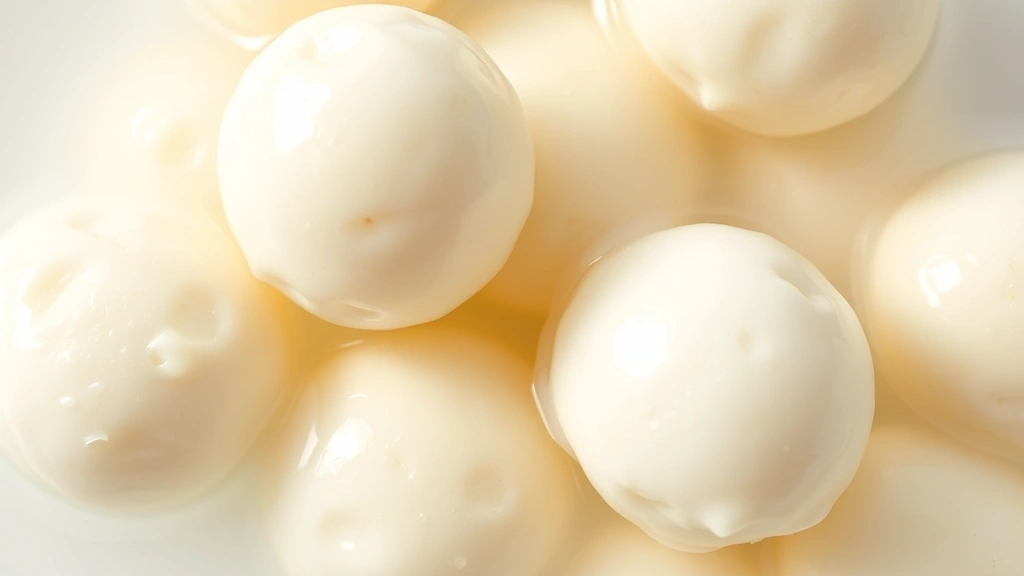
Mozzarella Cheese Benefits: What Diet Experts Really Say About This Dairy Staple
Mozzarella cheese has become a cornerstone of modern diets, from casual pizza nights to sophisticated culinary creations. Yet beyond its delicious taste and melting texture lies a complex nutritional profile that deserves serious examination. Diet experts and nutritionists have increasingly focused on understanding how mozzarella cheese nutrition impacts overall health, particularly as consumers seek to balance indulgence with wellness. This comprehensive guide explores what the research actually reveals about mozzarella’s benefits, limitations, and optimal consumption patterns based on current dietary science.
The conversation around mozzarella cheese extends far beyond simple calorie counting. Modern nutrition science recognizes that dairy products like mozzarella contain bioactive compounds, essential minerals, and proteins that contribute meaningfully to bodily functions. However, the saturated fat content and sodium levels also demand consideration within the context of individual dietary goals and health conditions. By examining evidence-based insights from nutrition professionals, we can develop a nuanced understanding of how mozzarella fits into various dietary approaches, from ketogenic plans to Mediterranean eating patterns.
Nutritional Composition and Macronutrient Profile
Understanding mozzarella cheese nutrition requires examining its complete macronutrient breakdown. A standard one-ounce serving of whole milk mozzarella contains approximately 85 calories, 6 grams of protein, 6.3 grams of fat, and minimal carbohydrates. This composition makes mozzarella relatively protein-dense compared to many other cheeses, positioning it favorably for those pursuing nutrition for athletes and performance optimization.
The micronutrient content deserves equal attention. Mozzarella delivers significant quantities of calcium, phosphorus, selenium, and vitamin B12. These minerals play crucial roles in metabolic processes, immune function, and cellular repair mechanisms. According to research published by the National Institutes of Health, the bioavailability of minerals in dairy cheese facilitates superior absorption compared to supplemental sources, making mozzarella an efficient nutritional vehicle for essential micronutrients.
Fresh mozzarella varieties differ markedly from aged versions in their nutritional profiles. Water content ranges from 50-52% in fresh mozzarella compared to 35-40% in low-moisture varieties, affecting caloric density and mineral concentration. This distinction matters significantly when incorporating mozzarella into a healthy nutrition plan tailored to individual goals.
Protein Content and Muscle Development
Mozzarella’s protein concentration positions it as a valuable dietary component for muscle synthesis and recovery. The complete protein profile contains all nine essential amino acids, making it a true complete protein source. For individuals engaged in resistance training or seeking to maintain lean muscle mass during caloric restriction, mozzarella offers a practical food source that delivers approximately 7 grams of protein per ounce in low-moisture varieties.
Diet experts increasingly recommend incorporating cheese strategically within athlete nutrition protocols that emphasize whole foods over processed supplements. The leucine content in mozzarella—an amino acid critical for activating muscle protein synthesis—aligns with current understanding of optimal protein distribution throughout the day. Research from the American Journal of Clinical Nutrition demonstrates that consuming 20-40 grams of protein per meal, distributed across multiple eating occasions, maximizes muscle protein synthesis rates. A single ounce of mozzarella contributes meaningfully to these targets without excessive caloric burden.
The timing of mozzarella consumption relative to training sessions influences its effectiveness for muscle development. Pairing mozzarella with carbohydrate sources amplifies the insulin response necessary for nutrient transport into muscle cells. This principle explains why traditional combinations—mozzarella with whole grain bread, or paired with tomato-based dishes containing natural sugars—represent nutritionally sound eating patterns beyond mere culinary preference.
Calcium and Bone Health Benefits
Calcium bioavailability from dairy sources like mozzarella surpasses that from many plant-based alternatives, a distinction that diet professionals emphasize when addressing bone health concerns. A single ounce of mozzarella provides approximately 200-210 milligrams of calcium, representing roughly 20% of the recommended daily intake for adults. This concentration becomes particularly relevant for populations at elevated osteoporosis risk, including postmenopausal women and older adults.
The synergistic relationship between calcium and other bone-supporting nutrients found in mozzarella creates comprehensive skeletal support. Phosphorus works alongside calcium in hydroxyapatite formation—the mineral matrix providing bone structural integrity. Vitamin K2, present in cheese produced from grass-fed dairy sources, activates osteocalcin, a protein essential for directing calcium into bone tissue rather than soft tissues. This mechanism explains why whole-food dairy sources often outperform isolated calcium supplementation in epidemiological studies tracking bone health outcomes.
Research published in Nutrients journal indicates that fermented dairy products like aged mozzarella contain lower lactose levels while retaining mineral density, making them suitable for individuals with lactose sensitivity who still require dietary calcium sources. The casein proteins in mozzarella also demonstrate potential benefits for intestinal calcium absorption through mechanisms distinct from other protein sources.
Fat Content: Understanding the Full Picture
The saturated fat component of mozzarella cheese nutrition generates considerable discussion among nutrition professionals. Conventional dietary guidance historically emphasized limiting saturated fat intake, yet contemporary research presents a more nuanced perspective. Approximately 3.7 grams of the 6.3 grams of total fat in one ounce of mozzarella comes from saturated sources, predominantly palmitic and oleic acids.
Recent meta-analyses and systematic reviews challenge the simplistic “saturated fat equals cardiovascular risk” narrative that dominated previous decades. A comprehensive review published in the British Medical Journal found that the relationship between saturated fat consumption and cardiovascular disease risk varies substantially based on food source, overall dietary patterns, and individual metabolic factors. Whole-food dairy sources like mozzarella demonstrate different health associations compared to processed foods high in saturated fat.
The presence of conjugated linoleic acid (CLA) in mozzarella, particularly from grass-fed sources, contributes to a more favorable health profile. CLA demonstrates potential anti-inflammatory properties and may support metabolic function through mechanisms distinct from its saturated fat composition. Additionally, the fat-soluble vitamins A, D, and E present in mozzarella require dietary fat for proper absorption, highlighting how the fat content facilitates nutrient bioavailability rather than merely adding calories.
Portion control remains the practical consideration separating mozzarella’s benefits from potential excessive consumption patterns. Diet experts recommend treating mozzarella as a concentrated nutrient source rather than an unlimited food, with typical serving sizes of one to two ounces providing meaningful nutritional contributions without excessive caloric accumulation. This aligns with comprehensive healthy nutrition planning approaches that emphasize food quality and portion appropriateness.
Mozzarella in Different Diet Types
Ketogenic and low-carbohydrate dietary approaches have embraced mozzarella as a foundational food due to its negligible carbohydrate content and favorable macronutrient ratios. The 7:1 fat-to-carbohydrate ratio in mozzarella aligns precisely with ketogenic macronutrient targets, making it a dietary staple for individuals pursuing metabolic adaptation and ketone production. Mozzarella’s versatility in keto applications—from cheese crisps to mozzarella-based fat bombs—demonstrates practical utility within this eating framework.
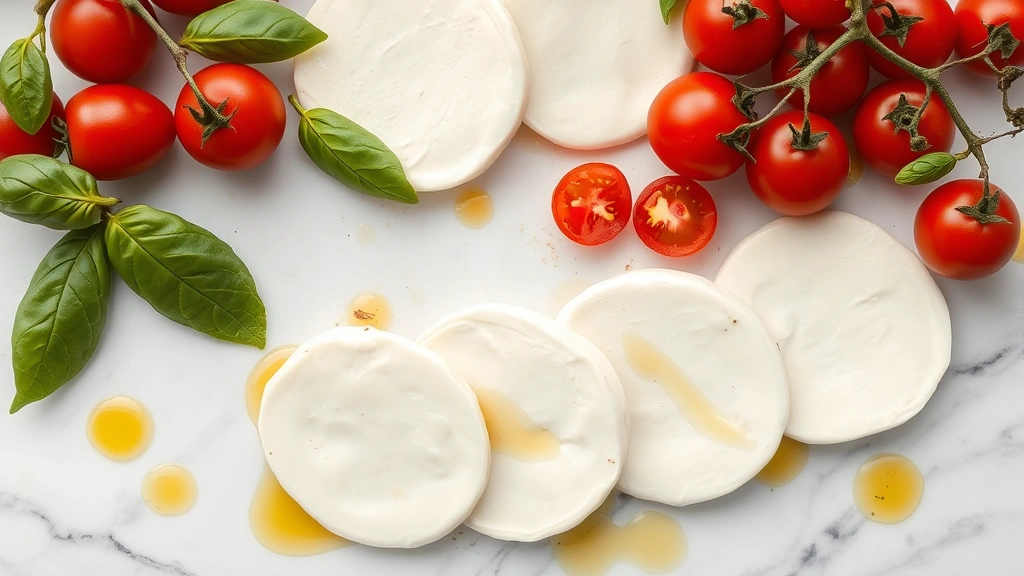
Mediterranean diet adherents incorporate mozzarella strategically, though traditional Mediterranean patterns emphasize fresh mozzarella paired with tomatoes, basil, and olive oil. This combination creates synergistic nutritional benefits, as the lycopene in tomatoes (a fat-soluble antioxidant) absorbs more efficiently when consumed alongside dietary fat from mozzarella and olive oil. The integration of mozzarella within this context exemplifies how comprehensive dietary approaches incorporating diverse whole foods create superior health outcomes compared to isolated nutrient focus.
High-protein diet protocols frequently incorporate mozzarella as a convenient protein source. Individuals pursuing body composition changes through resistance training and caloric deficit often utilize mozzarella’s protein density to maintain satiety while managing total energy intake. The versatility of mozzarella in both sweet and savory applications allows integration across multiple meals and snacking occasions without dietary monotony.
Paleo and whole-food focused dietary approaches vary in their mozzarella integration based on individual interpretation. While some paleo practitioners exclude all dairy, others recognize fermented or aged cheese as acceptable given the elimination of lactose and introduction of beneficial bacteria during fermentation. The flexibility of mozzarella’s nutritional composition allows adaptation across diverse dietary philosophies without compromising core principles.
Expert Recommendations for Optimal Consumption
Registered Dietitian Nutritionists (RDNs) and nutrition researchers converge on several evidence-based recommendations regarding mozzarella cheese nutrition. The first principle emphasizes whole-food mozzarella over processed cheese products, which contain added emulsifiers, sodium, and refined ingredients that diminish nutritional quality. Artisanal and minimally processed mozzarella varieties retain superior nutrient profiles and lack the additives characteristic of mass-produced alternatives.
Sourcing considerations significantly impact mozzarella’s nutritional composition. Cheese produced from grass-fed dairy sources contains elevated levels of conjugated linoleic acid, omega-3 fatty acids, and fat-soluble vitamins compared to grain-fed sources. These distinctions may appear subtle in isolated nutrient analyses but accumulate meaningfully across consistent dietary patterns. Diet professionals increasingly recommend prioritizing grass-fed dairy when feasible within individual budgetary constraints.
Storage and preparation methods influence mozzarella’s nutritional integrity. Excessive heating above 140°F can denature proteins and damage heat-sensitive vitamins, suggesting that fresh mozzarella applications—such as Caprese salads or fresh preparations—preserve nutritional value more effectively than prolonged cooking. When mozzarella must be heated, moderate temperatures and shorter cooking durations minimize nutrient degradation.
Individual health status requires consideration when determining optimal mozzarella consumption. Individuals with elevated blood pressure should monitor sodium intake carefully, as mozzarella contains approximately 178 milligrams of sodium per ounce, contributing substantially to daily limits. Those with cardiovascular disease history may benefit from consulting with nutrition professionals regarding saturated fat distribution across their dietary patterns. Individuals with lactose intolerance can typically tolerate mozzarella due to its low lactose content, though individual responses vary considerably.
The integration of mozzarella within broader dietary patterns matters more than isolated nutrient analysis. Consumption alongside adequate vegetable intake, whole grains, and diverse protein sources creates dietary synergy that amplifies health benefits. Conversely, excessive mozzarella consumption within patterns dominated by processed foods and refined carbohydrates negates potential advantages. This principle underscores why comprehensive nutrition approaches addressing total dietary patterns produce superior outcomes compared to single-nutrient or single-food focus.
Practical portion guidance from nutrition experts typically recommends limiting mozzarella to one to two ounces daily for most individuals, equivalent to one small handful or a standard serving of cheese. This quantity provides meaningful nutritional contributions—approximately 7-14 grams of protein, 200-400 milligrams of calcium, and essential micronutrients—without excessive caloric accumulation or sodium burden. Individuals pursuing specific body composition or performance goals may adjust portions upward or downward based on overall dietary macronutrient distribution and individual tolerance.

FAQ
Is mozzarella cheese healthy for daily consumption?
Mozzarella can be incorporated into daily diets when consumed in appropriate portions (one to two ounces) and within the context of balanced eating patterns. Its protein, calcium, and micronutrient density provide meaningful nutritional contributions. However, individuals with specific health conditions—such as hypertension or cardiovascular disease—should consult healthcare providers regarding optimal consumption levels based on their individual circumstances.
How does mozzarella compare nutritionally to other cheese varieties?
Mozzarella offers moderate protein density and relatively lower fat concentration compared to aged cheeses like cheddar or parmesan. Its fresher varieties contain higher moisture content, reducing caloric density per serving. The specific nutritional profile depends on whether mozzarella is fresh or low-moisture, and whether it derives from whole or skim milk sources.
Does mozzarella support weight loss efforts?
Mozzarella’s high protein content and satiety-promoting properties can support weight management when incorporated into calorie-controlled dietary patterns. The protein stimulates thermogenesis and helps maintain lean muscle mass during caloric deficit. However, its caloric density requires portion awareness—mozzarella should be measured rather than consumed ad libitum to prevent inadvertent overconsumption.
Can individuals with lactose intolerance eat mozzarella?
Most individuals with lactose intolerance tolerate mozzarella well due to its minimal lactose content (less than 0.1 grams per ounce), though responses vary individually. Fresh mozzarella typically contains slightly more lactose than low-moisture varieties due to higher water content. Individuals should experiment cautiously to determine personal tolerance levels.
What preparation methods maximize mozzarella’s nutritional value?
Fresh preparations—such as Caprese salads, pairing with vegetables, or consuming at room temperature—preserve mozzarella’s nutritional integrity better than prolonged heating. When mozzarella must be cooked, moderate temperatures and brief cooking times minimize nutrient degradation. Combining mozzarella with antioxidant-rich foods like tomatoes, basil, and olive oil creates complementary nutritional synergy.
Is grass-fed mozzarella worth the premium cost?
Grass-fed mozzarella contains elevated levels of conjugated linoleic acid, omega-3 fatty acids, and certain vitamins compared to grain-fed sources. While these differences may appear modest in isolation, they accumulate meaningfully across consistent consumption. Prioritizing grass-fed sources when feasible represents a practical approach to optimizing nutritional quality, though conventional mozzarella remains nutritionally valuable.


