Celebrate National Nutrition Month! Expert Tips Inside
March marks National Nutrition Month, an annual observance dedicated to promoting awareness about the critical role nutrition plays in maintaining optimal health and preventing chronic diseases. Established by the Academy of Nutrition and Dietetics, this month-long celebration encourages millions of people worldwide to examine their dietary choices and make meaningful improvements to their eating habits. Whether you’re looking to enhance your wellness journey or simply curious about nutrition science, National Nutrition Month provides the perfect opportunity to learn from experts and transform your relationship with food.
The theme of National Nutrition Month changes annually to address current health priorities and emerging nutritional science. This year’s focus emphasizes practical, accessible strategies that help individuals of all ages and backgrounds make informed food choices. From understanding food labels to discovering the benefits of plant-based eating, this month offers evidence-based guidance that can lead to lasting lifestyle changes. The celebration brings together registered dietitian nutritionists, healthcare professionals, and nutrition educators who share their expertise through workshops, webinars, and community initiatives.

Understanding National Nutrition Month: History and Purpose
National Nutrition Month was first established in 1973 by the American Dietetic Association, now known as the Academy of Nutrition and Dietetics. What began as a single week celebration evolved into a full month of awareness and education, reflecting the growing recognition that nutrition deserves sustained attention rather than fleeting acknowledgment. The initiative emerged during a period of increasing interest in preventive health care, as medical professionals and researchers documented the profound connection between diet and disease prevention.
The purpose of National Nutrition Month extends beyond simple calorie counting or fad diet promotion. Instead, it advocates for a holistic approach to nutrition that considers individual needs, cultural preferences, and lifestyle factors. nutrition education resources emphasize that optimal health requires understanding how different nutrients work together in the body. The month-long observance creates a supportive environment where people feel encouraged to ask questions, seek professional guidance, and commit to sustainable dietary improvements.
Each year, the Academy of Nutrition and Dietetics selects a theme that addresses pressing health concerns. Recent themes have focused on topics such as “Intuitive Eating,” “Protect Your Nutrition,” and “Fuel Your Fitness,” each designed to resonate with diverse audiences and encourage meaningful engagement. These themes are supported by research from leading health organizations, including CDC nutrition programs and American Heart Association dietary guidelines.

Expert Tips for Better Nutrition Habits
Registered Dietitian Nutritionists (RDNs) recommend several evidence-based strategies for improving dietary quality. The first principle involves prioritizing whole foods over processed alternatives. Whole foods—fruits, vegetables, legumes, nuts, seeds, and unrefined grains—contain naturally occurring nutrients, fiber, and phytonutrients that work synergistically to support health. When foods undergo extensive processing, they often lose nutritional density while gaining added sugars, sodium, and unhealthy fats.
Another critical recommendation focuses on hydration and mindful beverage choices. Water remains the optimal choice for daily hydration, yet many people inadvertently consume excessive calories and sugar through sweetened beverages. Experts suggest replacing sugary drinks with water, unsweetened tea, or sparkling water flavored with fresh citrus. This simple swap can dramatically reduce daily calorie and sugar intake without requiring complex meal planning.
Understanding nutrition facts about avocados and other nutrient-dense foods helps individuals recognize quality protein sources and healthy fats. Avocados, fatty fish, nuts, and seeds provide essential fatty acids that support brain function, reduce inflammation, and promote cardiovascular health. Many people mistakenly avoid these foods due to their fat content, missing out on crucial nutrients that support overall wellness.
Portion control and mindful eating practices also feature prominently in expert recommendations. Rather than strict calorie restriction, nutrition professionals encourage awareness of hunger and satiety cues. This approach, supported by American Psychological Association research on eating behaviors, helps people develop a healthier relationship with food and reduce overeating patterns.
Building Balanced Meals: The Essential Food Groups
Nutrition experts universally recommend a balanced approach that incorporates all major food groups. The USDA MyPlate model provides a visual framework for understanding appropriate proportions: approximately one-quarter of your plate should contain protein, one-quarter grains (preferably whole grains), and one-half vegetables and fruits. This simple visual tool helps people quickly assess whether their meals contain adequate variety and nutritional balance.
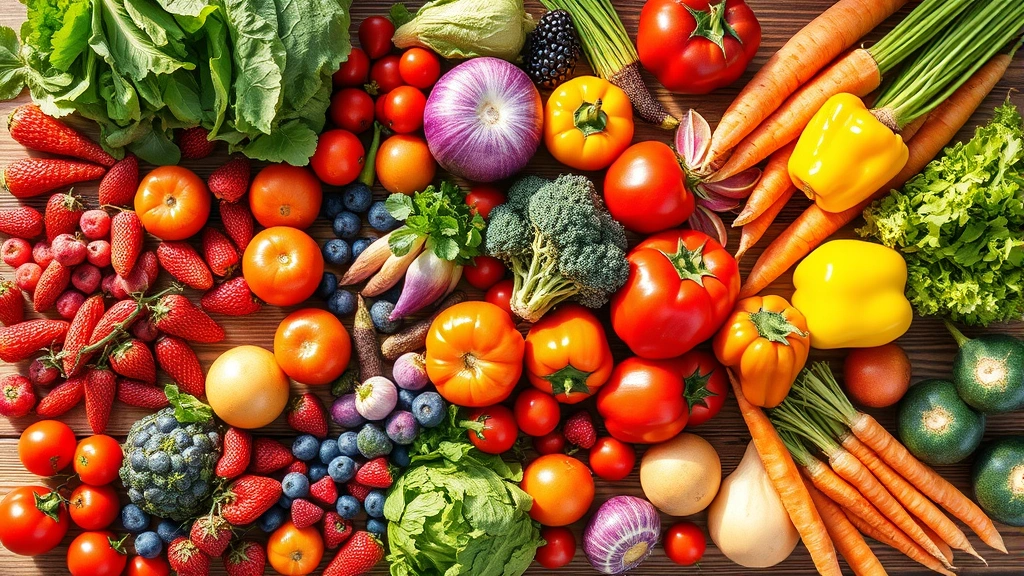
Vegetables and Fruits should comprise the largest portion of daily intake, with recommendations of 2.5 to 3 cups of vegetables and 1.5 to 2 cups of fruit daily. Different colored produce offers distinct nutrient profiles: orange and yellow vegetables contain beta-carotene, dark leafy greens provide iron and calcium, and red fruits contain lycopene and anthocyanins. Eating a rainbow of colors ensures diverse micronutrient intake.
Whole Grains deserve special attention in contemporary nutrition discussions. Unlike refined grains that have been stripped of bran and germ, whole grains retain all three components, providing sustained energy, fiber, and B vitamins. dietary fiber importance cannot be overstated—adequate fiber intake supports digestive health, helps maintain healthy cholesterol levels, and promotes satiety. Aiming for at least half of daily grain intake from whole grain sources aligns with current nutritional science.
Protein sources extend well beyond meat and poultry. Legumes, including beans, lentils, and chickpeas, offer complete or complementary amino acid profiles along with significant fiber content. Plant-based proteins, dairy products, eggs, and fish each contribute unique nutrient combinations. Varying protein sources throughout the week ensures exposure to different micronutrients and supports sustainable eating patterns.
Healthy fats round out balanced nutrition, with recommendations to limit saturated fat to less than 10% of daily calories while incorporating unsaturated fats from sources like olive oil, avocados, and nuts. The Mediterranean dietary pattern, consistently ranked among healthiest eating approaches, emphasizes olive oil, fish, and plant-based foods while limiting red meat consumption.
Mindful Eating and Sustainable Food Choices
National Nutrition Month increasingly emphasizes the psychological and behavioral dimensions of eating, recognizing that sustainable nutrition improvements require more than nutritional knowledge alone. Mindful eating practices encourage individuals to slow down, appreciate food, and tune into internal hunger and fullness signals. This approach contrasts sharply with distracted eating—consuming meals while working, watching screens, or multitasking—which often leads to overconsumption and diminished satisfaction.
Practical mindful eating strategies include sitting at a table without distractions, chewing thoroughly (nutrition experts recommend 20-30 chews per bite), and pausing halfway through meals to assess fullness. These simple practices enhance digestion, improve nutrient absorption, and create more satisfying eating experiences. Research demonstrates that individuals who eat mindfully report greater food satisfaction while consuming fewer total calories.
Sustainable food choices also consider environmental impact and food systems. Local and seasonal eating reduces transportation emissions while supporting regional farmers and providing fresher produce. Reducing food waste through better meal planning, proper storage techniques, and creative use of vegetable scraps aligns personal nutrition goals with environmental responsibility. digestive health optimization extends beyond individual meals to encompass overall lifestyle patterns that support gut microbiome diversity.
The concept of food accessibility and food justice also features in contemporary National Nutrition Month discussions. Nutrition professionals recognize that dietary recommendations must account for economic constraints, food deserts, cultural preferences, and individual circumstances. Expert-driven initiatives increasingly focus on making nutritious foods affordable and accessible to all communities, acknowledging that optimal nutrition cannot be separated from equity and social determinants of health.
Debunking Common Nutrition Myths
Despite widespread nutrition information, numerous myths persist and often confuse people attempting to improve their diets. Myth: All fats are unhealthy. Reality: Dietary fat is essential for hormone production, nutrient absorption, and brain function. The type of fat matters more than total quantity—unsaturated fats from nuts, seeds, and fish support health, while trans fats and excessive saturated fat warrant limitation.
Myth: Carbohydrates should be eliminated. Reality: Whole grain carbohydrates provide essential energy, fiber, and micronutrients. The quality of carbohydrates matters significantly—refined carbohydrates differ substantially from fiber-rich whole grains in their nutritional impact. nutrition for athletes often emphasizes carbohydrate importance for sustained performance and recovery.
Myth: Eating after 8 PM causes weight gain. Reality: Total daily calorie intake and expenditure determine weight changes, not meal timing. While late-night eating might contribute to excess intake if it involves high-calorie snacks, the time of consumption itself doesn’t inherently cause weight gain. Individual meal timing should align with personal schedules and hunger patterns.
Myth: Certain foods “burn fat” or “detoxify.” Reality: The body possesses sophisticated detoxification systems through the liver and kidneys—no food can meaningfully enhance these processes. Claims about fat-burning foods oversimplify complex metabolic processes. Instead, focus on whole foods, adequate water intake, and movement to support natural bodily functions.
Myth: Organic foods are always more nutritious. Reality: While organic production may reduce pesticide residues, nutritional content depends primarily on crop variety, soil quality, and harvest timing rather than organic certification. Both conventional and organic produce offer nutritional benefits; the most important factor is consuming adequate quantities of varied fruits and vegetables.
Implementing Change: Practical Steps for March and Beyond
National Nutrition Month provides momentum for dietary change, but lasting improvements require structured implementation. Start with assessment: Track your current eating patterns for three to five days without judgment. Note meals, snacks, beverages, and hunger levels. This baseline understanding reveals patterns and opportunities for improvement more effectively than relying on memory or assumptions.
Next, set specific, achievable goals rather than vague intentions. Instead of “eat healthier,” commit to concrete targets: “add one additional vegetable serving daily,” “replace one sugary beverage with water,” or “prepare home-cooked meals four nights weekly.” Small, incremental changes prove more sustainable than dramatic overhauls that often prove unsustainable.
Meal planning and preparation significantly increase success rates. Dedicating a few hours weekly to planning meals, creating shopping lists, and preparing components (chopped vegetables, cooked grains, portioned proteins) removes decision fatigue and reduces reliance on convenience foods. healthy nutrition plans work best when personalized to individual preferences, schedules, and cultural traditions.
Seek professional guidance when needed. Registered Dietitian Nutritionists provide evidence-based, personalized recommendations addressing individual health conditions, medications, and goals. Many insurance plans cover nutrition counseling, making professional support more accessible than commonly realized. For specific health concerns, medical nutrition therapy from qualified professionals proves invaluable.
Build accountability and support systems. Share nutrition goals with friends, family, or online communities. Preparing meals with others, joining cooking classes, or participating in workplace wellness programs creates social reinforcement. Research consistently demonstrates that social support significantly increases adherence to dietary changes.
Finally, celebrate progress and practice self-compassion. Perfectionism often sabotages long-term success. Occasional indulgences fit within balanced nutrition—the pattern of choices across days and weeks matters more than individual meals. National Nutrition Month celebrates progress, not perfection, encouraging individuals to view nutrition as a lifelong journey of learning and growth.
FAQ
What exactly is National Nutrition Month?
National Nutrition Month is an annual observance established by the Academy of Nutrition and Dietetics each March to promote nutrition awareness and encourage people to make informed dietary choices. It features educational campaigns, professional events, and community initiatives highlighting the importance of nutrition for health and disease prevention.
Who should participate in National Nutrition Month?
National Nutrition Month welcomes everyone—individuals seeking to improve their health, parents wanting to establish better family eating habits, healthcare professionals, educators, and anyone interested in nutrition science. The month provides resources and information accessible to all age groups and backgrounds.
How can I find credible nutrition information?
Seek information from registered Dietitian Nutritionists (RDNs), the Academy of Nutrition and Dietetics, CDC nutrition programs, and peer-reviewed scientific journals. Be skeptical of claims promising dramatic results, quick fixes, or elimination of entire food groups. Credible sources acknowledge complexity and individual variation.
Can I improve my nutrition without completely overhauling my diet?
Absolutely. Small, incremental changes prove more sustainable than dramatic transformations. Start with one or two specific goals—such as adding vegetables to one meal daily or replacing sugary drinks—and build from there. Sustainable nutrition improvement happens gradually.
Is professional nutrition counseling necessary?
While general nutrition knowledge supports healthy choices, professional guidance proves particularly valuable for individuals with chronic health conditions, food allergies, specific performance goals, or those struggling with disordered eating patterns. Registered Dietitian Nutritionists provide personalized, evidence-based recommendations tailored to individual circumstances.
How do I maintain nutrition improvements after March?
View National Nutrition Month as launching point rather than isolated event. Maintain momentum through continued meal planning, regular grocery shopping, cooking at home, and periodic reassessment of goals. Building nutrition into daily routines—rather than treating it as temporary project—supports long-term success.


