
Are Noodles & Company Healthy? A Dietitian’s Complete Nutrition Analysis
Noodles & Company has become a go-to casual dining destination for quick, customizable noodle bowls and pasta dishes. With locations across North America, the chain attracts health-conscious diners seeking alternatives to traditional fast food. But the critical question remains: can you eat at Noodles & Company while maintaining a balanced healthy nutrition plan? This comprehensive analysis examines the nutritional landscape of Noodles & Company menu items, revealing both opportunities and challenges for different dietary goals.
The answer isn’t straightforward. While Noodles & Company offers significantly more transparency and customization options than many quick-service restaurants, the nutritional quality of menu items varies considerably. Some dishes align well with evidence-based nutrition principles, while others pack concerning levels of sodium, added sugars, and calories. Understanding how to navigate their menu strategically can help you make informed choices that support your health objectives.
Noodles & Company Nutritional Overview
Noodles & Company operates with a business model centered on fast-casual customization, allowing customers to build bowls with various noodle bases, proteins, vegetables, and sauces. This flexibility presents both advantages and disadvantages from a nutrition perspective. The chain publishes comprehensive nutritional information for all menu items, which is commendable transparency compared to many competitors.
The restaurant’s menu structure includes several categories: traditional noodle bowls (Asian-inspired), pasta bowls (Italian-influenced), and zucchini noodle alternatives. Each category contains items ranging from approximately 400 calories to over 1,200 calories per serving. The presence of nutritious ingredients like avocados, fresh vegetables, and whole grain options demonstrates commitment to diverse dietary preferences.
However, the default preparations often feature high-sodium broths, creamy sauces with added fats, and generous portions that can exceed recommended daily intakes for sodium in a single meal. According to American Heart Association guidelines, most adults should consume no more than 2,300 mg of sodium daily, yet a single Noodles & Company bowl frequently contains 1,200-1,800 mg.
Calorie Content Analysis Across Menu Categories
Calorie density varies significantly across Noodles & Company’s offerings. Understanding these variations helps establish realistic expectations for meal planning and energy balance goals.
Noodle Bowls (Asian): These dishes typically range from 480 to 1,050 calories, depending on protein selection and sauce type. The Japanese Pan Noodles with shrimp contains approximately 480 calories, while the Spicy Korean Beef Noodles reaches 820 calories. Creamy options like the Bangkok Curry typically exceed 900 calories due to coconut milk content.
Pasta Bowls (Italian): Traditional pasta preparations tend toward higher calorie counts, ranging from 620 to 1,250 calories. The Buttered Noodles represent the lower end at 620 calories, while Alfredo-based dishes approach or exceed 1,100 calories. These higher calorie counts reflect both portion sizes and sauce compositions heavy in butter and cream.
Zucchini Noodle Options: These represent the most calorie-conscious choices, typically ranging from 280 to 520 calories. The Zucchini Noodles with Japanese Pan Sauce contains approximately 380 calories, making them suitable for lower-calorie dietary approaches. However, these options may not provide sufficient satiety for all consumers due to lower carbohydrate content.
For context, a typical 2,000-calorie daily intake suggests lunch should represent 25-35% of daily calories, or 500-700 calories. This framework means many Noodles & Company items constitute appropriate single meals, while others approach or exceed reasonable lunch allocations.
Sodium Levels and Health Implications
Sodium emerges as the most concerning nutritional factor across Noodles & Company’s menu. This reflects broader patterns in quick-service restaurant nutrition, where sodium serves as a flavor enhancer and preservative.
Analysis of menu items reveals troubling sodium concentrations:
- Highest sodium dishes: Japanese Pan Noodles (1,910 mg), Spicy Korean Beef Noodles (1,750 mg), and Pad Thai (1,880 mg) exceed 75% of recommended daily sodium intake in single servings
- Moderate sodium options: Several Asian bowls fall between 1,200-1,500 mg sodium, still representing 50-65% of daily recommendations
- Lower sodium alternatives: Zucchini noodle bowls typically contain 600-900 mg sodium, though still substantial
Chronic excessive sodium consumption correlates with hypertension, cardiovascular disease, and kidney stress. Research from the Centers for Disease Control and Prevention indicates that approximately 90% of Americans consume sodium levels exceeding recommendations, with quick-service restaurants significantly contributing to this excess.
The sodium issue becomes particularly acute for individuals with hypertension, heart disease, or kidney conditions. For these populations, Noodles & Company consumption requires careful menu selection and portion modification strategies discussed later in this analysis.
Protein Quality and Macronutrient Balance
Protein content represents a genuine strength in Noodles & Company’s nutritional profile. Most bowls contain 18-35 grams of protein per serving, supporting satiety and muscle maintenance. The variety of protein sources—including chicken, beef, shrimp, tofu, and plant-based options—accommodates diverse dietary preferences and ethical considerations.
However, macronutrient balance varies considerably. Many signature dishes skew heavily toward carbohydrates, with protein and fat representing smaller proportions. For individuals following lower-carbohydrate approaches or seeking specific macronutrient ratios, this requires menu customization.
The nutrient absorption profile also deserves consideration. Consuming adequate fat facilitates absorption of fat-soluble vitamins (A, D, E, K) found in vegetables. While many Noodles & Company preparations include sufficient fat through oils and proteins, the balance between absorption-supporting fats and cardiovascular-concerning excess fat varies.
Micronutrient density presents another consideration. While bowls contain vegetables contributing vitamins and minerals, the processing, cooking methods, and small vegetable quantities may reduce bioavailable nutrient content compared to whole-food preparations.
Healthiest Menu Options by Category
Best Asian Noodle Choices:
The Japanese Pan Noodles with Shrimp represents an optimal balance of nutrition metrics: 480 calories, 24g protein, 1,910 mg sodium (the sodium remains elevated but acceptable for occasional consumption). The Spicy Korean Beef Noodles, while higher in calories at 820, provides excellent satiety through higher protein content.
The Enoki Mushroom Noodles (vegetarian option) offers approximately 420 calories with moderate sodium at 1,240 mg, suitable for plant-based consumers seeking lighter options.
Best Pasta Selections:
The Buttered Noodles, while seemingly basic, provides 620 calories with 18g protein and lower sodium at 1,190 mg—a reasonable option for those seeking traditional pasta experiences with controlled portions.
The Spicy Korean Beef Noodles translated to pasta format offers similar nutritional advantages as the Asian version, balancing calories, protein, and sodium more favorably than Alfredo preparations.
Best Zucchini Noodle Options:
The Zucchini Noodles with Japanese Pan Sauce delivers approximately 380 calories with 16g protein and 840 mg sodium—the most favorable combination of metrics across the entire menu. These options suit individuals prioritizing carbohydrate restriction, calorie control, or sodium limitation.
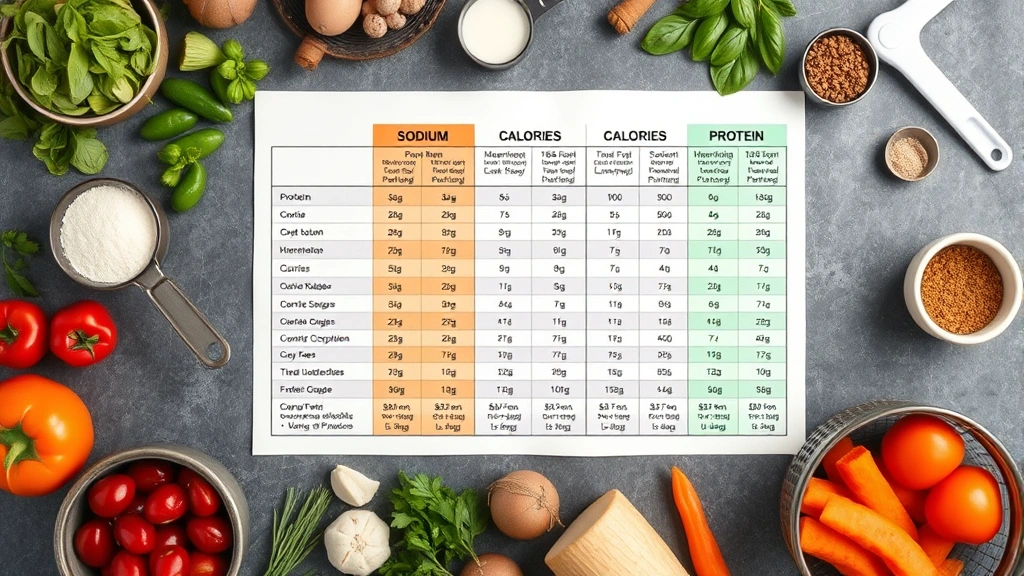
Customization Strategies for Better Nutrition
Noodles & Company’s customization infrastructure enables significant nutritional optimization. Understanding leverage points allows strategic modifications without sacrificing palatability.
Protein Optimization: Selecting higher-protein options (beef, shrimp) over lower-protein choices, or requesting double protein, increases satiety and supports muscle maintenance. This proves particularly valuable for individuals following strategic nutrition protocols requiring elevated protein intake.
Sauce Reduction: Requesting half or light sauce portions dramatically reduces sodium, calories, and added sugars. A full sauce serving often contributes 400-600 calories and 600-900 mg sodium; halving this represents meaningful nutritional improvement.
Vegetable Enhancement: Adding double vegetables increases fiber, micronutrients, and satiety with minimal caloric impact. Most vegetables contribute 10-20 calories per serving while providing beneficial compounds.
Broth Selection: Choosing clear broths over cream-based options reduces saturated fat and calories. The difference between a clear Japanese broth and creamy Alfredo-style sauce can represent 300+ calories and significant saturated fat reduction.
Noodle Base Alternatives: Substituting regular noodles with zucchini noodles reduces calories by 40-50% while maintaining volume and satiety through increased fiber. This modification suits calorie-restricted or lower-carbohydrate approaches.
Portion Management: Requesting smaller portions or splitting entrees with dining companions controls caloric and sodium intake. Many bowls contain sufficient calories for two moderate portions.
Comparing Noodles & Company to Competitors
Contextualizing Noodles & Company’s nutritional profile against competitors provides valuable perspective. The quick-casual noodle and pasta segment includes several players with distinct nutritional characteristics.
Versus Traditional Fast Food: Noodles & Company generally offers superior nutritional transparency and customization compared to traditional fast-food chains. Menu items typically contain more whole ingredients, more vegetable content, and greater protein variety. However, sodium levels remain comparably problematic across the category.
Versus Chipotle and Similar Bowls: Customizable bowl chains like Chipotle enable similar nutritional optimization through ingredient selection. However, Noodles & Company’s sauce-heavy preparations may require more aggressive modification to achieve comparable nutritional profiles. Chipotle’s emphasis on fresh vegetables and controllable portions provides advantages for certain dietary approaches.
Versus Asian Casual Dining: Independent or regional Asian restaurants often provide lower-sodium options and more authentic ingredient selections. However, Noodles & Company’s consistent nutritional transparency offers advantages for tracking and planning.
The most significant distinction involves nutritional information accessibility. Noodles & Company publishes complete nutritional data for all items, enabling informed decision-making. Many competitors lack comparable transparency, making Noodles & Company relatively advantageous for health-conscious consumers.
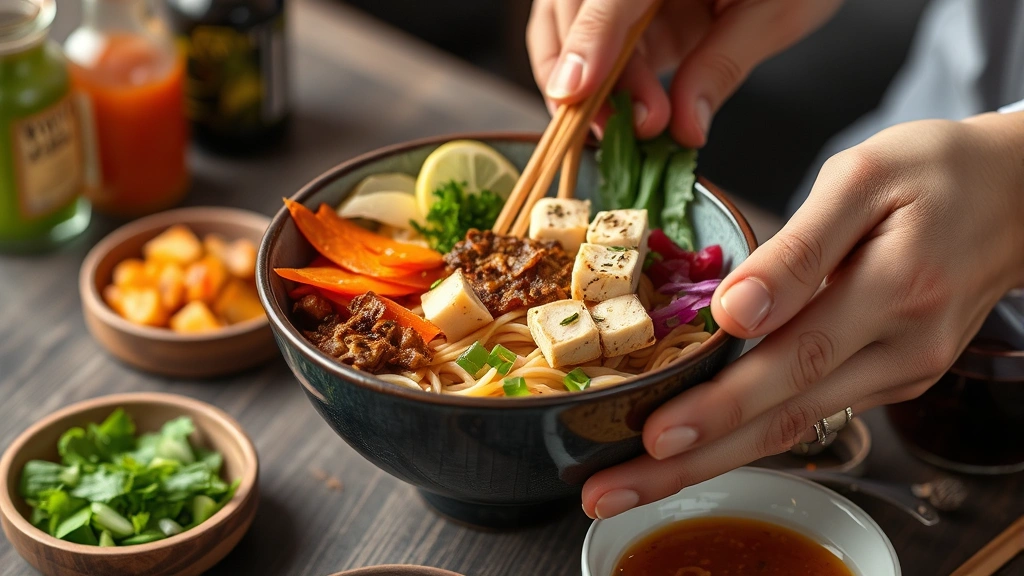
Ultimately, Noodles & Company represents a reasonable option within the quick-casual dining landscape when approached strategically. The combination of customization capabilities, nutritional transparency, and diverse menu options enables alignment with various dietary objectives. However, the default preparations often require modification to optimize health outcomes, particularly regarding sodium reduction and macronutrient balancing.
For occasional consumption with thoughtful menu selection and customization, Noodles & Company can fit within balanced nutrition approaches. The key involves understanding nutritional content, leveraging customization strategically, and maintaining awareness of how individual meals contribute to overall dietary patterns. This analytical approach transforms Noodles & Company from a potentially problematic dining choice into a manageable option supporting broader health objectives.
FAQ
What is the lowest calorie option at Noodles & Company?
The Zucchini Noodles with Japanese Pan Sauce represents the lowest-calorie standard menu item at approximately 380 calories. This option also features favorable sodium levels compared to traditional noodle preparations, making it ideal for calorie-conscious consumers.
How can I reduce sodium at Noodles & Company?
Request light or half sauce portions, select clear broths over creamy preparations, and choose zucchini noodle bases instead of traditional noodles. These modifications collectively reduce sodium content by 30-50%, bringing individual meals within more reasonable ranges for sodium-restricted diets.
Does Noodles & Company offer vegetarian options?
Yes, the menu includes dedicated vegetarian options such as Enoki Mushroom Noodles and Zucchini Noodle preparations. Additionally, customers can customize any bowl with vegetarian protein substitutes or additional vegetables.
Is Noodles & Company suitable for weight loss?
Strategic menu selection and customization enable weight loss-compatible dining at Noodles & Company. Prioritizing lower-calorie options (zucchini noodles, light sauces), increasing protein content, and controlling portions creates calorie-deficit conditions supporting weight loss when integrated into broader dietary approaches.
What makes Noodles & Company better than typical fast food?
Noodles & Company provides superior nutritional transparency, customization capabilities, whole-ingredient emphasis, diverse protein options, and substantial vegetable content compared to traditional fast-food chains. However, sodium levels remain comparable concerns across both categories.
Can people with gluten sensitivity eat at Noodles & Company?
The restaurant offers limited gluten-free options, primarily zucchini noodle preparations and certain rice-based bowls. However, cross-contamination risks exist in shared kitchen facilities. Individuals with celiac disease should verify current protocols with restaurant staff before ordering.


