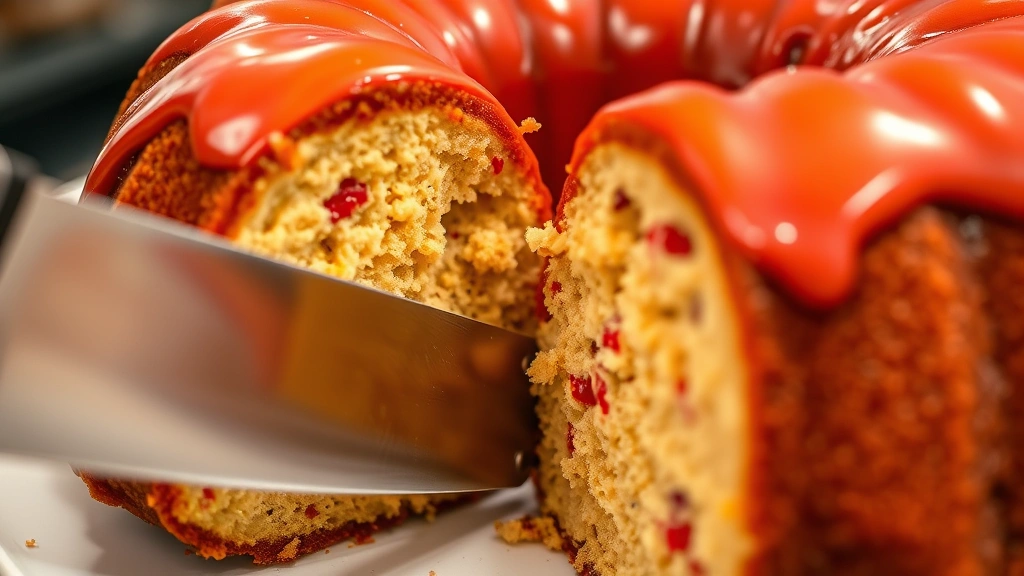
Nothing Bundt Cake Nutrition: Dietitian Insights
Nothing Bundt Cake has become a beloved destination for dessert enthusiasts seeking indulgent yet shareable treats. With locations expanding rapidly across North America, these customizable bundt cakes appeal to celebration seekers and casual snackers alike. However, understanding the nutritional profile of these confections is essential for consumers making informed dietary choices. This comprehensive guide examines Nothing Bundt Cake’s nutritional composition, ingredient analysis, and practical strategies for enjoying these desserts within a balanced diet.
As a registered dietitian nutritionist, I recognize the importance of transparency in food choices. While bundt cakes are inherently dessert items—meaning they’re not nutritional powerhouses—consumers deserve detailed information about what they’re consuming. Nothing Bundt Cake publishes nutrition facts for their standard offerings, but interpretation requires context about daily values, portion sizes, and individual dietary goals. This article deconstructs the numbers behind popular flavors and explores how these cakes fit into various dietary frameworks.
Caloric Content and Macronutrient Breakdown
Nothing Bundt Cake offers various cake sizes, with the most popular being their individual cake serving and specialty cakes designed for sharing. A standard individual bundt cake slice contains approximately 350-450 calories, depending on flavor and frosting type. This represents roughly 18-23% of a 2,000-calorie daily diet—a significant contribution from a single dessert item.
The macronutrient composition reveals that these cakes are predominantly carbohydrate-based, which aligns with traditional cake formulations. A typical slice contains 40-50 grams of carbohydrates, 15-20 grams of fat, and 3-5 grams of protein. The protein content is minimal, reflecting the absence of substantial protein sources in standard cake recipes. The fat content varies based on frosting choice, with cream cheese frostings contributing additional saturated fat compared to lighter glazes.
When evaluating macronutrient ratios, Nothing Bundt Cake cakes typically provide approximately 70-75% of calories from carbohydrates, 20-25% from fat, and 5-8% from protein. This distribution is consistent with conventional dessert products but differs significantly from recommendations in a healthy nutrition plan, which emphasizes balanced macronutrient distribution including adequate protein and healthy fats.
The caloric density becomes particularly relevant when considering portion sizes. A full bundt cake designed for 8-12 servings contains 2,800-3,600 total calories. Understanding these numbers helps consumers make conscious decisions about consumption frequency and portion allocation within their overall dietary intake.
Sugar Analysis and Glycemic Impact
Sugar content represents the most significant nutritional concern for Nothing Bundt Cake products. Individual cake slices contain 35-45 grams of added sugars, which exceeds the American Heart Association’s recommended daily limit for women (25 grams) in a single serving. For men, the recommendation is 36 grams daily, meaning one slice approaches or meets the entire daily allowance.
This elevated sugar content comes from multiple sources: the cake batter itself, the frosting, any glazes, and decorative elements. Vanilla cake with cream cheese frosting, for instance, contains approximately 40 grams of sugar per slice. Red velvet and confetti cakes often exceed this amount due to additional frosting layers and decorative sugars.
The glycemic impact of such concentrated sugar consumption is noteworthy. These cakes possess a high glycemic index, meaning they cause rapid blood glucose elevation. For individuals managing diabetes or prediabetes, consuming Nothing Bundt Cake requires careful planning and portion consideration. The lack of dietary fiber in these products means there’s minimal buffering effect on blood sugar response—glucose absorption occurs quickly and substantially.
Research from Pew Research Center on consumer food choices indicates that Americans underestimate sugar content in commercially prepared desserts by an average of 30%. This knowledge gap makes transparent labeling and dietitian guidance increasingly important. Pairing a bundt cake slice with protein-rich foods or healthy fats can moderate glycemic response, though this doesn’t eliminate the sugar concern.
For those seeking reduced-sugar alternatives, some specialty bakeries now offer Nothing Bundt Cake options with sugar substitutes. However, these remain limited and may not be available at all locations. Consumers should verify specific product availability when prioritizing lower sugar intake.

Fat Profile and Ingredient Quality
Nothing Bundt Cake recipes utilize butter, oils, and cream cheese, resulting in fat content ranging from 15-25 grams per slice depending on flavor and frosting. Approximately 60-70% of this fat is saturated, contributing 9-14 grams of saturated fat per serving. This represents 45-70% of the recommended daily saturated fat limit (20 grams for a 2,000-calorie diet).
The quality of fats used in commercial bundt cakes warrants examination. Nothing Bundt Cake uses real butter and cream cheese rather than hydrogenated oils or trans fats, which represents a positive distinction from some mass-produced bakery items. However, the sheer quantity of saturated fat remains a consideration for cardiovascular health.
Individual flavors demonstrate varying fat profiles. Chocolate cakes typically contain slightly more fat due to cocoa butter and chocolate chips. Fruit-flavored cakes may have marginally lower fat content, though frosting additions equalize differences across the menu. The cream cheese frosting, a signature element, contributes substantially to both fat and saturated fat content.
For individuals following nutrition facts about avocados as a guide to healthy fat consumption, the saturated fat emphasis in Nothing Bundt Cake represents a departure from recommended dietary patterns. Healthier fat sources like those from avocados, nuts, and olive oil provide additional nutrients and cardiovascular benefits that butter and cream cheese don’t offer.
Trans fat content is negligible in Nothing Bundt Cake products, which is encouraging. However, the cumulative saturated fat from a single serving can meaningfully impact daily totals, particularly for individuals with heart disease risk factors or existing cardiovascular conditions.
Micronutrients and Dietary Minerals
Nothing Bundt Cake products provide minimal micronutrient density. Standard cakes contain negligible amounts of vitamin A, vitamin C, calcium, and iron relative to daily recommended values. A typical slice contributes less than 5% of daily requirements for most essential vitamins and minerals.
Calcium content is slightly elevated compared to other desserts, contributing approximately 4-6% of daily requirements due to cream cheese and butter content. However, this doesn’t position bundt cakes as meaningful calcium sources, particularly when compared to dairy products specifically formulated for calcium delivery.
Iron content remains minimal, typically less than 2% of daily requirements. B vitamins from enriched flour provide modest contributions, but these are not unique to bundt cakes and appear in most grain-based baked goods. The overall micronutrient profile reflects the reality that desserts are calorie-dense but nutrient-sparse foods.
This micronutrient scarcity becomes relevant when considering cumulative dietary patterns. Consuming Nothing Bundt Cake regularly can contribute to total caloric intake without advancing nutritional goals. For individuals following the importance of dietary fiber for your health, these cakes offer no meaningful fiber contribution, typically providing less than 1 gram per slice.
Allergens and Ingredient Concerns
Nothing Bundt Cake products contain major allergens that require careful attention from sensitive individuals. All cakes contain wheat flour, milk (butter and cream cheese), and eggs. Many flavors include tree nuts, particularly those featuring pecans or walnuts. Soy may appear in certain chocolate varieties.
The bakery operates shared equipment environments, creating cross-contamination risks. Individuals with severe allergies should verify preparation protocols with staff members before purchasing. While Nothing Bundt Cake maintains allergen information online, in-store communication remains inconsistent.
Ingredient lists reveal the use of artificial flavors and colors in some varieties. Red velvet and confetti cakes utilize FD&C Red No. 40 and other approved food colorants. While these additives are FDA-approved, some consumers prefer avoiding artificial ingredients. The company does offer naturally-colored options, though availability varies by location.
Preservatives including potassium sorbate and sodium benzoate appear in most products. These are common in commercially prepared baked goods and are recognized as safe by regulatory agencies. However, individuals sensitive to preservatives should review specific product labels or contact the company directly.
Portion Control Strategies
Enjoying Nothing Bundt Cake while maintaining nutritional goals requires intentional portion management. Rather than consuming entire slices (which typically represent official serving sizes), consider sharing slices or enjoying smaller portions. A quarter-slice provides approximately 85-115 calories, making it feasible within most dietary frameworks.
Frequency consideration is equally important as portion size. Consuming bundt cake weekly or more frequently significantly impacts cumulative sugar and saturated fat intake. Reserving these treats for special occasions or monthly celebrations helps maintain nutritional balance across longer timeframes.
Pairing strategies can also modify nutritional impact. Consuming bundt cake alongside protein-rich foods—such as Greek yogurt, nuts, or cheese—slows glucose absorption and extends satiety. This doesn’t negate the sugar content but can moderate blood glucose response. Adding fiber through fruits or whole grains at the same meal provides additional metabolic benefit.
Beverage choices matter significantly. Pairing bundt cake with water or unsweetened tea avoids additional sugar from sodas or sweetened beverages. Coffee or tea without added sugars allows flavor enjoyment without compounding the dessert’s nutritional impact.
Mindful consumption practices enhance satisfaction from smaller portions. Eating slowly, savoring flavors, and eliminating distractions allows fuller enjoyment of smaller quantities. Research demonstrates that mindful eating approaches increase satisfaction and reduce overall consumption compared to rushed or distracted eating patterns.

Healthier Cake Alternatives
For individuals seeking dessert options with improved nutritional profiles, several alternatives merit consideration. Home-baked cakes using whole grain flours, reduced sugar recipes, and natural sweeteners provide greater control over nutritional composition. These options typically reduce sugar by 25-40% while maintaining satisfying texture and flavor.
Plant-based cake options utilizing beans, lentils, or chickpeas as flour alternatives increase protein and fiber content substantially. Black bean brownies and chickpea-based cakes provide 5-8 grams of fiber and 4-6 grams of protein per serving—significant improvements over Nothing Bundt Cake’s minimal contribution in these categories.
Fruit-based desserts incorporating whole fruits provide natural sweetness alongside fiber, vitamins, and antioxidants. Berry-focused cakes or fruit crisps deliver satisfaction with improved nutritional density. While still desserts rather than health foods, these options align better with overall dietary quality.
Exploring tips for meal planning that incorporate dessert strategically helps individuals balance indulgence with nutrition. Scheduling bundt cake consumption within planned meal structures, rather than treating it as spontaneous indulgence, supports consistent dietary goals.
Some commercial bakeries now offer reduced-sugar or keto-friendly cake options using sugar alcohols and alternative flours. While taste profiles differ from traditional cakes, these options provide meaningful reductions in both sugar and carbohydrate content for individuals with specific dietary requirements.
Frozen yogurt or gelato shops provide portion-controlled alternatives to full-sized cakes. A small serving delivers dessert satisfaction with approximately 100-150 calories and moderate sugar content—substantially lower than Nothing Bundt Cake slices.
Understanding the nutrition and mental health connection is relevant here as well. While indulgent foods provide emotional satisfaction, establishing balanced dietary patterns supports sustained mental health benefits. Occasional bundt cake enjoyment within an overall nutritious diet likely provides greater wellbeing than either complete deprivation or frequent overconsumption.
FAQ
How many calories are in a Nothing Bundt Cake slice?
A standard slice contains 350-450 calories, representing 18-23% of a 2,000-calorie daily diet. Exact amounts vary by flavor and frosting type, with chocolate and cream cheese varieties typically on the higher end of this range.
Is Nothing Bundt Cake suitable for diabetics?
Standard Nothing Bundt Cake products contain 35-45 grams of added sugars per slice, exceeding recommended limits and causing rapid blood glucose elevation. Individuals managing diabetes should consult healthcare providers before consumption. Some locations offer sugar-free options, though availability remains limited.
Does Nothing Bundt Cake contain allergens?
Yes, all cakes contain wheat, milk, and eggs. Many flavors include tree nuts. Cross-contamination risks exist due to shared equipment. Customers with allergies should verify specific product information with staff before purchasing.
What’s the protein content in Nothing Bundt Cake?
A typical slice provides only 3-5 grams of protein, making these cakes nutritionally incomplete as standalone foods. Pairing with protein-rich foods enhances overall nutritional balance.
Can Nothing Bundt Cake fit into a healthy diet?
Yes, occasional consumption in controlled portions can fit within balanced eating patterns. Limiting frequency to special occasions, sharing slices, and pairing with nutrient-dense foods helps maintain nutritional goals while enjoying these treats.
What’s the fiber content in Nothing Bundt Cake?
Nothing Bundt Cake provides less than 1 gram of dietary fiber per slice. This minimal contribution reflects the use of refined flour and lack of whole grain or legume-based ingredients.
Are there sugar-free Nothing Bundt Cake options?
Some locations offer specialty cakes with sugar substitutes, though availability is limited and varies by bakery. Customers should contact specific locations to confirm sugar-free product availability.
How does Nothing Bundt Cake compare nutritionally to other desserts?
Nothing Bundt Cake’s nutritional profile is typical for premium bakery cakes, featuring high sugar and saturated fat content. It generally contains more sugar than many mass-produced grocery store cakes but similar amounts to specialty bakery alternatives.


