Table of Contents
Introduction
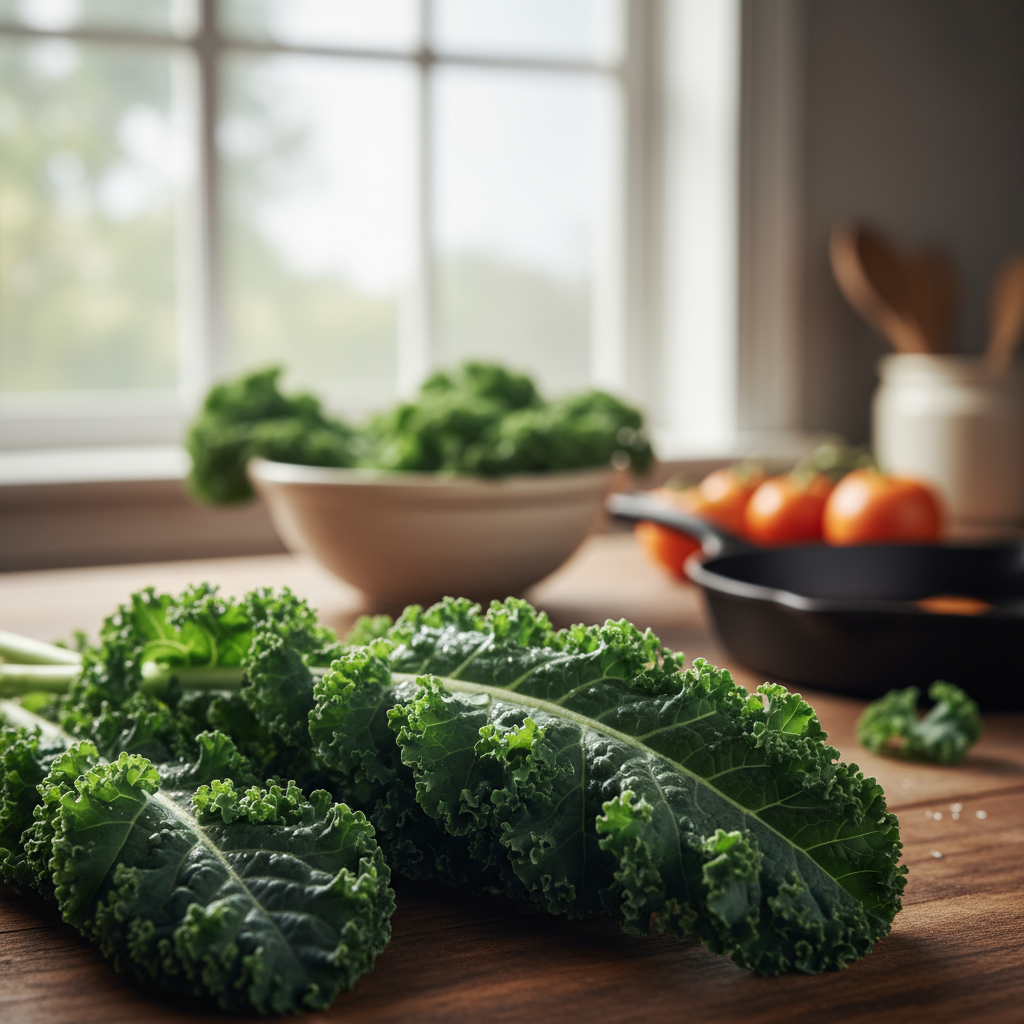
Remember when kale was just that curly stuff decorating salad bars? Yeah, those days are long gone. This once-humble leafy green has basically taken over the health world—and honestly, for good reason. Those vibrant, almost aggressively green leaves are packed with more nutrients than you’d expect from something that grows so easily. If you’ve been wondering what all the kale hype is about (and whether it’s actually worth it), you’re about to find out.
Here’s the thing about kale’s sudden popularity: it’s not just trendy marketing. People are genuinely drawn to this vegetable because it delivers on its promises. When you’re trying to build a healthy nutrition plan, kale offers the kind of vitamin, mineral, and antioxidant punch that makes nutritionists do a little happy dance. Whether you’re just starting to clean up your diet or you’re an athlete fine-tuning every meal, kale has something valuable to offer.
Now, let’s talk about those antioxidants everyone keeps mentioning. Kale is loaded with them—specifically quercetin and kaempferol, which sound fancy but basically work as your body’s cleanup crew. They fight inflammation and protect your cells from damage. Understanding foods rich in antioxidants like kale becomes pretty important when you realize how much your daily food choices impact everything from your energy levels to your mood. And speaking of mood, the connection between nutrition and mental health means that nutrient-dense foods like kale aren’t just feeding your body—they’re supporting your brain too.
But kale doesn’t exist in a vacuum. (Thank goodness, because that would be weird.) The real magic happens when you look at the bigger picture of healthy eating. Research consistently shows that balanced diet benefits extend far beyond just getting your vitamins—we’re talking long-term disease prevention and sustained energy. Pair kale with other antioxidant powerhouses, and you’ve got yourself a winning combination. Even something as simple as understanding the benefits of drinking green tea shows how these nutrient-rich choices work together to support your health.
What You’ll Learn in This Guide
We’re going to walk through everything you need to know about kale—from the science behind its superfood status to practical tips that’ll actually help you enjoy eating it. Think of this as your complete roadmap to making kale work for your lifestyle.
- Nutritional Profile Unveiled: We’ll break down exactly what vitamins, minerals, and antioxidants are hiding in those green leaves. You’ll understand not just what’s in there, but why kale’s particular combination is so effective for your health.
- Health Benefits Explained: Get the real story on how kale supports your immune system, heart, bones, and more. We’ll cut through the hype and show you what the science actually says about kale’s health claims.
- Incorporating Kale in Meals: Discover easy, actually-tasty ways to add kale to your meals—whether you prefer it raw, cooked, or blended. Plus, we’ll share storage tricks to keep it fresh longer (because wilted kale helps no one).
- Potential Considerations: Learn about the few situations where you might want to be cautious with kale, including medication interactions and specific health conditions. Knowledge is power, especially when it comes to your health choices.
Coming up, we’ll explore kale’s background and the different varieties you might encounter. You’ll get the full breakdown of its impressive vitamin lineup—A, C, K, and friends—plus essential minerals like calcium and iron that your body craves. And those antioxidants we mentioned? We’ll explain exactly why they make kale such a standout choice for supporting your health goals.
The practical stuff matters too, so we’ll cover how to prep kale whether you’re throwing it in a smoothie, massaging it for salads (yes, that’s a thing), or cooking it up for dinner. These techniques aren’t just about making kale taste better—they help you retain maximum nutrition while actually enjoying what you’re eating. We’ll also share some simple storage strategies that’ll save you money and reduce food waste.
One important note: like any food, kale isn’t perfect for everyone. We’ll discuss things like goitrogens (which can affect thyroid function) and how kale might interact with blood-thinning medications. This isn’t meant to scare you—it’s about making informed choices that work for your specific situation.
By the time you finish reading, you’ll have everything you need to confidently add kale to your nutrition toolkit. Ready to discover what makes this leafy green such a game-changer? Let’s dig in.

So we’ve talked about kale’s rise to superfood stardom—now let’s dig into what makes this leafy green so special. You know that feeling when you discover something amazing has been hiding in plain sight? That’s kale for you. Sure, it’s versatile and trendy, but the real magic happens when you look at what’s actually packed inside those dark green leaves. We’re talking vitamins, minerals, and antioxidants that your body absolutely loves. Once you understand what kale brings to the table nutritionally, you’ll start seeing it less as a health chore and more as a powerhouse ingredient that can actually make your meals better. Let’s break down exactly what’s going on inside kale and why your body will thank you for eating it.
Nutritional Profile of Kale and Its Impact on Health
Here’s where kale gets really impressive. This isn’t just marketing hype—the nutritional numbers actually back up the buzz. Think of kale as nature’s multivitamin that happens to taste great in a salad. You’ve got vitamin A working behind the scenes to keep your vision sharp and your immune system strong. Then there’s vitamin C, which does double duty as a powerful antioxidant while helping your body build collagen (hello, healthy skin!). And vitamin K? It’s quietly making sure your blood clots properly and your bones stay strong. The B vitamins are like your body’s energy crew, keeping your metabolism humming and your nervous system firing on all cylinders. Want to see how kale fits into the bigger picture? Check out how a healthy nutrition plan can make nutrient-dense foods like this work for you.
But wait—there’s more. (I know, I know, but seriously.) Kale’s mineral game is just as strong. Calcium isn’t just in dairy, folks—kale’s got plenty to keep your bones and teeth happy. Potassium helps keep your blood pressure in check, while magnesium is out there supporting hundreds of different processes in your body. Iron? Yep, kale’s got that too, helping oxygen travel through your bloodstream. These minerals don’t just work solo—they’re like a well-coordinated team supporting your heart, muscles, and overall health. And here’s something cool: kale contains antioxidants called quercetin and kaempferol that fight inflammation and protect your heart. If you’re curious about other antioxidant superstars, take a look at foods rich in antioxidants for the full lineup.
Key Aspects of Kale’s Nutritional Profile
Let’s break down what makes kale such a nutritional rockstar. These are the heavy hitters that make kale worth adding to your plate:
- Vitamin A and Carotenoids: Kale delivers beta-carotene, which your body converts to vitamin A. This keeps your skin glowing, your eyes working properly, and your immune system ready for action. Plus, these carotenoids act like tiny bodyguards, neutralizing those harmful free radicals.
- Vitamin C Content: One serving of kale packs a serious vitamin C punch. This antioxidant champion helps repair tissues, supports enzyme functions, and gives your immune system a boost. Bonus: it helps your body absorb iron from plant sources, making kale a vegetarian’s best friend.
- Mineral Density: Think of calcium, potassium, and magnesium as kale’s mineral trio. They work together to keep your bones strong, your muscles functioning, and your heart beating steadily. These minerals also help maintain that delicate electrolyte balance your body needs.
- Powerful Antioxidants: Quercetin and kaempferol might sound like chemistry class, but they’re actually your body’s defense team against oxidative stress and inflammation. They help protect against chronic diseases like heart disease and certain cancers.
Understanding these nutritional powerhouses helps you make smarter choices about how to include kale in your meals. The key is getting these nutrients in forms that your body can actually use—which brings us to our next topic: the best ways to eat kale without making it feel like a punishment.
Effective Ways to Include Kale in Your Diet Safely
Alright, so you’re convinced kale is nutritional gold. But how do you actually eat it without grimacing? Good news: there are tons of ways to enjoy kale that don’t involve choking down bitter leaves. The trick is finding preparation methods that keep the nutrients intact while making your taste buds happy. Some people swear by raw kale, others prefer it cooked—and honestly, both camps have valid points. The secret is matching your preparation style to your preferences and lifestyle. For more ideas on building healthy eating habits that actually stick, nutrition for athletes offers some solid strategies for optimizing your diet for both performance and enjoyment.
Let’s talk raw versus cooked—because there’s actually some science here worth knowing. Raw kale keeps all that vitamin C and folate intact (heat can break these down), making it perfect for salads, smoothies, and fresh juices. Your blender is basically kale’s best friend. But here’s the thing: cooking kale isn’t nutritional sabotage. Light steaming or a quick sauté can actually make some nutrients more available to your body, especially vitamin K. Plus, cooked kale loses that sometimes overwhelming bitterness and becomes more like… well, actual food. Whether you toss it in a soup or mix it into a warm grain bowl, cooked kale can be genuinely delicious. The goal isn’t perfection—it’s finding what works for you so you’ll actually eat it regularly.
Key Aspects of Kale Consumption and Storage
Ready to make kale a regular part of your routine? Here’s what you need to know to get the most bang for your nutritional buck:
- Raw Uses: Fresh kale brings crunch and nutrition to salads and smoothies. Pro tip: massage raw kale leaves with a little salt or lemon juice to break down the tough fibers. This keeps vitamin C and folate levels high since there’s no heat involved.
- Cooked Options: A light steam or quick sauté transforms kale from tough and bitter to tender and mild. Cooking can actually boost the availability of certain antioxidants, so don’t feel guilty about adding some heat. Soups, stir-fries, and pasta dishes are all fair game.
- Storage Tips: Keep your kale fresh by storing it in the refrigerator crisper drawer in a perforated plastic bag. Skip washing it until you’re ready to use it—excess moisture leads to faster spoilage. Fresh kale should last about a week this way.
- Moderation and Considerations: Here’s something important: more isn’t always better. Eating massive amounts of raw kale can interfere with thyroid function due to compounds called goitrogens. Also, if you’re on blood-thinning medication, that vitamin K content means you should check with your doctor about how much kale fits into your diet.
Here’s the thing about kale—it really is a nutritional powerhouse. I know, I know, everyone’s been saying that for years, but there’s a reason why. This leafy green packs more vitamins and minerals into each bite than most vegetables can even dream of. Take vitamin A, for instance. It’s working behind the scenes to keep your vision sharp and your immune system strong. Then there’s vitamin C, which is busy helping your body repair tissues and build collagen (hello, healthy skin!). But kale doesn’t stop there. You’re also getting calcium for strong bones, potassium to keep your heart happy, magnesium for proper muscle function, and iron to help oxygen travel through your bloodstream. And those antioxidants—quercetin and kaempferol? They’re like tiny bodyguards fighting off oxidative stress and inflammation.
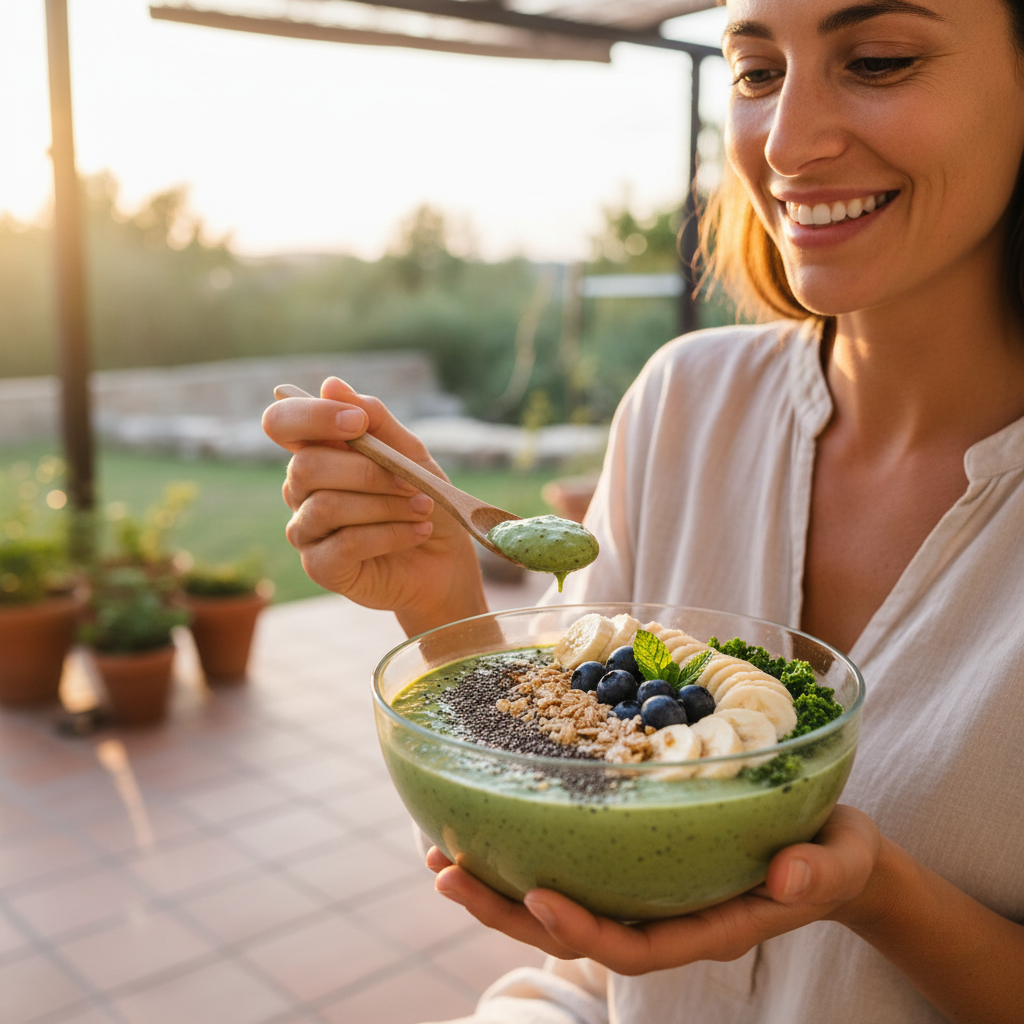
Now, what I love about kale is how flexible it is. You don’t have to choke down bitter leaves if that’s not your thing. Toss it raw into a smoothie with some fruit, and you’ll barely taste it. Massage it with a little olive oil and lemon for a surprisingly tender salad. Or sauté it lightly—it becomes almost sweet and way more approachable. The best part? Kale holds onto most of its nutrients no matter how you prepare it. Just remember to store it properly (wrapped in damp paper towels in the fridge works great), and it’ll stay fresh for days. One heads up though—if you’re on blood thinners or have thyroid issues, you’ll want to chat with your doctor about how much kale fits into your diet. The vitamin K can affect blood clotting, and those goitrogens might impact thyroid function.
Ready to make kale a regular part of your routine? Smart move. But here’s the thing—kale works best when it’s part of a bigger picture. Consider checking out our guide on creating a healthy nutrition plan that shows you how to pair kale with other nutrient-dense foods for maximum benefit. If you’re curious about how what you eat affects your brain and mood, our piece on nutrition and mental health is eye-opening. Athletes, you’ll want to dive into our nutrition for athletes guide to see how kale can support your training and recovery. And honestly? Everyone should understand the benefits of a balanced diet that includes powerhouse foods like kale alongside other whole foods.
Look, I get it. Kale isn’t exactly comfort food. But once you understand what this green machine can do for your health, it becomes easier to find ways to enjoy it. Start small—maybe add a handful to your morning smoothie or try it in a soup. You don’t have to become a kale fanatic overnight. For more ideas on incorporating antioxidant-rich foods like kale into your daily routine, check out our detailed guide on foods rich in antioxidants. With all the information you now have, you’re totally set to make kale work for your lifestyle and health goals.
Frequently Asked Questions
-
Is kale a good source of protein?
- Kale contains a modest amount of protein, making it a beneficial addition to plant-based diets but not a primary protein source.
-
Can eating kale help with weight loss?
- Yes, kale is low in calories and high in fiber, which may support feelings of fullness and help with weight management when included in a balanced diet.
-
Does cooking kale reduce its nutrients?
- Some nutrients, like vitamin C, may decrease with cooking; however, cooked kale retains many health benefits and can increase the availability of others, such as vitamin K.
-
Are there any risks to eating too much kale?
- Excessive consumption may interfere with thyroid function due to goitrogens and affect blood-thinning medications, so moderation is recommended.
-
How often should I eat kale?
- Including kale a few times a week is a practical and effective way to enjoy its nutritional benefits within a balanced diet.