Chicken Tenderloin Nutrition? Dietitian Explains
Chicken tenderloins have become a staple in health-conscious kitchens and fitness communities, but understanding their complete nutritional profile goes beyond simple protein counts. As a dietitian, I’m frequently asked whether these lean cuts truly deserve their reputation as a nutritional powerhouse. The answer is nuanced and depends on preparation methods, portion sizes, and individual dietary goals.
This comprehensive guide breaks down the nutrition facts of chicken tenderloin, examining macronutrients, micronutrients, and practical applications for various dietary approaches. Whether you’re meal prepping for muscle gain, managing weight through a healthy nutrition plan, or simply seeking protein-rich options, understanding chicken tenderloin’s nutritional composition empowers better food choices.

What Are Chicken Tenderloins
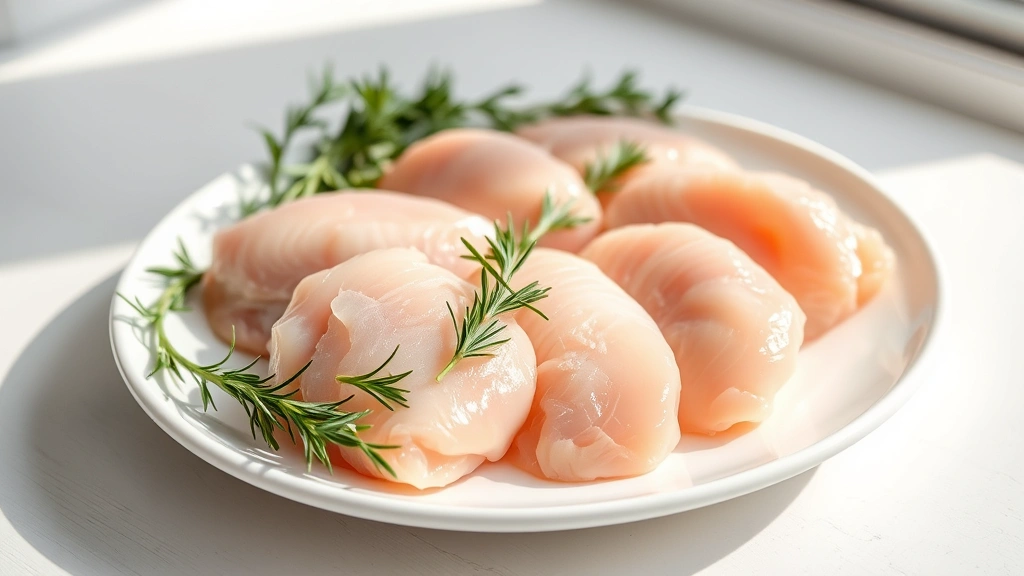
Chicken tenderloins, also called chicken tenders or chicken strips, are the small, tender muscles located on the underside of the chicken breast. These lean cuts are naturally separated from the main breast muscle and are prized for their tender texture and mild flavor. The tenderloin is distinct from the larger chicken breast, though they come from the same bird and share similar nutritional characteristics.
The anatomical position of tenderloins makes them ideal for quick cooking methods like pan-searing, grilling, or air-frying. Their smaller size compared to full breasts means they cook more evenly and quickly, reducing the risk of drying out. This cooking advantage has contributed significantly to their popularity in both home kitchens and commercial food service.
Understanding the source of your chicken tenderloins matters nutritionally. Farm-raised versus free-range, organic versus conventional, and fresh versus frozen all influence the final nutritional content. The feed quality, living conditions, and processing methods affect fatty acid composition and micronutrient density, making sourcing decisions part of your overall nutritional strategy.

Complete Nutrition Facts Breakdown
A standard 3-ounce (85-gram) serving of raw, boneless, skinless chicken tenderloin contains approximately:
- Calories: 105-115 calories
- Protein: 19-21 grams
- Fat: 2-3 grams (primarily unsaturated)
- Carbohydrates: 0 grams
- Cholesterol: 60-70 milligrams
- Sodium: 40-50 milligrams (unseasoned)
These figures represent raw, unseasoned chicken. The moment you add preparation methods—breading, frying, marinades with added sodium—the nutritional profile shifts considerably. A breaded and fried version can easily triple the calorie and fat content while maintaining similar protein levels.
The macronutrient distribution makes chicken tenderloins particularly attractive for individuals following nutrition factory principles or structured dietary frameworks. The protein-to-calorie ratio is exceptional, delivering substantial satiety and muscle-building support without excessive energy intake. This efficiency explains their prominence in bodybuilding, athletic, and weight management communities.
Per 100 grams of raw chicken tenderloin, nutrient density increases slightly: approximately 125 calories, 23 grams protein, and 2.7 grams fat. These slightly higher values per unit weight remain exceptionally lean compared to other protein sources, establishing chicken tenderloins as a benchmark for efficient protein delivery.
Protein Content and Muscle Building
The protein content in chicken tenderloins deserves special attention because it’s genuinely exceptional. At roughly 23 grams of high-quality, complete protein per 100 grams, chicken tenderloins deliver all nine essential amino acids in optimal ratios for human protein synthesis. This completeness matters significantly; not all protein sources offer this comprehensive amino acid profile.
For muscle development and recovery, the amino acid composition surpasses many plant-based alternatives. Leucine, one of the branched-chain amino acids crucial for triggering muscle protein synthesis, appears in abundance. A single serving of chicken tenderloin provides approximately 1.8 grams of leucine, approaching the 1.7-3.5 gram threshold that research suggests optimizes muscle building response.
The bioavailability of chicken protein—essentially how efficiently your body absorbs and utilizes it—ranks among the highest of all protein sources. Studies consistently demonstrate that chicken protein achieves absorption rates exceeding 90%, meaning minimal waste and maximal utilization for tissue repair and growth. This bioavailability advantage compounds when chicken is combined with vitamin C sources, which enhance iron absorption.
Athletes and individuals engaged in resistance training benefit substantially from chicken tenderloin’s protein profile. The general recommendation of 1.6-2.2 grams of protein per kilogram of body weight for muscle hypertrophy becomes more achievable when incorporating these lean cuts regularly. A 180-pound individual targeting 145-180 grams daily protein can obtain 20-25% from just three chicken tenderloin servings.
Fat Profile and Heart Health
The fat content in chicken tenderloins warrants detailed examination because common misconceptions persist about poultry fat. With only 2-3 grams of fat per 85-gram serving, tenderloins qualify as ultra-lean protein. However, the composition of those fats—not merely the quantity—determines cardiovascular impact.
Chicken tenderloin fat contains approximately 40% monounsaturated fats, the same heart-healthy fat predominant in olive oil. An additional 25-30% consists of polyunsaturated fats, including omega-3 fatty acids. Saturated fat comprises the remaining 30-35%, a relatively small absolute amount that poses minimal cardiovascular concern. This fat distribution contrasts favorably with beef or pork, even when comparing equivalent lean cuts.
The cholesterol content, around 60-70 milligrams per 85-gram serving, falls well within daily dietary guidelines. The American Heart Association’s recommendation of 300 milligrams daily cholesterol allows three generous chicken tenderloin servings before approaching this limit. Moreover, emerging research suggests dietary cholesterol’s impact on blood cholesterol levels is substantially less significant than previously believed, particularly when saturated fat intake remains controlled.
Preparation method dramatically influences the final fat profile. Grilling, baking, or air-frying maintains the inherent nutritional advantages. Conversely, pan-frying in butter or oil, breading, or deep-frying transforms chicken tenderloins into a less heart-healthy choice. The preparation decision often matters more nutritionally than the chicken itself, underscoring why cooking technique deserves deliberate consideration.
Micronutrients and Vitamins
Beyond macronutrients, chicken tenderloins deliver meaningful micronutrient contributions often overlooked. A 100-gram serving provides:
- Selenium: 22-27 micrograms (approximately 40% of daily value)
- Phosphorus: 180-200 milligrams (18-20% of daily value)
- Niacin (Vitamin B3): 6-7 milligrams (30-35% of daily value)
- Vitamin B6: 0.5-0.6 milligrams (25-30% of daily value)
- Pantothenic Acid (B5): 0.5-0.7 milligrams (10% of daily value)
- Iron: 0.5-0.8 milligrams (3-4% of daily value)
- Zinc: 0.6-0.8 milligrams (5-7% of daily value)
Selenium deserves particular emphasis because its concentration in chicken is notably high. This trace mineral functions as a critical component of selenoproteins, which regulate thyroid function and support antioxidant defense systems. Adequate selenium intake correlates with improved immune function and reduced inflammation markers, making chicken tenderloin a strategic choice for comprehensive nutritional support.
The B-vitamin complex in chicken tenderloins supports energy metabolism, nervous system function, and red blood cell formation. Niacin specifically helps maintain DNA stability and repair, while vitamin B6 facilitates neurotransmitter synthesis. These micronutrients work synergistically with the protein content, enhancing your body’s capacity to utilize the amino acids for tissue building and metabolic function.
Iron content, while moderate, becomes more bioavailable when consumed with vitamin C sources. Pairing chicken tenderloins with bell peppers, broccoli, or citrus fruits significantly enhances iron absorption through a mechanism called heme-iron enhancement. This nutritional synergy demonstrates how food combinations amplify individual nutrient contributions beyond their standalone values.
Preparation Methods Matter
The preparation method fundamentally transforms chicken tenderloin’s nutritional profile. Consider these common approaches:
Grilling: Grilled chicken tenderloins retain their nutritional integrity while developing complex flavors through the Maillard reaction. Minimal fat addition maintains the lean profile while creating appealing texture and taste. The high-heat cooking may generate some heterocyclic amines, though this risk remains modest with temperatures below 400°F and shorter cooking times.
Baking: Oven-baking at 375-400°F produces consistent results with virtually no added fat necessary. This gentle cooking method preserves heat-sensitive B vitamins while maintaining protein structure. Adding herbs and spices provides flavor without sodium or calorie increases.
Air-Frying: Air-fryer preparation mimics deep-frying while using 80-90% less oil. A light coating of cooking spray provides crispy texture while keeping added fat minimal. This method appeals particularly to those seeking fried-food satisfaction without nutritional compromise.
Pan-Searing: Quick searing in a non-stick pan with minimal oil creates appetizing browning while preserving moisture. Using vegetable broth or white wine instead of additional oil adds flavor complexity without fat accumulation.
Breading and Deep-Frying: This preparation method significantly alters the nutritional equation. A typical breaded and fried chicken tenderloin contains 200-250 calories and 10-15 grams of fat compared to 105-115 calories and 2-3 grams from a grilled version. The nutritional advantage essentially disappears through preparation choices.
Marinades present another consideration. Soy sauce, Worcestershire sauce, and commercial marinades often contain substantial sodium—300-500 milligrams per serving. Homemade marinades using citrus juice, vinegar, herbs, and minimal salt provide flavor without sodium excess. The acid in marinades also helps tenderize chicken while potentially reducing heterocyclic amine formation during high-heat cooking.
Comparing to Other Chicken Cuts
Understanding chicken tenderloin’s position within the broader poultry landscape helps contextualize its nutritional value. Comparison with other common cuts reveals important distinctions:
Chicken Breast: The full breast is slightly larger and marginally less tender than tenderloins, with nearly identical nutrition facts. Per 100 grams: 120 calories, 21 grams protein, 2.6 grams fat. The primary differences are textural and practical rather than nutritional. Breasts require careful cooking to avoid drying; tenderloins’ smaller size prevents this issue.
Chicken Thighs: Dark meat contains approximately 170 calories, 18 grams protein, and 9 grams fat per 100 grams raw. While higher in fat, thigh meat offers superior flavor and moisture retention. The fat is predominantly unsaturated, and the higher calorie density suits those with elevated energy requirements or those who prefer fewer meals.
Chicken Wings: Predominantly skin and bone, wings contain roughly 200 calories, 18 grams protein, and 11 grams fat per 100 grams. The skin contributes significantly to calorie and fat content. When skin is removed, nutritional profile approaches tenderloin levels while providing superior flavor from connective tissue breakdown during cooking.
For strict calorie and fat management, chicken tenderloins stand as the optimal poultry choice. For those prioritizing flavor and culinary satisfaction without extreme dietary restriction, thighs or wings may offer better overall eating experience. The ideal approach involves rotating among these cuts based on specific meal goals and culinary applications.
Incorporating Into Your Diet
Strategic incorporation of chicken tenderloins into your eating pattern maximizes their nutritional benefits while preventing monotony. Consider these application frameworks:
Muscle Building Focus: Athletes targeting hypertrophy benefit from consuming 25-30 grams protein per meal at intervals throughout the day. A single chicken tenderloin serving (3 ounces) provides approximately 21 grams protein, making it an efficient component of post-workout meals. Pairing with carbohydrates and healthy fats optimizes protein synthesis: grilled tenderloins with sweet potato and olive oil-based vegetables creates a balanced post-exercise meal.
Weight Management: The high protein-to-calorie ratio makes chicken tenderloins exceptional for satiety-focused eating. Protein increases thermogenesis (calorie burn during digestion) by 20-30% compared to carbohydrates or fat. Including chicken tenderloins in each meal enhances fullness while maintaining caloric deficit. The healthy nutrition plan framework emphasizes this protein-first approach for sustainable weight loss.
Meal Preparation: Batch-cooking chicken tenderloins at week’s start enables convenient protein access throughout the week. Grilled plain tenderloins store refrigerated for 3-4 days and can be incorporated into salads, grain bowls, wraps, or paired with varied vegetable preparations. This flexibility maintains dietary adherence through convenience and variety.
Combining chicken tenderloins with nutrition and mental health principles supports cognitive function and mood stability. The B vitamins and selenium support neurotransmitter synthesis and antioxidant defense, contributing to psychological well-being alongside physical health.
Culinary Variety: Chicken tenderloins’ mild flavor profile accommodates diverse cuisines and preparation styles. Asian-inspired preparations with ginger, garlic, and low-sodium soy sauce; Mediterranean approaches with lemon and herbs; Latin-influenced preparations with cilantro and lime—the versatility prevents dietary boredom while maintaining nutritional consistency.
Pairing chicken tenderloins with diverse vegetable preparations ensures comprehensive micronutrient intake. Cruciferous vegetables (broccoli, cauliflower) enhance cancer-preventive compounds; leafy greens provide additional iron and magnesium; colorful vegetables deliver varied phytonutrients. This synergistic approach transforms chicken tenderloins from isolated protein sources into components of nutritionally comprehensive meals.
For those following specialized dietary approaches—ketogenic, paleo, Mediterranean—chicken tenderloins adapt seamlessly. The zero-carbohydrate content suits keto requirements; the minimal processing aligns with paleo principles; the lean profile supports Mediterranean heart-health focus. This flexibility makes them valuable across diverse nutritional frameworks, supporting adherence regardless of specific dietary philosophy.
FAQ
How many calories are in a chicken tenderloin?
A raw, boneless, skinless chicken tenderloin weighing approximately 3 ounces (85 grams) contains 105-115 calories. This increases to roughly 125 calories per 100 grams. The exact calorie content varies slightly based on the bird’s age, feed, and breed. Cooking method significantly impacts final calorie content: grilled versions maintain baseline calories, while breaded and fried versions contain 200-250 calories.
Is chicken tenderloin healthy?
Yes, chicken tenderloins are exceptionally healthy protein sources. They deliver complete amino acid profiles, high bioavailability, minimal fat, and meaningful micronutrient contributions—particularly selenium and B vitamins. However, health depends substantially on preparation methods. Grilled, baked, or air-fried tenderloins represent excellent dietary choices; breaded and deep-fried versions sacrifice health advantages. Context matters: chicken tenderloins support health within balanced, whole-food dietary patterns but don’t independently determine overall nutritional status.
How much protein in chicken tenderloin?
An 85-gram (3-ounce) serving of raw chicken tenderloin contains approximately 19-21 grams of protein. Per 100 grams, protein content reaches roughly 23 grams. This represents complete protein containing all nine essential amino acids in optimal ratios. The protein bioavailability exceeds 90%, meaning your body efficiently absorbs and utilizes nearly all consumed protein. This makes chicken tenderloins among the most protein-efficient food choices available.
Can I eat chicken tenderloin daily?
Daily chicken tenderloin consumption is nutritionally feasible and common among athletes and individuals following structured nutrition plans. The lean profile prevents excessive saturated fat accumulation; the minimal sodium doesn’t promote hypertension when unseasoned; the complete amino acid profile supports daily protein requirements. However, dietary variety remains important for comprehensive micronutrient intake. Rotating chicken tenderloins with other protein sources—fish, eggs, legumes, beef—ensures exposure to diverse nutrient profiles while preventing potential nutrient imbalances or monotony-driven dietary abandonment.
How does chicken tenderloin compare to chicken breast?
Chicken tenderloins and breasts share nearly identical nutritional profiles: approximately 120 calories, 21 grams protein, and 2.6 grams fat per 100 grams raw. The primary differences are textural (tenderloins are naturally more tender) and practical (tenderloins cook faster and more evenly due to smaller size). Nutritionally, they’re essentially equivalent, so choice depends on preference, cooking method, and convenience rather than nutritional distinction.
What’s the best way to cook chicken tenderloins?
Optimal cooking methods preserve nutritional integrity while developing appealing flavors: grilling at moderate temperatures (375-400°F), baking in ovens at similar temperatures, air-frying with minimal oil, or pan-searing in non-stick cookware with light oil coating. These methods maintain the lean profile while creating desirable texture and taste. Avoid deep-frying, which adds excessive calories and fat, and breading in refined flour, which increases carbohydrate content and sodium. Cooking times of 12-15 minutes typically achieve doneness (165°F internal temperature) without drying.
Are frozen chicken tenderloins as nutritious as fresh?
Nutritionally, frozen and fresh chicken tenderloins are essentially equivalent. Freezing preserves nutrients effectively; the vitamin and mineral content remains stable during frozen storage. Some studies suggest freezing might slightly enhance amino acid availability through ice crystal formation effects, though this difference is negligible practically. The primary distinction involves texture: frozen tenderloins may retain slightly more moisture when thawed carefully compared to fresh versions stored for extended periods. From a nutritional standpoint, frozen tenderloins represent an equally valid choice.