Einstein Bagels: Nutritional Breakdown Guide
Einstein Bros. Bagels has become a staple in the American breakfast landscape, offering a convenient grab-and-go option for millions of customers seeking a quick meal before work or school. However, understanding the nutrition facts of Einstein bagels is essential for making informed dietary choices that align with your health goals. This comprehensive guide breaks down the nutritional profile of popular Einstein bagel varieties, helping you navigate their calorie content, macronutrients, and ingredients.
Whether you’re counting calories, managing macronutrients, or simply curious about what you’re consuming, knowing the detailed nutritional information behind these beloved bagels empowers you to make choices that support your wellness journey. From classic plain bagels to indulgent cinnamon raisin varieties, each option presents different nutritional considerations that deserve your attention.

Understanding Einstein Bagels Nutritional Profile
Einstein Bros. Bagels offers a diverse menu of bagel options, each with distinct nutritional characteristics. The base bagel itself typically ranges from 240 to 350 calories depending on the variety, with significant variations in fiber, protein, and sugar content. Understanding these foundational numbers helps you establish a baseline for your breakfast decisions.
The nutritional profile of bagels differs substantially from typical bread products due to their denser composition and boiling process during preparation. This unique preparation method affects how your body processes the carbohydrates and impacts the overall glycemic response. When examining Einstein bagels nutrition information, it’s important to recognize that portion sizes matter considerably—a single bagel represents a significant carbohydrate intake for many dietary approaches.
Most Einstein bagels contain between 2-8 grams of protein per bagel, making them relatively modest protein sources compared to eggs or Greek yogurt. The fiber content typically ranges from 1-6 grams depending on whether you choose whole grain or refined varieties. These nutritional details become increasingly important when you’re following a healthy nutrition plan that emphasizes balanced macronutrient distribution.

Classic Bagel Varieties and Their Nutrition Facts
The plain bagel represents the foundation of Einstein’s menu, containing approximately 280 calories, 54 grams of carbohydrates, 10 grams of protein, and just 1 gram of fat. This straightforward option provides a blank canvas for various spreads and toppings, though the plain bagel alone offers minimal nutritional complexity. The simplicity of plain bagels makes them an excellent choice for those monitoring their intake carefully.
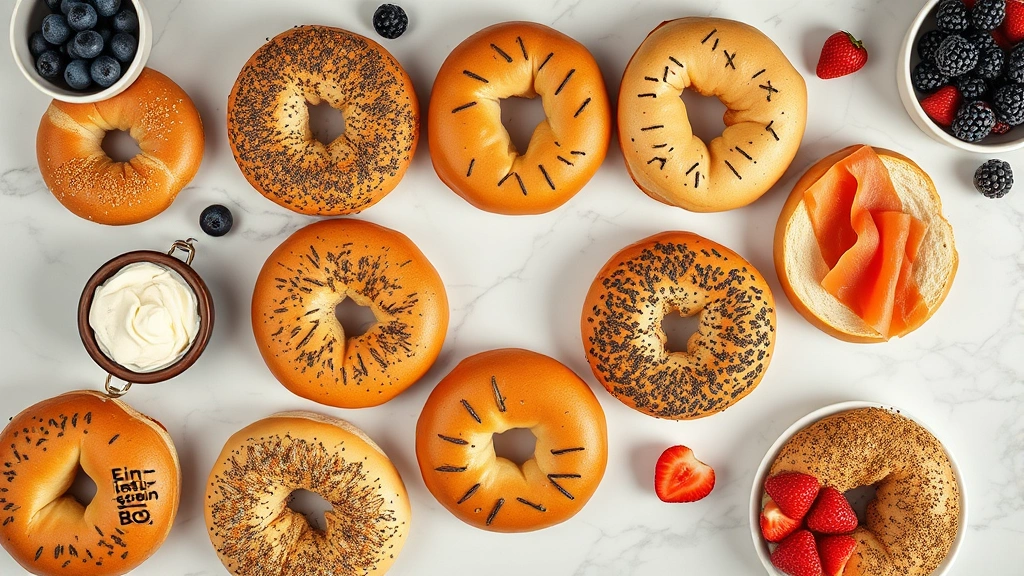
Everything bagels, featuring a blend of sesame, poppy, onion, garlic, and salt, contain similar calorie counts to plain varieties—approximately 290 calories per bagel. The added seeds contribute marginally more fat (around 2-3 grams) and fiber compared to plain options, while the flavor enhancement comes primarily from sodium rather than significant nutritional improvements. Despite their popularity, everything bagels don’t substantially elevate the nutritional value compared to their plain counterparts.
Whole wheat bagels represent a more nutritionally dense option, typically containing 250-270 calories with increased fiber content (approximately 4-5 grams) and slightly higher protein levels. The darker color and heartier texture indicate genuine whole grain inclusion, which supports digestive health and provides longer-lasting satiety. For those concerned about blood sugar management, whole wheat varieties offer advantages over refined white bagel options.
Cinnamon raisin bagels, while beloved for their sweet flavor profile, contain 290-310 calories with elevated sugar content reaching 7-9 grams per bagel. The added sugars from both the raisins and cinnamon coating increase the glycemic impact significantly, making these varieties less suitable for individuals managing blood sugar levels or following low-sugar dietary approaches. These bagels function more as a dessert-adjacent breakfast item than a nutritionally balanced meal component.
Asiago cheese bagels incorporate real cheese for approximately 320 calories with 12 grams of fat and 12 grams of protein, making them a more substantial protein source than plain varieties. The additional saturated fat content (around 7 grams) warrants consideration if you’re monitoring cholesterol intake. The cheese inclusion transforms this bagel into a more calorically dense but protein-enriched option. For comparison, understanding how different proteins contribute to your daily intake helps contextualize choices—you might also explore bacon slice nutrition facts when considering complete breakfast compositions.
Jalapeño cheddar bagels combine spicy and savory elements with approximately 300 calories, 11 grams of fat, and 11 grams of protein. The cheese content provides dairy-based nutrition while the jalapeños add flavor without substantial caloric contribution. These bagels appeal to those seeking more adventurous flavor profiles without sacrificing nutritional balance.
Specialty and Seasonal Bagels
Einstein Bros. regularly introduces limited-time offerings that present unique nutritional profiles worth examining. Blueberry bagels typically contain 290-310 calories with 6-8 grams of sugar from both the blueberries and added sweeteners. The antioxidants from blueberries provide health benefits beyond basic nutrition, though the sugar content remains a consideration for dietary planning.
Spinach and feta bagels represent a more vegetable-forward option, containing approximately 280 calories with improved micronutrient density from spinach inclusion. The feta cheese adds 8-10 grams of protein and creamy texture while contributing 8-9 grams of fat. These Mediterranean-inspired bagels appeal to health-conscious consumers seeking vegetable integration into breakfast foods.
Roasted garlic bagels deliver approximately 280 calories with minimal fat increase compared to plain varieties, relying on flavor intensity rather than caloric density. The garlic provides potential health benefits including antimicrobial and anti-inflammatory properties, though the quantity in a single bagel remains modest.
Seasonal offerings like pumpkin spice bagels during fall months typically contain elevated sugar content (8-10 grams) with approximately 300-320 calories. These limited-availability items often function as indulgent treats rather than nutritionally optimized breakfast choices, warranting occasional consumption rather than regular inclusion in meal planning.
Spreads, Toppings, and Hidden Calories
The bagel itself represents only half the nutritional equation—spreads and toppings significantly amplify caloric and nutrient content. Cream cheese, Einstein’s most popular spread, adds 100-190 calories depending on portion size, with regular cream cheese containing 9-10 grams of fat per serving. Reduced-fat cream cheese options provide marginal savings at approximately 80 calories per serving.
Butter adds approximately 100 calories and 11 grams of fat per tablespoon, making it a surprisingly calorie-dense topping choice. Peanut butter spreads contribute 190-210 calories per serving with beneficial protein (7-8 grams) and healthy fats, though the calorie density demands portion awareness. Nutella and chocolate spreads elevate sugar content dramatically, adding 150-180 calories with 15-17 grams of sugar per serving.
Lox and smoked salmon toppings add 60-80 calories with excellent protein content (10-12 grams) and omega-3 fatty acids supporting cardiovascular and cognitive health. The combination of a plain bagel with lox and cream cheese creates a more nutritionally balanced breakfast with improved satiety compared to sweet bagel varieties alone. This classic preparation appeals to those seeking protein-rich breakfast options.
Egg additions transform bagels into more complete meals. A single scrambled egg contributes approximately 90 calories with 6 grams of protein and essential micronutrients including choline and lutein. Cheese additions between bagel and fillings add 100-120 calories with 6-7 grams of additional protein. These sandwich-style preparations significantly enhance nutritional completeness compared to bagels consumed alone.
Bacon or sausage toppings add 80-150 calories depending on quantity and preparation method. While these meat additions increase caloric density, they also substantially boost protein content (5-10 grams) and contribute to improved satiety throughout the morning. The combination of bagel, protein-rich spread, and meat toppings creates breakfast with superior staying power compared to carbohydrate-dominant options.
Macronutrient Breakdown and Dietary Considerations
Einstein bagels function primarily as carbohydrate sources, with most varieties delivering 45-55 grams of carbohydrates per bagel. For individuals following ketogenic or low-carbohydrate dietary approaches, even plain bagels present challenges due to their substantial carbohydrate load. The carbohydrate-to-fiber ratio determines the glycemic impact—whole grain varieties with higher fiber content produce less dramatic blood sugar spikes than refined white bagels.
Protein content across Einstein’s bagel range typically measures 8-12 grams depending on variety, with cheese-inclusive options providing superior protein levels. For those prioritizing protein intake to support muscle maintenance or weight management goals, adding protein-rich spreads or fillings becomes essential to optimize the meal’s nutritional value. Pairing bagels with foods that support nutrition and mental health benefits creates more comprehensive breakfast compositions.
Fat content varies significantly from approximately 1-3 grams in plain bagels to 8-12 grams in cheese-containing varieties. The fat content influences satiety and nutrient absorption, particularly for fat-soluble vitamins. Higher-fat bagel options provide improved satisfaction compared to ultra-low-fat varieties, though this consideration must balance against total caloric intake goals.
Sodium content represents a notable concern for many bagel varieties, with some options containing 400-600 milligrams per bagel. Individuals monitoring sodium intake for hypertension management or heart health should scrutinize nutrition labels carefully, as spreads and toppings often add substantial additional sodium. Selecting lower-sodium spreads and avoiding heavily salted toppings helps manage overall sodium consumption.
Micronutrient profiles vary considerably across Einstein’s menu. Whole grain bagels provide superior B-vitamin content and mineral density compared to refined varieties. Bagels with vegetable inclusions offer phytonutrient benefits, though quantities remain modest compared to consuming vegetables as standalone items. Iron, magnesium, and manganese appear in meaningful quantities across most bagel varieties, supporting various metabolic processes.
Comparing Einstein Bagels to Other Breakfast Options
Compared to traditional breakfast sandwiches, Einstein bagels offer fewer calories when consumed plain but similar totals when dressed with spreads and toppings. A plain bagel with cream cheese (approximately 380 calories) compares favorably to many fast-food breakfast sandwiches while offering superior customization options. The carbohydrate-dominant nature of bagels contrasts with egg-based breakfast items that provide superior protein density.
Versus quick breakfast alternatives like In-N-Out burger breakfast options, Einstein bagels provide leaner choices with lower fat content and superior versatility for customization. However, burger-based options typically deliver superior protein content supporting longer-lasting satiety and muscle maintenance.
Pastries and muffins often contain similar calorie counts to bagels but with substantially higher sugar content and inferior protein levels. Einstein bagels represent a more nutritionally balanced choice compared to typical bakery pastries, particularly when selected varieties incorporate whole grains or vegetables. The ability to control spreads and toppings gives bagels an advantage over pre-assembled pastries regarding nutritional customization.
Oatmeal breakfast preparations offer superior fiber content and micronutrient density compared to most bagel options, though bagels provide superior convenience for grab-and-go consumption. The choice between bagels and oatmeal often depends on lifestyle factors and time availability rather than pure nutritional comparison, as both can support healthy breakfast routines when prepared thoughtfully.
Smoothie-based breakfasts provide flexibility for nutrient optimization through ingredient selection, though they lack the satiety-enhancing properties of solid foods. Bagels combined with spreads create more sustained fullness compared to liquid breakfast options, making them superior choices for individuals seeking extended morning energy without mid-morning hunger.
Making Healthier Choices at Einstein Bros
Selecting whole grain bagel varieties represents the most impactful choice for nutritional optimization. The increased fiber content supports digestive health, blood sugar stability, and improved satiety compared to refined white bagels. Whole wheat options typically cost identical amounts to plain varieties, making the upgrade a straightforward decision for health-conscious consumers.
Pairing bagels with protein-rich spreads transforms them into more nutritionally complete meals. Cream cheese, peanut butter, and lox all contribute meaningful protein alongside carbohydrates, creating better macronutrient balance than carbohydrate-only options. The combination of protein and carbohydrates produces superior blood sugar stability and sustained energy compared to carbohydrate-dominant preparations.
Requesting half-portions of cream cheese or other spreads effectively reduces caloric intake while maintaining flavor satisfaction. Most bagel shops accommodate these requests readily, allowing customization aligned with individual dietary goals. This simple modification can reduce total meal calories by 50-100 without substantially compromising enjoyment.
Adding vegetable toppings like tomatoes, cucumbers, or spinach increases micronutrient density and fiber content without substantial caloric addition. These vegetable inclusions provide satiety-enhancing bulk while contributing phytonutrients supporting overall health. The visual appeal and flavor complexity of vegetable-laden bagels often exceeds simple cream cheese options.
Choosing bagel varieties with vegetable or seed inclusions provides superior nutritional density compared to plain options. Everything bagels with their seed mixture, spinach feta varieties, and jalapeño cheddar options all offer nutritional advantages through ingredient complexity. These choices demonstrate that flavor and nutrition need not conflict when selecting breakfast items.
Understanding the importance of dietary fiber for overall health helps guide bagel selection toward varieties supporting digestive wellness. Prioritizing high-fiber options contributes to daily fiber intake goals while supporting cardiovascular and metabolic health. The fiber content becomes increasingly important as Americans typically consume insufficient quantities relative to recommended guidelines.
Pairing bagels with vegetables or fruit sides creates more nutritionally complete breakfast meals. A bagel with cream cheese accompanied by fresh berries or vegetable crudités provides diverse nutrient contributions superior to bagels consumed in isolation. This composition approach aligns with established nutritional science regarding balanced meal construction.
Limiting frequency of sweet bagel varieties like cinnamon raisin to occasional consumption rather than regular selection helps manage overall sugar intake. Reserving these indulgent options for special occasions or weekend treats maintains their appeal while supporting weekday dietary consistency. This approach balances enjoyment with health-conscious decision-making.
Consulting nutrition information before ordering enables informed decision-making aligned with personal dietary goals. Einstein Bros. provides detailed nutrition facts both in-store and online, eliminating guesswork regarding caloric and nutrient content. Taking moments to review this information before ordering represents a simple yet powerful health-supporting habit.
Exploring comprehensive nutrition information across food categories builds broader dietary literacy supporting long-term health outcomes. Understanding how Einstein bagels fit within complete dietary patterns enables more sophisticated nutritional decision-making across all meals and snacks. This knowledge foundation supports sustainable healthy eating rather than restrictive approaches.
FAQ
How many calories are in an Einstein bagel?
Einstein bagel calorie content varies from approximately 240 calories in plain varieties to 320+ calories in specialty options like Asiago cheese bagels. Cinnamon raisin and other sweet varieties typically contain 290-310 calories. Adding spreads and toppings substantially increases total caloric intake, with cream cheese alone adding 100-190 calories depending on portion size.
Are Einstein bagels healthy?
Einstein bagels can fit within healthy diets when selected thoughtfully and paired with nutritious spreads and toppings. Choosing whole grain varieties, limiting sweet options, and selecting protein-rich accompaniments creates more nutritionally balanced breakfast choices. Plain or vegetable-inclusive bagels represent healthier selections than sugar-laden varieties, though they function best as part of complete meals rather than standalone items.
Which Einstein bagel has the least calories?
Plain bagels typically contain the fewest calories at approximately 240-280 depending on specific preparation. Whole wheat varieties provide similar calorie counts with superior fiber content. Specialty cheese and seed-containing options increase calories substantially, making plain varieties the lowest-calorie foundation for customized bagel selections.
Do Einstein bagels contain trans fats?
Most modern Einstein Bros. bagels do not contain artificial trans fats, as companies have reformulated products following FDA restrictions on partially hydrogenated oils. However, checking specific nutrition labels remains prudent, as formulations may vary by location or seasonal offerings. Natural trans fats appear in minimal quantities from dairy ingredients in cheese-containing varieties.
What is the protein content of Einstein bagels?
Protein content ranges from approximately 8-10 grams in plain varieties to 12+ grams in cheese-containing options. Whole grain varieties provide similar protein levels to refined counterparts, while vegetable-inclusive bagels offer comparable protein content. Adding spreads like peanut butter or cream cheese contributes additional protein, with each tablespoon adding 2-4 grams depending on the spread type.
Can I eat Einstein bagels on a diet?
Einstein bagels can accommodate various dietary approaches when selected and prepared thoughtfully. Those following calorie-restriction diets benefit from plain varieties with modest spread portions. Low-carbohydrate dieters should limit bagel consumption due to substantial carbohydrate content. Whole grain options support fiber-focused approaches, while protein-rich pairings benefit muscle-building goals. The key involves intentional selection rather than complete avoidance.
Are Einstein bagels whole grain?
Einstein Bros. offers whole wheat bagel varieties containing genuine whole grain flour, though not all bagel options feature whole grain ingredients. Whole wheat varieties provide superior fiber content and micronutrient density compared to refined white bagels. Reading labels or asking staff clarifies specific bagel composition, as whole grain options differ nutritionally from refined varieties despite similar appearance.