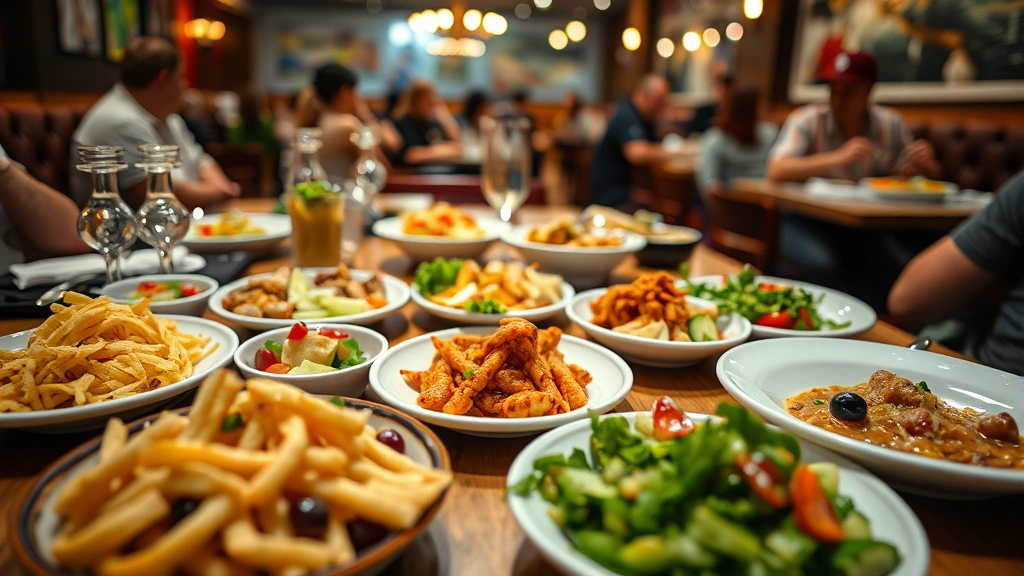
Chili’s Nutrition Facts: Dietitian Insight
Dining at Chili’s Bar & Grill presents both opportunities and challenges for health-conscious consumers. As one of America’s most popular casual dining chains, Chili’s serves millions of customers annually, yet many diners remain uncertain about the nutritional content of their meals. Understanding nutrition facts for Chili’s restaurant requires examining menu items through a dietitian’s lens, considering not just calories but sodium, saturated fat, added sugars, and portion sizes that often exceed recommended daily intake limits.
The casual dining industry has undergone significant scrutiny regarding menu transparency and nutritional value. According to research from Pew Research Center, Americans consume approximately one-third of their calories from restaurants and fast-casual establishments. This reality underscores the importance of making informed choices when dining out, particularly at establishments like Chili’s where indulgent comfort foods dominate the menu.
This comprehensive guide breaks down Chili’s nutritional landscape, helping you navigate their extensive menu with confidence. Whether you’re managing dietary restrictions, pursuing fitness goals, or simply seeking healthier options, understanding what’s actually in your meal empowers better decision-making at the table.

Understanding Chili’s Menu Structure
Chili’s Bar & Grill operates with a philosophy centered on generous portions and bold flavors—two factors that significantly impact nutritional profiles. The restaurant chain provides detailed nutritional information through their website and in-store materials, displaying calories, total fat, saturated fat, trans fat, cholesterol, sodium, total carbohydrates, dietary fiber, sugars, and protein for virtually every menu item.
The average entree at Chili’s contains between 900 and 1,600 calories, which represents 45 to 80 percent of a typical 2,000-calorie daily diet in a single meal. More concerning, many dishes exceed recommended daily sodium limits (2,300 mg) in one sitting. Understanding these baseline realities helps contextualize individual menu choices and explains why strategic ordering matters significantly.
Chili’s menu categories include appetizers, soups and salads, burgers and sandwiches, fajitas, ribs, chicken dishes, seafood, and specialty entrees. Each category presents distinct nutritional challenges. Appetizers function as calorie-dense starters designed for sharing but often consumed entirely by individuals. The fajita category, while offering customization potential, frequently arrives loaded with butter, sour cream, and cheese. Learning to navigate these categories strategically is essential for maintaining nutritional goals while still enjoying the restaurant experience.

Appetizers and Hidden Calorie Traps
Appetizers represent one of the most problematic categories at Chili’s from a nutritional standpoint. These dishes are engineered for maximum flavor impact and shareability, but their caloric density rivals or exceeds main courses at many other restaurants. The Loaded Nachos with beef, for instance, contain approximately 1,320 calories and 2,800 mg of sodium—nearly 122 percent of daily sodium recommendations—before you’ve ordered an entree.
The Spinach and Artichoke Dip, frequently marketed as a healthier appetizer option, delivers roughly 1,100 calories and 1,800 mg of sodium. This misconception about vegetable-based appetizers being inherently nutritious plagues casual dining establishments. The reality: vegetables are used as vehicles for delivering cream, cheese, and butter, fundamentally altering their nutritional profile. Even the Crispy Cheddar Jalapeno Poppers contain 1,090 calories in a seemingly modest portion.
For those committed to enjoying appetizers, several strategies minimize damage. Sharing appetizers with multiple people effectively reduces individual consumption. Choosing items like the Buffalo Chicken Wings (approximately 650 calories for a full order) over fried options provides protein-forward alternatives. Most importantly, appetizers should replace rather than supplement entrees—a practice many diners abandon once seated at the table.
Main Course Analysis
Chili’s entrees present the central challenge in managing nutritional intake at the restaurant. The Baby Back Ribs, a signature item, exemplify typical main course composition. A full rack contains approximately 1,200 calories, 73 grams of fat, and 1,100 mg of sodium. When paired with standard sides like fries or mac and cheese, total meal calories approach 1,800 to 2,000.
The Chicken Crispers—breaded and fried chicken strips—deliver roughly 1,200 calories with 54 grams of fat. While chicken itself offers lean protein benefits (as discussed in our guide on nutrition facts for chicken tenderloin), the preparation method at Chili’s negates these advantages. The frying process adds approximately 400-500 calories to what would otherwise be a 300-400 calorie protein source.
Burger options range from 1,100 to 1,500 calories depending on toppings and preparation. The Jalapeño Smokehouse Burger contains 1,460 calories with 73 grams of fat. Interestingly, burger selections often prove more favorable than specialty entrees because their nutritional profiles are more transparent and easier to modify through topping adjustments.
Chili’s fajitas represent a category deserving special attention. While the protein component (chicken, steak, or shrimp) provides reasonable nutritional value, the accompanying extras—butter for cooking, sour cream, guacamole, cheese, and tortillas—add 500-700 calories to the base protein. A Sizzling Chicken Fajita entree totals approximately 1,100 calories with 51 grams of fat, though customization can reduce this significantly.
Salads That Aren’t Always Healthy
Salads occupy a deceptive category at Chili’s. While salads theoretically offer nutritional advantages through vegetable content, Chili’s salad construction frequently undermines these benefits through excessive dressing, fried proteins, and calorie-dense toppings. The Crispy Chicken Salad, for example, contains 1,200 calories—equivalent to many burger entrees—with 65 grams of fat. The culprit: fried chicken combined with full-fat dressing and cheese.
Even the Grilled Chicken Salad reaches approximately 800 calories with 40 grams of fat when including the full amount of dressing provided. This represents a reasonable option for calorie-conscious diners, particularly when requesting dressing on the side. The South Beach Diet Grilled Chicken Salad, specifically designed for lower-carb approaches, contains roughly 430 calories—a genuinely nutritious option at Chili’s.
Salad dressings deserve particular scrutiny. Full-fat ranch dressing adds 300+ calories in standard restaurant portions. Vinaigrette-based options reduce this to 150-200 calories. Requesting dressing on the side and using measured amounts transforms salads from nutritional liabilities into genuine health-supporting options. This simple modification aligns with broader healthy nutrition plan principles applicable across all dining situations.
Beverages and Desserts
Beverages at casual dining establishments often represent hidden caloric sources that diners overlook when tallying meal nutrition. Chili’s sweet tea, served in large glasses, contains approximately 200 calories and 50 grams of sugar per serving. Alcoholic beverages add another layer of complexity—margaritas range from 300 to 600 calories depending on preparation, while craft cocktails frequently exceed 400 calories.
Water, unsweetened tea, or diet beverages represent obvious alternatives for calorie reduction. However, recognizing that beverages constitute discretionary calories empowers intentional choices. Some diners might prefer allocating 300 calories to a beverage they genuinely enjoy rather than consuming those calories through additional food.
Desserts at Chili’s represent the most extreme nutritional outliers on the menu. The Molten Chocolate Cake delivers 1,070 calories and 138 grams of carbohydrates in a single serving. The Chocolate Chip Cookie Skillet reaches 1,430 calories. These items exist outside typical nutritional frameworks—they’re indulgences rather than foods meant to fit within daily targets.
A strategic approach involves treating desserts as occasional choices rather than routine conclusions to meals. Alternatively, sharing desserts with multiple people or taking portions home reduces individual consumption while maintaining the dining experience’s social and celebratory aspects.
Making Smarter Choices
Navigating Chili’s nutritionally requires understanding modification options and requesting adjustments that restaurants readily accommodate. Requesting grilled preparations instead of fried reduces calories by 200-400 per entree. Substituting vegetable sides for fries or mac and cheese eliminates 300-500 calories. These modifications cost nothing yet dramatically alter nutritional outcomes.
Portion awareness becomes critical at Chili’s, where generous servings exceed USDA portion guidelines. Eating half an entree and taking the remainder home effectively reduces meal calories by 50 percent. Many diners resist this approach due to social pressure or internalized “clean your plate” messaging, yet it represents the most practical strategy for managing casual dining nutrition.
Protein selection influences overall meal quality. Grilled chicken, shrimp, and fish provide lean protein options superior to fried alternatives or heavily marbled beef cuts. Understanding nutrition facts for cod fish and similar lean proteins helps contextualize better choices when available on the menu.
Customization extends beyond main modifications. Requesting dressing on the side, omitting cheese and sour cream from entrees, asking for vegetables instead of starches, and requesting sauces separately enables significant nutritional improvements. Chili’s staff accommodates these requests routinely, understanding that transparency and flexibility enhance customer satisfaction.
Comparing with Competitors
Evaluating Chili’s within the broader casual dining landscape provides context for their nutritional positioning. According to Media Post’s analysis of casual dining trends, restaurants in Chili’s category average similar caloric profiles and sodium content. Applebee’s, Buffalo Wild Wings, and TGI Friday’s present comparable nutritional challenges.
However, some casual dining competitors offer marginally better nutritional transparency or menu options. Panera Bread, while technically fast-casual rather than full-service, provides robust caloric and nutritional labeling alongside genuinely lighter options. Olive Garden emphasizes Italian cuisine, offering pasta dishes that can be portioned reasonably when prepared with oil-based rather than cream sauces.
The reality is that casual dining inherently prioritizes flavor and portion size over nutritional optimization. Restaurant economics demand profitable margins, which typically means higher-fat, higher-sodium preparations that maximize customer satisfaction and repeat visits. Understanding this structural reality helps explain why finding truly healthy options at Chili’s requires deliberate strategy rather than simply ordering from a “healthy section.”
Fine dining establishments, conversely, often provide smaller portions and more sophisticated preparations that may align better with nutritional goals—though at significantly higher price points. Fast-casual concepts like Chipotle or Sweetgreen offer greater customization and ingredient transparency. Quick-service restaurants like Subway or Panera provide caloric information upfront. Each category presents distinct advantages and limitations depending on individual nutritional priorities.
Research from Journalist’s Resource on food policy and nutrition indicates that menu labeling laws have increased consumer awareness but haven’t significantly shifted casual dining chains toward lower-calorie preparations. The industry continues optimizing for flavor and value perception rather than nutritional optimization, making consumer choice and modification the primary levers for healthier outcomes.
FAQ
What’s the lowest-calorie entree at Chili’s?
The South Beach Diet Grilled Chicken Salad offers approximately 430 calories with full dressing, making it Chili’s lowest-calorie substantial entree option. Grilled fish dishes (when available) typically range 500-700 calories without sides.
Can I eat at Chili’s while maintaining a diet?
Yes, absolutely. Strategic ordering—grilled proteins, vegetable sides, dressing on the side, shared appetizers, and portion control—enables dining at Chili’s while maintaining most dietary approaches. The key is intentional choices rather than default ordering.
How much sodium is in a typical Chili’s meal?
Most Chili’s entrees contain 1,500-2,200 mg of sodium before sides. With typical sides and beverages, total meal sodium often reaches or exceeds the 2,300 mg daily recommendation. Requesting preparations without added salt and choosing lower-sodium sides helps mitigate this issue.
Are there vegetarian options at Chili’s?
Chili’s vegetarian selection remains limited. The Spinach and Artichoke Dip, various salads (with cheese and dressing modifications), and pasta dishes represent primary options. Many appetizers and sides are vegetarian, though the main menu lacks dedicated vegetarian entrees.
What about allergens and dietary restrictions?
Chili’s provides detailed allergen information on their website and in-restaurant materials. Most kitchens can accommodate gluten-free requests, though cross-contamination remains possible. Dairy-free and nut-free modifications are generally feasible with advance notice or special requests.
How does Chili’s compare nutritionally to fast food?
Chili’s entrees typically contain more calories (900-1,600) than fast-food meals (600-1,000), though portion sizes explain much of this difference. Sodium content is comparable, with both categories exceeding recommended daily limits in single meals. The primary distinction is portion size and preparation complexity rather than fundamental nutritional superiority in either direction.
Should I avoid Chili’s entirely for health reasons?
No. Occasional dining at Chili’s with strategic ordering fits within most flexible nutritional approaches. The issue arises with frequent consumption without modification. Treating Chili’s as an occasional social dining destination rather than routine meal source provides balance between health goals and lifestyle enjoyment.
Understanding nutrition for athletes and performance optimization principles helps contextualize why frequent casual dining consumption undermines specific health outcomes, even when individual meals are nutritionally managed. Consistency matters more than perfection in any single meal.
Visiting the Nutrients Pathway Blog provides additional resources for understanding broader nutritional concepts applicable across all dining scenarios.


