Chili’s Nutrition Facts? Expert Breakdown
Chili’s Bar & Grill has become a casual dining staple across North America, serving millions of customers annually with an extensive menu ranging from appetizers to desserts. However, navigating the nutrition facts for Chili’s restaurant requires careful attention, as many menu items contain significantly higher calories, sodium, and saturated fat than typical home-cooked meals. This comprehensive guide breaks down the nutritional landscape of Chili’s offerings, helping diners make informed choices aligned with their dietary goals.
Understanding what you’re consuming at casual dining establishments is increasingly important, especially as research institutions document rising concerns about restaurant nutrition transparency. Chili’s provides detailed nutritional information for most menu items, yet many customers remain unaware of hidden sodium, sugar, and fat content that can quickly exceed daily recommended values in a single meal.

Chili’s Nutritional Landscape Overview
Chili’s Bar & Grill operates with a business model centered on indulgent, shareable portions—a philosophy that inherently conflicts with nutritional moderation. The chain’s signature dishes, while delicious, often deliver 1,200-2,000 calories per entrée, representing 60-100% of a typical 2,000-calorie daily diet in a single meal. This reality makes understanding a healthy nutrition plan essential before ordering.
The restaurant maintains a publicly accessible nutrition database, allowing customers to review calorie counts, macronutrient distributions, and allergen information. However, the sheer volume of menu items—over 150 different dishes—creates decision paralysis for health-conscious diners. Industry analysts note that casual dining chains like Chili’s have gradually improved transparency following pressure from health advocates and regulatory bodies, yet many customers still underestimate portion sizes and nutritional density.
Chili’s menu is heavily weighted toward fried, sautéed, and creamed preparations, which naturally elevate fat content. A typical burger at Chili’s contains 15-20 grams of saturated fat, while similar items at specialized burger restaurants may contain 8-12 grams. This difference stems from cooking methods, butter usage, and sauce applications that enhance flavor but compromise nutritional profiles.

Appetizers and Hidden Calories
Appetizers represent one of the most nutritionally problematic categories at Chili’s, with many items designed for sharing yet containing 800-1,500 calories per order. The Loaded Baked Potato Skins, a signature appetizer, delivers approximately 1,120 calories and 68 grams of fat—nearly an entire day’s fat allowance for some individuals—before the main course arrives.
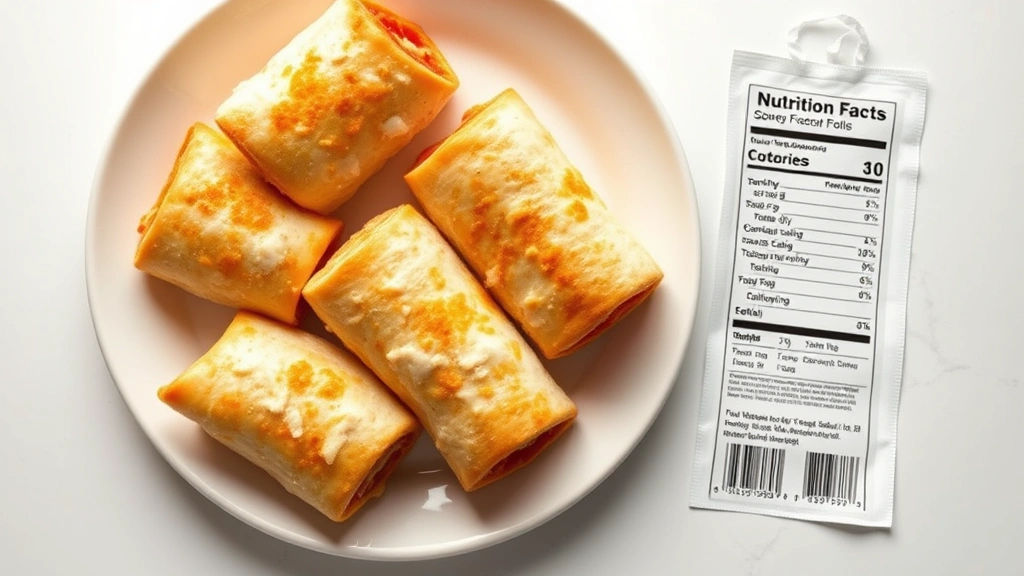
The Southwestern Eggrolls, another popular starter, contain roughly 960 calories and 48 grams of fat in a four-piece serving. What makes appetizers particularly insidious is their positioning as pre-meal items; diners often consume these calories without recognizing them as substantial portions, then proceed to order full entrées. This appetizer-plus-entrée combination frequently exceeds 2,500 calories in a single dining occasion.
Fried appetizers dominate the menu because deep-frying creates desirable texture and flavor profiles that justify premium pricing. However, frying adds approximately 9-12 calories per gram of food weight, compared to grilling (4-5 calories per gram). A fried chicken appetizer versus a grilled chicken starter might differ by 400-600 calories despite similar portion sizes.
Consider exploring the nutrition facts about avocados as a healthier appetizer alternative you could request—many restaurants will accommodate custom orders featuring fresh ingredients rather than fried preparations.
Entrée Breakdown: Proteins and Sides
Chili’s entrées typically range from 900 to 2,100 calories, depending on protein selection and preparation method. The Smokehouse Combo, featuring ribs, brisket, and pulled pork, contains approximately 1,540 calories and 86 grams of fat—with 28 grams being saturated fat. When paired with standard sides like loaded mashed potatoes and mac and cheese, the meal easily exceeds 2,300 calories.
Grilled options provide marginally better nutritional profiles. The Grilled Salmon contains approximately 680 calories with 38 grams of fat, making it one of the leaner entrée choices. However, Chili’s signature salmon preparation includes a maple-bourbon glaze adding 150+ calories of sugar and refined carbohydrates, which contradicts the health benefits typically associated with salmon consumption.
Burger selections range significantly in nutritional impact. A basic Bacon Burger contains roughly 1,050 calories, while the Big Mouth Bites burger exceeds 1,400 calories. The primary differentiator involves cheese selections, sauce applications, and bun quality. Standard brioche buns add 80-120 calories compared to wheat alternatives, though Chili’s typically doesn’t offer whole grain options.
Understanding nutrition for athletes optimizing performance through diet becomes relevant when considering protein quality at Chili’s. While the restaurant offers adequate protein quantities (40-60 grams per entrée), the accompanying saturated fat and sodium levels often exceed athletic nutrition guidelines. Athletes seeking post-workout nutrition at casual dining establishments should prioritize grilled proteins with vegetable sides, requesting modifications to reduce added fats.
Side dishes present another challenge. Loaded mashed potatoes contain 420 calories and 24 grams of fat per serving, while regular fries contain 380 calories. A seemingly simple baked potato transforms into a 380-calorie item when loaded with butter, sour cream, and cheese. Vegetable sides, when available, offer the most nutritionally favorable options—steamed broccoli contains approximately 80 calories with minimal fat.
Beverages and Liquid Calories
Beverage selections at Chili’s can add 200-600 calories to a meal without providing satiety benefits associated with solid foods. A standard 21-ounce margarita contains approximately 400-500 calories, primarily from sugar and alcohol. Sweet tea, a Southern staple at many Chili’s locations, contains roughly 240 calories per 16-ounce serving—entirely from added sugar.
Soft drinks present similar challenges, with a 21-ounce cola containing approximately 240 calories and 65 grams of sugar. For context, the American Heart Association recommends maximum daily added sugar intake of 25 grams for women and 36 grams for men; a single soft drink exceeds these limits. Lemonade and fruit punch beverages offer no nutritional advantage, containing 200-280 calories per serving with minimal micronutrients.
Alcoholic beverages warrant particular attention due to their caloric density (7 calories per gram of alcohol versus 4 calories per gram of carbohydrates). Beyond margaritas, Long Island Iced Teas contain 700+ calories, while beer selections range from 150-200 calories per 12-ounce serving. Many diners underestimate alcohol-related calories, viewing them as separate from food consumption.
Water, unsweetened tea, and black coffee remain the only zero-calorie beverage options. Some Chili’s locations offer diet soft drinks, though research on artificial sweeteners presents mixed findings regarding their health impact. For detailed guidance on comprehensive nutrition planning, consult Nutrients Pathway Blog for evidence-based dietary recommendations.
Healthier Menu Selections
Despite Chili’s indulgent positioning, several menu items provide relatively balanced nutritional profiles for casual dining. The Grilled Chicken Sandwich contains approximately 550 calories with 28 grams of protein, making it a reasonable lunch option when paired with a side salad rather than fries. Requesting sauce on the side reduces caloric intake by 100-150 calories.
Salads represent another potential option, though Chili’s salad preparations often undermine their inherent healthfulness. A house salad contains approximately 250 calories before dressing; standard dressing portions add 200-300 additional calories. Requesting vinaigrette-based dressings (80-120 calories) rather than creamy options (250-350 calories) significantly impacts total meal nutrition.
The Grilled Salmon, despite its maple-bourbon glaze, remains a defensible choice at approximately 680 calories with 45 grams of protein and beneficial omega-3 fatty acids. Requesting the glaze on the side and substituting the loaded potato for steamed vegetables reduces caloric intake to approximately 520 calories while maintaining nutritional benefits.
Chicken-based entrées generally provide better protein-to-calorie ratios than beef or pork options. The Grilled Chicken Tenders contain roughly 620 calories with 52 grams of protein, compared to rib entrées exceeding 1,500 calories. Customization becomes essential—requesting grilled rather than fried preparations, sauce on the side, and vegetable substitutions for loaded sides can reduce entrée calories by 300-500.
Understanding the importance of dietary fiber for your health helps contextualize Chili’s menu limitations. Most entrées contain minimal fiber (2-4 grams), while nutritional guidelines recommend 25-35 grams daily. Requesting extra vegetables or substituting sides with vegetable-based options addresses this deficiency.
Sodium Content Analysis
Perhaps the most concerning nutritional aspect of Chili’s menu involves sodium content. The American Heart Association recommends 2,300 milligrams of sodium daily; a single Chili’s entrée frequently contains 2,000-3,500 milligrams. This means one meal can exceed or double daily recommendations, particularly problematic for individuals managing hypertension or cardiovascular conditions.
Sauces, dressings, and processed sides contribute disproportionately to sodium levels. The Southwestern Eggroll appetizer contains 1,560 milligrams of sodium in a four-piece serving—68% of daily recommendations before the main course. Loaded sides like mac and cheese contain 800-1,200 milligrams per serving, while seemingly simple items like steamed vegetables prepared with seasoning salt contain 400+ milligrams.
Bread items, particularly burger buns, contribute 300-400 milligrams of sodium per item. Sauces and condiments add another 200-500 milligrams depending on selections. This accumulation means that a burger with fries and a beverage easily exceeds 2,500 milligrams of sodium—more than the entire daily recommendation for many health-conscious individuals.
Industry analysis from cardiovascular health organizations consistently identifies casual dining as a primary sodium source in American diets. Chili’s, along with competitors like Applebee’s and Buffalo Wild Wings, has faced criticism for failing to adequately reduce sodium despite industry-wide initiatives. Requesting unsalted preparations and sauce on the side provides some mitigation, though complete sodium reduction remains challenging at establishments where salt enhances flavor profiles.
Desserts and Sweet Surprises
Chili’s dessert menu represents the nutritional extreme, with most items containing 600-1,200 calories and 50-80 grams of sugar. The Chocolate Chip Cookie Skillet, a signature dessert, contains approximately 1,230 calories and 112 grams of sugar—nearly three times the daily added sugar recommendation for adult women. Served warm with vanilla ice cream, this single item exceeds reasonable portion guidelines.
Brownie-based desserts contain 800-1,000 calories with similar sugar loads. Cheesecake selections range from 700-900 calories. Even lighter options like sorbet contain 250-350 calories with 50-60 grams of sugar. The fundamental issue involves portion sizes; Chili’s desserts are designed for sharing, yet many customers consume entire servings individually.
Caloric density in desserts stems from multiple sources: refined flour, added sugar, butter, and chocolate or caramel additions. A typical Chili’s dessert derives 70-80% of calories from sugar and fat, providing minimal nutritional value. Micronutrient analysis reveals negligible vitamins, minerals, or fiber content.
For individuals seeking to maintain nutritional balance while dining at Chili’s, dessert avoidance or extreme moderation becomes necessary. Sharing a single dessert among four diners reduces individual consumption to 200-300 calories, making participation in the dining experience feasible without derailing nutritional goals. Alternatively, requesting fresh fruit when available provides a 150-200 calorie alternative with fiber and micronutrient benefits.
FAQ
What is the healthiest meal option at Chili’s?
The Grilled Salmon with steamed vegetables and request for glaze on the side provides approximately 520 calories with 45 grams of protein and omega-3 benefits. Alternatively, the Grilled Chicken Sandwich with a side salad (dressing on the side) offers around 600 calories with balanced macronutrients.
How can I reduce sodium intake at Chili’s?
Request preparations without added salt, sauces on the side, and substitute loaded sides with steamed vegetables. Request your protein grilled rather than fried, and avoid appetizers entirely. Even with these modifications, single meals typically exceed 1,500 milligrams of sodium.
Are there any vegetarian options at Chili’s?
Vegetarian selections are limited. Salads with grilled chicken removed, pasta primavera (approximately 780 calories), and veggie burger options exist but often contain high sodium and saturated fat. Customizing by requesting additional vegetables and reducing cream-based sauces improves nutritional profiles.
What should I drink at Chili’s to minimize calories?
Water, unsweetened tea, or black coffee provide zero calories. Diet soft drinks offer zero calories but contain artificial sweeteners. Avoid margaritas (400-500 calories), sweet tea (240 calories per serving), and regular soft drinks (240 calories per 21-ounce serving).
Can I request modifications to menu items?
Most Chili’s locations accommodate reasonable requests: sauce on the side, grilled instead of fried, vegetable substitutions for loaded sides, and no added salt. Communicating dietary restrictions to servers increases the likelihood of accommodations.
How does Chili’s compare to other casual dining restaurants nutritionally?
Chili’s falls within the typical casual dining nutritional range, with slightly higher sodium content than some competitors. Understanding baseline nutrition facts from various sources helps contextualize restaurant choices within broader dietary patterns.
Is it possible to maintain a diet while eating at Chili’s regularly?
Regular Chili’s consumption makes weight management challenging due to high caloric density, sodium, and saturated fat content. Occasional visits with careful menu selection and portion control are feasible; weekly visits require significant compensatory dietary restriction on other days.