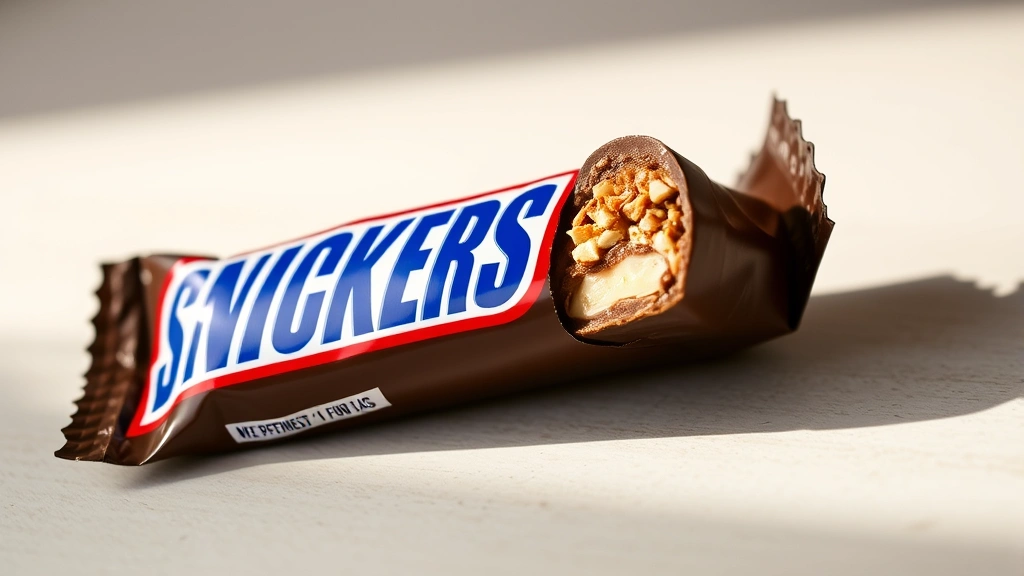
Fun Size Snickers: Calorie Count Revealed!
When it comes to satisfying a chocolate craving without going overboard, Fun Size Snickers bars have become a go-to choice for millions of people worldwide. These bite-sized treats offer the classic combination of nougat, caramel, peanuts, and chocolate that Snickers is famous for, but in a more manageable portion. However, understanding the nutritional breakdown of these candies is essential for anyone monitoring their dietary intake, whether you’re counting calories for weight management, tracking macronutrients for fitness goals, or simply making informed food choices.
This comprehensive guide reveals everything you need to know about the calorie content and complete nutrition facts for Fun Size Snickers bars. We’ll explore not just the numbers on the label, but also what those numbers mean in the context of a balanced diet, how they compare to other candy options, and practical tips for enjoying these treats responsibly. Whether you’re a casual candy consumer or someone with specific dietary requirements, understanding the nutritional profile of Fun Size Snickers empowers you to make choices that align with your health goals.
Calories and Basic Nutrition Facts
A single Fun Size Snickers bar contains approximately 250 calories, making it a relatively modest indulgence in the candy world. This calorie count is derived from a 42.5-gram serving size, which represents the standard Fun Size portion that Mars Incorporated distributes. To put this in perspective, a Fun Size Snickers contains roughly 10-12% of a typical 2,000-calorie daily diet, which is reasonable for an occasional treat or planned dessert.
Beyond calories, the complete nutritional snapshot includes 12 grams of total fat, 33 grams of carbohydrates, and 4 grams of protein. The presence of protein, primarily from the peanuts in the bar, distinguishes Snickers from many other chocolate candies that rely solely on sugar and fat. This protein content, while modest, does contribute to satiety—meaning you might feel slightly fuller after consuming a Fun Size Snickers compared to a comparable candy bar with no protein.
The fat content breaks down into approximately 4.5 grams of saturated fat, which accounts for about 22% of the recommended daily saturated fat intake. Additionally, each bar contains about 33 milligrams of sodium and 27 grams of sugar, representing roughly 54% of the recommended daily sugar intake for adults according to the American Heart Association guidelines. These figures highlight why Fun Size Snickers should be considered an occasional treat rather than a regular dietary staple.
When examining nutrition information across different foods, it’s important to consider portion size and frequency of consumption. The Fun Size format is actually beneficial from a portion-control perspective, as the pre-portioned size makes it easier to consume a defined amount rather than freely eating from a larger bar.
Macronutrient Analysis
Understanding the macronutrient composition of Fun Size Snickers provides deeper insight into how this candy fits into various dietary approaches. The three macronutrients—carbohydrates, fats, and proteins—each play distinct roles in nutrition and energy metabolism.
Carbohydrates make up the largest macronutrient component at 33 grams per bar. Of these 33 grams, approximately 27 grams come from added sugars, with the remaining 6 grams being complex carbohydrates from the chocolate, nougat, and other ingredients. The high sugar content means that Fun Size Snickers provides rapid energy that spikes and crashes relatively quickly. This is why many nutritionists recommend consuming candy alongside protein or fiber-rich foods if you do indulge, as this combination helps moderate blood sugar response.
The fat content of 12 grams includes both saturated and unsaturated fats. Approximately 4.5 grams are saturated fats (primarily from chocolate and dairy ingredients), while the remaining 7.5 grams are predominantly unsaturated fats from the peanuts. The peanut-derived unsaturated fats are considered healthier than the saturated fats from chocolate, though both are present in significant quantities. For individuals following a healthy nutrition plan, these fat quantities should be factored into daily totals.
The protein content of 4 grams comes almost entirely from the peanuts in the candy bar. While 4 grams isn’t substantial compared to protein-rich foods like chicken, eggs, or legumes, it does distinguish Snickers from many other candy options. This protein, combined with the fat from the peanuts, creates a slight thermogenic effect—meaning your body uses slightly more energy to digest it compared to pure carbohydrates or fats alone.

Ingredient List and Allergen Information
The Fun Size Snickers bar contains a carefully formulated blend of ingredients designed to create its signature taste and texture. The primary ingredients include milk chocolate (sugar, cocoa butter, milk, cocoa mass, lactose, soy lecithin, salt, artificial flavoring), peanuts, corn syrup, sugar, skim milk, butter, and corn starch. Understanding these ingredients is crucial for anyone with food allergies or sensitivities.
Allergen concerns are paramount when consuming Fun Size Snickers. The candy explicitly contains peanuts, milk, and soy. Individuals with peanut allergies should absolutely avoid this product, as peanuts are a primary ingredient rather than a trace contaminant. The milk content makes it unsuitable for vegans and those with lactose intolerance, though lactose-free alternatives may exist for some consumers. The soy lecithin, used as an emulsifier, means those with soy allergies must also avoid this candy.
Additionally, while not always listed as an allergen, the facility that produces Fun Size Snickers may process tree nuts, making it potentially unsafe for those with severe tree nut allergies. Always check the packaging for current allergen information and facility processing warnings, as these can change.
For those interested in understanding broader nutritional science, exploring nutrition degree programs can provide deeper knowledge about food composition and dietary science.
How Fun Size Snickers Compares to Other Candies
When evaluating whether Fun Size Snickers is a reasonable candy choice, comparing it to alternatives provides helpful context. A Fun Size Snickers at 250 calories actually sits in the middle range of fun-size candies.
Compared to other popular fun-size options:
- Fun Size Milky Way: approximately 220 calories (20-30 less than Snickers)
- Fun Size Reese’s Peanut Butter Cups: approximately 200-210 calories (40-50 less than Snickers)
- Fun Size Twix: approximately 250 calories (comparable to Snickers)
- Fun Size Three Musketeers: approximately 170-180 calories (significantly less than Snickers)
- Fun Size M&M’s: approximately 220-240 calories (slightly less than Snickers)
What makes Fun Size Snickers unique in this comparison is the protein content. Most fun-size candies contain 0-1 grams of protein, while Snickers provides 4 grams. This makes it marginally more satiating than many alternatives, which can be beneficial for portion control and satisfaction.
The sugar content in Fun Size Snickers (27 grams) is also relatively standard for fun-size candies, as most contain between 24-30 grams of sugar. From a sugar perspective, Snickers is neither particularly high nor particularly low compared to competitors.
Enjoying Snickers in Moderation
The key to incorporating Fun Size Snickers into a healthy diet is understanding moderation and intentional consumption. Rather than viewing candy as forbidden, modern nutrition science encourages a flexible approach where treats can be enjoyed without derailing overall health goals.
Practical strategies for moderate consumption include:
- Pre-portioning: The fun-size format naturally supports portion control. Rather than keeping a large Snickers bar available for repeated snacking, the individual wrapped fun-size bars make it easier to stop at one.
- Planned indulgence: Rather than spontaneously eating candy, intentionally plan when you’ll enjoy a Fun Size Snickers. This transforms it from mindless snacking into a deliberate treat.
- Pairing with balanced meals: If consuming a Fun Size Snickers, pair it with a meal or snack that includes protein, healthy fats, and fiber. This moderates blood sugar response and improves overall satiety.
- Frequency limits: For most people, enjoying fun-size candies 2-3 times per week is reasonable, while daily consumption would be excessive for most dietary approaches.
- Substitution awareness: Rather than adding a Fun Size Snickers to your daily intake, consider it as a substitute for another sweet or dessert rather than an addition.
For those concerned about how candy affects broader health outcomes, understanding nutrition and mental health connections reveals that occasional treats don’t negatively impact cognitive function when consumed as part of a balanced diet.
Daily Value Percentages Explained
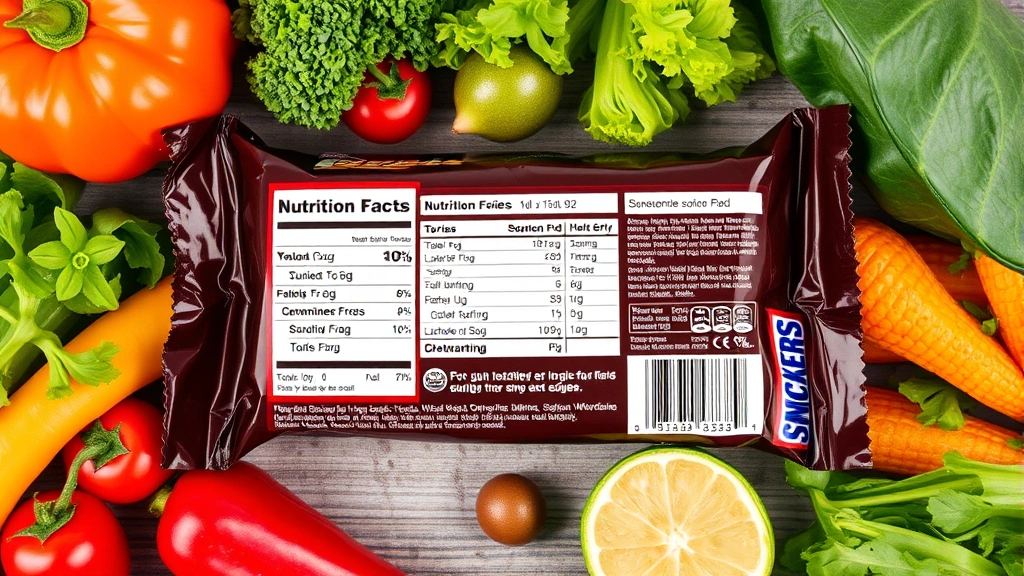
The nutrition label on a Fun Size Snickers package includes Daily Value (DV) percentages, which help you understand how this candy fits into recommended daily nutrient intake. These percentages are based on a 2,000-calorie diet, though individual needs vary based on age, sex, activity level, and health status.
Key Daily Value percentages for Fun Size Snickers:
- Total Fat (12g): 15% of the recommended daily value (65 grams)
- Saturated Fat (4.5g): 22% of the recommended daily value (20 grams)
- Cholesterol (5mg): 2% of the recommended daily value (300 milligrams)
- Sodium (33mg): 1% of the recommended daily value (2,300 milligrams)
- Total Carbohydrate (33g): 11% of the recommended daily value (300 grams)
- Dietary Fiber (1g): 4% of the recommended daily value (25 grams)
- Total Sugars (27g): 54% of the recommended daily value (50 grams)
- Protein (4g): 8% of the recommended daily value (50 grams)
The most notable figure is the 54% daily value for sugar, indicating that a single Fun Size Snickers represents more than half of the recommended daily added sugar intake. This emphasizes why it should be treated as an occasional indulgence rather than a regular snack.
Nutritional Impact on Your Diet
Understanding how Fun Size Snickers fits into your overall dietary pattern is more important than obsessing over a single candy bar. A person who consumes one Fun Size Snickers once per week while maintaining a balanced diet rich in whole foods will experience negligible negative health impacts. Conversely, someone consuming multiple bars daily alongside other processed foods and sugary beverages will see cumulative negative effects on metabolic health, weight management, and blood sugar regulation.
For individuals following specific dietary approaches, Fun Size Snickers presents different considerations. Those pursuing nutrition for athletes and performance optimization might use a Fun Size Snickers as a quick carbohydrate source post-workout, leveraging the 33 grams of carbs for glycogen replenishment. The 4 grams of protein adds minimal contribution to muscle recovery, but the peanut-derived fats provide satiety.
For those managing diabetes or blood sugar concerns, the 27 grams of sugar per bar represents a significant glycemic load. Consuming it with protein and fat—such as eating it after a balanced meal rather than on an empty stomach—helps moderate blood sugar response. Consulting with a healthcare provider or registered dietitian about appropriate candy consumption remains advisable for those with metabolic concerns.
Weight management strategies often involve flexible dieting approaches that allow for treats when they’re accounted for within caloric goals. A Fun Size Snickers at 250 calories can fit within most calorie-controlled diets when other portions are adjusted accordingly. The key is awareness and intentionality rather than restriction.
FAQ
How many calories are in a Fun Size Snickers bar?
A standard Fun Size Snickers bar contains approximately 250 calories. This is based on the 42.5-gram serving size that represents a single bar. The calorie content comes from a combination of sugar (providing most calories), fats from chocolate and peanuts, and a small amount from protein.
Is Fun Size Snickers suitable for a keto diet?
No, Fun Size Snickers is not suitable for a ketogenic diet. With 33 grams of carbohydrates per bar—27 of which are sugar—a single Fun Size Snickers would exceed or significantly impact daily carbohydrate limits typically maintained on keto diets (usually 20-50 grams per day). The carbohydrate content would prevent or interrupt ketosis.
Does Fun Size Snickers contain any artificial sweeteners?
Standard Fun Size Snickers does not contain artificial sweeteners; it uses sugar as its primary sweetening ingredient. However, Mars Incorporated does produce a Snickers Sugar-Free version that uses sugar alcohols like sorbitol and maltitol as sweeteners. Always check the specific product label, as formulations can vary by region and change over time.
How much protein is in Fun Size Snickers?
Each Fun Size Snickers bar contains 4 grams of protein, which comes almost entirely from the peanuts in the candy. While this is modest compared to dedicated protein sources like chicken, eggs, or protein powders, it does provide slightly more protein than many other candy bars of similar size.
Can I eat Fun Size Snickers if I have a peanut allergy?
No, you should absolutely avoid Fun Size Snickers if you have a peanut allergy. Peanuts are a primary ingredient in Snickers, not a trace contaminant. Even individuals with mild peanut allergies could experience serious reactions. Those with peanut allergies should explore alternative candy options explicitly labeled peanut-free.
What’s the sodium content in Fun Size Snickers?
A Fun Size Snickers bar contains approximately 33 milligrams of sodium, representing just 1% of the recommended daily value. This is quite low, making Snickers a reasonable choice for those monitoring sodium intake due to hypertension or other health conditions. Most of the sodium comes from the chocolate and other ingredients rather than added salt.
How does Fun Size Snickers compare nutritionally to Snickers minis or full-size bars?
Fun Size Snickers falls between Snickers Minis (approximately 50 calories per piece) and full-size Snickers bars (approximately 460 calories per bar). The nutritional profile scales proportionally—minis contain roughly one-fifth the calories and nutrients, while full-size bars contain roughly double. The macronutrient ratios remain similar across sizes.
Is Fun Size Snickers vegan-friendly?
No, Fun Size Snickers is not vegan-friendly. It contains multiple animal-derived ingredients including milk, milk fat, and lactose from dairy products. The presence of these ingredients disqualifies it from vegan diets. Additionally, some vegans avoid products that contain sugar processed with bone char, though this isn’t explicitly disclosed on most candy labels.
What are the main ingredients in Fun Size Snickers?
The primary ingredients are milk chocolate (containing sugar, cocoa butter, milk, and cocoa mass), roasted peanuts, corn syrup, sugar, skim milk, butter, and corn starch. These ingredients combine to create the characteristic nougat-caramel-peanut-chocolate combination Snickers is known for. The specific formulation may vary slightly by region.
How often is it okay to eat Fun Size Snickers?
For most people following a balanced diet, consuming a Fun Size Snickers 2-3 times per week is reasonable. Daily consumption would contribute excessive sugar and calories for most dietary approaches. Those with specific health conditions like diabetes, obesity concerns, or metabolic syndrome should consult healthcare providers about appropriate candy consumption frequency.


