In-N-Out Nutrition Facts: Comprehensive Dietitian’s Analysis
In-N-Out Burger has built its reputation on simplicity, quality ingredients, and affordability since 1948. However, when it comes to nutrition, simplicity doesn’t necessarily mean health-conscious choices. As a fast-casual dining establishment, In-N-Out offers menu items that range from relatively balanced to calorie-dense options. Understanding the nutrition facts for In-N-Out menu items is essential for anyone trying to maintain dietary goals while enjoying occasional fast food meals. This comprehensive analysis breaks down the nutritional content of popular menu items, helping you make informed decisions aligned with your health objectives.
Whether you’re following a specific healthy nutrition plan or simply curious about what you’re consuming, this dietitian-backed guide provides transparent nutritional breakdowns and practical recommendations for enjoying In-N-Out responsibly. The chain’s transparency with nutritional information makes it easier than ever to track macronutrients and make choices that support your wellness goals.
Burger Nutrition Breakdown
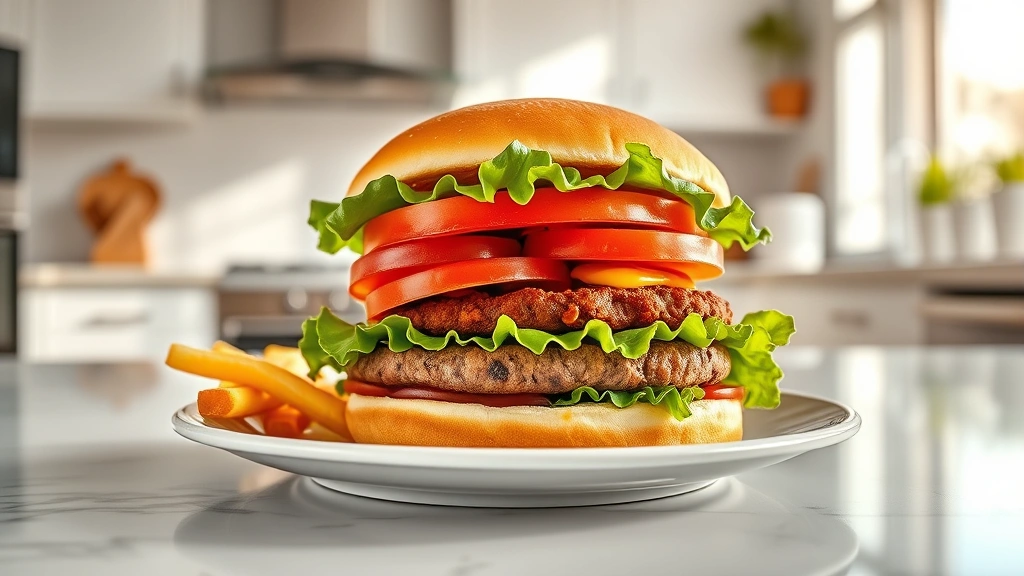
In-N-Out’s burger offerings form the core of their menu, and understanding their nutritional profiles is crucial for dietary planning. The Double-Double, their signature item, contains approximately 670 calories, with 41 grams of fat, 39 grams of carbohydrates, and 39 grams of protein. This makes it a relatively protein-rich fast food option compared to competitors, though the calorie count represents roughly one-third of a standard 2,000-calorie daily intake.
The classic cheeseburger presents a lighter alternative at 480 calories, still delivering 27 grams of protein with 23 grams of fat and 39 grams of carbohydrates. For those monitoring their intake, the protein-to-calorie ratio on In-N-Out burgers is actually favorable compared to many fast food chains. The beef patties are made from fresh, never-frozen meat, which contributes to better flavor and potentially fewer additives than competitors using pre-frozen options.
One often-overlooked nutritional consideration is the quality of the ingredients. In-N-Out uses simple, recognizable components: beef, cheese, lettuce, tomato, onion, and their signature spread. This transparency about ingredients helps customers understand exactly what they’re consuming, distinguishing In-N-Out from chains with extensive additive lists. However, the buns themselves contribute refined carbohydrates without substantial fiber content, which is important for those tracking carbohydrate quality.
The Single burger option, available as a secret menu item, offers 390 calories with 16 grams of protein, making it an excellent choice for portion-conscious diners. This demonstrates how flexibility in ordering can significantly impact your nutritional intake without sacrificing the In-N-Out experience.
Fries and Beverage Options
In-N-Out’s fresh-cut fries are cooked in 100% vegetable oil and contain no animal products, making them suitable for vegetarian diets. However, the nutritional profile warrants careful consideration. A regular order of fries contains 365 calories, 17 grams of fat, and 48 grams of carbohydrates, with minimal protein at just 4 grams. This high carbohydrate-to-protein ratio means fries alone won’t keep you satisfied as long as protein-rich options would.
The beverage selection at In-N-Out ranges from water and unsweetened tea to various sodas and shakes. Their vanilla shake contains 580 calories, 23 grams of fat, 81 grams of carbohydrates, and 15 grams of protein. While it functions as a dessert rather than a balanced meal component, it’s worth noting that shakes from In-N-Out contain no artificial flavors or sweeteners—they use real ice cream and fresh milk. For those interested in understanding how different nutrients affect cognitive function, exploring nutrition and mental health connections provides valuable context for dietary choices.
Soft drinks at In-N-Out are particularly calorie-dense without nutritional benefit. A medium Coca-Cola contains 220 calories from 61 grams of sugar, with zero protein, fiber, or micronutrients. Choosing unsweetened tea or water instead can reduce your meal’s caloric content by 200+ calories without sacrificing satisfaction. Many patrons don’t realize they can request any beverage without extra charge, making water or tea equally convenient choices.

Protein and Macronutrient Profile
For individuals focused on evidence-based nutrition science, In-N-Out’s protein content deserves recognition. The Double-Double’s 39 grams of protein from a 670-calorie meal represents approximately 23% of calories from protein, which aligns well with most dietary guidelines recommending 10-35% of daily calories from protein sources. This is superior to many competing burger chains where protein percentages fall closer to 15-18%.
The fat content in In-N-Out burgers includes saturated fat, which comprises approximately 17 grams in a Double-Double. While the American Heart Association recommends limiting saturated fat to 5-6% of daily calories (roughly 11-13 grams on a 2,000-calorie diet), the beef’s saturated fat content should be contextualized within your entire day’s consumption. Many individuals can accommodate a higher saturated fat meal if they maintain lower saturated fat intake at other meals.
Understanding macronutrient balance is essential for various fitness and health goals. Those pursuing muscle development benefit from In-N-Out’s protein availability, while individuals managing blood sugar levels should note that burgers contain 39-40 grams of carbohydrates, primarily from refined flour buns. The glycemic impact varies based on individual metabolism and what else you consume during the meal.
Micronutrient content, including vitamins and minerals, varies by menu item but typically includes iron from beef, calcium from cheese and milk products, and various B vitamins. However, In-N-Out meals are not significant sources of fiber, vitamin C, or several other essential micronutrients, suggesting the importance of balancing fast food meals with whole foods at other eating occasions.
Sodium and Heart Health Considerations
Perhaps the most significant nutritional concern with In-N-Out menu items is sodium content. A Double-Double burger contains approximately 1,100 milligrams of sodium, representing nearly 48% of the 2,300-milligram daily limit recommended by the American Heart Association. This substantial sodium load becomes particularly concerning for individuals with hypertension or those with family histories of cardiovascular disease.
The sodium primarily comes from the meat seasoning, cheese, and the special spread used on burgers. While this flavoring contributes to In-N-Out’s distinctive taste, it significantly impacts daily sodium totals. Adding fries (which contain another 246 milligrams) pushes a simple burger meal to approximately 1,350 milligrams of sodium—nearly 60% of recommended daily intake in a single meal.
According to American Heart Association guidelines, excessive sodium intake contributes to elevated blood pressure, increased cardiovascular disease risk, and kidney stress. For individuals managing hypertension or following heart-healthy diets, In-N-Out meals should be occasional choices rather than regular consumption patterns.
Interestingly, In-N-Out doesn’t offer many naturally low-sodium alternatives on their standard menu. The protein-rich beef and cheese-based items inherently contain significant sodium, and even vegetable options like lettuce and tomato don’t substantially reduce meal sodium when combined with standard preparation methods.
Smart Customization Strategies
In-N-Out’s secret menu and customization options provide significant opportunities for nutritional optimization. Requesting a burger “protein style”—wrapped in lettuce instead of a bun—eliminates 39 grams of carbohydrates and reduces the meal to approximately 330 calories (for a single cheeseburger). This modification appeals particularly to individuals following low-carbohydrate or ketogenic diets.
Customizing burger components offers additional control. Requesting extra lettuce, tomato, and onion while removing special sauce reduces calorie and fat intake while increasing vegetable content and fiber slightly. Asking for no cheese on a burger saves 50-80 calories and reduces saturated fat by approximately 5 grams, though it also removes some protein contribution.
Beverage selection represents perhaps the easiest customization opportunity. Substituting water, unsweetened iced tea, or diet beverages for regular soda can save 200-300 calories per meal. Since beverages don’t contribute satiety the way solid foods do, this represents a “free” calorie reduction without hunger consequences for most people.
Portion adjustment through the secret menu offers another strategy. Ordering a Single burger instead of a Double-Double reduces calories by 280 while maintaining the signature In-N-Out experience. Many customers find that combining a Single with water and fries provides satisfying portions at more moderate calorie levels.
For those seeking to incorporate In-N-Out into balanced nutrition, pairing a burger with vegetable sides from home or consuming lighter meals at other eating occasions throughout the day helps contextualize the meal within overall dietary patterns. This approach, supported by Academy of Nutrition and Dietetics guidance, emphasizes dietary patterns rather than individual meal perfection.
Fitting In-N-Out Into Various Diets
In-N-Out menu items can be incorporated into various dietary approaches when customized appropriately. For low-carbohydrate diets, protein-style burgers become excellent options, providing substantial protein and fat while minimizing carbohydrate intake. A protein-style Double-Double contains approximately 52 grams of protein with only 11 grams of net carbohydrates, fitting well within daily carb limits for most keto-followers.
Those pursuing high-protein fitness goals find In-N-Out particularly accommodating. A Double-Double or Double-meat Single provides 39-50 grams of protein per meal, supporting muscle development and recovery. Combining this with water instead of calorie-containing beverages keeps the meal relatively efficient for protein goals without excessive calorie density.
Vegetarian diets present challenges at In-N-Out, as the menu lacks substantial plant-based protein options. However, ordering fries (made in vegetable oil) with a grilled cheese (available on the secret menu) provides a vegetarian option, though it’s not particularly nutrient-dense. Interested individuals should explore omega-3 fatty acid sources and other plant-based nutrition strategies to supplement occasional fast food meals.
For calorie-restricted diets, In-N-Out requires strategic choices. A Single burger (390 calories) with water and no sides represents a reasonable meal for 1,500-1,800 calorie daily targets. However, typical combo meals easily exceed 1,000 calories, making them problematic for aggressive calorie restriction without careful planning.
Individuals managing diabetes or blood sugar should note that In-N-Out meals contain moderate to high carbohydrate content (39-48 grams per burger), which can significantly impact blood glucose levels. Protein-style options reduce carbohydrate load substantially, making them preferable for glucose management. Pairing any In-N-Out burger with protein and fat helps slow carbohydrate absorption, moderating blood sugar spikes.
For those interested in comprehensive dietary planning beyond individual meals, visiting the Nutrients Pathway Blog provides additional evidence-based nutrition guidance for various health goals and dietary approaches.

FAQ
What is the lowest-calorie option at In-N-Out?
The lowest-calorie standard menu item is a Single hamburger at 390 calories. Protein-style burgers reduce calorie counts further by eliminating the bun, resulting in approximately 330 calories for a protein-style Single cheeseburger. Water and unsweetened tea are zero-calorie beverage options.
How much protein does an In-N-Out burger contain?
A Single burger contains 16 grams of protein, a cheeseburger contains 22 grams, a Double-Double contains 39 grams, and a Double-meat Single contains approximately 32 grams. Protein content scales with the number of beef patties and cheese slices.
Is In-N-Out suitable for low-carb diets?
Standard In-N-Out burgers contain 39-40 grams of carbohydrates from the bun. However, ordering protein-style (lettuce-wrapped) reduces carbohydrates to approximately 11 grams net carbs, making it suitable for ketogenic and low-carbohydrate diets when customized appropriately.
What’s the sodium content in In-N-Out meals?
A Double-Double burger contains approximately 1,100 milligrams of sodium. Adding fries adds another 246 milligrams, bringing a typical combo meal to 1,350+ milligrams of sodium—nearly 60% of the recommended daily limit. This is a significant consideration for those managing blood pressure.
Can I customize In-N-Out for dietary restrictions?
Yes, In-N-Out offers extensive customization through their secret menu and special requests. You can order protein-style, request no cheese, add extra vegetables, remove special sauce, or modify portions. These customizations help accommodate various dietary goals and restrictions.
Does In-N-Out use fresh ingredients?
In-N-Out uses fresh, never-frozen beef patties and fresh-cut potatoes for fries. They don’t use artificial flavors or preservatives in their standard menu items. However, the buns contain refined flour without whole grain options, and sodium content remains high due to seasoning and preparation methods.
How does In-N-Out compare nutritionally to other fast food chains?
In-N-Out’s protein-to-calorie ratio is favorable compared to many competitors, and their ingredient simplicity is notable. However, sodium content is high across menu items, similar to industry standards. The use of fresh, never-frozen beef and real ice cream distinguishes In-N-Out positively from competitors using processed alternatives.
Is In-N-Out a good option for weight loss?
In-N-Out can fit into weight loss plans when portions are controlled and customized appropriately. A Single burger with water represents a relatively moderate-calorie meal (390 calories) compared to typical fast food options. However, regular consumption of combo meals makes weight loss more challenging due to calorie density and high carbohydrate content.


