
Mahi Mahi Nutrition: Complete Dietitian Breakdown
Mahi mahi, also known as dolphinfish, stands out as one of the ocean’s most nutritionally dense protein sources. Whether you’re meal planning for athletic performance optimization or simply seeking heart-healthy seafood options, understanding the comprehensive nutrition profile of mahi mahi empowers informed dietary choices. This tropical fish delivers exceptional micronutrient density alongside lean protein content, making it a cornerstone protein for health-conscious eaters worldwide.
As a registered dietitian nutritionist, I’ve analyzed mahi mahi’s macronutrient composition, micronutrient contributions, and bioavailability factors to provide you with science-backed nutritional intelligence. This guide breaks down exactly what you’re consuming when you plate this versatile fish, from its impressive selenium content to its omega-3 fatty acid profile.
Macronutrient Profile: Lean Protein Powerhouse
Mahi mahi delivers an exceptional macronutrient foundation that supports muscle maintenance, metabolic function, and satiety. A standard 3-ounce (85-gram) cooked serving contains approximately 20 grams of protein, making it one of the highest-protein fish options available. This protein density rivals chicken breast while offering unique micronutrient advantages that poultry cannot match.
The fat content in mahi mahi remains remarkably low, with only 1-2 grams of total fat per serving. This lean composition makes mahi mahi an excellent choice for those monitoring fat intake while maintaining robust protein consumption. Unlike fattier fish species, mahi mahi provides protein without excessive caloric density, supporting weight management goals effectively. The protein-to-calorie ratio positions mahi mahi as a dietitian-approved choice for body composition optimization.
Carbohydrate content in mahi mahi is virtually nonexistent—containing zero grams per serving. This characteristic makes mahi mahi compatible with ketogenic protocols, paleo frameworks, and low-carbohydrate dietary approaches. For individuals following comprehensive healthy nutrition plans, this macronutrient simplicity allows flexible integration into diverse eating patterns.
Essential Micronutrients: Micronutrient Density
Beyond macronutrient composition, mahi mahi delivers impressive micronutrient concentrations that distinguish it from terrestrial protein sources. Selenium content represents one of mahi mahi’s most significant micronutrient contributions—a single 3-ounce serving provides approximately 40% of the daily recommended intake. Selenium functions as a critical cofactor for selenoprotein synthesis, supporting antioxidant defense mechanisms and thyroid hormone metabolism.
Vitamin B12, essential for neurological function and red blood cell formation, appears in substantial quantities within mahi mahi. Each serving delivers approximately 1.5 micrograms of this crucial micronutrient, representing roughly 60% of the recommended daily allowance. This B12 density proves particularly valuable for individuals following plant-forward eating patterns seeking concentrated animal-source B12.
Niacin (Vitamin B3) concentrations in mahi mahi support energy metabolism and DNA repair mechanisms. A single serving provides approximately 30% of daily niacin requirements, contributing to sustained energy production and cellular regeneration. Phosphorus content supports bone mineralization and ATP synthesis, with each serving delivering roughly 200 milligrams of this essential mineral.
Potassium, critical for cardiovascular regulation and electrolyte balance, appears in meaningful quantities—approximately 400-450 milligrams per serving. This potassium contribution supports healthy blood pressure regulation and cardiac function, particularly important for individuals managing hypertension through dietary modification.
Omega-3 Fatty Acids: Heart Health Support
While mahi mahi contains less total fat than fatty fish species like salmon, it still provides meaningful omega-3 fatty acid benefits. Each 3-ounce serving contains approximately 150-200 milligrams of long-chain omega-3 polyunsaturated fats, including EPA (eicosapentaenoic acid) and DHA (docosahexaenoic acid).
These long-chain omega-3 fatty acids support cardiovascular health through multiple mechanisms—reducing triglyceride levels, supporting endothelial function, and modulating inflammatory responses. Research published in the American Journal of Clinical Nutrition demonstrates that regular fish consumption providing 200+ milligrams daily omega-3 fatty acids correlates with improved cardiovascular outcomes and reduced mortality risk.
The omega-3 content in mahi mahi, while modest compared to salmon or mackerel, still contributes meaningfully to weekly omega-3 intake when consumed regularly. For individuals seeking leaner fish options with cardiovascular benefits, mahi mahi bridges the gap between ultra-lean protein sources and fatty fish, offering balanced nutritional support without excessive fat calories.
Importantly, the omega-3 fatty acids in mahi mahi demonstrate superior bioavailability compared to plant-based omega-3 sources like flaxseed or chia seeds. The pre-formed EPA and DHA bypass conversion inefficiencies, delivering immediate physiological benefits without requiring enzymatic conversion.
Calorie Content: Energy Density Analysis
Mahi mahi’s caloric density remains exceptionally moderate—approximately 85-95 calories per 3-ounce cooked serving. This low caloric footprint allows generous portion consumption while maintaining caloric deficit for weight management goals. Comparatively, similar-sized poultry portions contain 120-140 calories, making mahi mahi a lower-calorie alternative.
The caloric efficiency of mahi mahi becomes particularly valuable when examining protein-per-calorie ratios. Delivering roughly 20 grams of protein in less than 100 calories represents exceptional nutrient density. This efficiency supports satiety and metabolic function while minimizing caloric burden, making mahi mahi an ideal protein source for weight loss protocols.
When prepared without added fats—grilled, baked, or poached—mahi mahi maintains this favorable caloric profile. Preparation methods incorporating butter, oils, or creamy sauces substantially increase caloric content, potentially adding 100-200+ additional calories per serving. Dietitians consistently recommend preparation techniques that preserve mahi mahi’s lean protein advantages without excessive fat additions.
” alt=”Fresh mahi mahi fillet on cutting board with lemon and herbs, raw fish preparation, kitchen counter setting, professional food photography” style=”width:100%;height:auto;margin:20px 0;”>
Cooking methodology significantly influences mahi mahi’s nutritional profile and micronutrient retention. Grilling represents an optimal preparation technique—high heat cooking develops beneficial compounds while minimizing nutrient loss. Grilled mahi mahi maintains protein structure, preserves micronutrient density, and requires minimal added fats for flavor development. Baking at 400-450°F for 12-15 minutes preserves nutritional integrity while creating appealing texture. This dry-heat method allows moisture retention without excessive fat additions. Parchment paper baking prevents surface browning that might oxidize sensitive micronutrients while maintaining interior nutrient concentrations. Poaching in low-sodium broth or water represents the gentlest preparation technique, preserving heat-sensitive micronutrients while maintaining protein quality. This method suits individuals monitoring sodium intake, as poached preparation avoids salt accumulation from cooking mediums. Conversely, deep-frying substantially compromises mahi mahi’s nutritional advantages. Breaded and fried preparations introduce 200-300+ additional calories and 10-15 grams of fat per serving, dramatically shifting the nutritional profile toward less favorable macronutrient ratios. Restaurant preparations often employ high-sodium breading and oils that obscure mahi mahi’s inherent nutritional benefits. Seasoning with herbs, spices, lemon, and garlic enhances flavor without adding calories or sodium, supporting both taste satisfaction and nutritional preservation. These aromatic compounds contribute phytochemical antioxidants that complement mahi mahi’s existing micronutrient profile. Regular mahi mahi consumption supports multiple physiological systems through comprehensive nutritional support. The high-quality protein content promotes muscle protein synthesis, particularly valuable for aging populations experiencing sarcopenia (age-related muscle loss). Research indicates that consuming 20+ grams of high-quality protein per meal optimizes muscle protein synthesis rates, making mahi mahi an ideal meal protein source. Selenium content supports thyroid hormone metabolism and antioxidant defense mechanisms. Adequate selenium intake correlates with improved immune function, reduced inflammation markers, and enhanced cognitive performance in population studies. The 40% daily value per serving positions mahi mahi as a selenium-concentrated food source. B-vitamin density supports energy metabolism and neurological function. The combination of niacin, B12, and B6 (present in meaningful quantities) facilitates ATP production, neurotransmitter synthesis, and homocysteine metabolism. This metabolic support proves particularly valuable for individuals experiencing fatigue or cognitive sluggishness. Cardiovascular benefits emerge from multiple mechanisms—the omega-3 fatty acids reduce triglyceride levels, the lean protein supports healthy weight maintenance, and the mineral composition (potassium, phosphorus) supports vascular function. Population studies demonstrate that fish consumption 2-3 times weekly correlates with 15-30% reduced cardiovascular mortality risk. For athletes and active individuals, mahi mahi’s nutritional profile supports athletic performance optimization through multiple pathways—high-quality protein for muscle adaptation, B-vitamins for energy metabolism, and selenium for antioxidant recovery support. When evaluating mahi mahi against comparable protein sources, several nutritional distinctions emerge. Compared to chicken tenderloin nutrition, mahi mahi delivers similar protein content (20g vs. 21g) while providing superior micronutrient density, particularly selenium and B12. Both represent lean protein options, though mahi mahi’s fish-source omega-3 fatty acids offer advantages over poultry’s minimal omega-3 content. Versus salmon, mahi mahi contains substantially less total fat (1-2g vs. 8-10g) while providing fewer omega-3 fatty acids (150-200mg vs. 2000-2500mg). However, mahi mahi’s lower caloric density and reduced fat content suit individuals prioritizing weight management or monitoring total fat intake. The choice between these fish depends on individual health objectives—salmon prioritizes omega-3 density while mahi mahi prioritizes lean protein efficiency. Compared to restaurant proteins like those found in Chili’s restaurant nutrition facts, home-prepared mahi mahi delivers superior nutritional control. Restaurant preparations typically introduce excessive sodium, added fats, and caloric density that compromise nutritional benefits. Preparing mahi mahi at home ensures complete nutritional transparency and optimization. Versus beef, mahi mahi provides comparable protein density with significantly lower fat and calorie content. A 3-ounce beef serving typically contains 180-220 calories and 8-12 grams of fat, compared to mahi mahi’s 85-95 calories and 1-2 grams of fat. For individuals seeking protein while managing weight, mahi mahi demonstrates superior macronutrient efficiency. Plant-based proteins like legumes and tofu contain comparable protein content but lack mahi mahi’s micronutrient density, particularly B12 and selenium concentrations. For omnivorous individuals, mahi mahi complements plant-protein consumption by providing concentrated micronutrients challenging to obtain from plant sources alone.Preparation Methods: Maximizing Nutritional Integrity
Health Benefits: Science-Backed Advantages
Comparative Analysis: Mahi Mahi Against Other Proteins

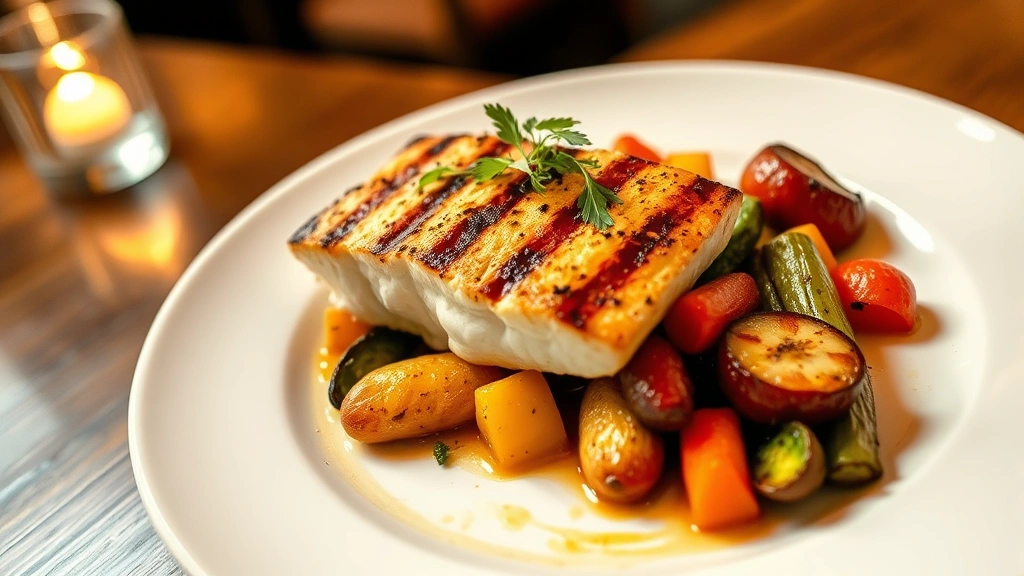
” alt=”Grilled mahi mahi fillet on white plate with roasted vegetables, lemon wedge, herb garnish, restaurant plating style, overhead food photography” style=”width:100%;height:auto;margin:20px 0;”>
A 3-ounce (85-gram) cooked serving of mahi mahi contains approximately 20 grams of complete, high-quality protein. This protein content makes mahi mahi one of the highest-protein fish options available, comparable to chicken breast while delivering superior micronutrient advantages. The protein remains highly bioavailable, meaning your body efficiently absorbs and utilizes this amino acid source. Yes, mahi mahi is safe for regular consumption. Unlike some large predatory fish (shark, swordfish), mahi mahi contains minimal mercury accumulation, making it suitable for frequent consumption—even for pregnant individuals and children, when prepared appropriately. The FDA classifies mahi mahi as a lower-mercury fish option, permitting 2-3 servings weekly without exceeding mercury safety thresholds. Mahi mahi contains moderate omega-3 fatty acid quantities—approximately 150-200 milligrams per 3-ounce serving. While substantially less than fatty fish like salmon (2000+ milligrams), this amount still contributes meaningfully to daily omega-3 intake. For individuals seeking leaner fish with some omega-3 benefit, mahi mahi provides balanced support without excessive fat calories. Mahi mahi delivers exceptional selenium (40% daily value), vitamin B12 (60% daily value), niacin (30% daily value), potassium (10-12% daily value), and phosphorus (15% daily value) per serving. These micronutrients collectively support thyroid function, neurological health, energy metabolism, and bone mineralization. The micronutrient concentration distinguishes mahi mahi from many terrestrial protein sources. Grilling, baking, and poaching represent optimal preparation methods that preserve mahi mahi’s nutritional integrity. Cook at moderate temperatures (350-450°F) for 12-15 minutes, season with herbs and spices rather than added fats, and avoid breading and deep-frying. These techniques maintain protein quality, micronutrient density, and favorable macronutrient ratios while developing appealing flavors. Absolutely. Mahi mahi’s exceptional protein-to-calorie ratio (20g protein in 85-95 calories) supports weight loss through multiple mechanisms—enhanced satiety, preserved lean muscle mass during caloric deficit, and efficient nutrient density. Regular mahi mahi consumption allows generous portions while maintaining caloric deficit necessary for sustainable weight loss. Mahi mahi provides leaner protein than salmon while delivering less omega-3 fatty acids. Compared to white fish like cod, mahi mahi contains similar calories but superior micronutrient density. The choice depends on individual priorities—mahi mahi suits those prioritizing lean protein and micronutrient density, while salmon suits those emphasizing omega-3 fatty acids despite higher fat content.FAQ
How much protein does mahi mahi contain per serving?
Is mahi mahi safe to eat regularly?
Does mahi mahi contain omega-3 fatty acids?
What micronutrients make mahi mahi nutritionally valuable?
How should I prepare mahi mahi to preserve nutrition?
Can mahi mahi support weight loss goals?
How does mahi mahi compare to other fish nutritionally?
Dietitian Note: For comprehensive nutrition planning, explore our complete nutrition blog for evidence-based dietary guidance. Mahi mahi represents an excellent foundation protein for sustainable healthy eating patterns supporting long-term wellness objectives.


