Gala Apple Nutrition Facts: Expert Analysis
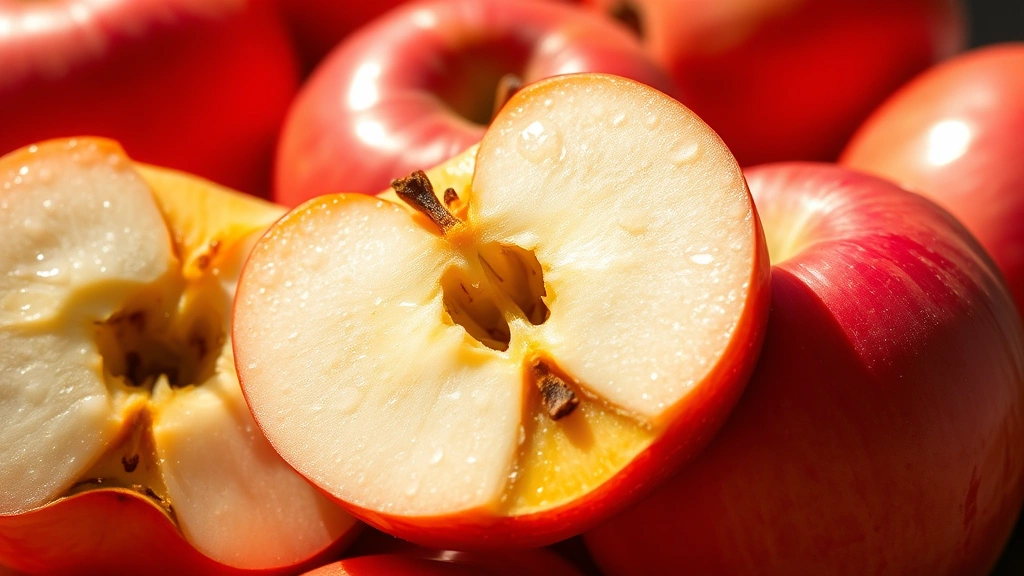
Gala apples represent one of the most popular and nutritionally dense apple varieties consumed globally. With their distinctive red-orange striping and crisp, sweet flesh, Gala apples have become a staple in households and health-conscious dietary regimens. Understanding the comprehensive nutrition facts of a gala apple provides valuable insight into how this fruit contributes to overall wellness and daily nutritional requirements. This expert analysis explores the detailed nutritional profile, health benefits, and practical applications of Gala apples in a balanced diet.
The nutritional composition of Gala apples extends far beyond simple sugar content. Modern nutritional science has revealed that these apples deliver a complex array of vitamins, minerals, phytochemicals, and fiber compounds that work synergistically to support human health. Whether you’re developing a healthy nutrition plan or seeking to optimize your daily intake of essential nutrients, Gala apples merit serious consideration as a dietary cornerstone.
This comprehensive guide draws from peer-reviewed nutritional research and expert dietary analysis to provide you with accurate, actionable information about Gala apple consumption. We’ll examine macronutrients, micronutrients, bioactive compounds, and practical recommendations for integrating these fruits into your wellness strategy.
Complete Nutritional Breakdown per Medium Apple
A medium-sized Gala apple, weighing approximately 182 grams, contains a remarkably balanced nutritional profile that makes it an excellent choice for health-conscious consumers. The foundational nutritional data provides the framework for understanding how this fruit fits into daily dietary requirements.
According to the USDA Food Data Central database, a medium Gala apple (182g) contains approximately 95 calories, making it an exceptionally low-calorie food option suitable for various dietary approaches. The fruit delivers approximately 25.1 grams of carbohydrates, with 4.4 grams attributable to dietary fiber and the remainder consisting primarily of natural sugars including glucose, fructose, and sucrose.
The macronutrient distribution demonstrates why Gala apples serve as ideal snacks for individuals pursuing metabolic health. With virtually no fat content (0.3g) and minimal protein (0.5g), the caloric density remains exceptionally low while delivering substantial micronutrient value. This composition makes Gala apples particularly suitable for those seeking to maintain or achieve healthy weight while ensuring adequate nutrient intake.
Water content comprises approximately 86% of a medium Gala apple’s total weight, contributing to its hydrating properties and low energy density. This high water content enhances satiety, meaning consumers feel fuller longer despite the minimal caloric contribution, making Gala apples an strategic component of weight management strategies.
Macronutrient Profile and Caloric Content
The macronutrient composition of Gala apples reveals why nutritionists frequently recommend them as optimal fruit choices for diverse dietary objectives. The carbohydrate profile deserves particular attention, as it demonstrates the fruit’s capacity to provide energy without excessive sugar concentration.
Carbohydrates in Gala apples present primarily as natural sugars with a glycemic index of approximately 36, classifying them as low glycemic index foods. This characteristic proves especially valuable for individuals managing blood sugar levels or pursuing sustained energy availability throughout the day. The presence of 4.4 grams of dietary fiber per medium apple significantly moderates the glycemic response, slowing sugar absorption and preventing rapid blood glucose spikes.
The minimal fat content (0.3g per medium apple) consists almost entirely of beneficial unsaturated fatty acids. While apples aren’t significant fat sources, this minimal amount presents no cardiovascular concern and aligns perfectly with contemporary nutritional guidance emphasizing plant-forward eating patterns. The negligible protein content (0.5g) means Gala apples function optimally as complementary foods within balanced meals rather than primary protein sources.
For individuals interested in comprehensive nutritional strategy, understanding how to integrate Gala apples within broader nutrition for building muscle mass protocols reveals important synergistic principles. While apples themselves provide minimal protein, their micronutrient density and digestive benefits support overall nutritional optimization.
Vitamin and Mineral Composition
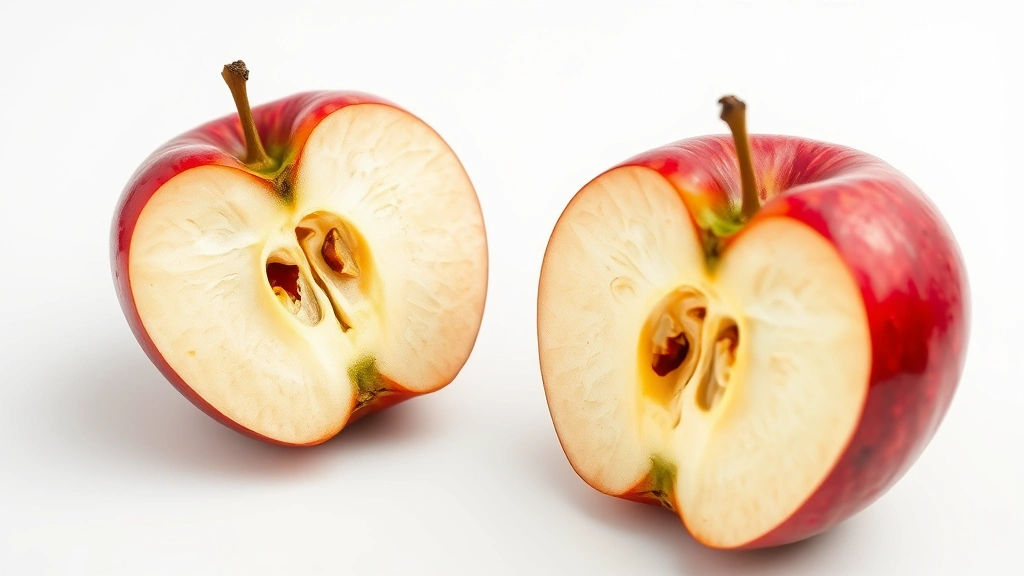
The micronutrient density of Gala apples distinguishes them from many other commonly consumed fruits. While apples aren’t dramatically concentrated sources of individual vitamins or minerals, their balanced micronutrient profile provides meaningful contributions to daily requirements across multiple nutrient categories.
Vitamin C content in Gala apples averages approximately 5.7mg per medium fruit, representing roughly 9-10% of the daily recommended intake for adults. This vitamin functions critically as an antioxidant and cofactor in collagen synthesis, immune function, and iron absorption. The vitamin C content, while moderate compared to citrus fruits, provides meaningful physiological contribution, particularly when consumed fresh immediately after harvesting.
Potassium represents the most abundant mineral in Gala apples, with approximately 195mg per medium fruit. This essential electrolyte supports cardiovascular function, blood pressure regulation, and proper muscle and nerve signaling. For individuals seeking to optimize potassium intake, regular Gala apple consumption contributes meaningfully to daily requirements, particularly in populations where adequate potassium intake remains suboptimal.
Gala apples provide measurable quantities of manganese (approximately 0.05mg), copper (0.03mg), and various B vitamins including B6 and niacin. While individual quantities of these nutrients remain relatively modest, their cumulative contribution supports energy metabolism, nervous system function, and antioxidant defense mechanisms.
The mineral profile extends to calcium (10.9mg), phosphorus (20mg), and magnesium (9.1mg), all contributing to bone health, energy production, and neuromuscular function. This comprehensive micronutrient delivery system exemplifies why whole fruits provide superior nutritional value compared to isolated supplements or processed alternatives.
Dietary Fiber and Digestive Health
Dietary fiber represents one of the most significant nutritional components of Gala apples, with far-reaching implications for digestive health and systemic wellness. A medium Gala apple delivers approximately 4.4 grams of fiber, representing roughly 17% of the recommended daily intake for adults.
The fiber in Gala apples exists in two primary forms: soluble and insoluble fiber. Soluble fiber, present as pectin and other compounds, dissolves in water to form a gel-like substance within the digestive tract. This viscous material slows gastric emptying, moderates blood sugar responses, and provides substrate for beneficial gut bacteria. Research indicates that soluble fiber intake correlates with improved cholesterol profiles and enhanced metabolic health.
Insoluble fiber, which remains largely intact through the digestive process, provides bulk that promotes regular bowel movements and supports colon health. The combination of both fiber types in Gala apples creates a synergistic effect promoting comprehensive digestive function. For those seeking detailed information about fiber’s broader health implications, our guide on the importance of dietary fiber for your health provides extensive analysis.
The prebiotic properties of apple fiber deserve particular attention. Pectin and other fiber components in Gala apples serve as food for beneficial bacteria in the colon, promoting the growth of Lactobacillus and Bifidobacterium species. These commensal organisms produce short-chain fatty acids including butyrate, which provide energy for colonocytes and support intestinal barrier integrity.
Regular consumption of high-fiber foods like Gala apples correlates with reduced risk of colorectal cancer, improved glycemic control, enhanced satiety, and favorable changes in lipid profiles. The digestive benefits extend beyond mechanical function to include immunological and metabolic improvements driven by prebiotic fiber fermentation.
Phytochemicals and Antioxidant Properties
Beyond conventional vitamins and minerals, Gala apples deliver an impressive array of phytochemical compounds that contribute substantially to their health-promoting properties. These plant-derived bioactive molecules function as antioxidants, anti-inflammatory agents, and modulators of various cellular processes.
Quercetin represents the predominant flavonoid in Gala apples, with concentrations averaging 3-4 mg per medium fruit. This polyphenolic compound exhibits potent antioxidant and anti-inflammatory properties, demonstrating protective effects against oxidative stress and chronic inflammation. Research published in peer-reviewed journals indicates that quercetin consumption correlates with reduced cardiovascular disease risk, improved cognitive function, and enhanced immune response.
Chlorogenic acid, another significant phenolic compound in Gala apples, provides antioxidant benefits and may enhance metabolic function. This compound accumulates particularly in the skin, emphasizing the importance of consuming apples with their skin intact to maximize phytochemical intake.
The anthocyanin content in Gala apples, responsible for their distinctive red coloration, contributes additional antioxidant capacity. These compounds have demonstrated neuroprotective properties and may support cardiovascular health through anti-inflammatory and vasodilatory mechanisms.
Catechin and epicatechin, additional polyphenolic compounds present in Gala apples, provide anti-inflammatory benefits and may enhance vascular function. The cumulative polyphenolic content of a medium Gala apple approximates 100-150 mg, delivering meaningful antioxidant capacity comparable to many specialized supplements.
Health Benefits and Scientific Evidence
Epidemiological research consistently demonstrates associations between regular apple consumption and improved health outcomes across multiple disease categories. A comprehensive meta-analysis published in the American Journal of Clinical Nutrition examined 45 prospective cohort studies involving over 760,000 participants, revealing that individuals consuming one or more apples daily demonstrated significantly reduced cardiovascular disease risk.
Cardiovascular benefits emerge through multiple mechanisms. The soluble fiber in Gala apples reduces LDL cholesterol and increases HDL cholesterol, improving the critical lipid ratio associated with atherosclerosis risk. The polyphenolic compounds provide anti-inflammatory effects, reduce endothelial dysfunction, and improve arterial compliance. The potassium content supports healthy blood pressure regulation through multiple physiological pathways.
Weight management represents another evidence-supported benefit of regular Gala apple consumption. The combination of low energy density, high water content, and substantial fiber creates optimal satiety characteristics. Studies demonstrate that individuals consuming whole apples prior to meals consume fewer calories overall, with modest but consistent weight loss outcomes across intervention studies.
Metabolic health improvements correlate strongly with regular apple consumption. The low glycemic index and substantial fiber content moderate blood glucose responses, reducing insulin demand and supporting healthy insulin sensitivity. Research in individuals with type 2 diabetes indicates that apple consumption improves glycemic control and reduces hemoglobin A1c levels.
Cognitive function and mental health demonstrate surprising correlations with apple consumption patterns. The quercetin and other polyphenolic compounds in Gala apples cross the blood-brain barrier and provide neuroprotective effects. For comprehensive analysis of nutrition’s cognitive implications, see our detailed exploration of nutrition and mental health: how your diet impacts your brain.
Gut microbiome composition shifts favorably in response to regular apple consumption. The prebiotic fiber promotes beneficial bacterial growth, increases microbial diversity, and enhances production of short-chain fatty acids. These changes correlate with improved immune function, reduced systemic inflammation, and enhanced metabolic health.
Comparison with Other Apple Varieties
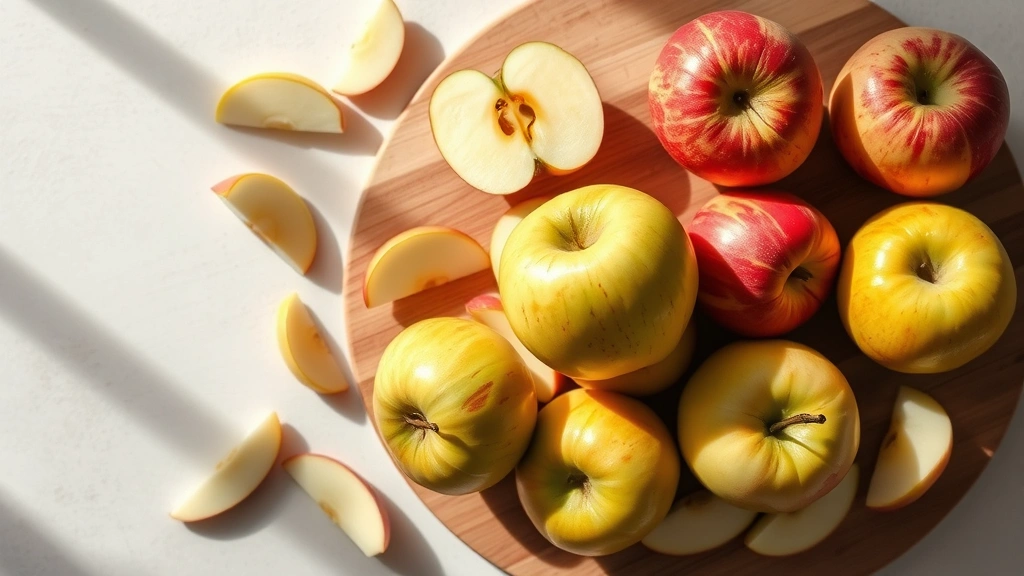
While Gala apples provide excellent nutritional value, comparing them with other common apple varieties provides useful context for dietary decision-making. Different apple varieties exhibit distinct nutrient profiles, flavor characteristics, and culinary applications.
Gala apples contain slightly higher natural sugar content (approximately 19g per medium fruit) compared to Granny Smith apples (approximately 16g per medium fruit), making Granny Smith varieties preferable for individuals prioritizing lower sugar intake. However, Gala apples’ superior sweetness enhances palatability, potentially increasing consumption frequency among populations who might otherwise consume less fruit.
Honeycrisp apples offer similar nutritional profiles to Gala varieties but command significantly higher market prices. Nutritionally, the differences prove minimal, making Gala apples an economically superior choice for budget-conscious consumers seeking equivalent health benefits.
Red Delicious apples, historically dominant in American markets, contain comparable fiber and micronutrient quantities but exhibit lower polyphenolic content than Gala varieties. The antioxidant capacity of Gala apples exceeds Red Delicious apples by approximately 15-20%, supporting selection of Gala varieties when antioxidant benefits represent a priority.
Fuji apples present higher sugar content (approximately 20g per medium fruit) and slightly elevated fiber levels compared to Gala varieties. The choice between Gala and Fuji apples depends on individual objectives, with Gala varieties offering marginally superior fiber-to-sugar ratios.
Practical Consumption Recommendations
Maximizing the nutritional benefits of Gala apples requires attention to selection, storage, and preparation practices. Fresh, firm apples with intact skin provide optimal nutrient density, as many phytochemical compounds concentrate in or near the skin.
Consuming Gala apples with the skin intact preserves the full spectrum of bioactive compounds, including quercetin, chlorogenic acid, and fiber. Organic Gala apples minimize pesticide exposure, though conventional apples undergo rigorous safety testing and present negligible health risk from residual pesticide quantities.
Storage conditions significantly impact nutrient retention. Gala apples maintain nutritional integrity for extended periods when refrigerated at 35-40°F with moderate humidity. Whole apples store longer than cut or processed preparations, which experience accelerated oxidation and nutrient degradation.
Optimal consumption timing depends on individual objectives. Consuming a Gala apple 30-60 minutes before meals provides satiety benefits that reduce overall caloric intake. Immediate post-workout consumption leverages the modest carbohydrate content to support glycogen repletion and recovery processes.
Integration into broader dietary strategies proves essential. Pairing Gala apples with protein sources (nuts, cheese, nut butters) creates balanced snacks supporting sustained energy and satiety. Incorporation into comprehensive nutritional strategies amplifies health benefits beyond isolated consumption.
Daily consumption of one to two Gala apples aligns with evidence-supported recommendations for fruit intake. This quantity provides meaningful micronutrient contribution, substantial fiber intake, and phytochemical benefits without excessive sugar consumption. Individual variation in tolerance and objectives may warrant adjustments, but this baseline represents a reasonable target for most adults.
Individuals with specific health conditions should consider medical guidance. Those with fructose malabsorption or severe irritable bowel syndrome may experience digestive distress from apple consumption. Individuals taking certain medications should consult healthcare providers regarding potential interactions, particularly with blood thinners or medications affected by quercetin content.
FAQ
How many calories are in a medium Gala apple?
A medium Gala apple (approximately 182 grams) contains roughly 95 calories, with virtually all calories deriving from carbohydrates. The minimal fat and protein content makes Gala apples an exceptionally low-calorie food suitable for weight management strategies.
Does eating Gala apples help with weight loss?
Regular Gala apple consumption supports weight management through multiple mechanisms. The high water content, substantial fiber, and low caloric density create excellent satiety characteristics. Studies demonstrate that consuming whole apples before meals reduces overall caloric intake, supporting modest but consistent weight loss outcomes.
Are Gala apples good for blood sugar management?
Yes, Gala apples present favorable characteristics for blood sugar management. With a low glycemic index of approximately 36 and substantial dietary fiber content, they slow glucose absorption and moderate insulin responses. Research indicates improved glycemic control in individuals with type 2 diabetes consuming apples regularly.
What vitamins and minerals do Gala apples contain?
Gala apples deliver vitamin C (5.7mg), potassium (195mg), manganese, copper, and various B vitamins. While individual quantities remain modest, the cumulative micronutrient profile provides meaningful contributions to daily requirements across multiple nutrient categories.
Should I eat Gala apple skin?
Consuming Gala apples with skin intact maximizes nutritional benefits. The skin concentrates polyphenolic compounds including quercetin and chlorogenic acid, dietary fiber, and additional micronutrients. Thoroughly washing before consumption minimizes pesticide exposure if conventional apples are used.
How much fiber do Gala apples contain?
A medium Gala apple provides approximately 4.4 grams of dietary fiber, representing roughly 17% of the recommended daily intake. This substantial fiber content supports digestive health, prebiotic effects, and improved metabolic function.
Are Gala apples better than other apple varieties nutritionally?
Gala apples compare favorably with other common varieties. They contain slightly higher polyphenolic content than Red Delicious apples, superior fiber-to-sugar ratios compared to Fuji varieties, and equivalent nutrition to more expensive Honeycrisp apples. The choice depends on individual priorities and availability.
Can I eat Gala apples if I have diabetes?
Gala apples can be incorporated into diabetic meal plans when portions are controlled and balanced with protein and healthy fats. Their low glycemic index and substantial fiber content moderate blood sugar responses. Individuals should monitor personal glucose responses and consult healthcare providers regarding appropriate portions.
How do Gala apples support heart health?
Gala apples promote cardiovascular health through multiple mechanisms: soluble fiber reduces LDL cholesterol, polyphenolic compounds provide anti-inflammatory effects, potassium supports healthy blood pressure, and prebiotic fiber promotes beneficial gut bacteria. Regular consumption correlates with reduced cardiovascular disease risk in epidemiological research.
What is the best time to eat a Gala apple?
Optimal timing depends on objectives. Consuming Gala apples 30-60 minutes before meals provides satiety benefits reducing overall caloric intake. Post-workout consumption leverages modest carbohydrate content for glycogen repletion. General consumption throughout the day provides sustained nutritional benefits.


