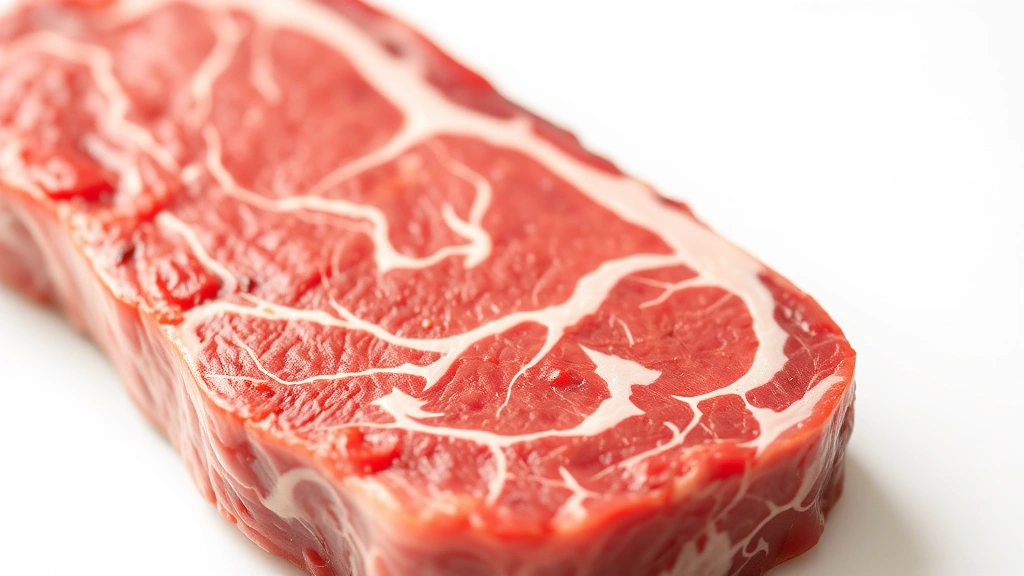
Beef Steak Nutrition: Dietitian Insights
Beef steak has long been a cornerstone of protein-rich diets across cultures, yet its nutritional profile remains the subject of both celebration and scrutiny among health professionals. As a registered dietitian, understanding the comprehensive nutrient composition of beef steak—beyond simple protein content—reveals why this food deserves a nuanced place in modern nutrition planning. From micronutrient density to bioavailability advantages, beef steak offers compounds that many plant-based alternatives struggle to match in equivalent quantities.
The conversation around beef consumption has evolved significantly over the past decade. Rather than viewing steak as either a superfood or dietary villain, contemporary nutrition science encourages evidence-based evaluation of how different cuts, preparation methods, and portion sizes fit into individual health goals. This guide synthesizes current research and professional dietitian perspectives to provide actionable insights about beef steak’s role in balanced nutrition.
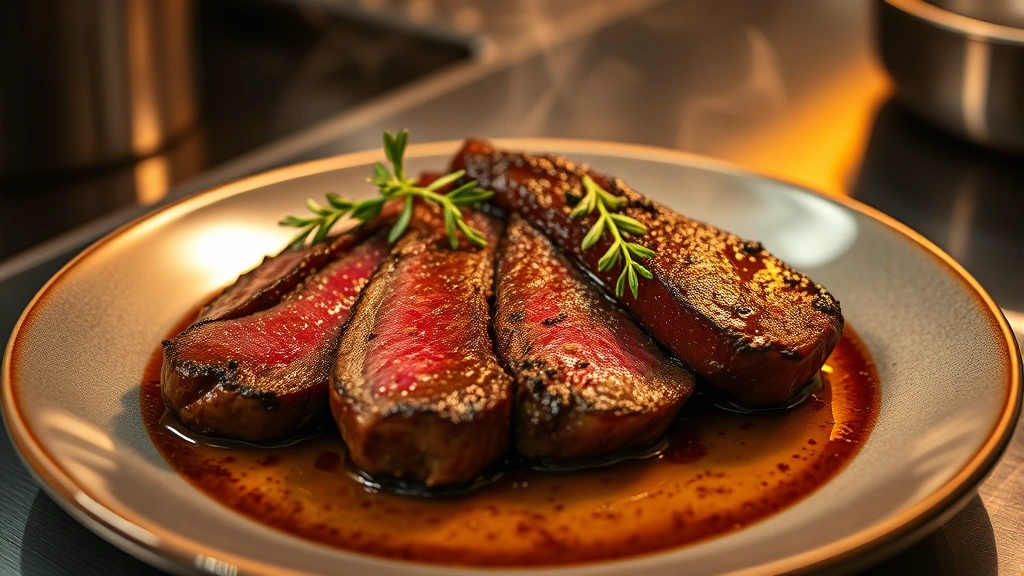
Complete Nutritional Breakdown of Beef Steak
A standard 3-ounce (85-gram) serving of cooked beef steak provides approximately 180-220 calories, depending on the cut and fat content. This baseline understanding serves as the foundation for all dietary calculations. The macronutrient distribution typically follows this pattern: 25-27 grams of protein, 9-12 grams of fat, and negligible carbohydrates. However, these figures vary considerably based on whether you’re consuming a lean sirloin strip or a richly marbled ribeye.
The healthy nutrition plan must account for individual beef steak selections. Lean cuts like eye of round or sirloin tip contain approximately 5-7 grams of fat per 3-ounce serving, while premium cuts like ribeye or New York strip can contain 12-15 grams. This distinction matters significantly for those managing caloric intake or specific fat consumption targets.
Beyond macronutrients, beef steak contains substantial amounts of B vitamins, particularly B12 and B6, along with essential minerals including iron, zinc, and selenium. A single 3-ounce serving can provide 50-60% of the daily recommended value for B12—a nutrient exclusively available from animal sources—making beef steak particularly valuable for individuals at risk of deficiency, including vegans transitioning to omnivorous diets and older adults with absorption issues.
Examining nutrition facts of a gala apple by comparison illustrates why beef steak occupies a distinct nutritional category. While apples provide valuable fiber and polyphenols, they contain minimal protein and no vitamin B12, highlighting how different foods serve complementary nutritional roles rather than direct competition.
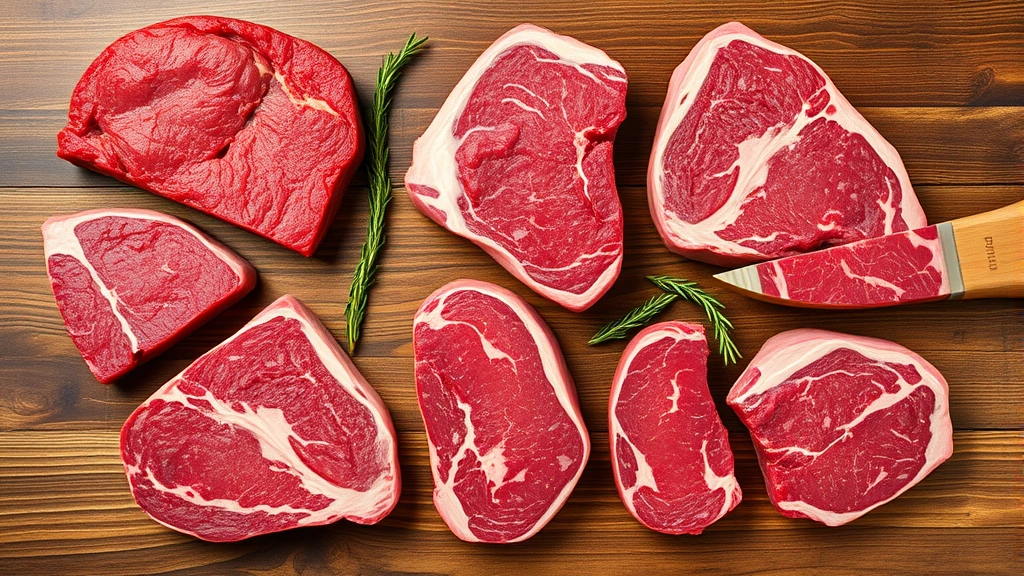
Protein Quality and Amino Acid Profile
Beef steak stands apart in the protein world due to its complete amino acid profile—containing all nine essential amino acids in optimal ratios for human utilization. The Protein Digestibility Corrected Amino Acid Score (PDCAAS) for beef is 1.0, representing perfect protein quality. This matters significantly for individuals pursuing nutrition for athletes optimizing performance through diet, where protein quality directly impacts muscle protein synthesis rates.
The leucine content in beef steak deserves particular attention. This branched-chain amino acid acts as a signaling molecule that activates mTOR pathways responsible for muscle protein synthesis. A 3-ounce serving provides approximately 1.8-2.1 grams of leucine, meeting roughly 30% of the amount shown in research to maximally stimulate muscle protein synthesis in resistance-trained individuals. This makes beef steak particularly efficient for post-workout recovery compared to plant proteins requiring larger serving sizes to achieve equivalent leucine doses.
Carnosine and anserine, dipeptides abundant in beef, function as intracellular antioxidants and buffering agents. These compounds become increasingly important during high-intensity exercise when intramuscular pH drops. Athletes consuming adequate beef report improved performance during repeated high-intensity efforts, though the magnitude of this effect varies individually based on muscle fiber type composition and training status.
The methionine content in beef steak also supports glutathione synthesis—the body’s master antioxidant. This endogenous antioxidant system outperforms exogenous antioxidant supplementation for many individuals, suggesting that whole-food sources like beef provide systemic benefits beyond isolated nutrient analysis.
Essential Micronutrients and Bioavailability
Beef steak serves as a concentrated source of heme iron, which demonstrates 15-35% absorption rates compared to 2-20% for non-heme iron from plant sources. This distinction carries profound implications for individuals managing iron-deficiency anemia or those with elevated iron requirements, including menstruating women and endurance athletes. A 3-ounce serving provides 2.6-3.2 mg of bioavailable iron, making beef steak one of the most efficient iron sources available.
Zinc bioavailability in beef exceeds that of plant sources by 3-4 fold, with beef steak providing 5-7 mg per 3-ounce serving. Zinc functions in over 300 enzymatic reactions, including immune function, wound healing, and protein synthesis. The superior bioavailability means that beef consumers achieve adequate zinc status with smaller quantities than vegetarians consuming equivalent zinc amounts from plant sources.
Selenium concentration in beef steak typically ranges from 22-35 micrograms per 3-ounce serving, representing 40-60% of daily recommended intake. This trace mineral functions as a critical component of selenoproteins, including glutathione peroxidase and thioredoxin reductase—enzymes essential for antioxidant defense and thyroid hormone metabolism. Beef provides selenium in highly bioavailable forms that your body readily utilizes.
Choline, often overlooked in nutritional analysis, comprises approximately 75-100 mg per 3-ounce serving of beef steak. This nutrient functions in neurotransmitter synthesis, cell membrane integrity, and lipid metabolism. Many individuals fail to meet adequate intake levels, making beef steak a practical dietary source for this essential nutrient.
The relationship between nutrient density and overall dietary quality becomes apparent when examining how beef steak contributes to micronutrient intake. Consider exploring nutrition and mental health how your diet impacts your brain to understand how these micronutrients support cognitive function.
Fat Composition and Cardiovascular Health
The saturated fat content in beef steak—approximately 3.5-6 grams per 3-ounce serving depending on cut—represents the primary concern raised by traditional dietary guidelines. However, contemporary research reveals a more nuanced picture than simple saturated fat categorization suggests. The specific saturated fatty acids present in beef include stearic acid, which demonstrates neutral effects on LDL cholesterol, and palmitic acid, which shows more modest cholesterol-raising effects than previously believed.
Beef steak contains approximately 50% monounsaturated fat and 5-10% polyunsaturated fat, with oleic acid comprising the predominant monounsaturated fatty acid—the same compound found in olive oil. This fat composition means that beef steak, particularly leaner cuts, fits reasonably into heart-healthy dietary patterns when consumed in appropriate portions.
Conjugated linoleic acid (CLA), a naturally occurring trans fat distinct from industrial trans fats, comprises 0.5-1.5% of beef fat. Research suggests CLA may support body composition improvements and metabolic health, though human studies show modest effects. Grass-fed beef contains approximately 3-5 times more CLA than grain-fed beef, making grass-fed options potentially advantageous for those prioritizing CLA intake.
The cholesterol content in beef steak averages 70-80 mg per 3-ounce serving. Dietary cholesterol’s impact on blood cholesterol levels remains more modest than previously believed, with most individuals demonstrating minimal response to dietary cholesterol changes. For those with familial hypercholesterolemia or extreme cholesterol sensitivity, lean cuts become particularly relevant.
Research from the American Heart Association acknowledges that lean beef can fit into heart-healthy diets when consumed in appropriate portions and prepared without excess added fats.
Beef Steak in Athletic Performance
Athletes and fitness enthusiasts gravitate toward beef steak for evidence-based reasons. The combination of complete protein, creatine (300-500 mg per 3-ounce serving), and iron makes beef particularly valuable for strength and endurance athletes. Creatine, synthesized endogenously but also obtained from dietary sources, supports ATP regeneration during high-intensity efforts and demonstrates consistent benefits for muscle strength and power output.
The micronutrient profile supports recovery mechanisms beyond simple protein provision. Vitamin B6 participates in amino acid metabolism and hemoglobin synthesis, while B12 supports energy metabolism and myelin formation. These vitamins work synergistically with beef’s protein content to optimize recovery processes.
Athletes consuming nutrition for athletes optimizing performance through diet benefit from beef steak’s nutrient density, which provides multiple performance-supporting compounds in a single food source. This efficiency matters for athletes managing caloric budgets or those seeking to minimize meal complexity while maintaining nutritional adequacy.
Studies examining beef consumption and athletic outcomes demonstrate improvements in strength gains, endurance capacity, and recovery markers compared to isocaloric plant-based protein sources. The superior amino acid profile and micronutrient density contribute to these performance advantages.
Selecting and Preparing Beef for Optimal Nutrition
Cut selection dramatically influences beef steak’s nutritional profile. Lean cuts including sirloin tip side steak, eye of round, and round tip contain 5-7 grams of fat per 3-ounce serving while maintaining comparable protein content to fattier cuts. These selections optimize nutrient density while minimizing caloric density for those managing weight.
Grass-fed versus grain-fed beef presents another selection consideration. Grass-fed beef typically contains higher omega-3 fatty acid concentrations and CLA levels, though absolute quantities remain modest. The omega-3 to omega-6 ratio improves in grass-fed beef, potentially benefiting inflammatory status in some individuals. However, grass-fed beef generally costs 2-3 times more than grain-fed alternatives, making it a luxury selection rather than essential upgrade for most consumers.
Cooking methods significantly impact the final nutritional composition. Grilling, broiling, and pan-searing at moderate temperatures preserve nutrient content while minimizing the formation of heterocyclic amines (HCAs)—compounds formed during high-temperature cooking that warrant moderation. Marinating beef in antioxidant-rich herbs like rosemary and thyme before cooking reduces HCA formation by up to 90%, making this a practical strategy for health-conscious consumers.
Avoid charring beef excessively, as this intensifies HCA and polycyclic aromatic hydrocarbon (PAH) formation. Cooking beef to medium rather than well-done reduces these compounds while maintaining food safety when using whole cuts. Ground beef requires thorough cooking to eliminate pathogenic bacteria, but whole muscle steaks can be safely consumed at lower internal temperatures.
Visit the Nutrients Pathway Blog for additional preparation strategies and cooking guidance.
Portion Recommendations by Health Goal
General population guidelines from nutrition organizations suggest 3-4 ounces of lean beef steak 2-3 times weekly as part of a balanced diet. This quantity provides substantial nutritional benefits without exceeding saturated fat recommendations for most individuals. However, individual needs vary based on specific health goals, metabolic factors, and overall dietary composition.
For individuals pursuing healthy nutrition plan a guide to eating well for life, beef steak consumption should align with overall protein targets (0.8-1.0 grams per kilogram body weight for sedentary individuals, 1.2-2.0 grams for active individuals) and total fat intake targets.
Resistance-trained athletes benefit from consuming 3-5 ounces of beef steak post-workout when combined with carbohydrate sources, as this quantity provides optimal leucine concentrations for muscle protein synthesis stimulation. Daily beef consumption up to 6-8 ounces proves compatible with health maintenance in most individuals when selecting lean cuts and managing overall dietary balance.
Individuals managing cardiovascular disease or elevated cholesterol should emphasize lean cuts, limit portions to 3-4 ounces, and ensure beef consumption doesn’t exceed 2-3 times weekly. Those with iron-deficiency anemia benefit from consuming beef steak 3-4 times weekly to optimize iron repletion, while individuals with elevated iron stores should moderate beef consumption accordingly.
Pregnant and lactating women, despite increased nutrient demands, should follow standard portion guidelines while ensuring beef consumption doesn’t displace other nutrient-dense foods. The iron and B12 from beef prove particularly valuable during these life stages, making beef steak a practical dietary inclusion.
According to research published in the National Center for Biotechnology Information, moderate beef consumption aligns with various dietary patterns associated with positive health outcomes when coupled with abundant plant foods.
FAQ
How much protein does beef steak actually contain?
A 3-ounce (85-gram) serving of cooked beef steak provides 25-27 grams of complete protein, making it one of the most protein-dense foods available. This quantity represents approximately 50-55% of daily requirements for a 150-pound individual, delivered in a single serving.
Is beef steak bad for cholesterol?
Beef steak contains saturated fat and cholesterol, which warrant moderation in individuals with familial hypercholesterolemia or extreme cholesterol sensitivity. However, lean beef steak can fit into heart-healthy diets for most individuals when consumed in appropriate portions (3-4 ounces) and prepared without excess added fats. The relationship between dietary cholesterol and blood cholesterol proves more modest than previously believed.
Can I eat beef steak if I’m trying to lose weight?
Yes, lean beef steak supports weight loss efforts due to its high protein content, which promotes satiety and supports metabolic rate maintenance during caloric restriction. A 3-ounce serving of lean sirloin contains approximately 180 calories with 25 grams of protein—an excellent protein-to-calorie ratio. Including beef steak in a calorie-controlled diet improves adherence compared to very low-fat approaches.
Is grass-fed beef nutritionally superior to grain-fed?
Grass-fed beef contains higher omega-3 fatty acids and CLA compared to grain-fed beef, though absolute quantities of these compounds remain modest in beef relative to other sources. Grass-fed beef costs significantly more, making it a luxury rather than essential selection. Both grass-fed and grain-fed beef provide complete protein, iron, B12, and zinc in highly bioavailable forms.
How often should I eat beef steak?
General guidelines suggest 2-3 servings of beef steak weekly as part of a balanced diet, though individual needs vary based on dietary pattern, health status, and nutritional goals. Active individuals pursuing muscle gain can safely consume beef steak daily in appropriate portions, while those with cardiovascular disease should moderate frequency to 2-3 times weekly using lean cuts.
What cooking method preserves the most nutrition?
Grilling, broiling, and pan-searing at moderate temperatures preserve nutrient content while minimizing harmful compound formation. Marinating beef in antioxidant-rich herbs before cooking reduces heterocyclic amine formation by up to 90%. Avoid charring beef excessively, as this intensifies potentially harmful compounds from high-temperature cooking.
Does beef steak provide any unique nutrients?
Beef steak provides heme iron with superior bioavailability compared to plant sources, vitamin B12 exclusively from animal sources, and creatine—compounds supporting energy metabolism and muscle function. Additionally, beef contains carnosine and anserine, dipeptides functioning as intracellular antioxidants particularly valuable for athletes. These compounds offer nutritional advantages that plant sources struggle to match in equivalent quantities.
For additional nutritional guidance, explore the importance of dietary fiber for your health to understand how beef steak fits into a fiber-inclusive dietary pattern.
Can beef steak support mental health?
Yes, beef steak’s micronutrient profile—particularly B vitamins, iron, and zinc—supports cognitive function and mood regulation. Understanding nutrition and mental health how your diet impacts your brain reveals how beef’s nutrient density contributes to neurotransmitter synthesis and neurological health.


